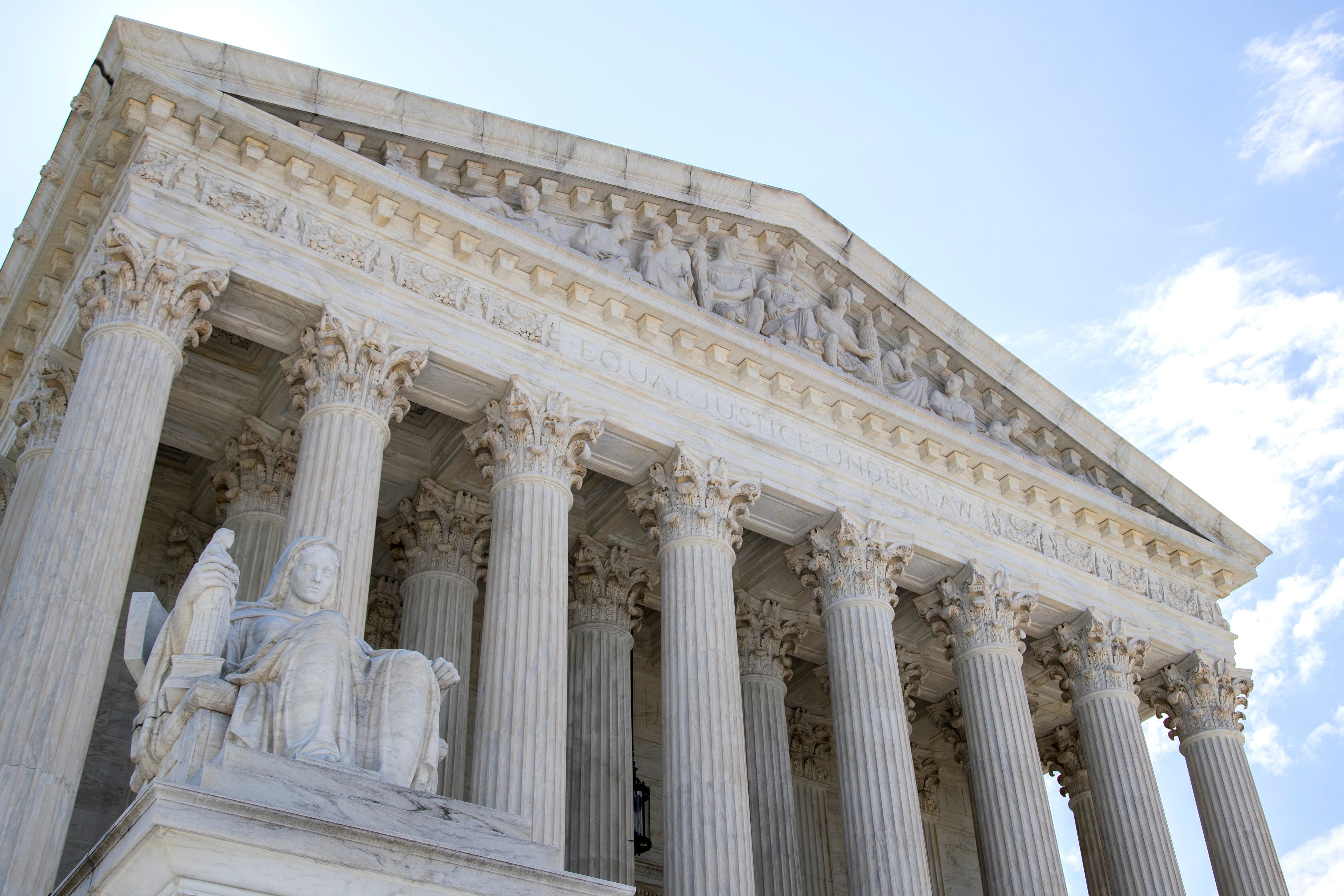
The U.S. Supreme Court is seen Tuesday, June 30, 2020 in Washington. (AP Photo/Manuel Balce Ceneta)
The Supreme Court on Monday upheld a 1991 law that bars robocalls to cellphones.
The case, argued by telephone in May because of the coronavirus pandemic, only arose after Congress in 2015 created an exception in the law that allowed the automated calls for collection of government debt.
Political consultants and pollsters were among those who asked the Supreme Court to strike down the entire 1991 law that bars them from making robocalls to cellphones as a violation of their free speech rights under the Constitution. The issue was whether, by allowing one kind of speech but not others, the exception made the whole law unconstitutional.
Six justices agreed that by allowing debt collection calls to cellphones Congress "impermissibly favored debt-collection speech over political and other speech, in violation of the First Amendment," Justice Brett Kavanaugh wrote. And seven justices agreed that the 2015 exception should be stricken from the law.
"Americans passionately disagree about many things. But they are largely united in their disdain for robocalls," Kavanaugh noted at the outset of his opinion.
During arguments in the case in May, Justice Stephen Breyer got cut off when someone tried calling him. Breyer said after he rejoined the court's arguments: "The telephone started to ring, and it cut me off the call and I don't think it was a robocall."
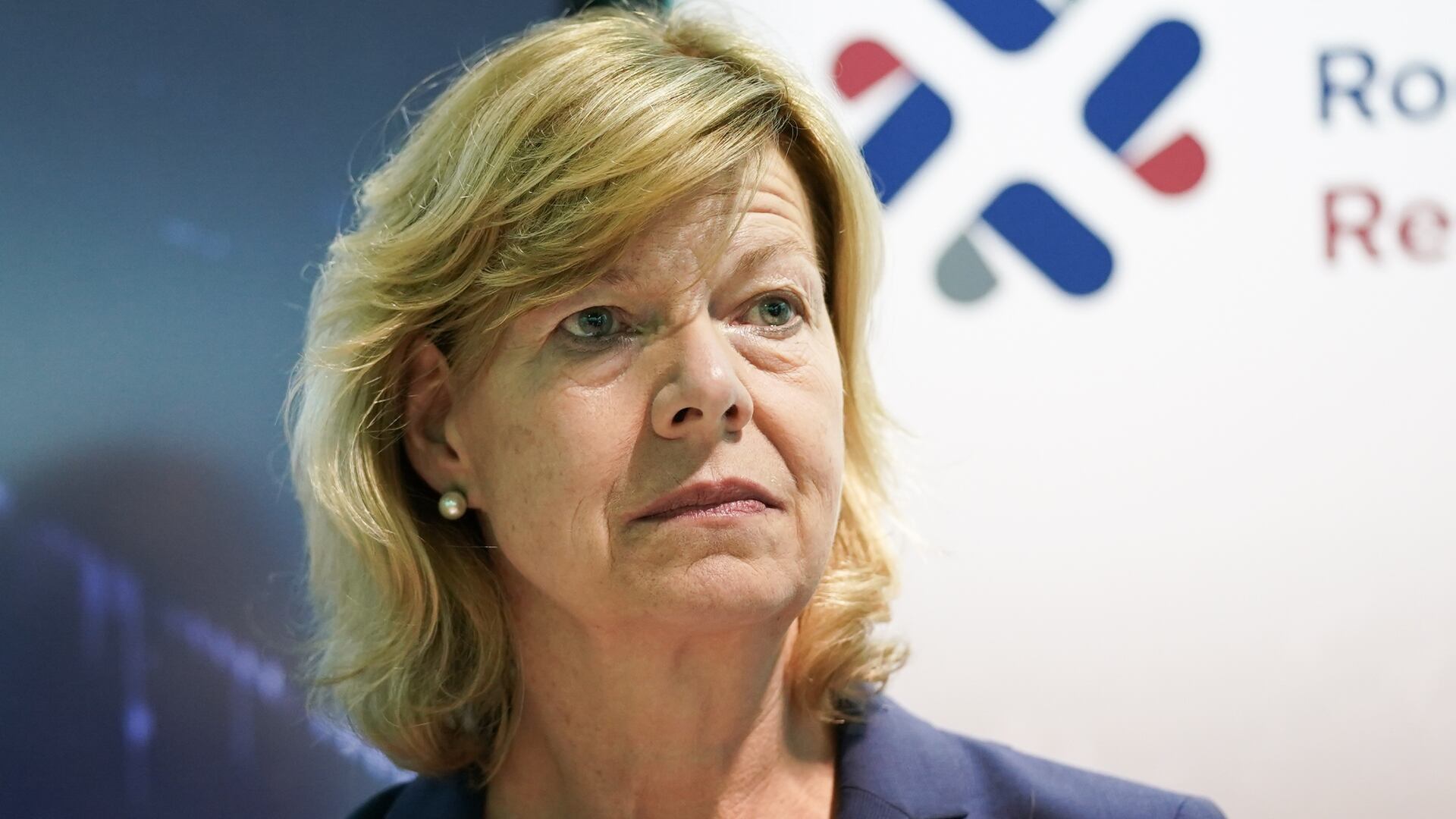
Experts warn that social media is a root cause of mental health issues among many young adults. Sen. Tammy Baldwin (D-Wis.), who co-wrote a letter to TikTok demanding why its algorithms promote toxic content, joined Cheddar to discuss.
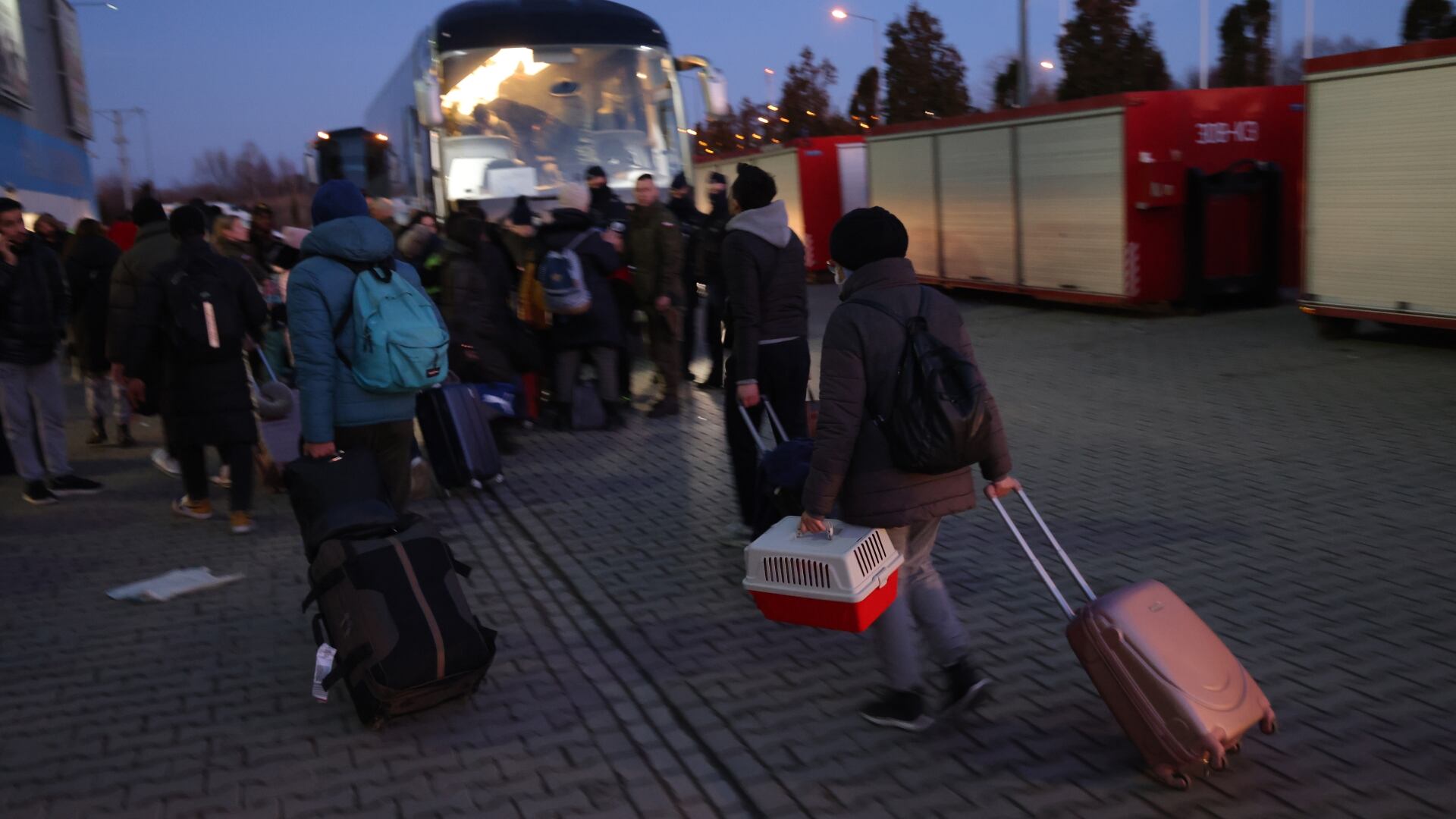
The United Nations High Commissioner for Refugees (UNHCR) has reported that an estimated one million people have fled from Ukraine since Russia invaded. Christopher Boian, senior communications officer at UNHCR, joined Cheddar News to report on the current refugee crisis and what the world might expect if conditions continue to worsen. "We have planning figures that forecast as many as four million people could be forced to flee Ukraine," he said. "But that very much depends on how the conflict underway in that country at the moment unfolds in the days and possibly weeks ahead."
Under the U.S. Renewable Fuel Standard (RFS), corn-based ethanol has been mixed into gasoline sold at pumps in the U.S. since 2005, when a policy was enacted aimed at reducing emissions. Corn-based ethanol had been thought to be a relatively greener energy source compared to other biofuels, but now, a new study published in the Proceedings of the National Academy of Sciences reports it may be actually worse for the climate than straight gasoline. Tyler Lark, an assistant scientist at the University of Wisconsin-Madison's Center for Sustainability, joined Cheddar News' Closing Bell and discussed the pushback against the study. "Essentially when you need to produce more corn to meet the demand for use as ethanol as fuel, farmers respond and they switch more crops like soybeans and wheat into corn," Lark said. "They also bring more land into production, so things that used to be pasture grassland, and both those activities are associated with increased greenhouse gas emissions."
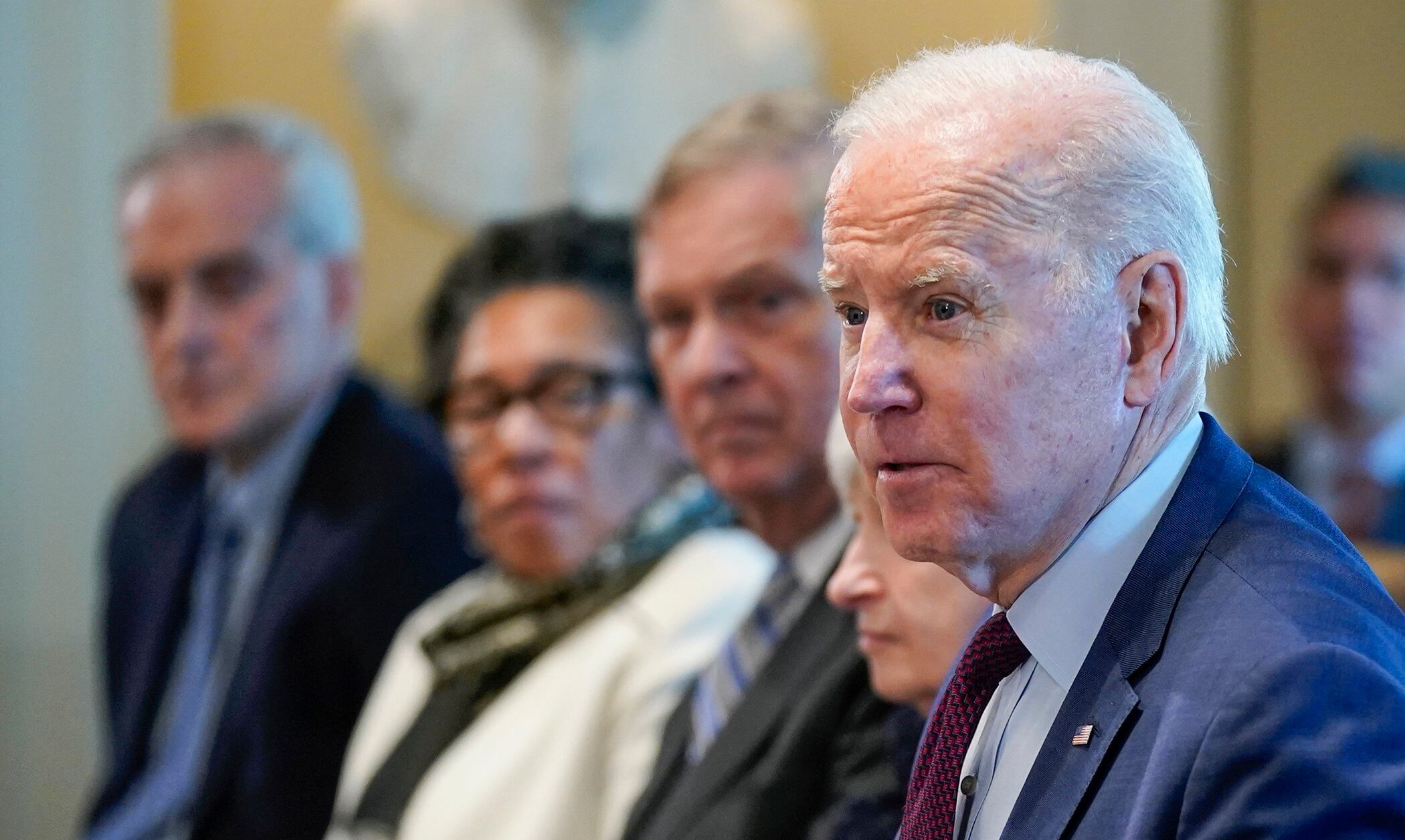
U.S. President Joe Biden’s administration on Thursday announced new sanctions against Russian oligarchs and others in President Vladimir Putin’s inner circle.
Christian Blauvelt, executive managing editor at IndieWire, joins Cheddar News to discuss the growing number of studios pulling content from Russia over Ukraine invasion.
Russian forces are battling for control of a crucial energy-producing city in Ukraine’s south and gaining ground in their bid to cut off the country from the sea.
In the past few years, Betthany Frankel has made a major name for herself as a philanthropist after founding the
BStrong initiative, which has provided relief to people impacted by natural disasters as well as the COVID-19 pandemic. Now, BStrong is shifting its focus to Ukraine, raising millions of dollars in donations for those impacted by Russia's invasion. Bethenny Frankel, the founder of BStrong, joins Cheddar News' Closing Bell to discuss.
Bryan Lee, Chief Investment Officer at Blue Zone Wealth Advisors, joins Cheddar News' Closing Bell, where he elaborates on the volatility we've seen in the markets this week fueled by rising oil prices and the ongoing Russian invasion of Ukraine.