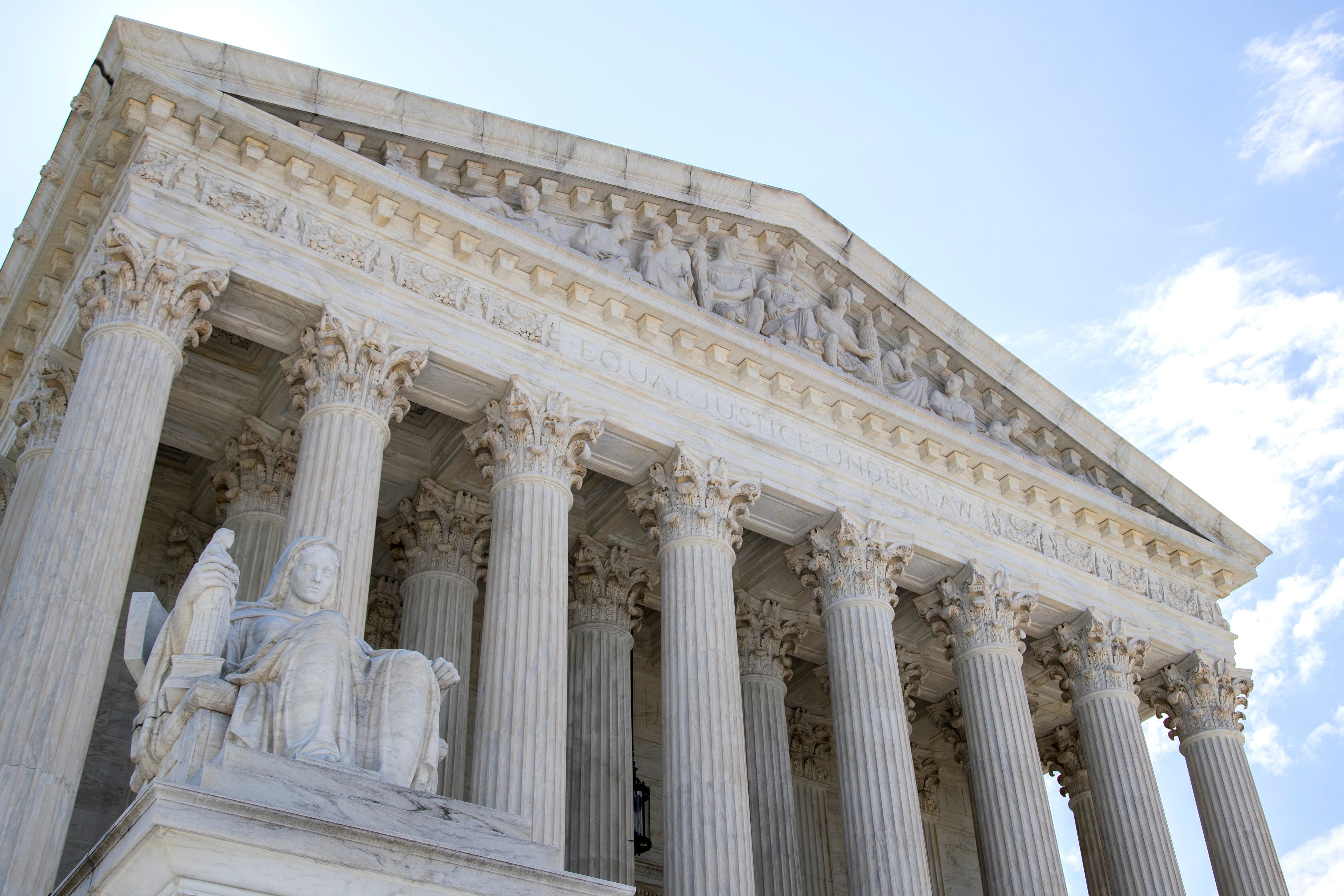
The U.S. Supreme Court is seen Tuesday, June 30, 2020 in Washington. (AP Photo/Manuel Balce Ceneta)
The Supreme Court on Monday upheld a 1991 law that bars robocalls to cellphones.
The case, argued by telephone in May because of the coronavirus pandemic, only arose after Congress in 2015 created an exception in the law that allowed the automated calls for collection of government debt.
Political consultants and pollsters were among those who asked the Supreme Court to strike down the entire 1991 law that bars them from making robocalls to cellphones as a violation of their free speech rights under the Constitution. The issue was whether, by allowing one kind of speech but not others, the exception made the whole law unconstitutional.
Six justices agreed that by allowing debt collection calls to cellphones Congress "impermissibly favored debt-collection speech over political and other speech, in violation of the First Amendment," Justice Brett Kavanaugh wrote. And seven justices agreed that the 2015 exception should be stricken from the law.
"Americans passionately disagree about many things. But they are largely united in their disdain for robocalls," Kavanaugh noted at the outset of his opinion.
During arguments in the case in May, Justice Stephen Breyer got cut off when someone tried calling him. Breyer said after he rejoined the court's arguments: "The telephone started to ring, and it cut me off the call and I don't think it was a robocall."
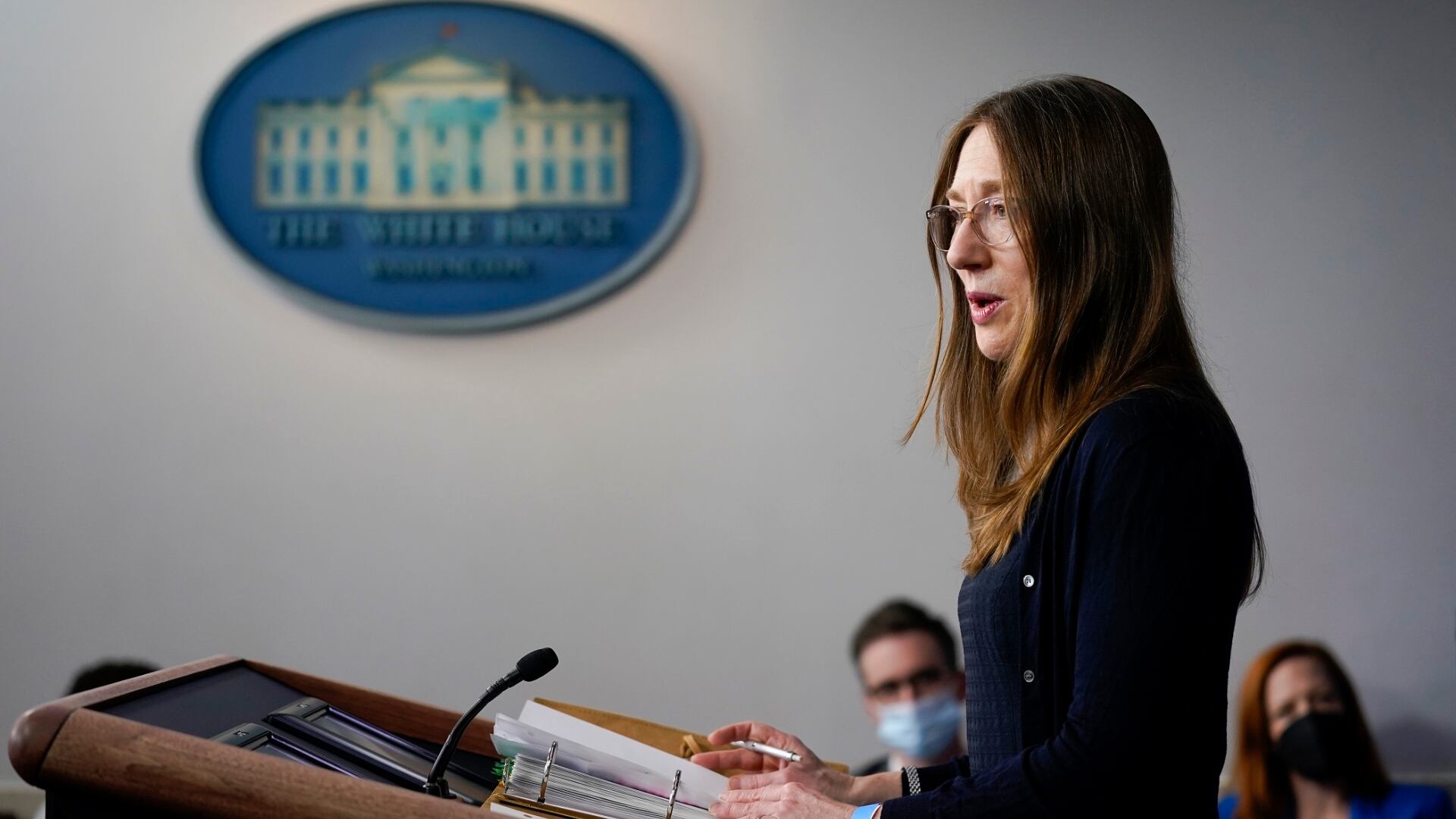
About 678,000 jobs were created in February, hundreds of thousands more than predicted, according to the latest Labor Department report, showing a broad economic recovery despite inflation woes. Heather Boushey, member of the Council of Economic Advisers for President Biden, joined Cheddar News to talk about the employment figures. "This really shows that the economy is now more resilient because of the tools that we have in place," Boushey said. "So I'm optimistic that we'll be able to weather future storms."
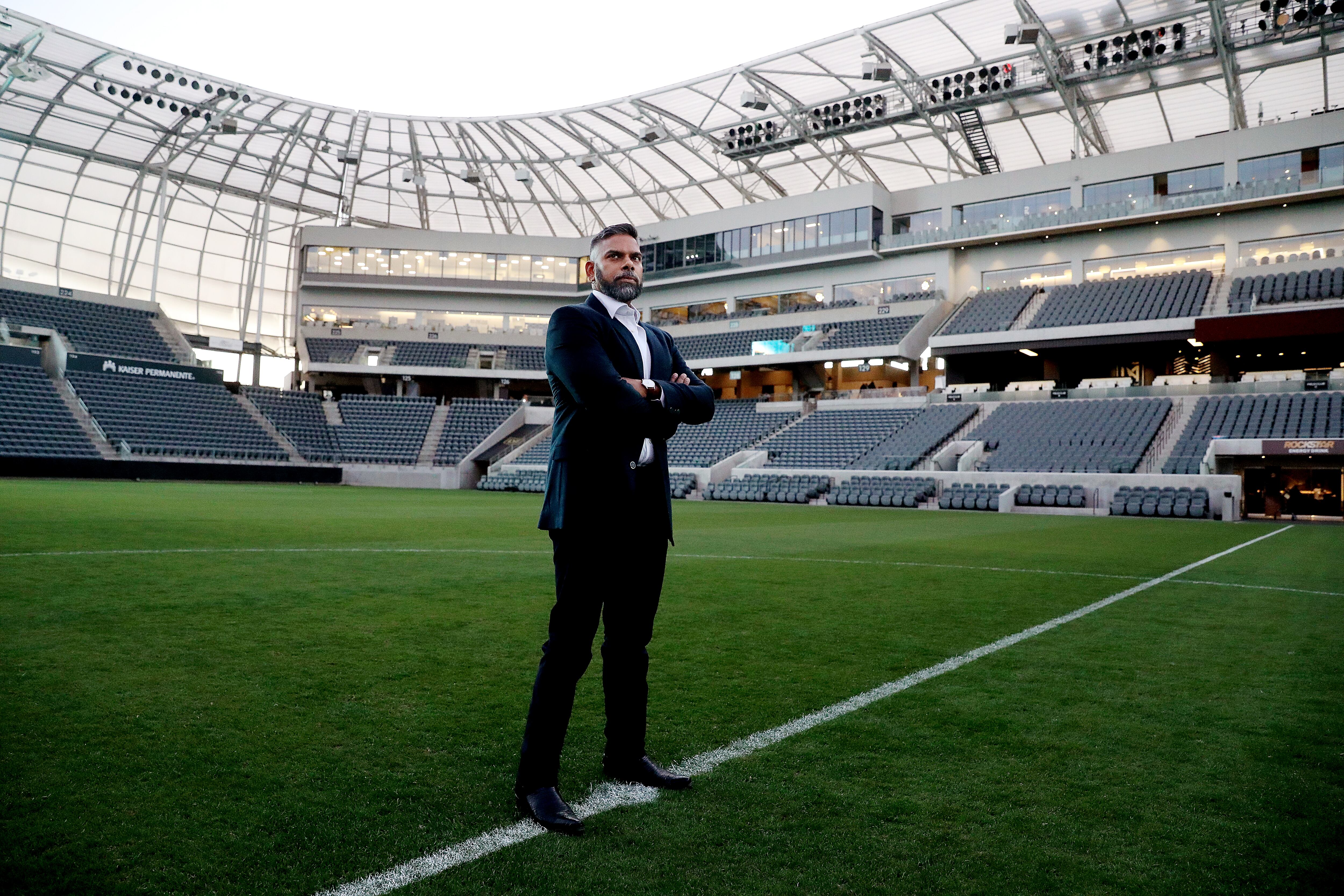
Ramit Varma, Independent candidate for Mayor of Los Angeles, joins Cheddar News to discuss the race and how he plans to tackle critical issues in the California city.
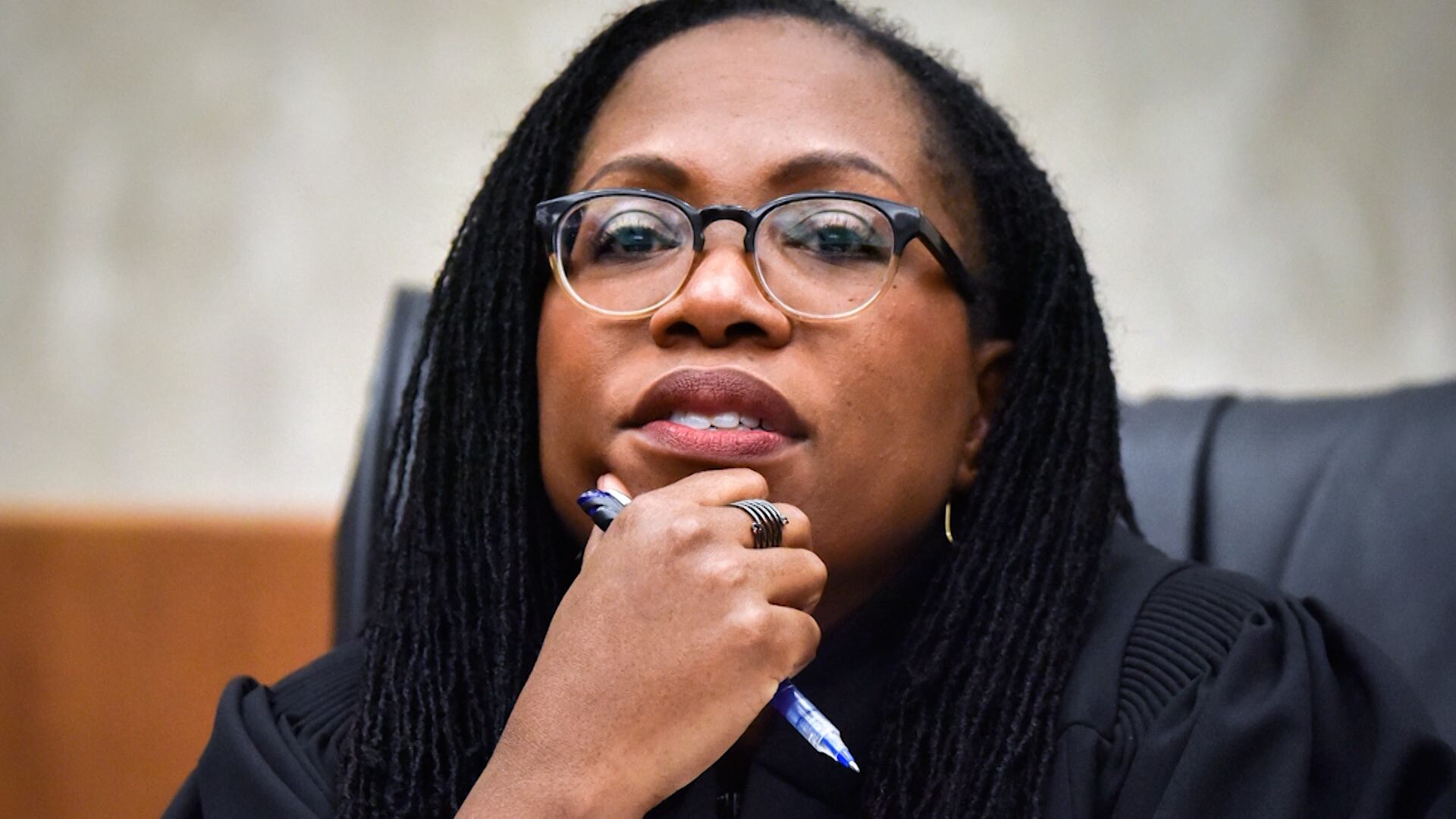
Tyler Pager, White House reporter at the Washington Post, and Reecie Colbert, founder of BlackWomenViews Media, join Cheddar Politics to discuss President Biden's Supreme Court nominee Judge Ketanji Brown Jackson. They break down how her nomination came to be and what comes next in her confirmation process.
Joel Rubin, former deputy assistant at Secretary of State & president of the Washington Strategy Group, joins Cheddar News to break down the latest between Russia and Ukraine.
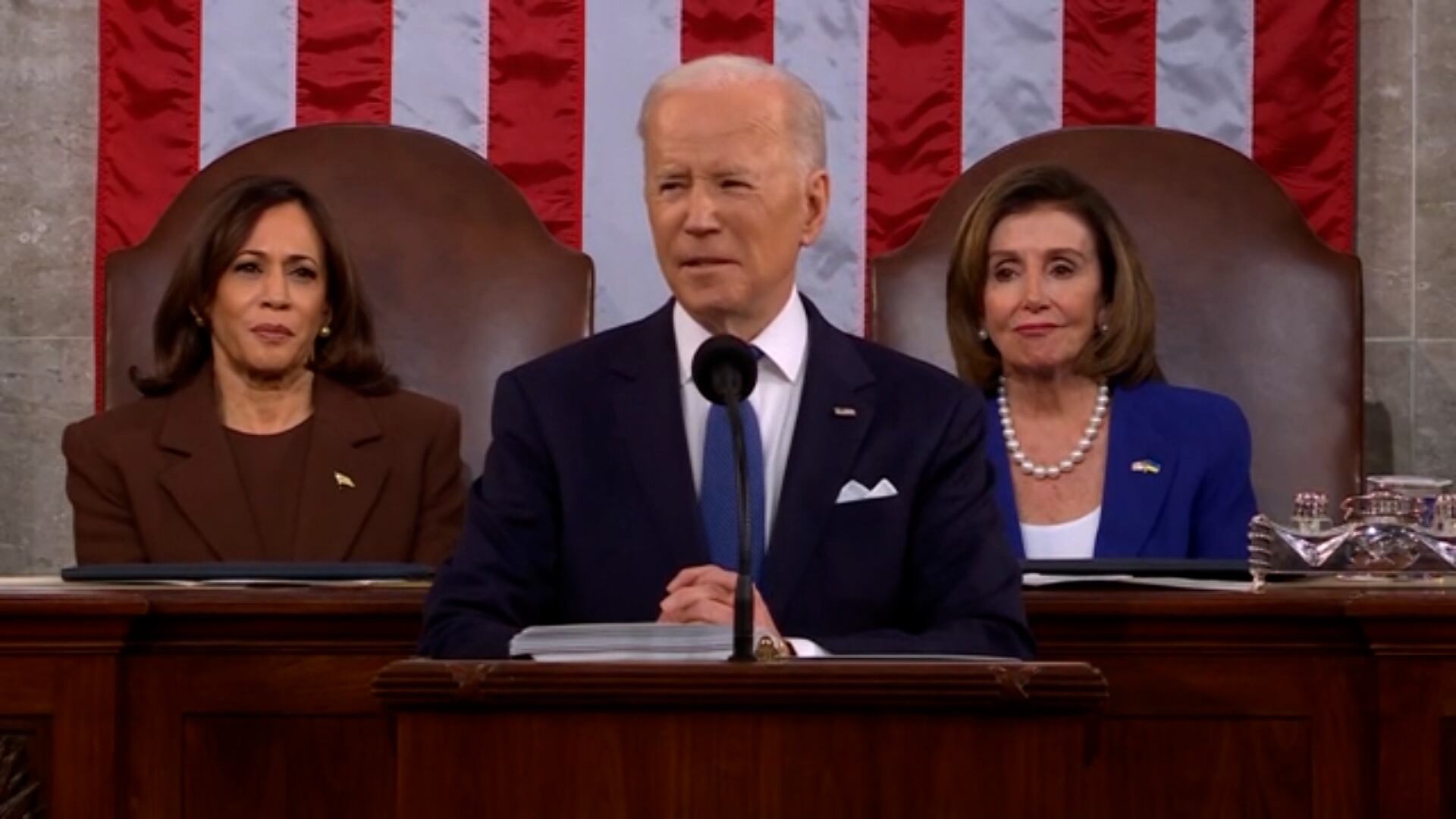
Nicole Goodkind, business and politics reporter at Fortune Magazine, joins Cheddar Politics to break down President Biden's first State of the Union address.
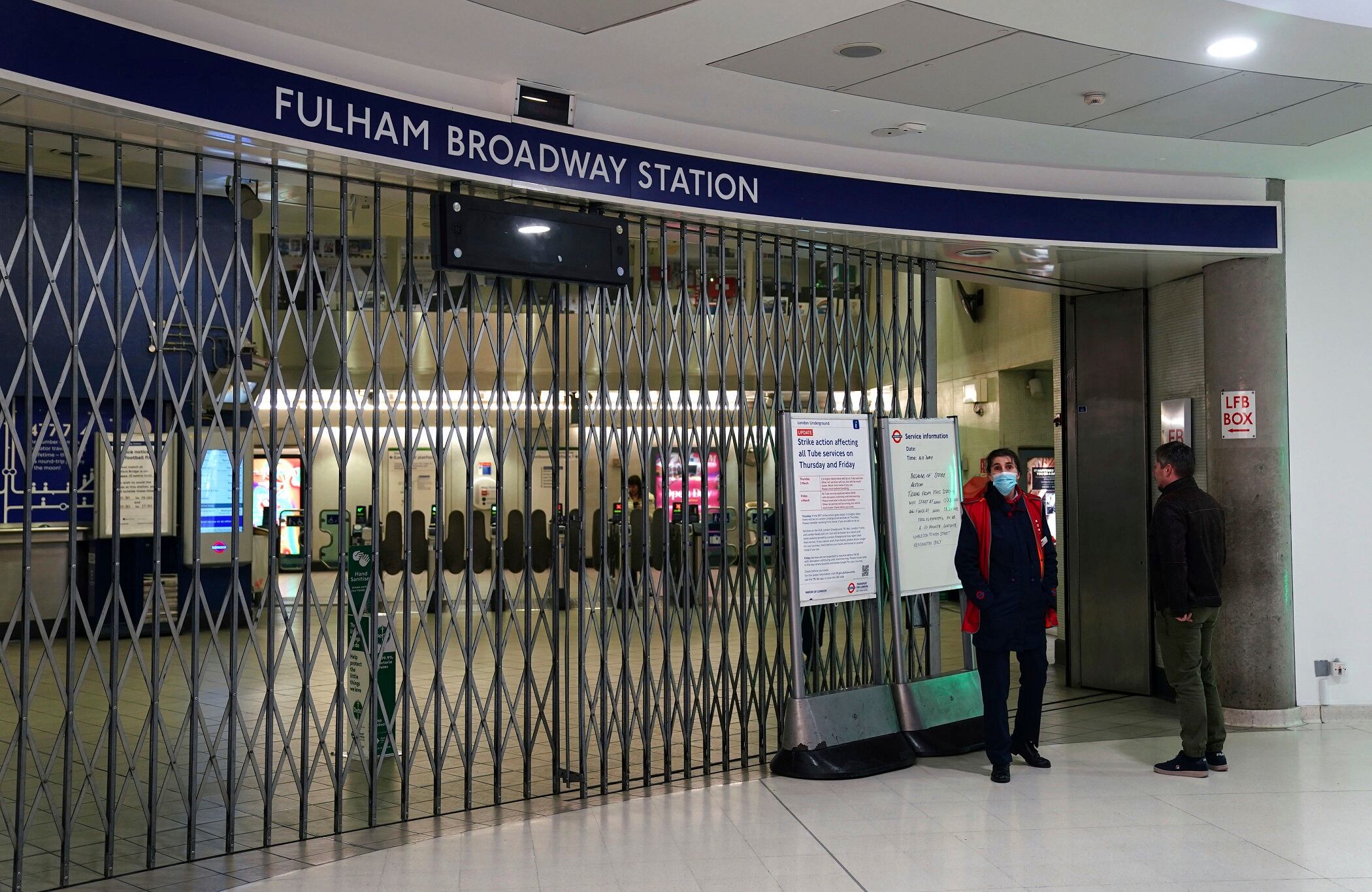
Londoners are facing travel chaos after around 10,000 transport workers walked off their jobs for the second day this week, leaving almost all of the capital’s subway lines suspended or severely disrupted.
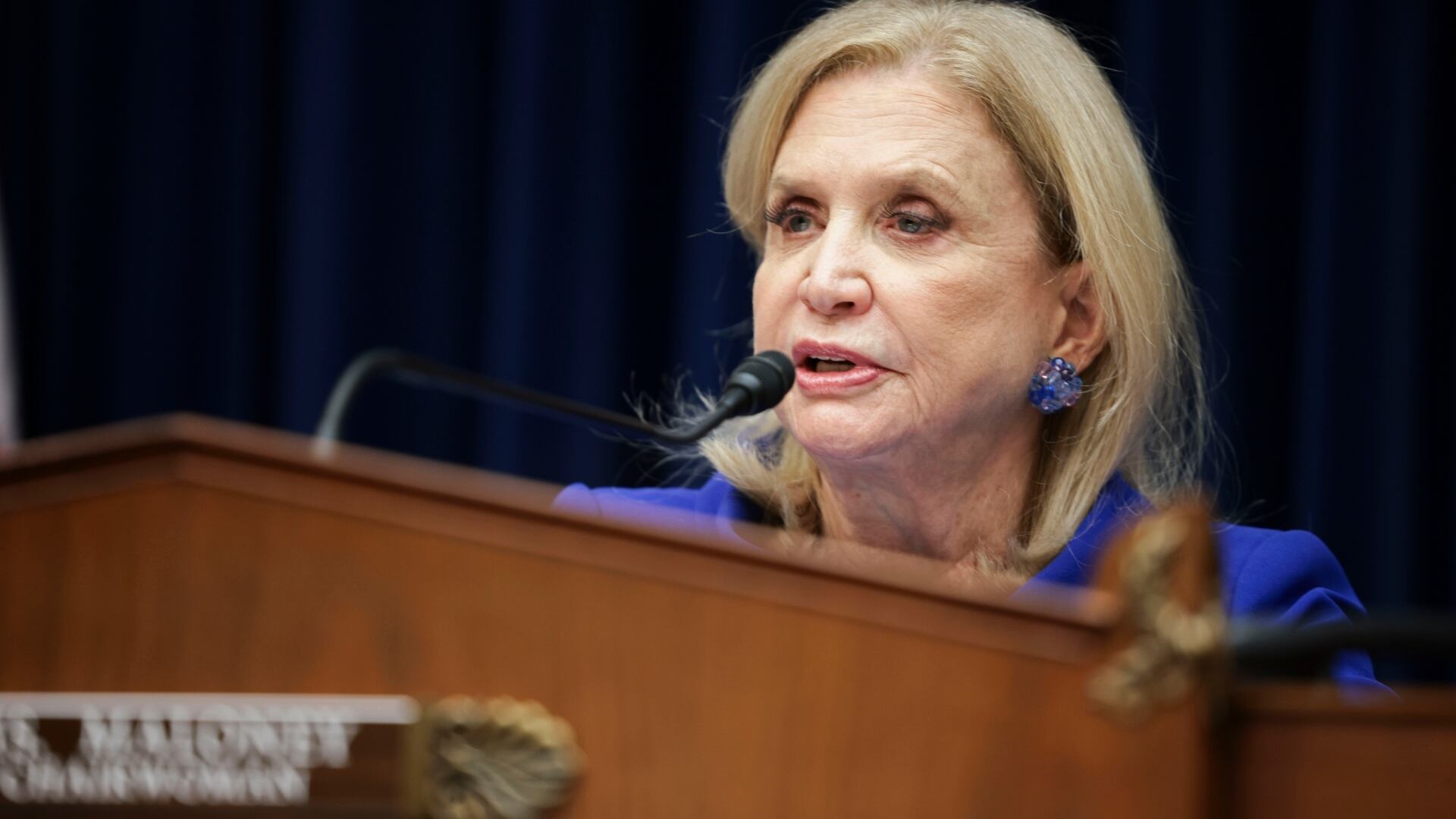
Rep. Carolyn Maloney joined Cheddar News after President Biden's State of the Union address to give her reaction and talk about the situation in Ukraine.
UN and Ukrainian officials say no radiation was released from a Russian attack at Europe’s biggest nuclear power plant in Ukraine and firefighters have extinguished a blaze at the facility..
Liz Landers Chief Political Correspondent at Vice News, breaks down the President's address including his stance on the Russian invasion and spotlights historic moments during his speech.
Markets opened higher on Thursday despite ongoing uncertainty amid the Russia-Ukraine conflict. John Petrides, Portfolio Manager, Tocqueville Asset Management joined Cheddar's Opening Bell to discuss early market activity.