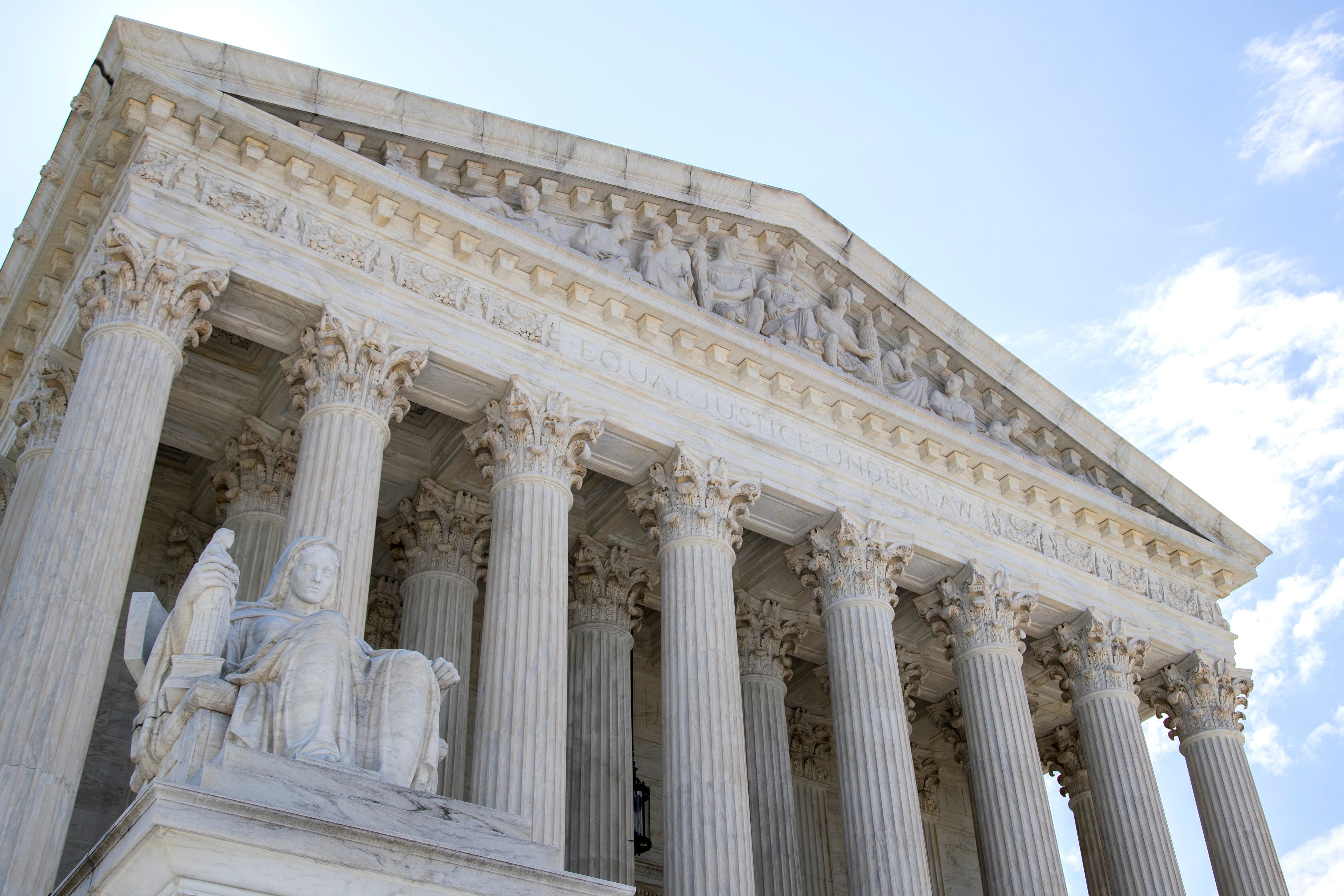
The U.S. Supreme Court is seen Tuesday, June 30, 2020 in Washington. (AP Photo/Manuel Balce Ceneta)
The Supreme Court on Monday upheld a 1991 law that bars robocalls to cellphones.
The case, argued by telephone in May because of the coronavirus pandemic, only arose after Congress in 2015 created an exception in the law that allowed the automated calls for collection of government debt.
Political consultants and pollsters were among those who asked the Supreme Court to strike down the entire 1991 law that bars them from making robocalls to cellphones as a violation of their free speech rights under the Constitution. The issue was whether, by allowing one kind of speech but not others, the exception made the whole law unconstitutional.
Six justices agreed that by allowing debt collection calls to cellphones Congress "impermissibly favored debt-collection speech over political and other speech, in violation of the First Amendment," Justice Brett Kavanaugh wrote. And seven justices agreed that the 2015 exception should be stricken from the law.
"Americans passionately disagree about many things. But they are largely united in their disdain for robocalls," Kavanaugh noted at the outset of his opinion.
During arguments in the case in May, Justice Stephen Breyer got cut off when someone tried calling him. Breyer said after he rejoined the court's arguments: "The telephone started to ring, and it cut me off the call and I don't think it was a robocall."
On a live broadcast, an employee on a Russian state news television channel held up a sign protesting propaganda about the war in Ukraine. Ruslan Deynychenko, executive director of the Ukrainian fact-checking organization StopFake, joined Cheddar News to discuss what he called the misinformation spread to the Russian people about the invasion. "They are not about informing people they are about brainwashing people," he said. "Russian government uses their media as an instrument, as a tool, of their foreign policy."
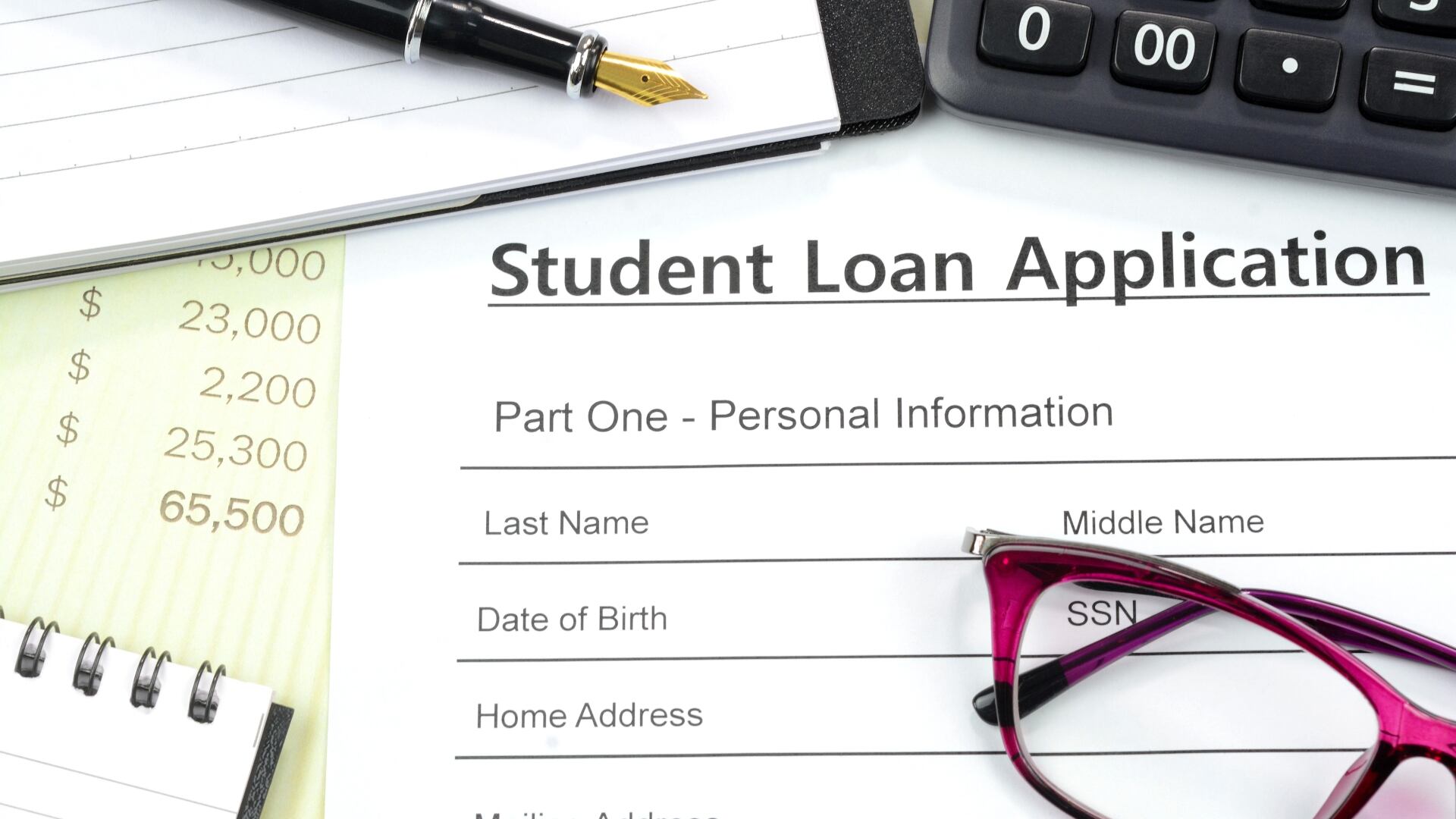
Student loan payments for millions of borrowers are set to resume on May 1st. However, signals from the Department of Education show that the date may be pushed back. Once again, it's been pushed back a few times. Initially, the Biden Administration stated loan payments would resume as the economy continues to show signs of recovery. Student Loan Expert and Author of "How to Appeal for More College Financial Aid", Mark Kantrowitz, joined Cheddar to discuss more.
Tim Davis, Partner and Executive Managing Director at Steward Partners, joins Cheddar News' Closing Bell, where he discusses what activity we could expect to see from the crypto market this week as the Fed decision approaches, the prices of Bitcoin and Ether struggle to find a spark, and the industry continues to digest President Biden's executive order on crypto.
Russia may be asking China for help with its war in Ukraine, according to several reports citing unnamed U.S. officials. Russia is reportedly calling on its ally for military and economic assistance, in an attempt to avoid punishment from sanctions imposed by the U.S., Europe, and Asia, which have hammered Russia's economy. Chinese and Russian officials denied the reports. Meanwhile, top U.S. and Chinese officials are meeting today, with both countries confirming the conflict in Ukraine will be the meeting's main topic. Edward Wong, diplomatic correspondent for the New York Times, joins Cheddar News' Closing Bell to discuss.
A Ukrainian drone company is using its technology to help defend its home nation during the ongoing war with Russia. Valerii Iakovenko, co-founder and CEO of DroneUA, joined Cheddar News to discuss its efforts to help against the invasion. "These drones can be used to do strikes more precise and even cheap drones, even simple technologies can help to make a defensive possibilities more precise," he said.
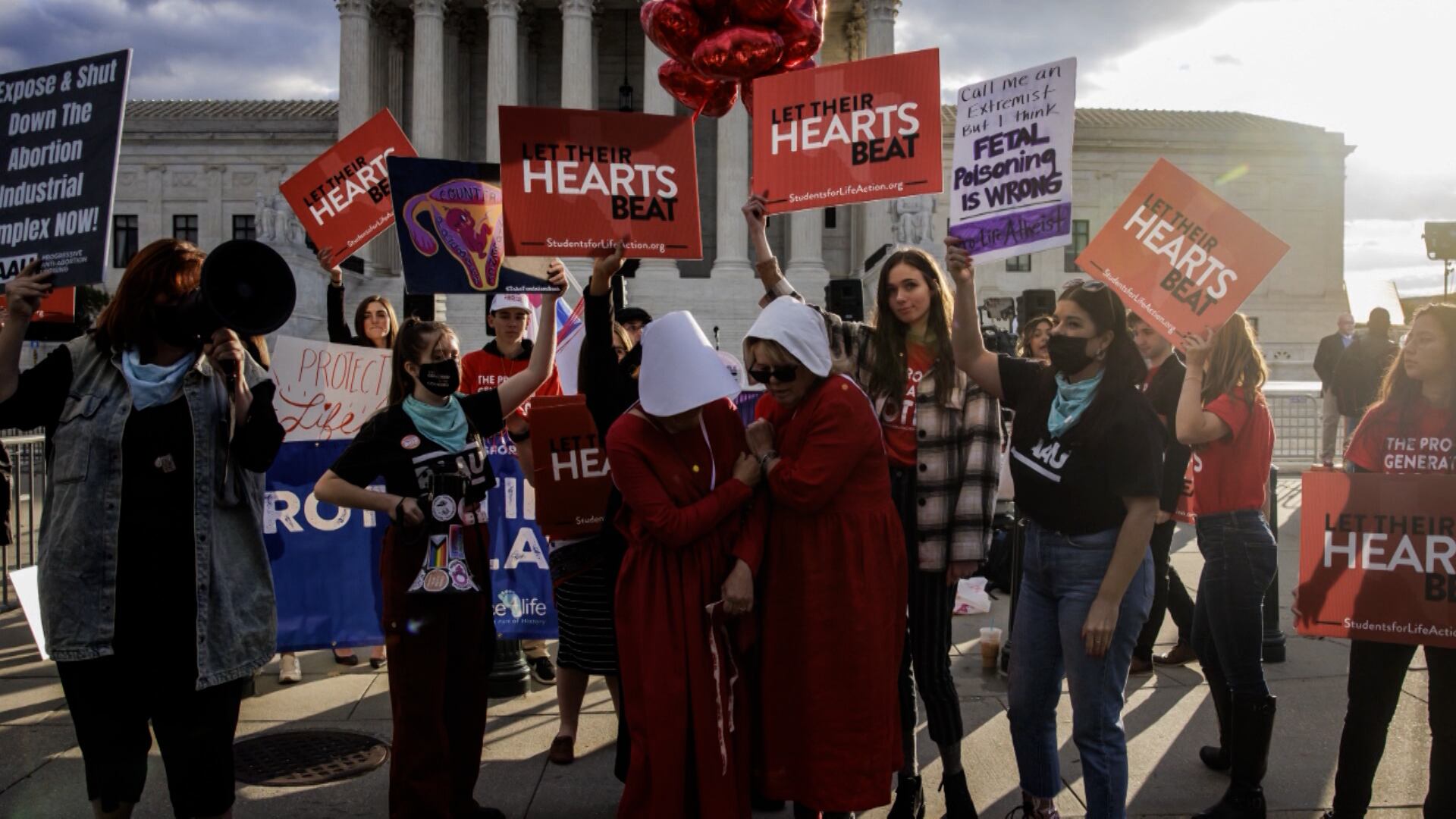
Following the Texas Supreme Court's decision to end further challenges against the latest abortion restrictions, Texas saw a 60 percent decrease in abortions performed in the state — with an exodus of patients seeking care in other parts of the country. President, and CEO of Planned Parenthood Federation of America, Alexis McGill Johnson, joined Cheddar News at South by Southwest 2022 to discuss the impact of the court's ruling on reproductive health care in the Lone Star State and beyond.
Damian Mason, farm owner, agricultural economist and author of "Food Fear" joined Cheddar News to talk about how the Russian invasion of Ukraine is putting pressure on commodities, which could lead to a 20 percent price hike according to the United Nations. “Russia and Ukraine are responsible for about 35 percent of exports, 35 percent of grain exports, specifically wheat,” said Mason. He also added, "You've got Russia saying, 'we're going to hoard and hold back our wheat,' which of course crimps global supply, and you've got Ukraine that maybe won't even get harvested."
In order to qualify for one of the coveted first retail licenses in New York's adult-use cannabis program, you'll have to have a conviction on cannabis-related charges or have an immediate family member who does. It's part of the latest effort by New York lawmakers to create a diverse and inclusive industry — but some advocates still have reservations. Amber Littlejohn, the executive director of the Minority Cannabis Business Association, joined Cheddar News' Closing Bell to discuss. "We definitely applaud the state of new york, but ultimately the devil will be in the details as to whether or not this actually works out to create equity in the cannabis industry," she said.