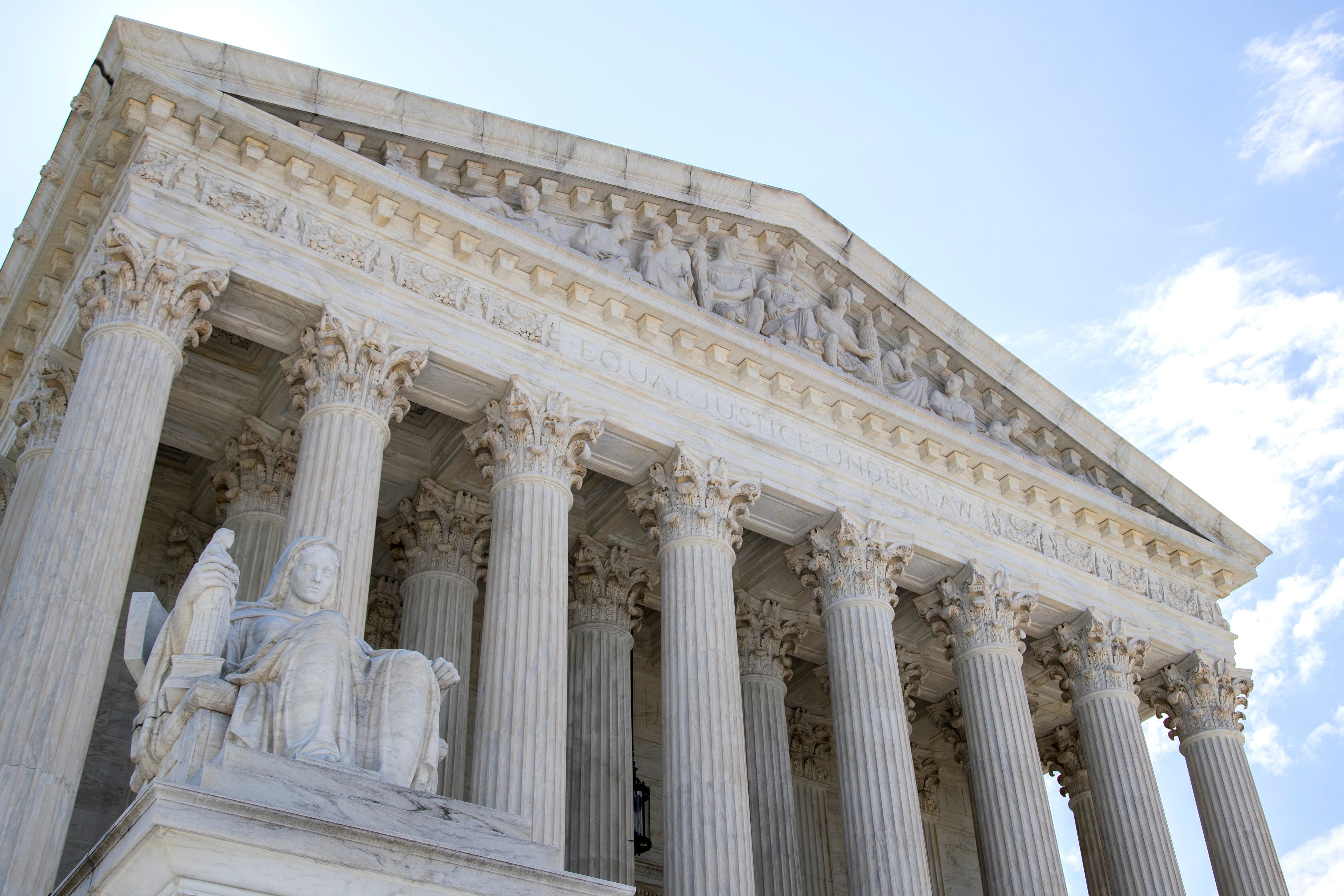
The U.S. Supreme Court is seen Tuesday, June 30, 2020 in Washington. (AP Photo/Manuel Balce Ceneta)
The Supreme Court on Monday upheld a 1991 law that bars robocalls to cellphones.
The case, argued by telephone in May because of the coronavirus pandemic, only arose after Congress in 2015 created an exception in the law that allowed the automated calls for collection of government debt.
Political consultants and pollsters were among those who asked the Supreme Court to strike down the entire 1991 law that bars them from making robocalls to cellphones as a violation of their free speech rights under the Constitution. The issue was whether, by allowing one kind of speech but not others, the exception made the whole law unconstitutional.
Six justices agreed that by allowing debt collection calls to cellphones Congress "impermissibly favored debt-collection speech over political and other speech, in violation of the First Amendment," Justice Brett Kavanaugh wrote. And seven justices agreed that the 2015 exception should be stricken from the law.
"Americans passionately disagree about many things. But they are largely united in their disdain for robocalls," Kavanaugh noted at the outset of his opinion.
During arguments in the case in May, Justice Stephen Breyer got cut off when someone tried calling him. Breyer said after he rejoined the court's arguments: "The telephone started to ring, and it cut me off the call and I don't think it was a robocall."
Sean O'Hara, President of Pacer ETF's, explains why investors who were down after Jerome Powell's remarks on inflation Monday were more optimistic on Tuesday as the major indexes ended the day near session highs.
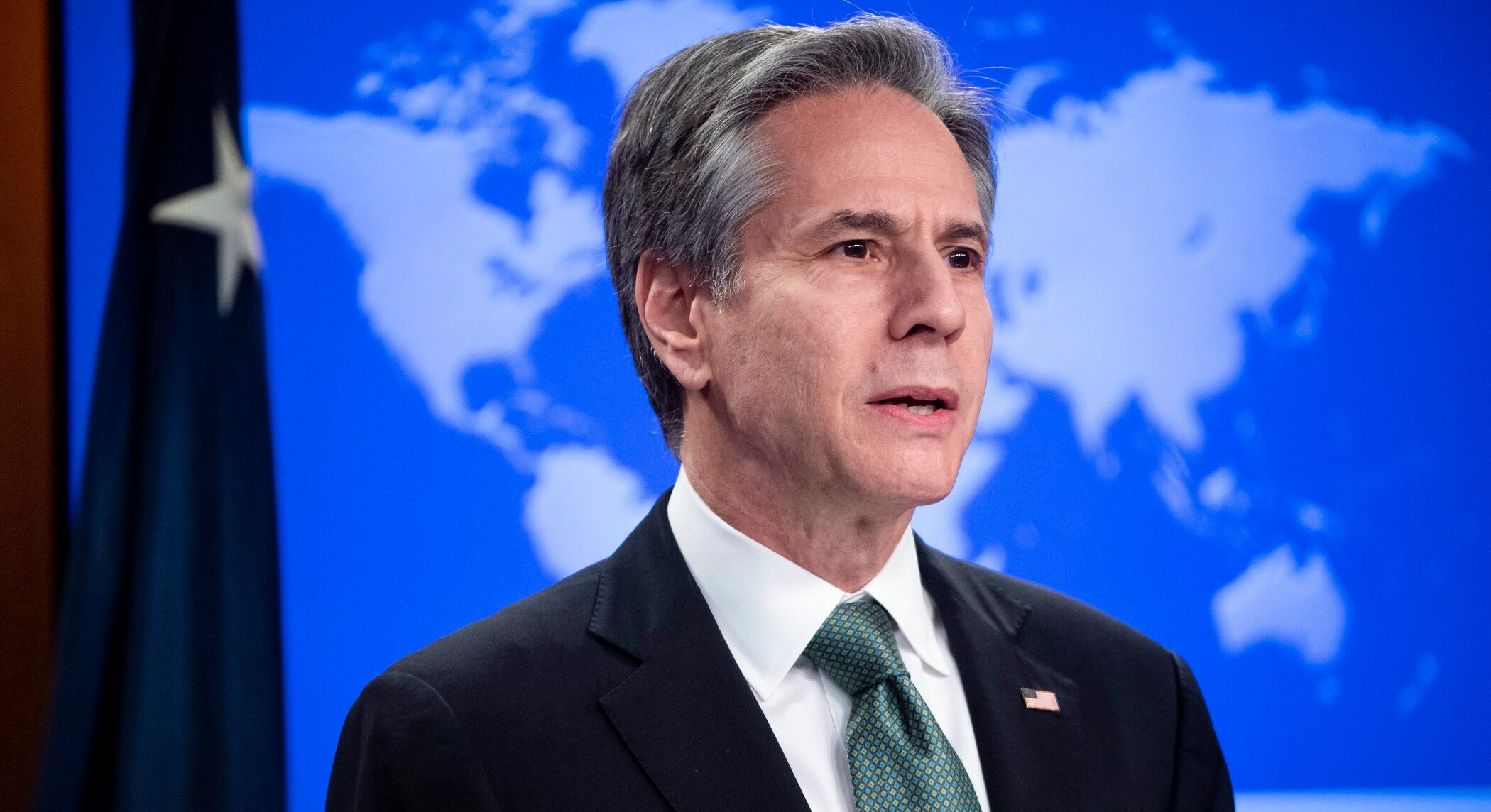
Secretary of State Antony Blinken says the Biden administration has made a formal determination that Russian troops have committed war crimes in Ukraine.
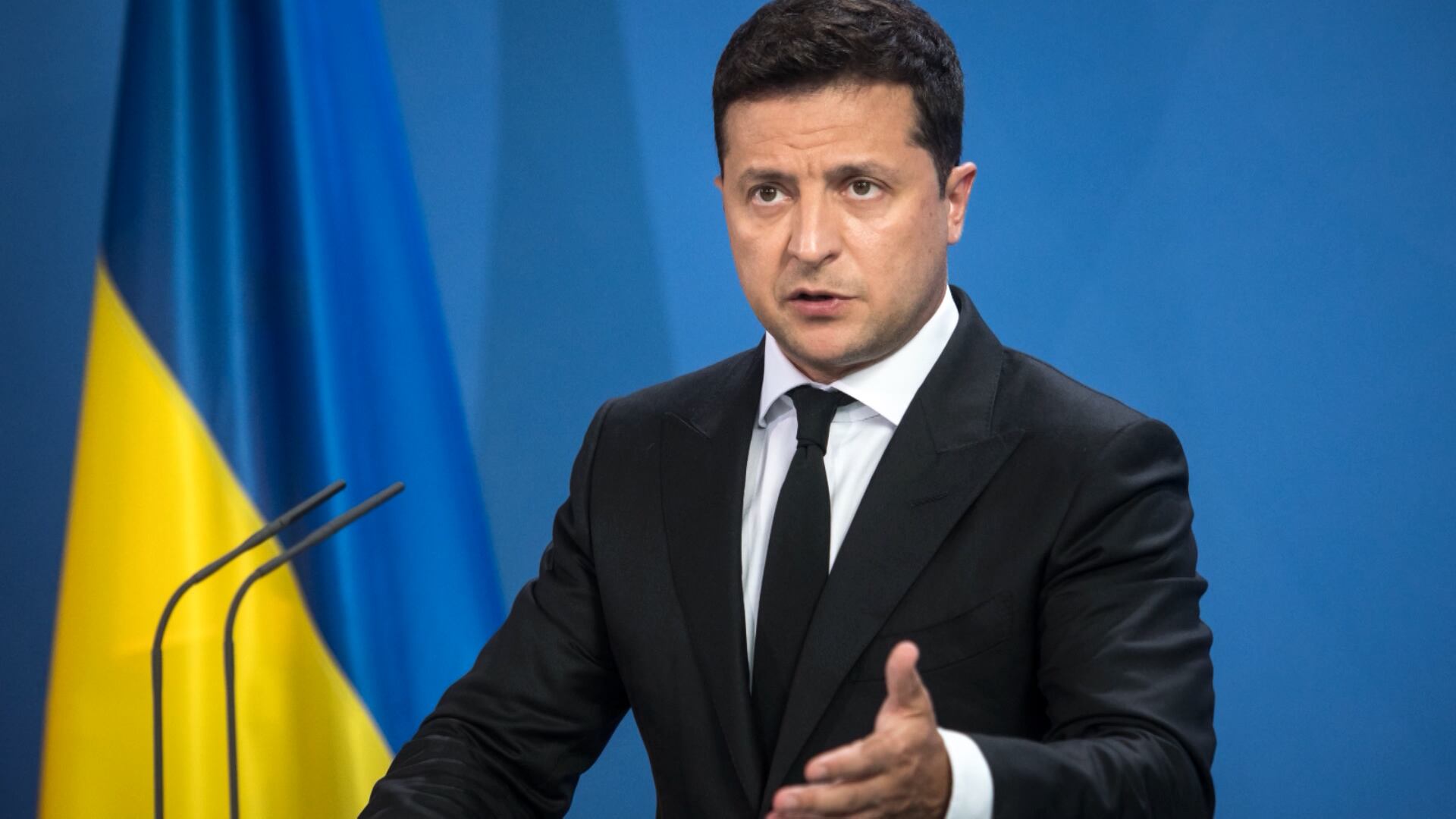
As the Russian invasion of Ukraine continues, Ukrainian President Volodymyr Zelenskyy has assumed the role of an unlikely hero. Donning his iconic green t-shirt, the Ukrainian Leader has been praised for his relatable look and unique war-time approach as support pours in for his country under attack. Melinda Haring, deputy director, Eurasia Center, Atlantic Council joined Cheddar's Opening Bell to discuss Zelenskyy's rise from comedian to a leader on the world stage.
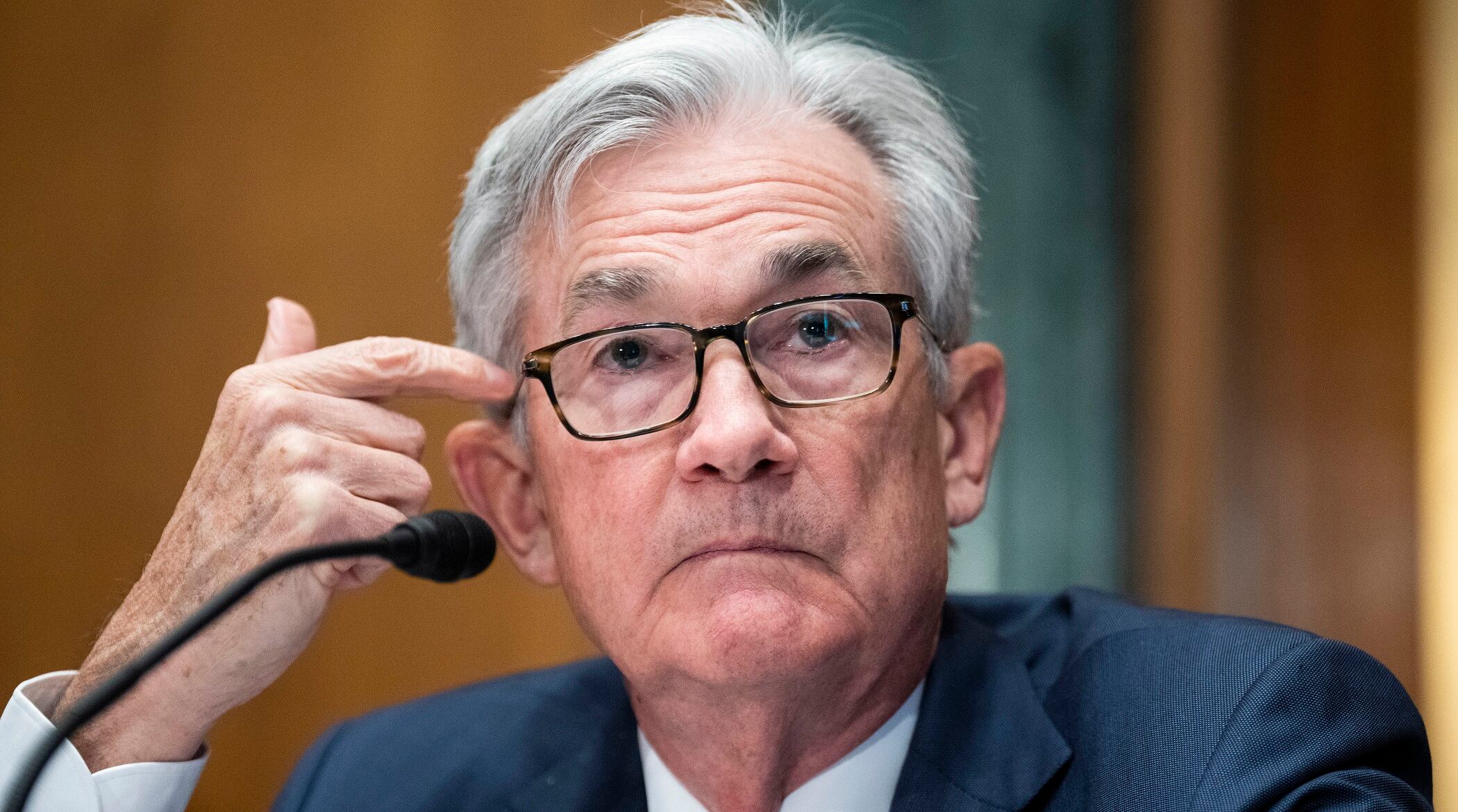
Federal Reserve Chair Jerome Powell went ahead and stirred the pot this week with a series of public talks signaling a firmer hand from the central bank going forward.
Turkish media reports say a second superyacht belonging to Chelsea soccer club owner and sanctioned Russian oligarch Roman Abramovich has docked in a resort in southwestern Turkey.
Catching you up on what you Need to Know on Mar 23, 2022, as NATO meets in Brussels to discuss Ukraine, mortgage rates rise, Justin Trudeau is set to lead Canada until 2025, tornadoes sweep through Louisiana, California may do away with SATs, and a Starbucks in Seattle unionizes.
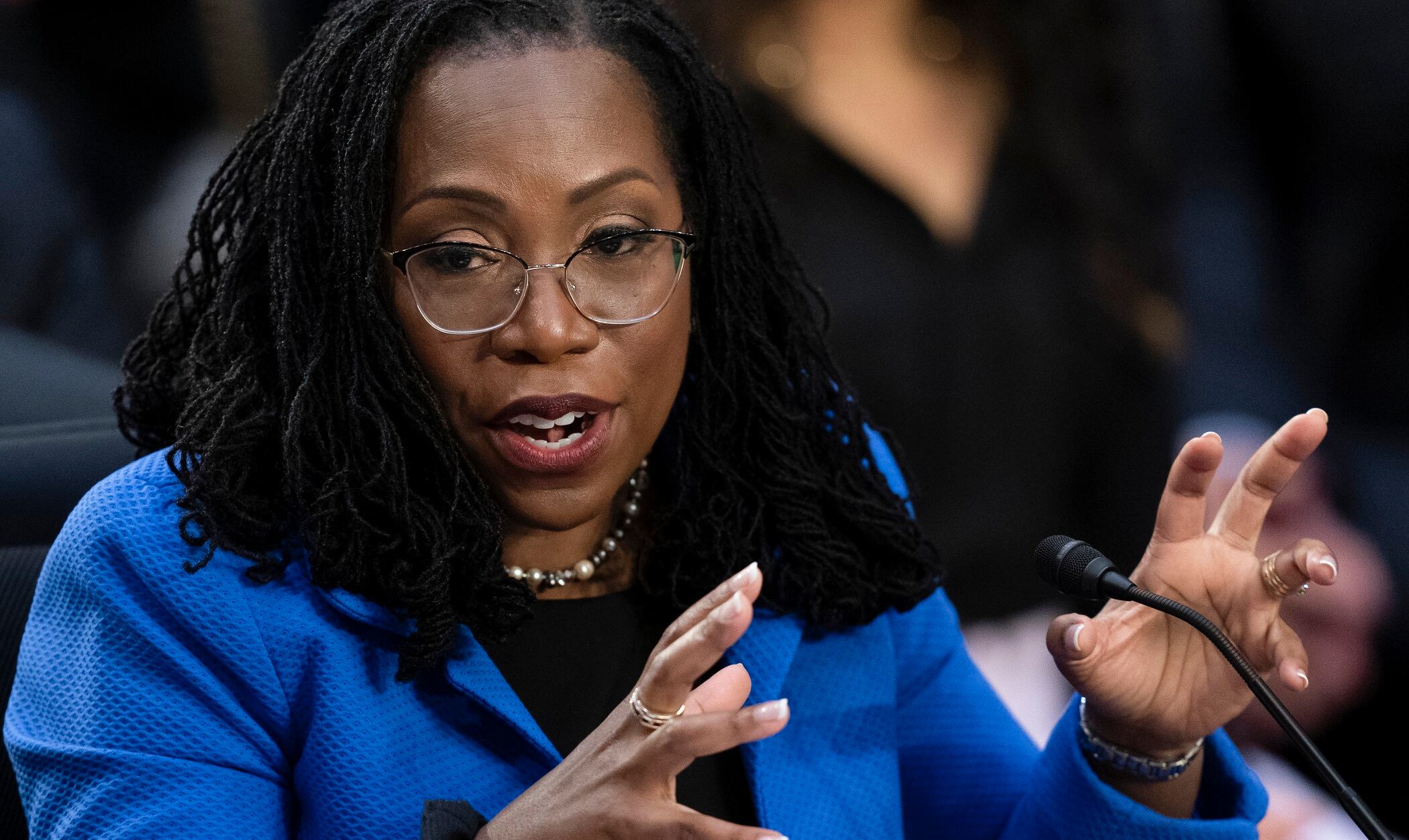
Supreme Court nominee Ketanji Brown Jackson is declaring at her confirmation hearing that she will rule “without any agendas” if approved as the high court’s first black female justice.
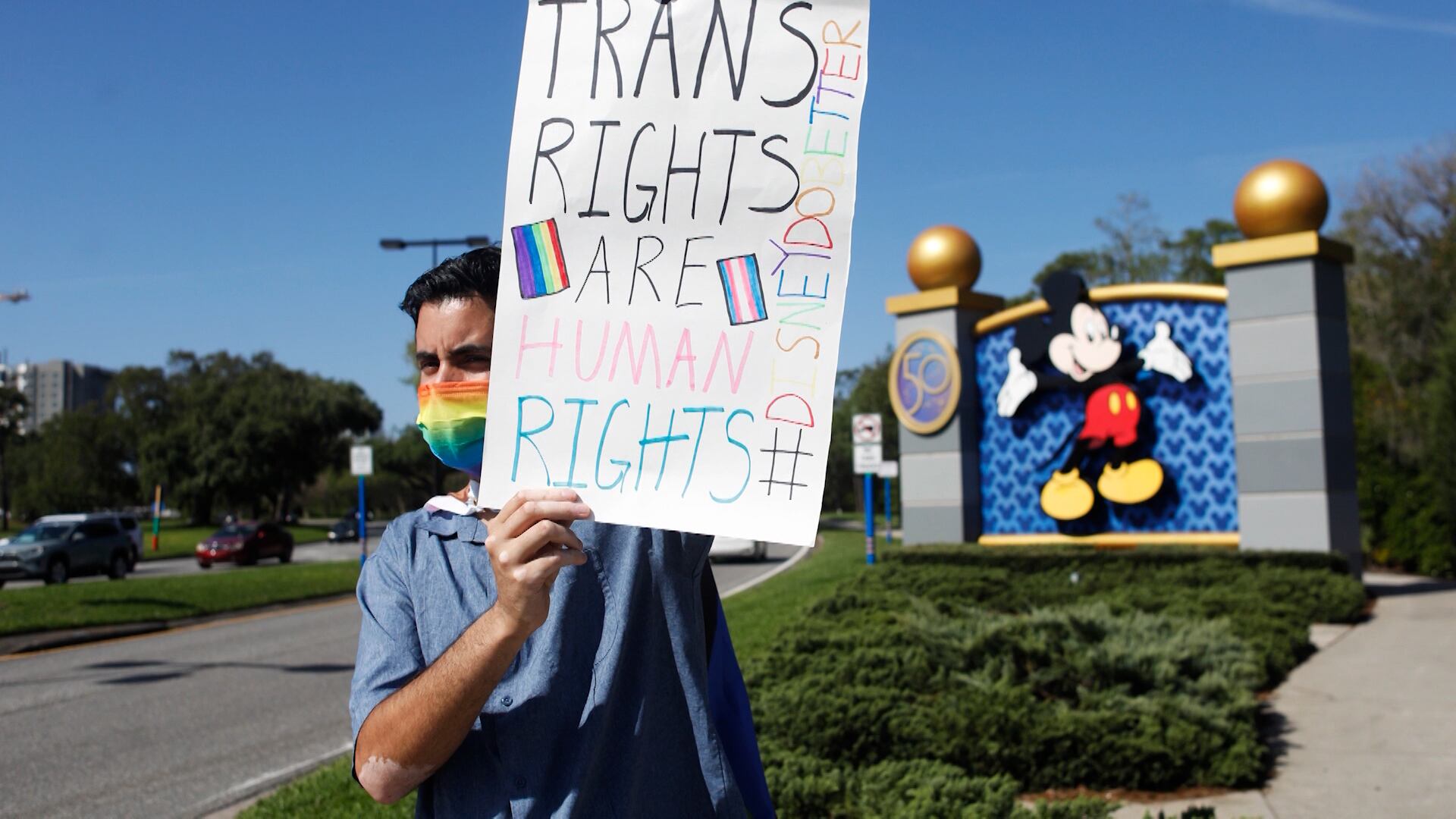
In response to the Florida ‘Don’t’ Say Gay Bill,’ Disney employees staged a companywide walkout after CEO Bob Chapek was late to condemn the legislation. Cheddar News speaks with Maxx Fenning, president at Florida LGBTQ+ advocacy group PRISM on the issue.