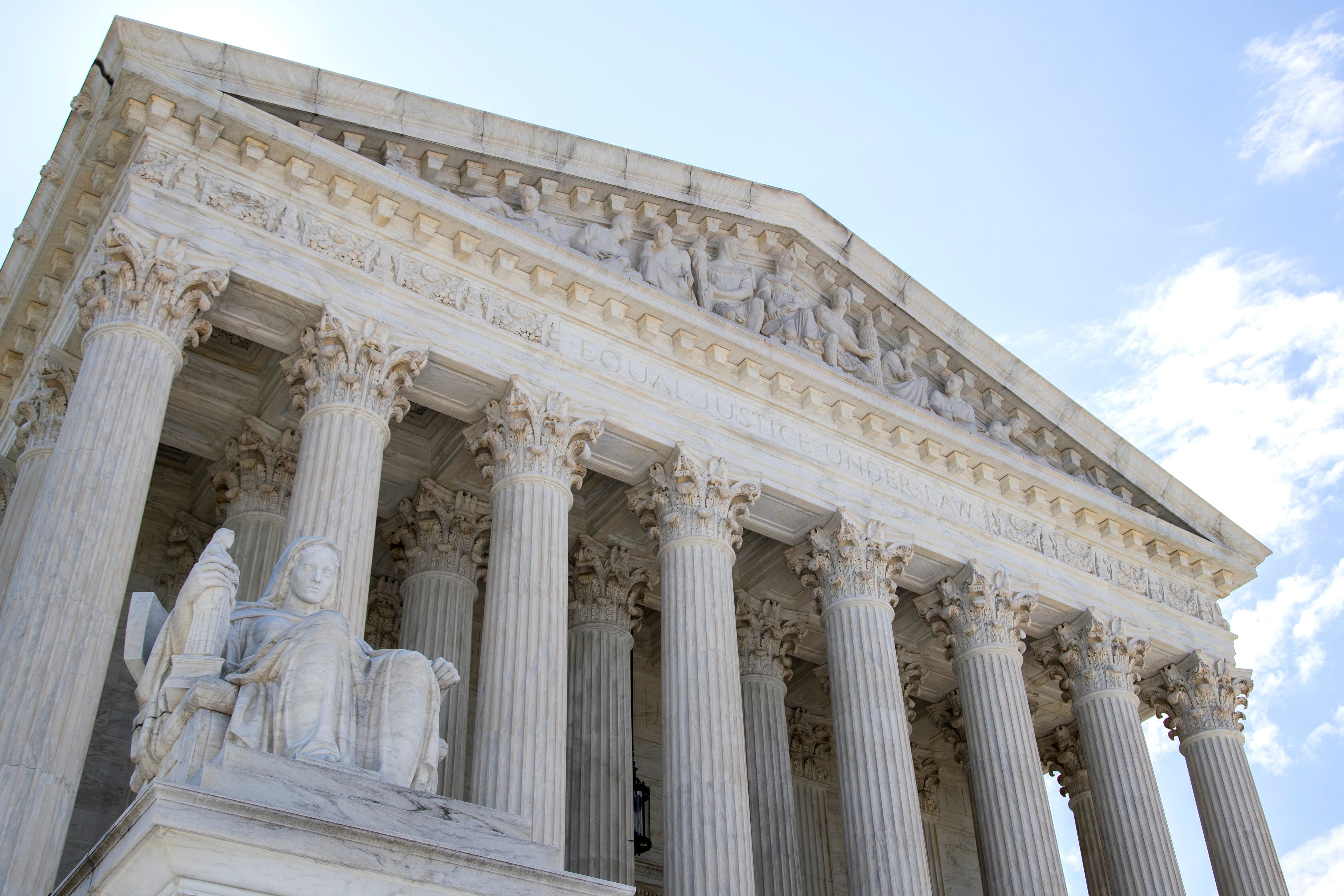
The U.S. Supreme Court is seen Tuesday, June 30, 2020 in Washington. (AP Photo/Manuel Balce Ceneta)
The Supreme Court on Monday upheld a 1991 law that bars robocalls to cellphones.
The case, argued by telephone in May because of the coronavirus pandemic, only arose after Congress in 2015 created an exception in the law that allowed the automated calls for collection of government debt.
Political consultants and pollsters were among those who asked the Supreme Court to strike down the entire 1991 law that bars them from making robocalls to cellphones as a violation of their free speech rights under the Constitution. The issue was whether, by allowing one kind of speech but not others, the exception made the whole law unconstitutional.
Six justices agreed that by allowing debt collection calls to cellphones Congress "impermissibly favored debt-collection speech over political and other speech, in violation of the First Amendment," Justice Brett Kavanaugh wrote. And seven justices agreed that the 2015 exception should be stricken from the law.
"Americans passionately disagree about many things. But they are largely united in their disdain for robocalls," Kavanaugh noted at the outset of his opinion.
During arguments in the case in May, Justice Stephen Breyer got cut off when someone tried calling him. Breyer said after he rejoined the court's arguments: "The telephone started to ring, and it cut me off the call and I don't think it was a robocall."
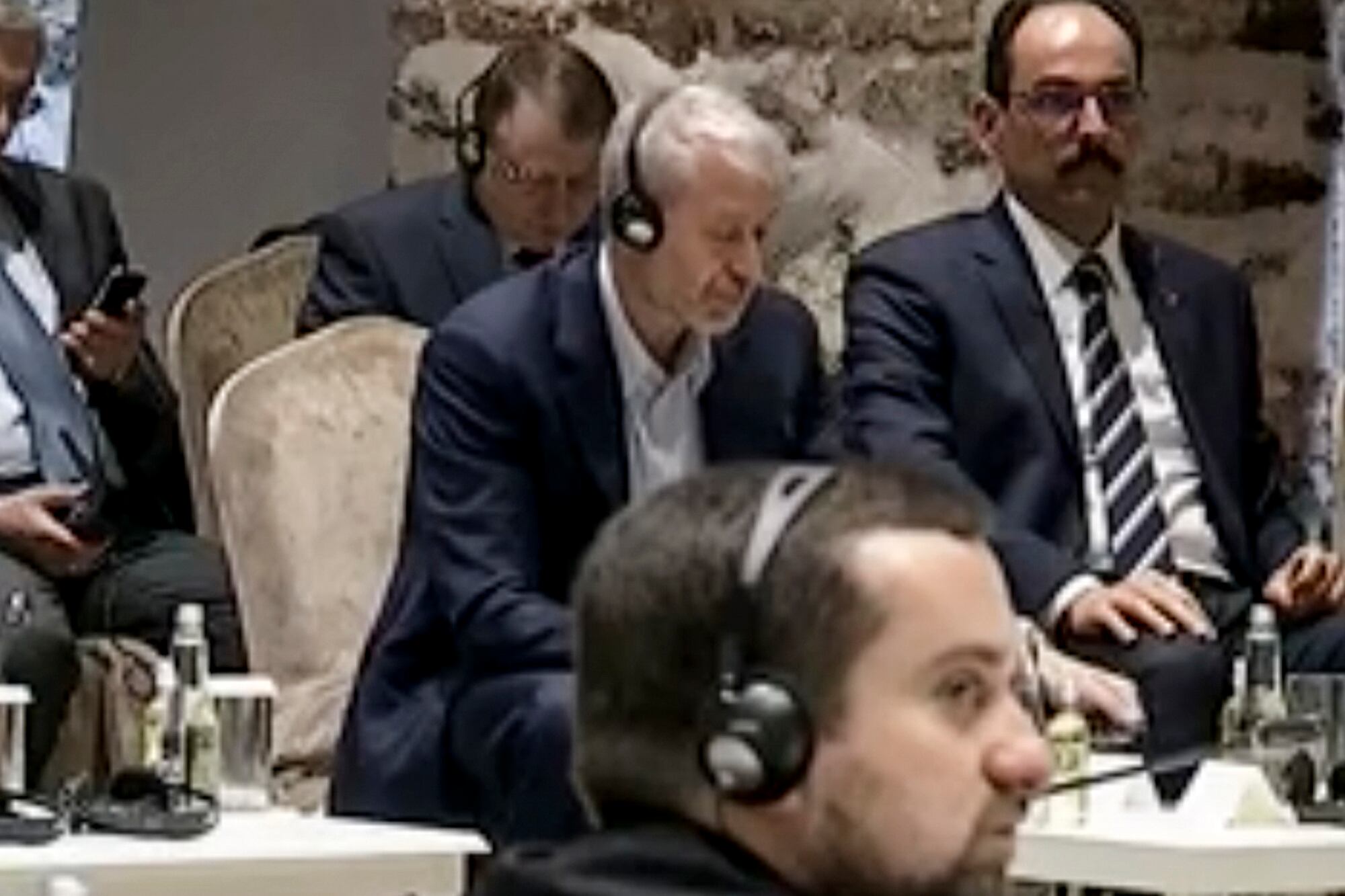
Sanctioned Russian billionaire Roman Abramovich has been seen on the sidelines of negotiations between Kyiv and Moscow aimed at bringing to an end the war in Ukraine.
Catching you up on what you Need to Know on Mar 29, 2022, with updates on the snow squall in Pennsylvania that caused a pileup killing three, the teacher's strike in Sacramento heading into week two, Walmart no longer selling tobacco products in select stores, and what meme stocks are up to this week.
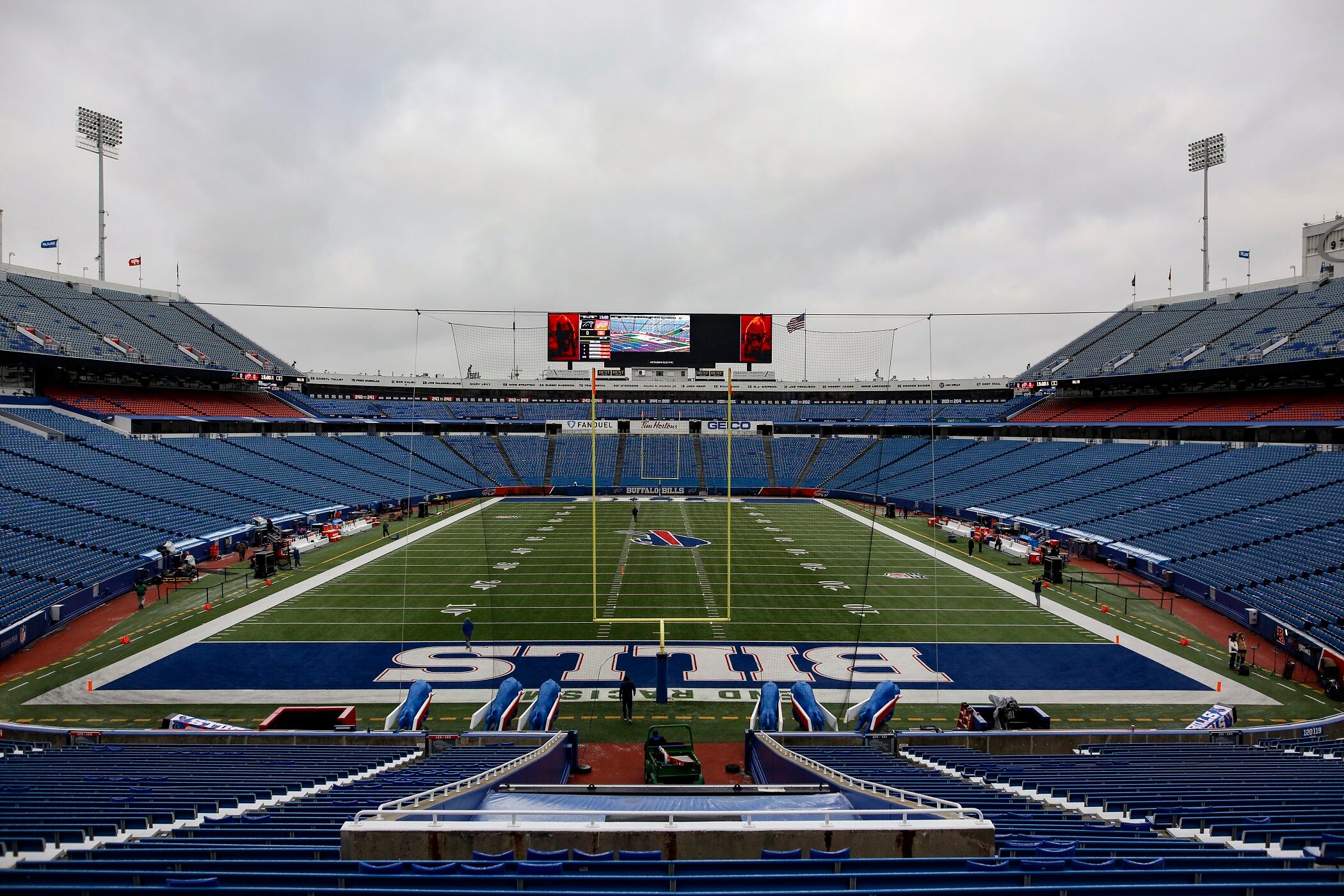
State and county taxpayers will be asked to commit a record $850 million in public funds toward construction of the Buffalo Bills’ new stadium as part of a 30-year lease agreement.
As the war enters its second month, Russia may be changing course on its strategy in Ukraine. After suffering heavy losses, forces around the capital city of Kyiv appear to have stopped offensive operations and are now shifting their focus to taking over the south and east of the country. Terrell Starr, a foreign affairs reporter at The Atlantic Council, breaks down the latest from Kyiv. "Logistically this war has been a disaster. They have far more troops than [the] Ukrainian army has. What they don't have is good planning. The planning has been incredibly poor," he said.
Catching you up on what you Need to Know on Mar 28, 2022, with peace talks resuming in Ukraine as early as today, Colorado wildfires causing evacuations, Shanghai, China, ramping up restrictions once again, the Oscars debacle between Will Smith and Chris Rock, and more.
Volatility continues to be the name of the game when it comes to crypto. Bitcoin, the most valuable digital token, saw a small jump today - one of several small rallies throughout the month of March. Caitlin Cook, vice president of crypto education company Onramp Academy, joins Cheddar News' Closing Bell to discuss.