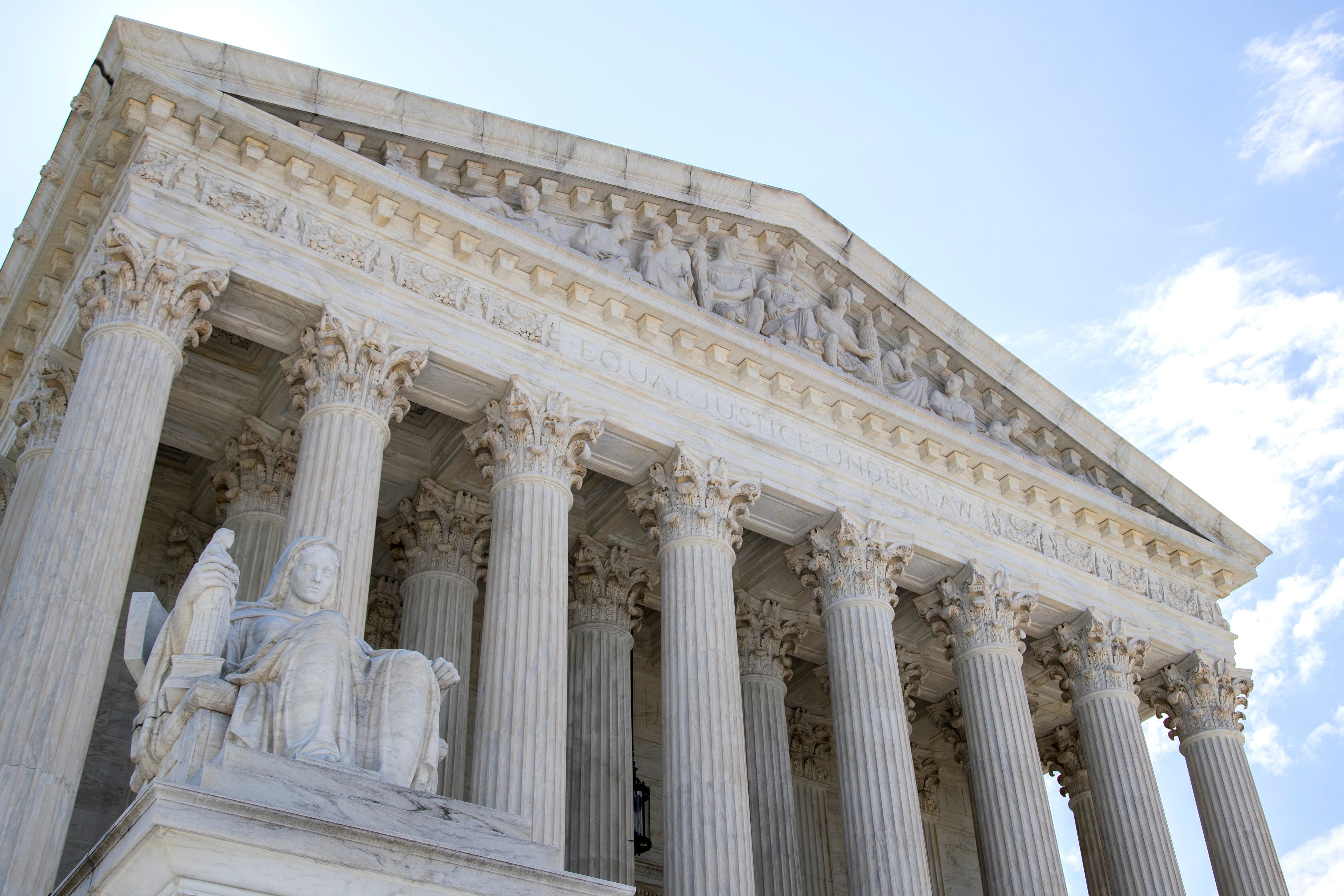
The U.S. Supreme Court is seen Tuesday, June 30, 2020 in Washington. (AP Photo/Manuel Balce Ceneta)
The Supreme Court on Monday upheld a 1991 law that bars robocalls to cellphones.
The case, argued by telephone in May because of the coronavirus pandemic, only arose after Congress in 2015 created an exception in the law that allowed the automated calls for collection of government debt.
Political consultants and pollsters were among those who asked the Supreme Court to strike down the entire 1991 law that bars them from making robocalls to cellphones as a violation of their free speech rights under the Constitution. The issue was whether, by allowing one kind of speech but not others, the exception made the whole law unconstitutional.
Six justices agreed that by allowing debt collection calls to cellphones Congress "impermissibly favored debt-collection speech over political and other speech, in violation of the First Amendment," Justice Brett Kavanaugh wrote. And seven justices agreed that the 2015 exception should be stricken from the law.
"Americans passionately disagree about many things. But they are largely united in their disdain for robocalls," Kavanaugh noted at the outset of his opinion.
During arguments in the case in May, Justice Stephen Breyer got cut off when someone tried calling him. Breyer said after he rejoined the court's arguments: "The telephone started to ring, and it cut me off the call and I don't think it was a robocall."
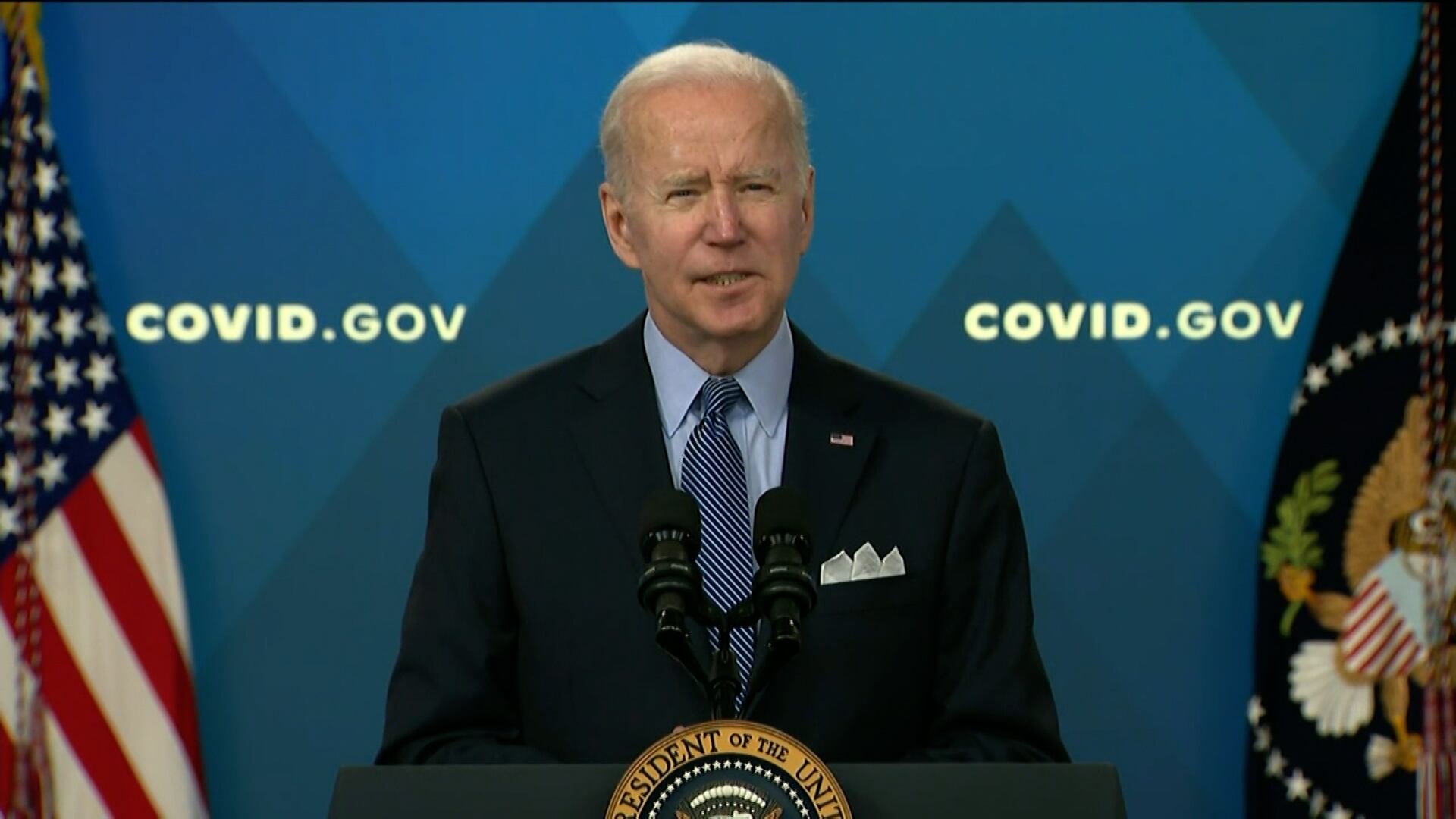
Catching you up with what you need to know on Apr 1, 2022, with Ukrainians hoping to flee the besieged city of Mariupol with a ceasefire is in place, President Biden orders the release of oil from U.S.reserves, LGBT activists suing Florida Governor Ron DeSantis over the "Don't Say Gay" Law, U.S. passports offering an "x" option for gender, and more.
America’s employers extended a streak of robust hiring in March, adding 431,000 jobs in a sign of the economy’s resilience in the face of a still-destructive pandemic and the highest inflation in 40 years.
Progress for the LGBTQ community was made last week when Andi Mudryk, a long-time disability advocate, became the first openly transgender person appointed to the bench in California. Chris Johnson, White House reporter for the Washington Blade, joins Cheddar News to discuss.
President Biden proposed a new billionaire’s tax, that would subject the richest Americans to a minimum tax rate of 20 percent. The White House says billionaires pay an average tax rate of just eight percent, much lower than the national average of 22 percent. Cheddar News speaks with ProPublica’s Paul Kiel who explains how the regulation would work.
The most popular and most valuable cryptocurrency is also the least eco-friendly - data shows that Bitcoin mining generates the same amount of carbon emissions as the entire country of Thailand. According to nonprofit Fair Planet, 96 million tons of carbon dioxide emissions come from Bitcoin mining every year. Now, a consortium of climate activist groups is calling on the Bitcoin industry to cut its energy use by making changes to its software code. Michael Brune, former executive director of the Sierra Club, joins Cheddar News' Closing Bell to discuss.
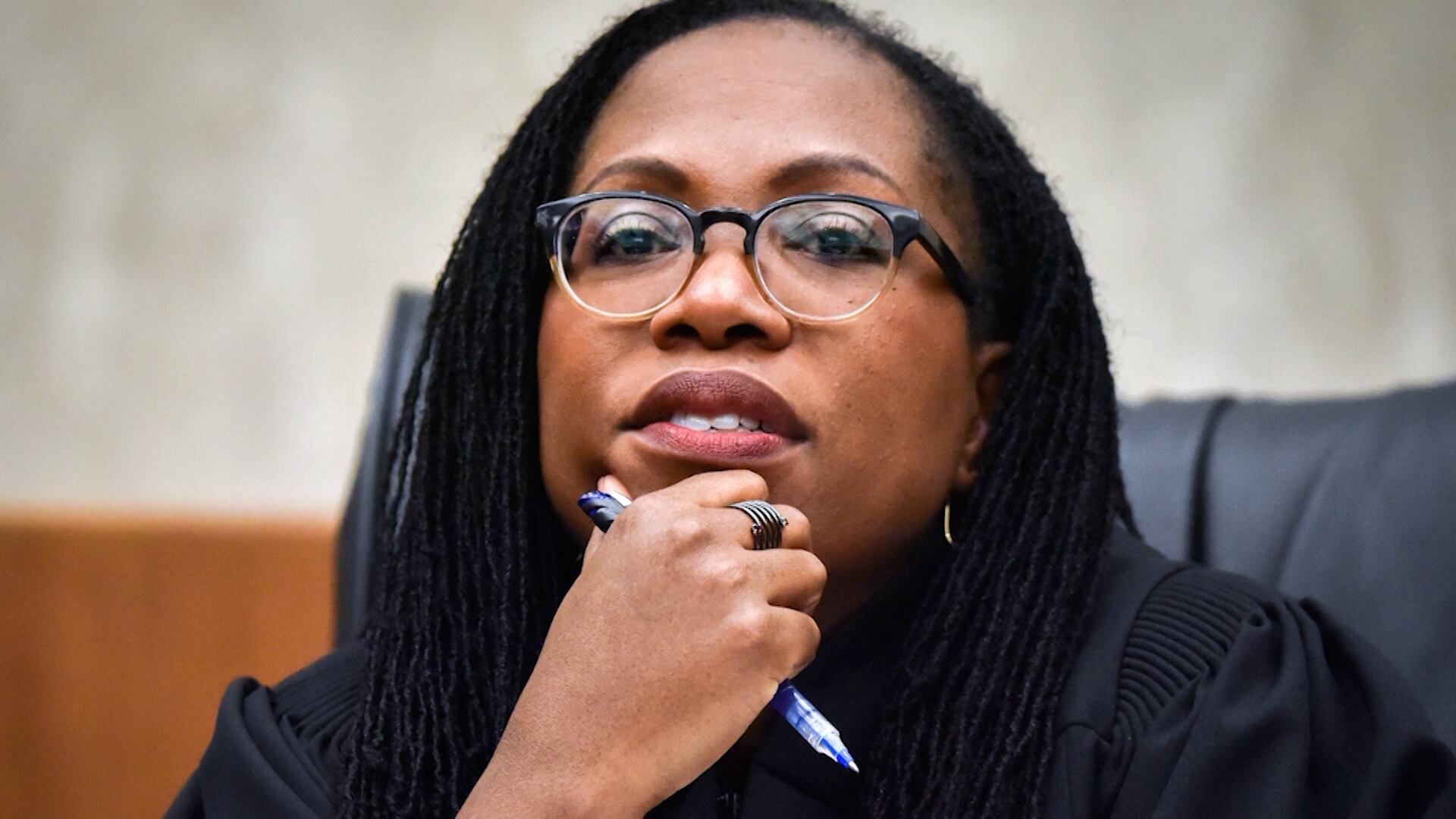
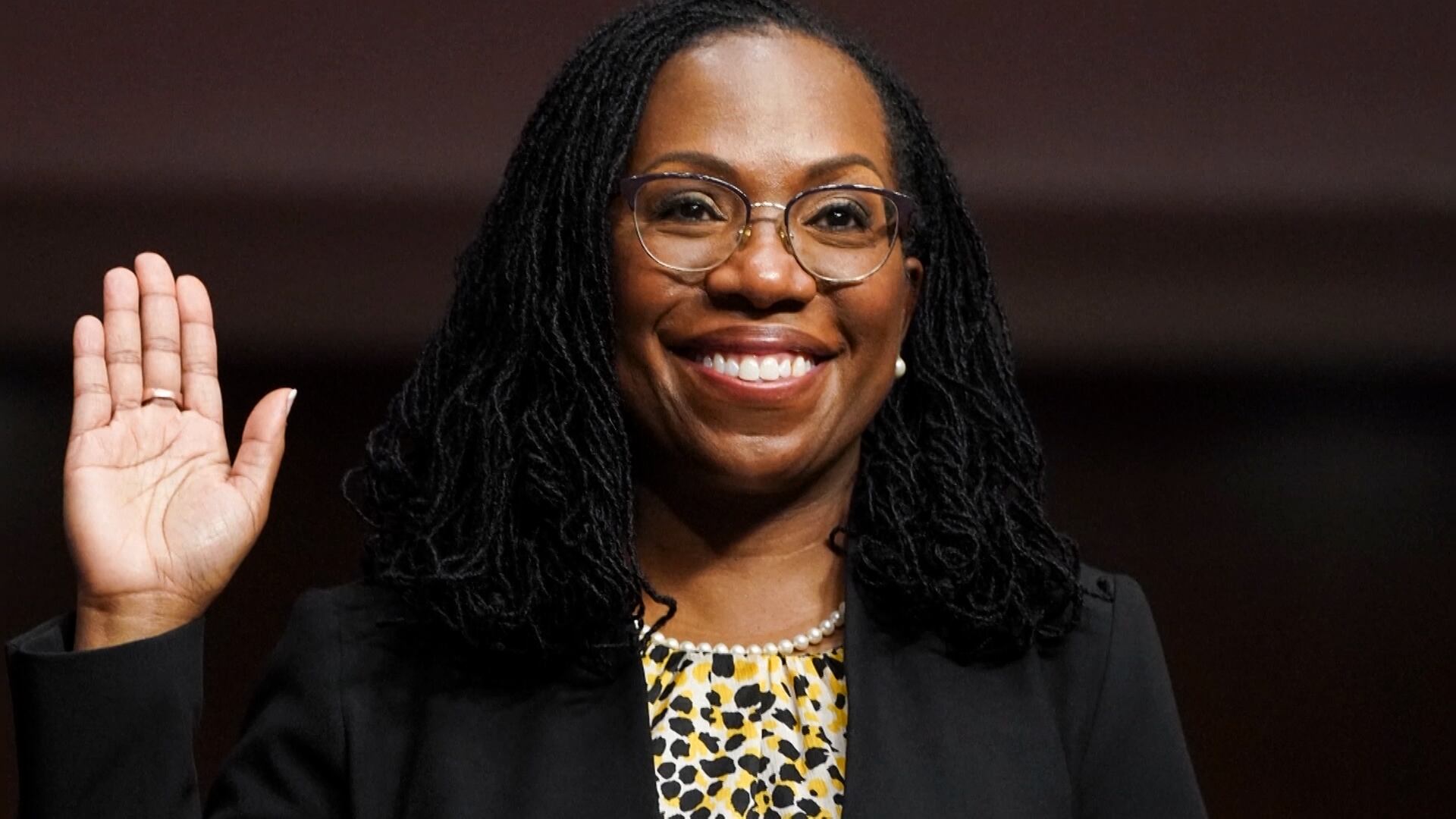
Imani Gandy, senior editor for law and policy at Rewire News Group, and co-host of the podcast Boom! Lawyered, joins Cheddar Politics to discuss Ketanji Brown Jackson's upcoming confirmation hearings, and the politics surrounding several Republican attack lines against her in the lead-up.
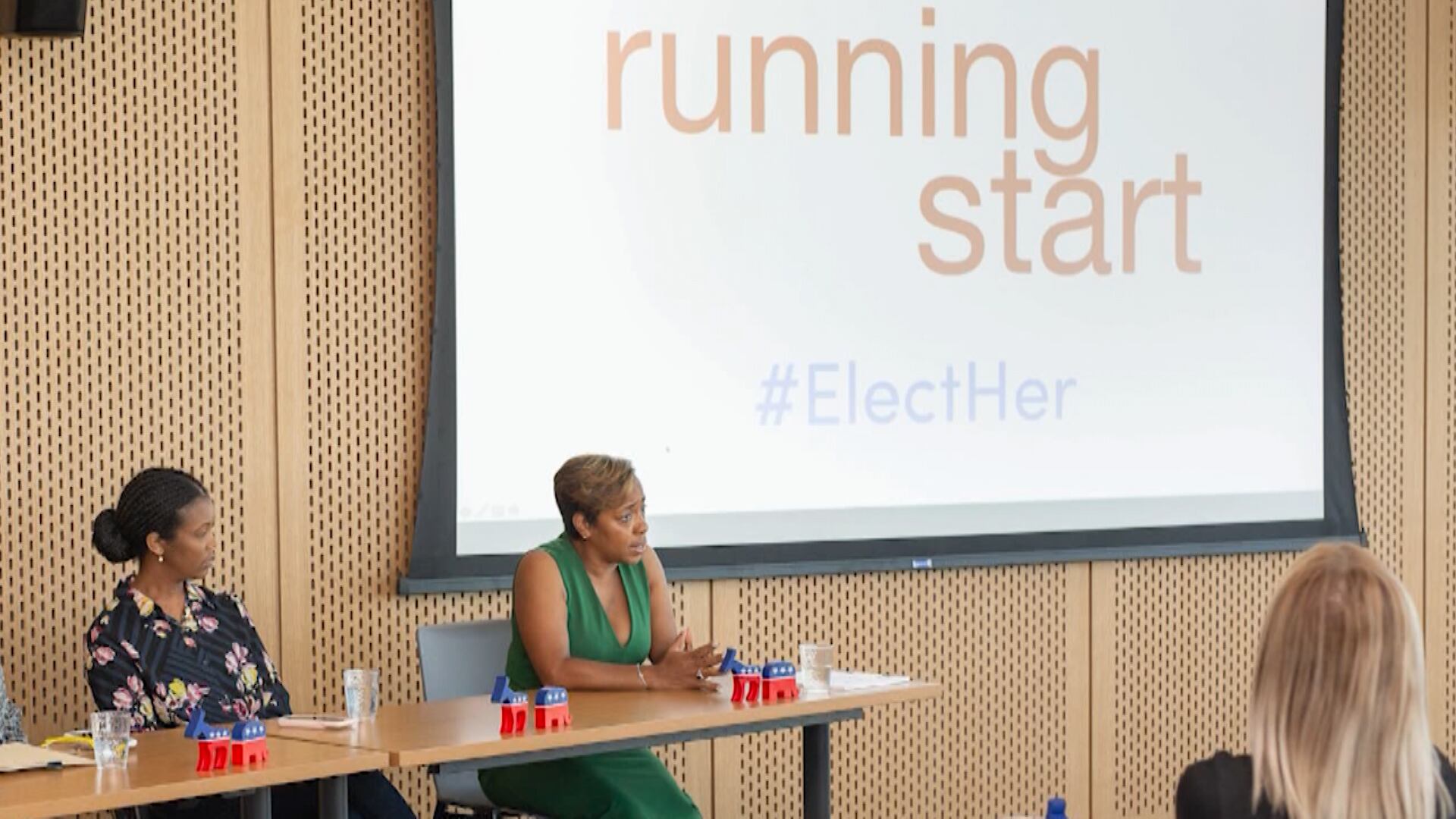
Susannah Wellford, founder and CEO of Running Start, joins Cheddar News to discuss getting more women involved in politics. Running Start helps provide women and girls the tools they need to get involved in politics, and to see a future where they can become political leaders.
Congressional candidate Melanie D'Arrigo came on Cheddar Politics to talk about her campaign for the Democratic nomination in New York's Third Congressional district. The progressive activist ran in the 2020 primary against incumbent Democratic Rep. Tom Suozzi. The seat is open this time, as Suozzi seeks the New York Governorship.
Reecie Colbert, founder of Black Women Views Media, breaks down the roles of race and partisanship in the Senate hearings for Supreme Court Nominee Judge Ketanji Brown Jackson. She also discusses the importance of standing up for Black women in the public sphere.