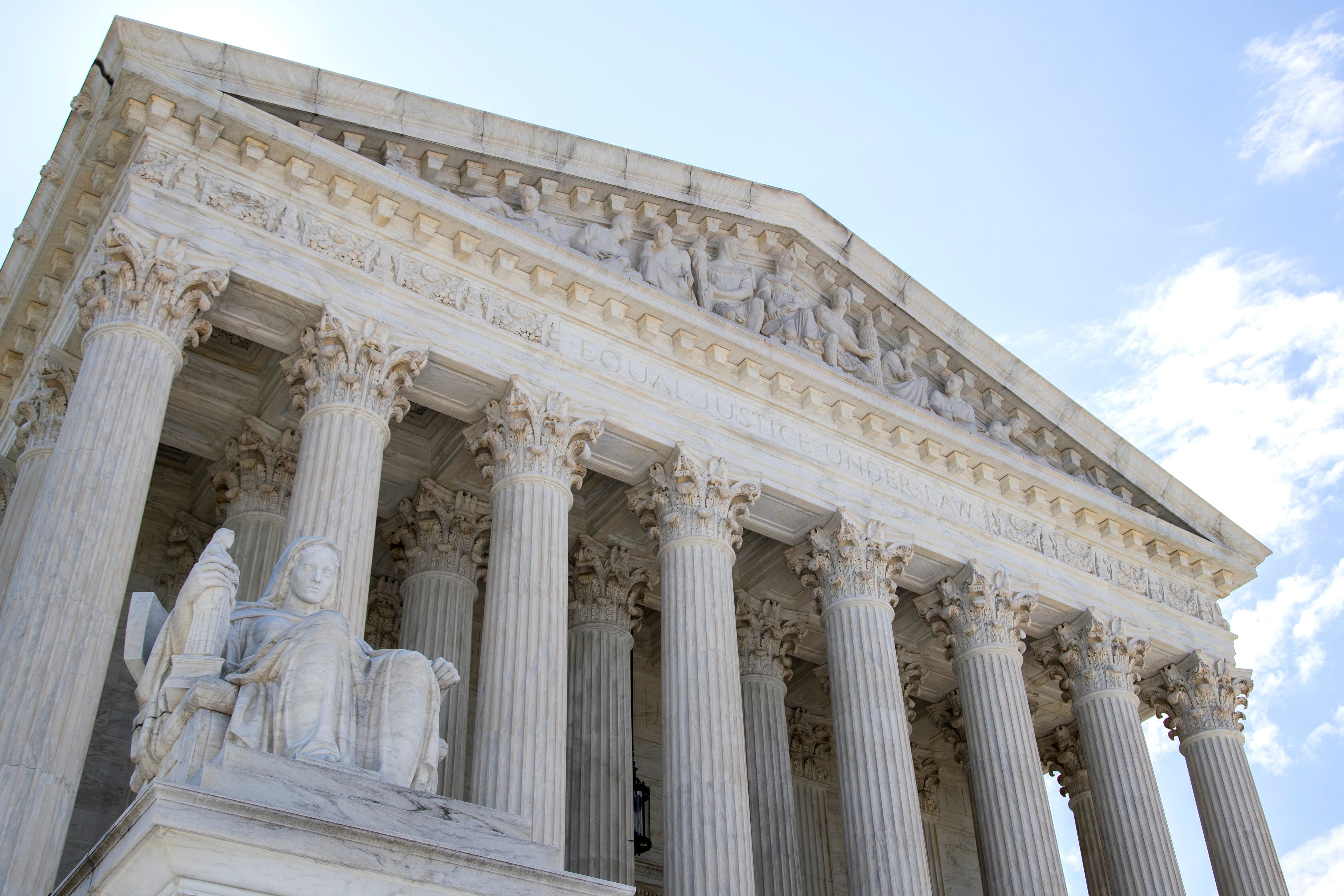
The U.S. Supreme Court is seen Tuesday, June 30, 2020 in Washington. (AP Photo/Manuel Balce Ceneta)
The Supreme Court on Monday upheld a 1991 law that bars robocalls to cellphones.
The case, argued by telephone in May because of the coronavirus pandemic, only arose after Congress in 2015 created an exception in the law that allowed the automated calls for collection of government debt.
Political consultants and pollsters were among those who asked the Supreme Court to strike down the entire 1991 law that bars them from making robocalls to cellphones as a violation of their free speech rights under the Constitution. The issue was whether, by allowing one kind of speech but not others, the exception made the whole law unconstitutional.
Six justices agreed that by allowing debt collection calls to cellphones Congress "impermissibly favored debt-collection speech over political and other speech, in violation of the First Amendment," Justice Brett Kavanaugh wrote. And seven justices agreed that the 2015 exception should be stricken from the law.
"Americans passionately disagree about many things. But they are largely united in their disdain for robocalls," Kavanaugh noted at the outset of his opinion.
During arguments in the case in May, Justice Stephen Breyer got cut off when someone tried calling him. Breyer said after he rejoined the court's arguments: "The telephone started to ring, and it cut me off the call and I don't think it was a robocall."
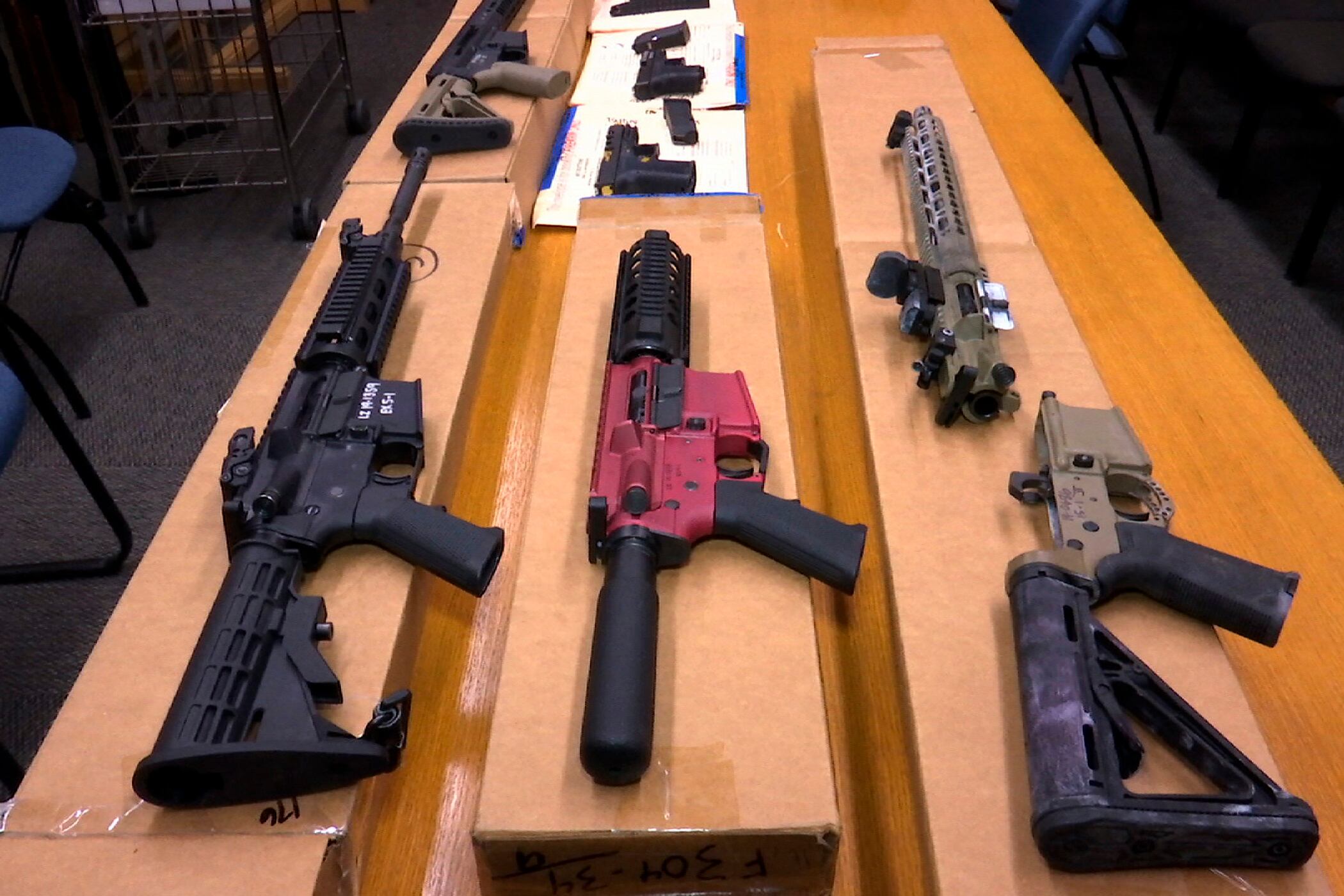
Rukmani Bhatia, Senior Federal Affairs Manager at Giffords, joined Cheddar News' Closing Bell to discuss the importance of regulating ghost guns as a way to curb U.S. gun violence, which kills more than 40,000 Americans every year.
Gary Schlossberg, Global Strategist at Wells Fargo Investment Institute, joined Cheddar News' Closing Bell to discuss the dire situation caused by Russia's war on Ukraine, as the region is key for exporting grains and corn, and as the UN Food & Agriculture Organization says food prices rose to the highest levels ever in March.
Christine McDaniel, Senior Research Fellow at the Mercatus Center, joined Cheddar News' Closing Bell to break down the long list of sanctions that the U.S. has levied against Russia since its invasion of Ukraine, and the impact - or lack thereof - they are having on Russia.
President Joe Biden is taking fresh aim at “ghost guns" and also announced the nomination of Steve Dettlebach, who served as a U.S. attorney in Ohio from 2009 to 2016, to run the ATF.
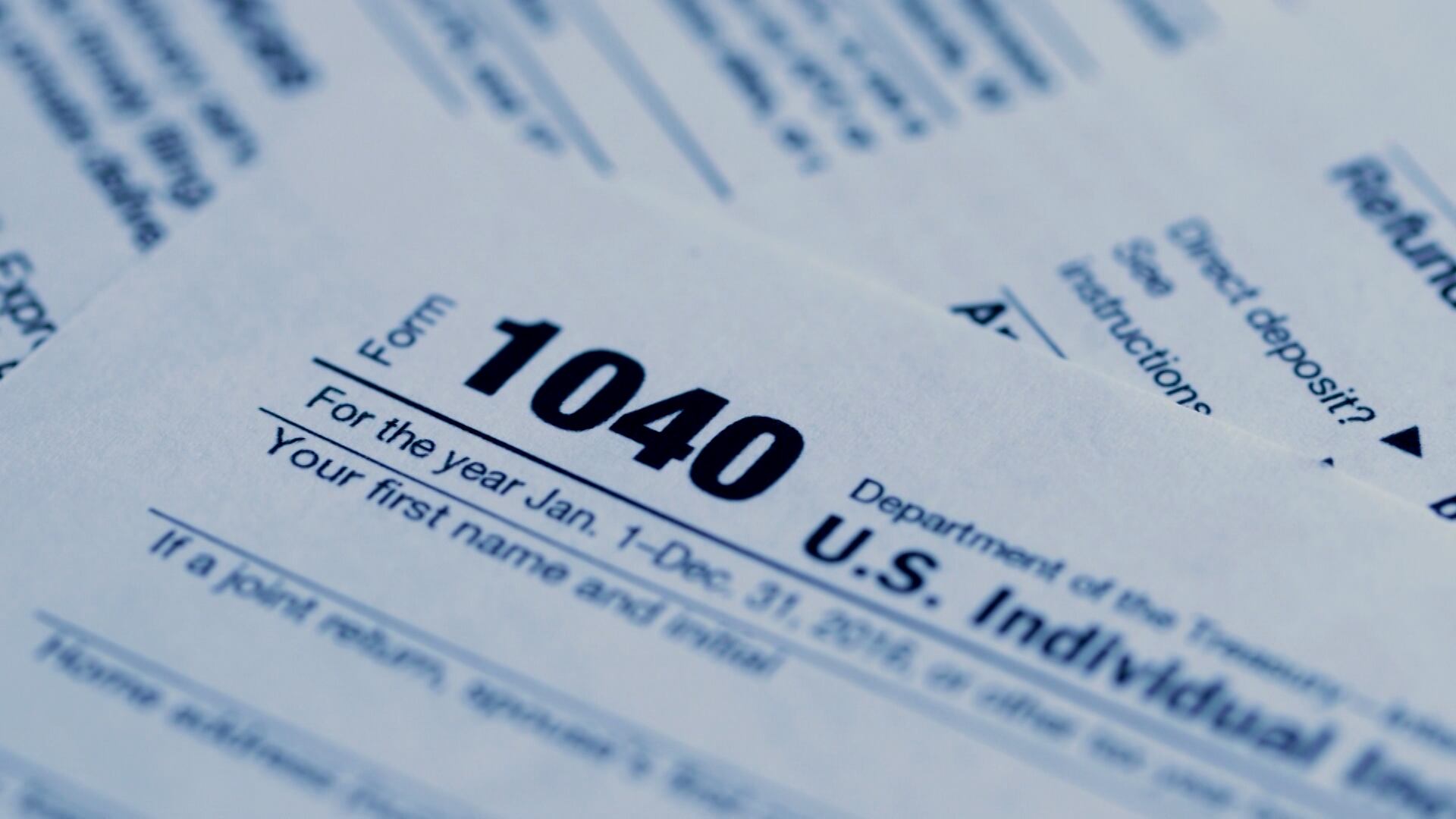
Stefanie O'Connell Rodriguez joined Cheddar's Opening Bell to discuss her newest mini-series on REAL SIMPLE's Money Confidential podcast, called 'Taxes in 10.'
As the Russian invasion of Ukraine continues, social media giant Meta said that it's using its technology to help the beleaguered nation Erin Egan, chief privacy officer, and Andrew Schroeder, vice president of research and analysis for direct relief, joined Cheddar News to discuss using data towards humanitarian relief. "Our goal with the program is to help organizations on the ground by sharing privacy-protected data sets to enable them to respond to crisis," Egan explained.
Catching you up on what you need to know on April 11, 2022, with updates on the Russia-Ukraine War, France’s presidential election, the record deforestation of the Amazon Rainforest, retail giant Amazon's objection to the Staten Island union vote, the worsening baby formula shortage, a lawsuit against Rutgers Law School, and a stomach illness possibly linked to Lucky Charms cereal.
Between Bells executive producer Conor White recaps some of the biggest stories of the week, and teaches Baker Machado and Hena Doba a thing or two at the same time. It's This Week In Trivia!