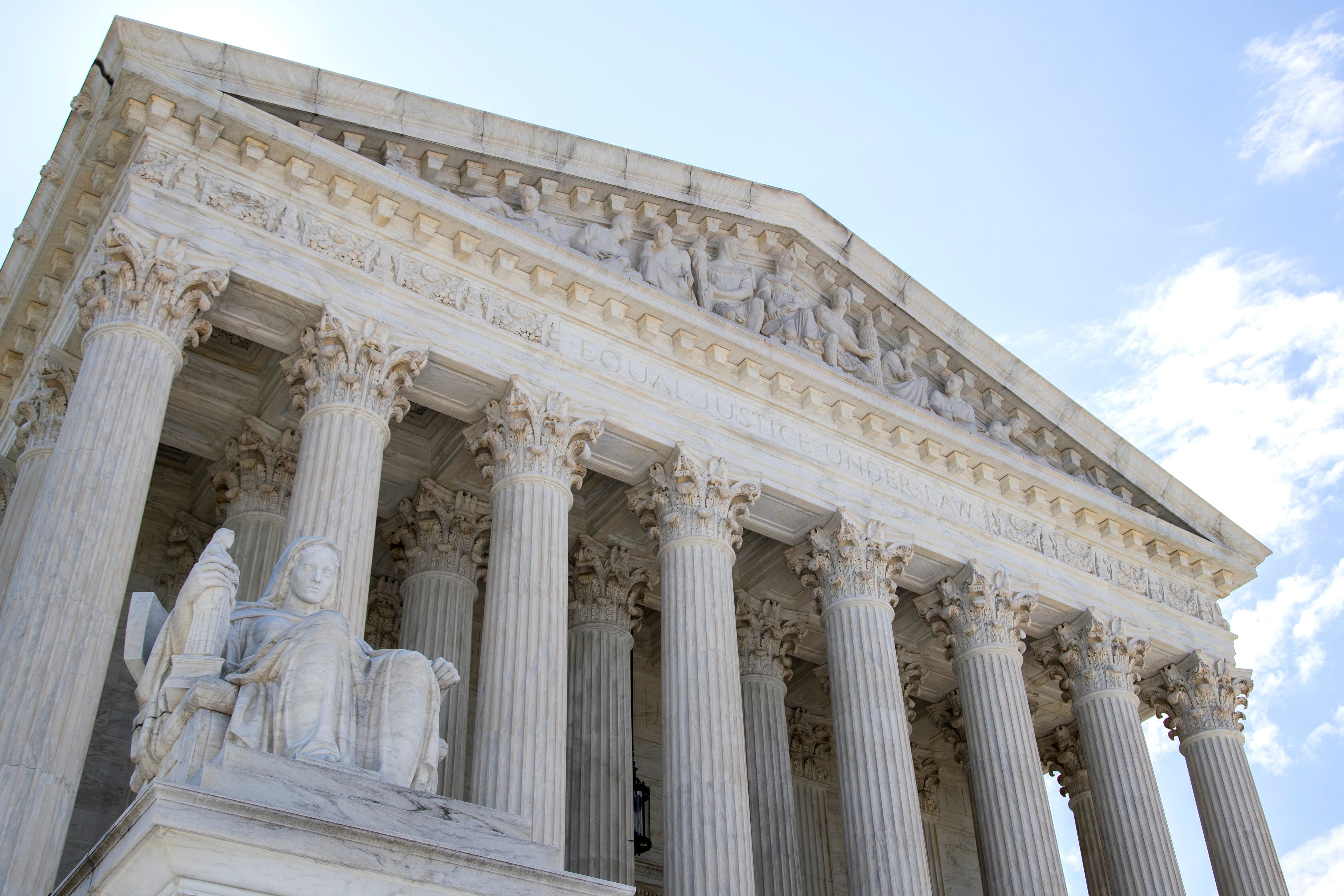
The U.S. Supreme Court is seen Tuesday, June 30, 2020 in Washington. (AP Photo/Manuel Balce Ceneta)
The Supreme Court on Monday upheld a 1991 law that bars robocalls to cellphones.
The case, argued by telephone in May because of the coronavirus pandemic, only arose after Congress in 2015 created an exception in the law that allowed the automated calls for collection of government debt.
Political consultants and pollsters were among those who asked the Supreme Court to strike down the entire 1991 law that bars them from making robocalls to cellphones as a violation of their free speech rights under the Constitution. The issue was whether, by allowing one kind of speech but not others, the exception made the whole law unconstitutional.
Six justices agreed that by allowing debt collection calls to cellphones Congress "impermissibly favored debt-collection speech over political and other speech, in violation of the First Amendment," Justice Brett Kavanaugh wrote. And seven justices agreed that the 2015 exception should be stricken from the law.
"Americans passionately disagree about many things. But they are largely united in their disdain for robocalls," Kavanaugh noted at the outset of his opinion.
During arguments in the case in May, Justice Stephen Breyer got cut off when someone tried calling him. Breyer said after he rejoined the court's arguments: "The telephone started to ring, and it cut me off the call and I don't think it was a robocall."
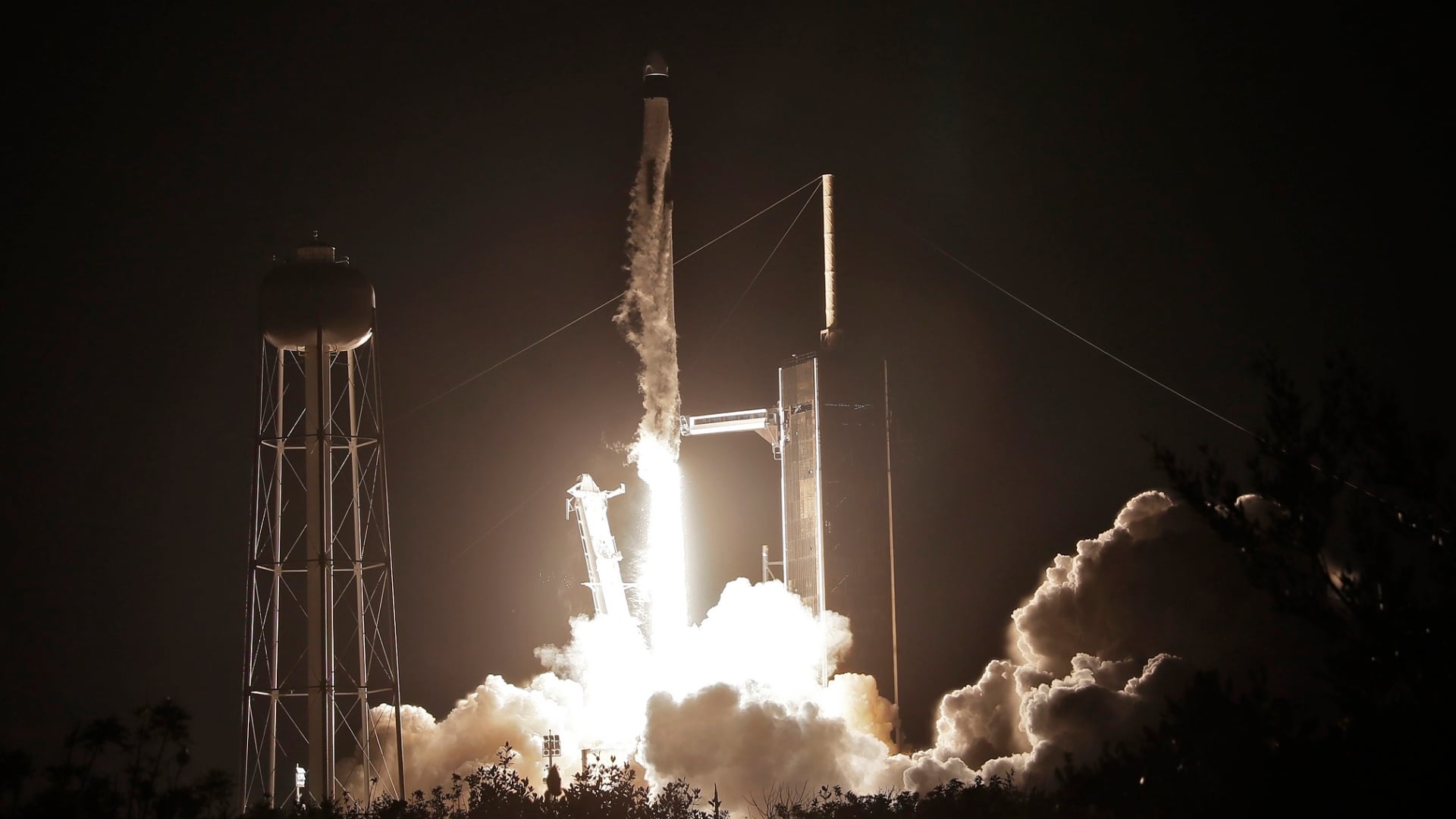
Catching you up on what you need to know on April 27, 2022, with Tesla stocks absorbing an initial hit following Elon Musk's purchase of Twitter, Russia pausing its natural gas supplies to Poland and Bulgaria, NASA's SpaceX Crew-4 mission taking off, and more.
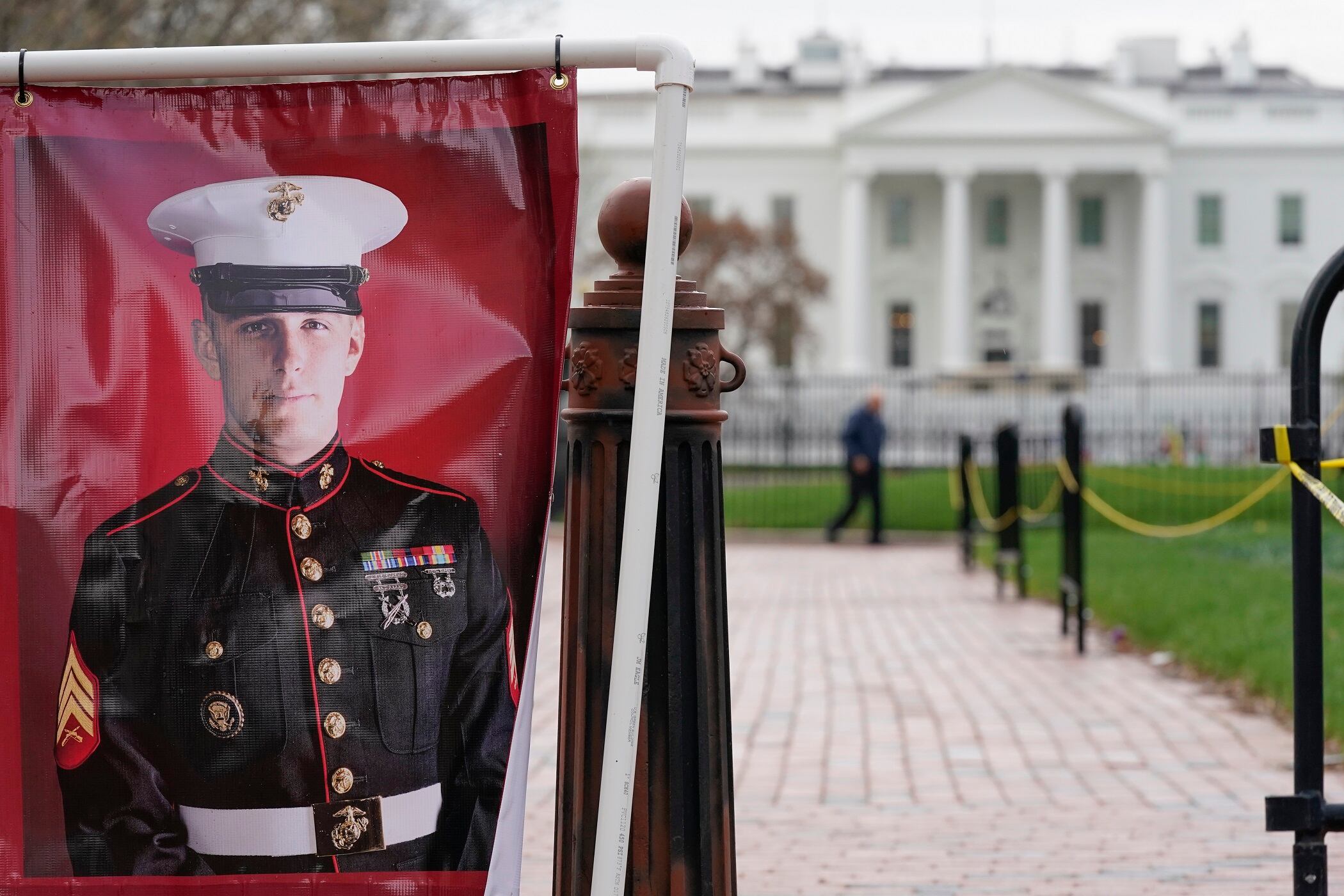
Russia and the United States have exchanged prisoners. Russia released a Marine veteran jailed in Moscow while the U.S. released a convicted Russian drug trafficker serving a prison sentence in Connecticut.
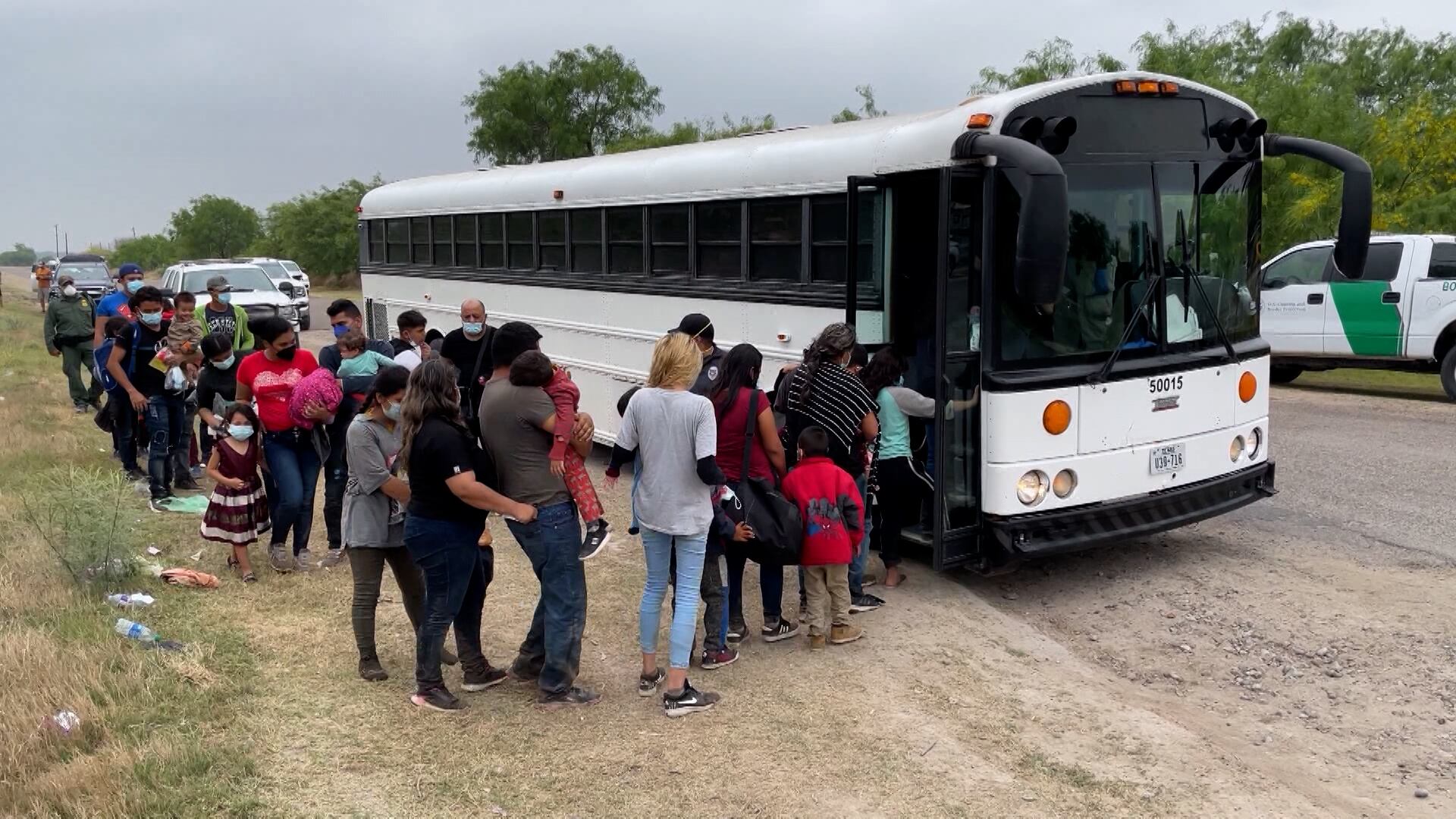
President Biden wants to repeal a Trump-era policy called Title 42, which makes it harder for migrants to seek asylum. A federal judge has temporarily blocked the administration from letting this happen. Cheddar News is joined by Maria Pabon, Dean Brian Bromberger Distinguished Professor of Law at Loyola University, to discuss.
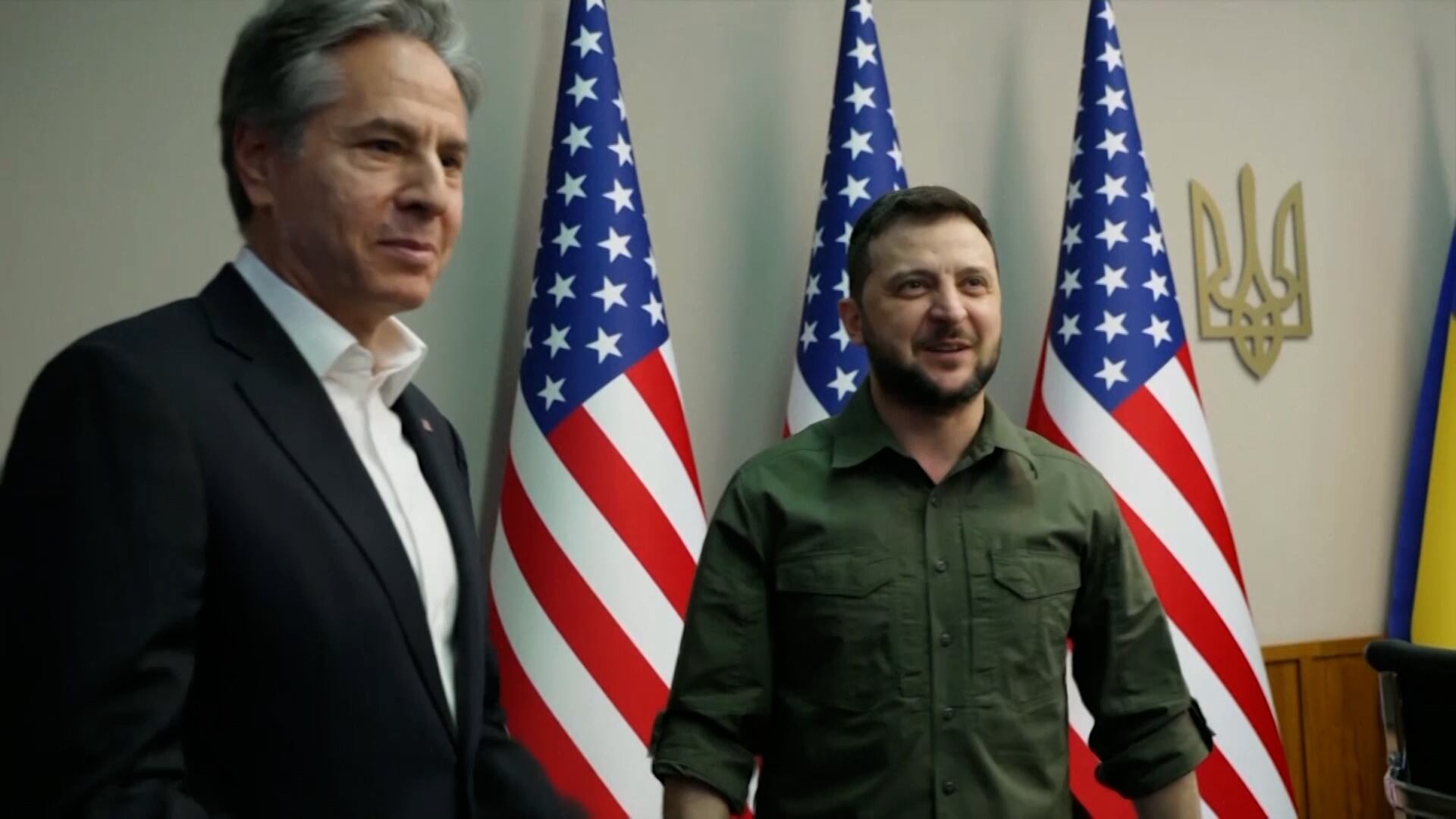
Politico's Defense Reporter Paul McLeary joined Cheddar News' Closing Bell to discuss the significance of cabinet members Secretary of State Antony Blinken and Defense Secretary Lloyd Austin's recent trip to Ukraine, and to break down how the U.S. is furthering its support for the besieged nation as Russian aggression intensifies.
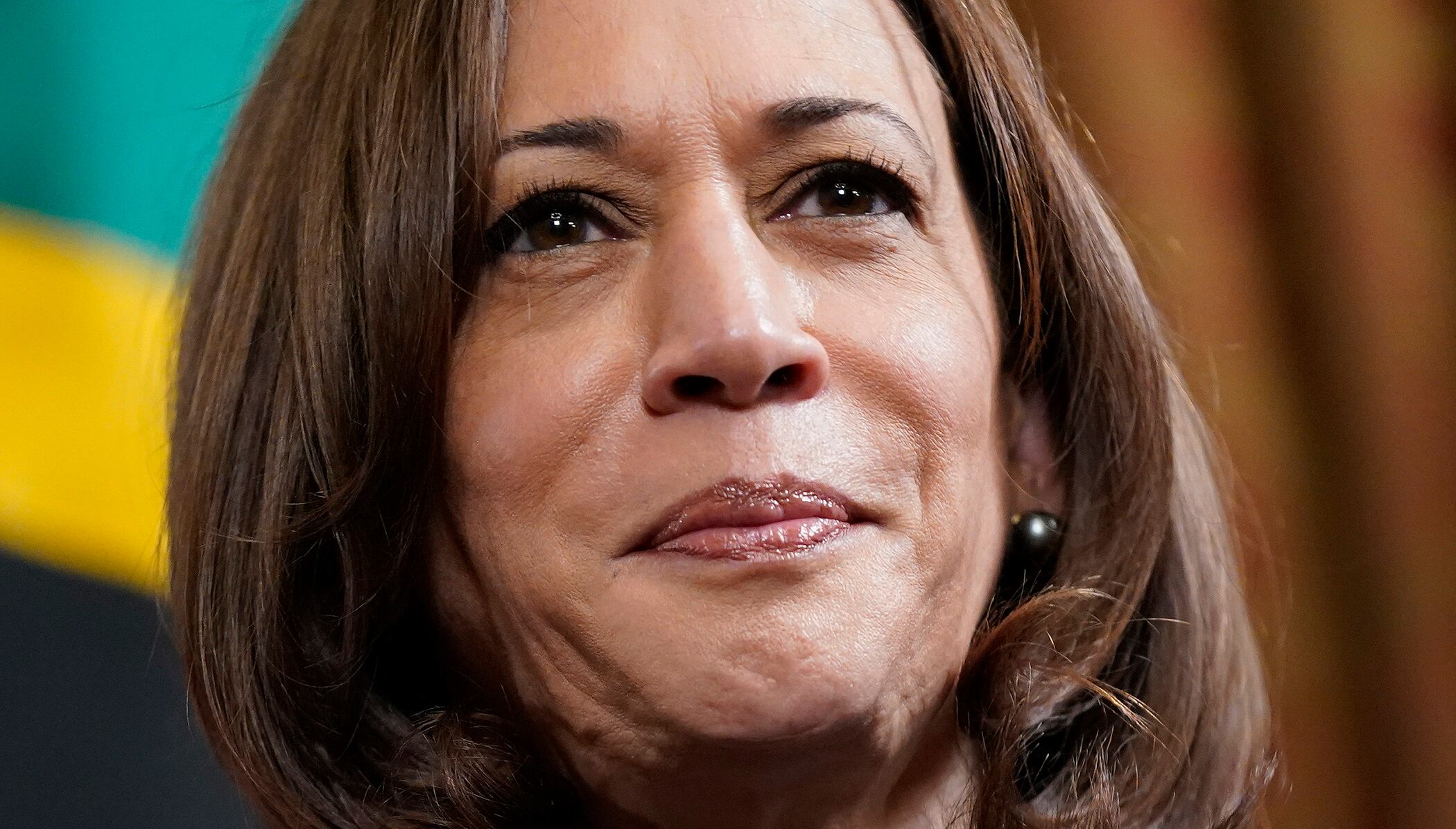
Vice President Kamala Harris tested positive for COVID-19 on Tuesday, the White House announced. That's underscoring the persistence of the highly contagious virus even as the U.S. eases restrictions in a bid to revert to pre-pandemic normalcy.
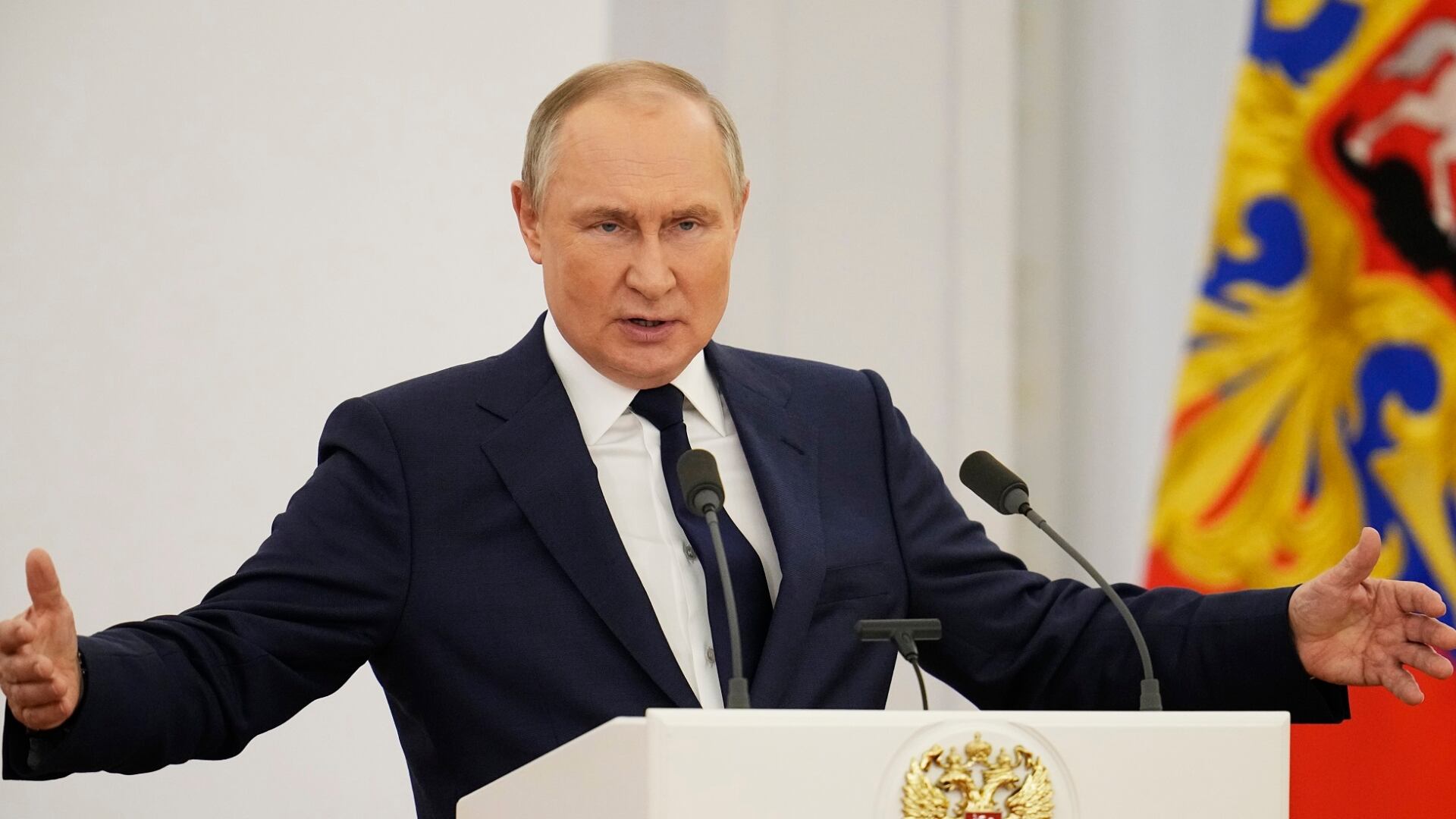
Catching you up on what you need to know on April 26, 2022, with Elon Musk’s purchase of Twitter for $44 billion, Russia warning of a possible threat of World War III, the FDA approving a COVID treatment for children under 12, and more.
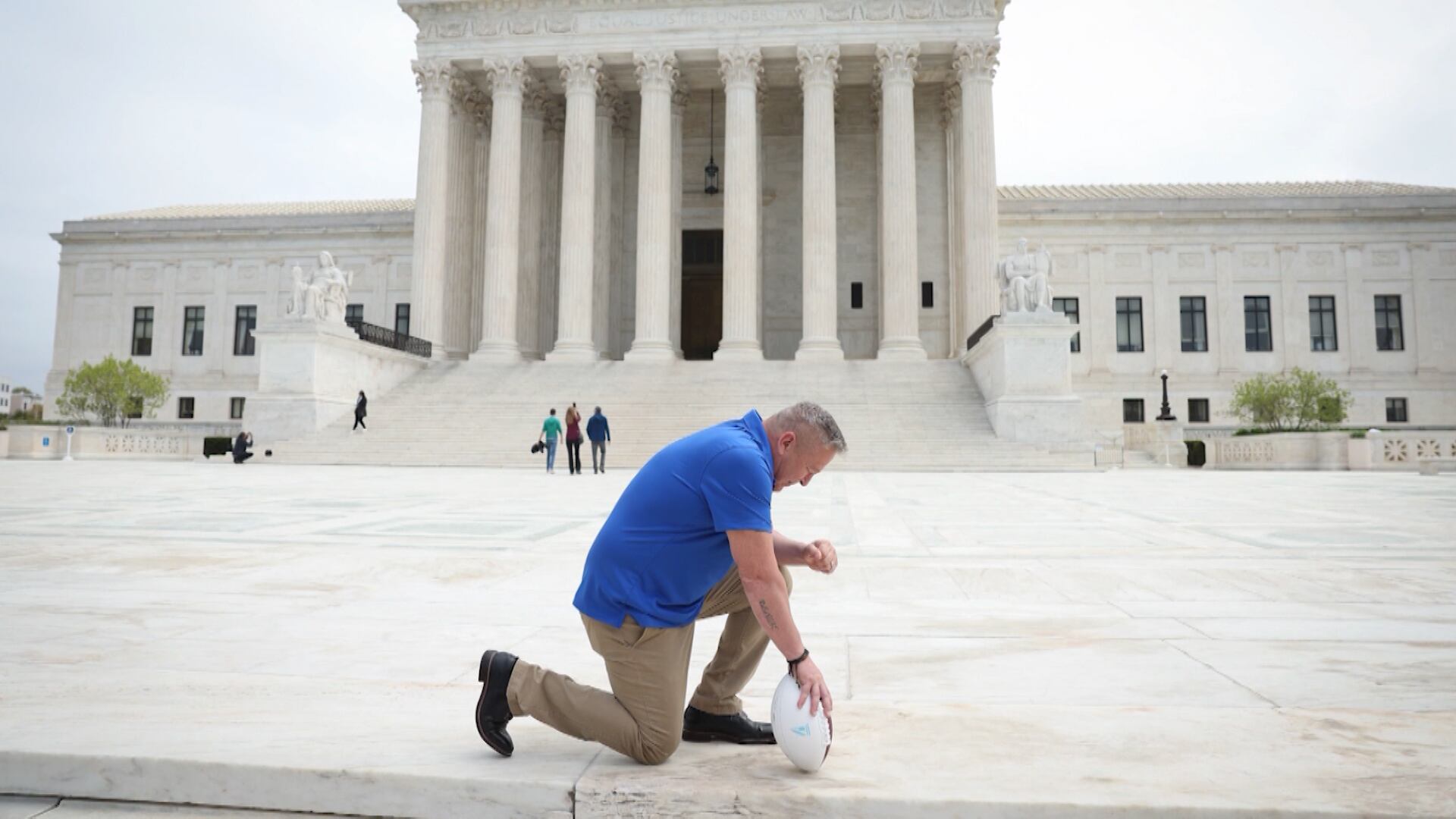
The Supreme Court is taking on the case of Joseph Kennedy, who was fired from his job as Bremerton High School assistant coach in Washington for his post-match prayers that were joined by students. Rachel Laser, President and CEO of Americans United for Separation of Church and State, joins Cheddar News to explain the possible implications of a ruling.
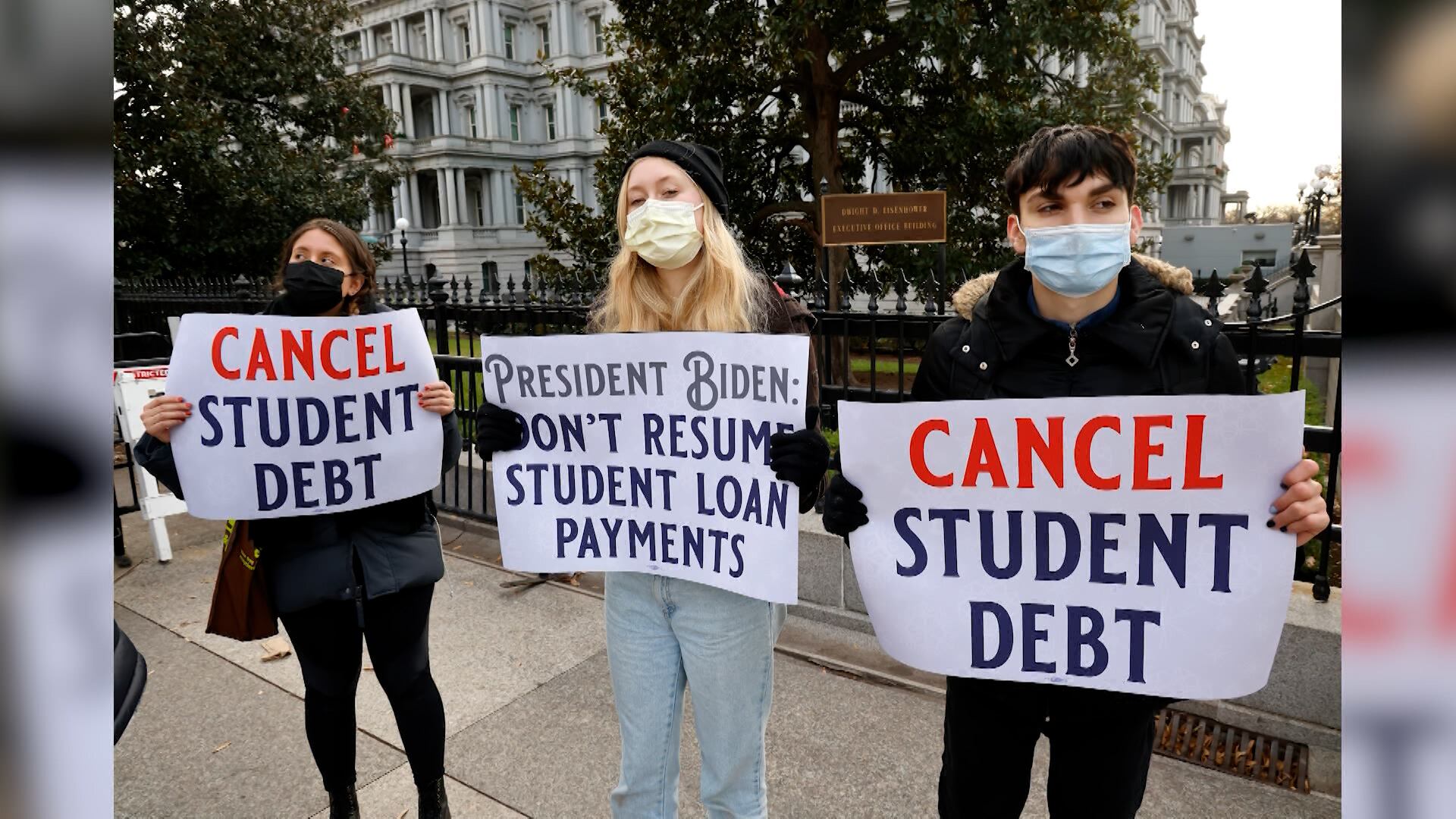
Student loans are affecting about 46 million Americans across the country, adding up to nearly $1.7 trillion of debt total. President Biden has announced a handful of actions designed to bring millions of borrowers a step closer to debt forgiveness. Katie Lobosco, writer for CNN Politics, joins Cheddar News to discuss.