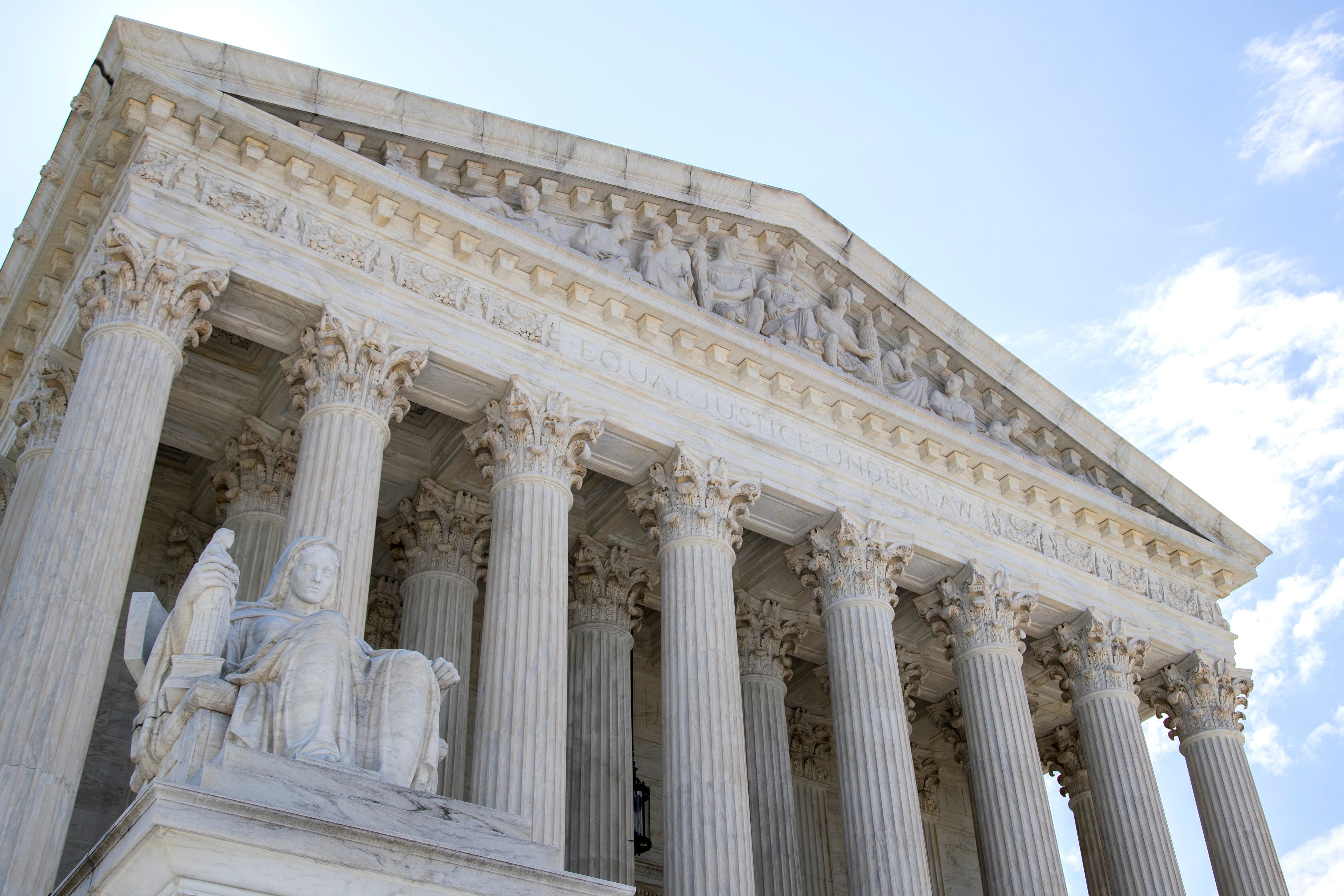
The U.S. Supreme Court is seen Tuesday, June 30, 2020 in Washington. (AP Photo/Manuel Balce Ceneta)
The Supreme Court on Monday upheld a 1991 law that bars robocalls to cellphones.
The case, argued by telephone in May because of the coronavirus pandemic, only arose after Congress in 2015 created an exception in the law that allowed the automated calls for collection of government debt.
Political consultants and pollsters were among those who asked the Supreme Court to strike down the entire 1991 law that bars them from making robocalls to cellphones as a violation of their free speech rights under the Constitution. The issue was whether, by allowing one kind of speech but not others, the exception made the whole law unconstitutional.
Six justices agreed that by allowing debt collection calls to cellphones Congress "impermissibly favored debt-collection speech over political and other speech, in violation of the First Amendment," Justice Brett Kavanaugh wrote. And seven justices agreed that the 2015 exception should be stricken from the law.
"Americans passionately disagree about many things. But they are largely united in their disdain for robocalls," Kavanaugh noted at the outset of his opinion.
During arguments in the case in May, Justice Stephen Breyer got cut off when someone tried calling him. Breyer said after he rejoined the court's arguments: "The telephone started to ring, and it cut me off the call and I don't think it was a robocall."
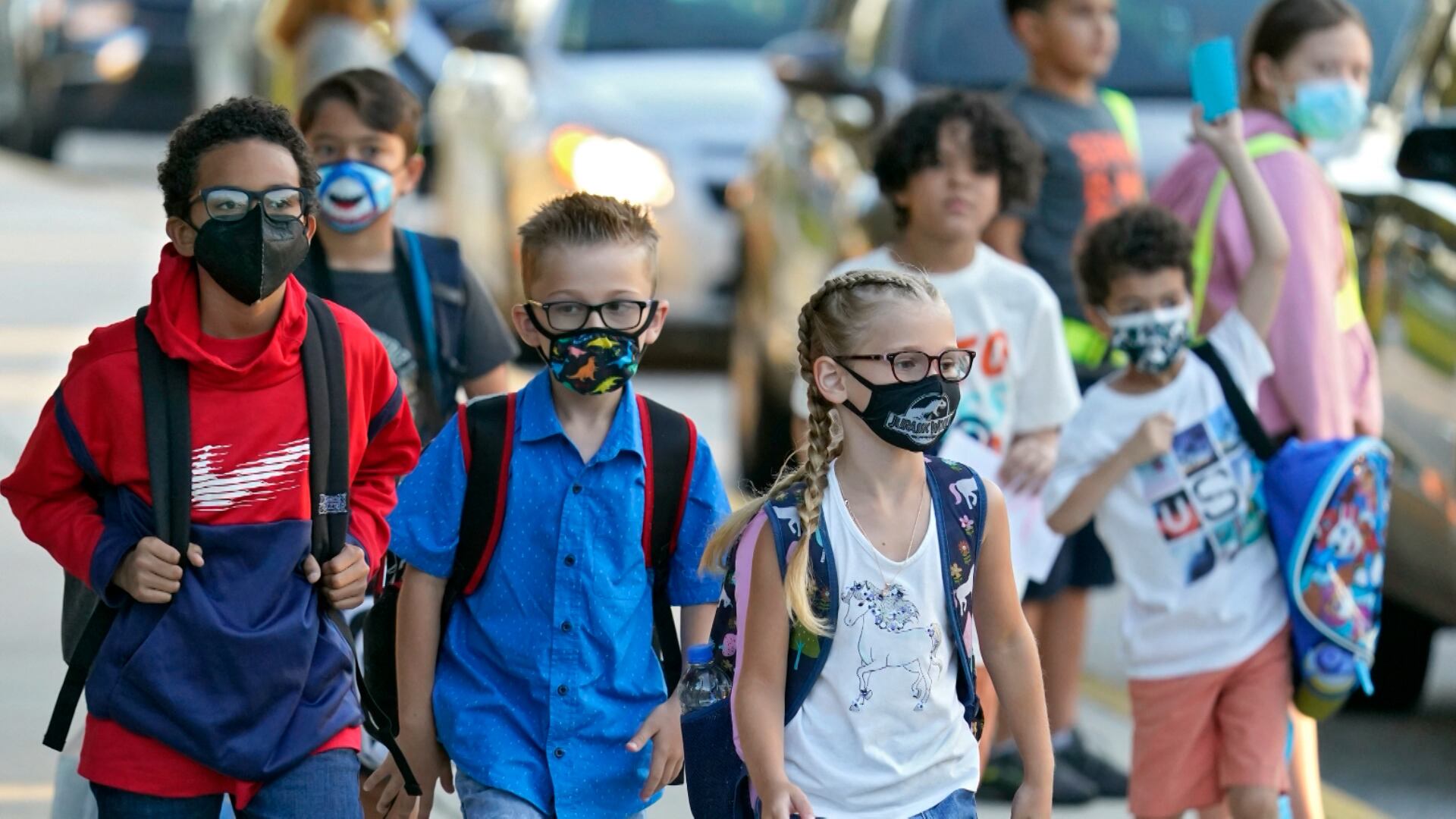
Even amid the spread of the Delta variant, Republican governors in states like Florida and Texas have taken actions like banning mask mandates for school districts that will soon bring students back for the year. This argument happens amid a stark increase in pediatric COVID cases.
Bianca Quilantan, education reporter at POLITICO, joins Cheddar Politics to discuss.
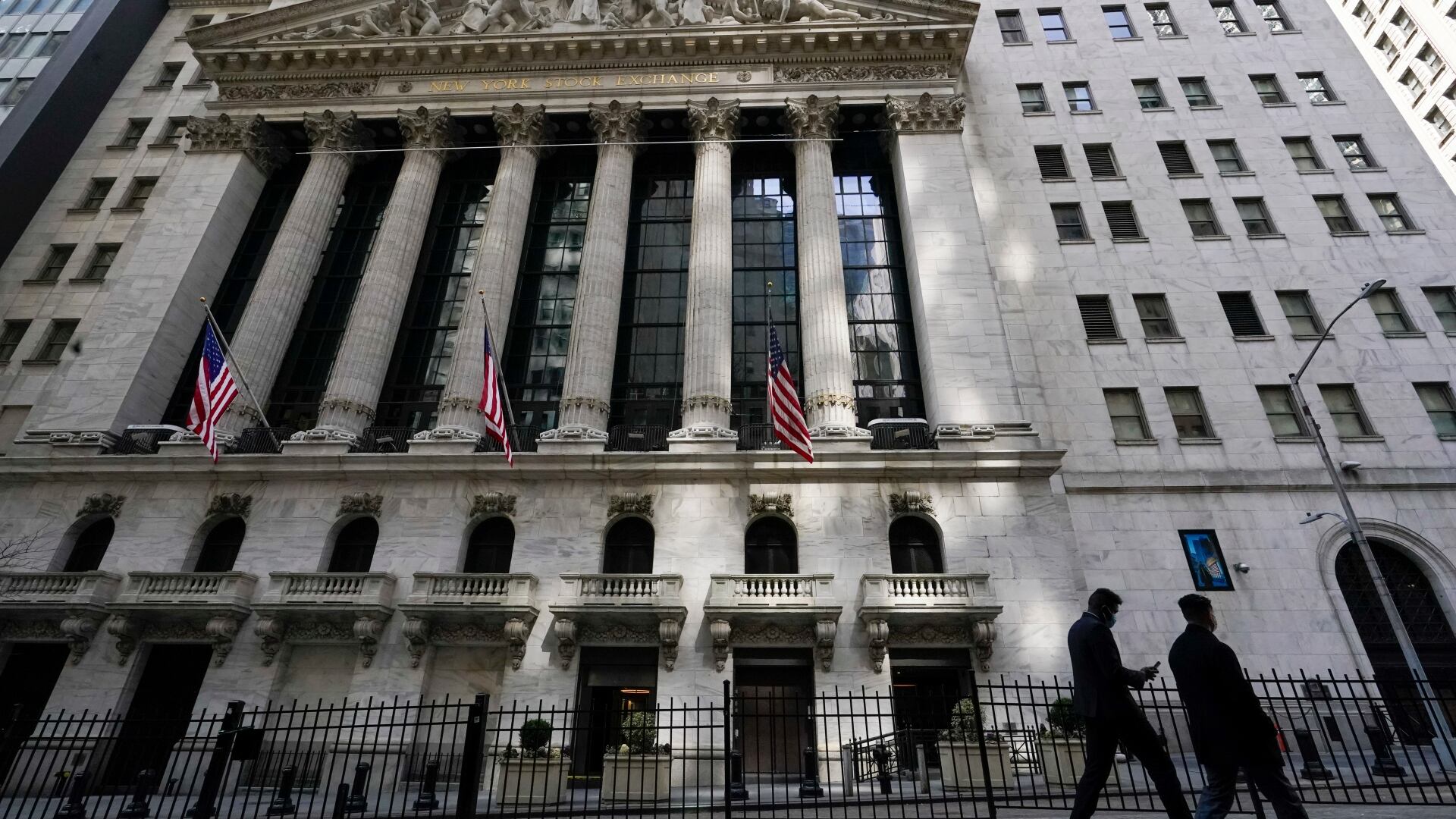
In stories sure to move markets next week, Robinhood and several retail giants report earnings, Jerome Powell takes the podium, New York City's mask mandate goes into effect, and Tesla hosts its 'AI Day.'
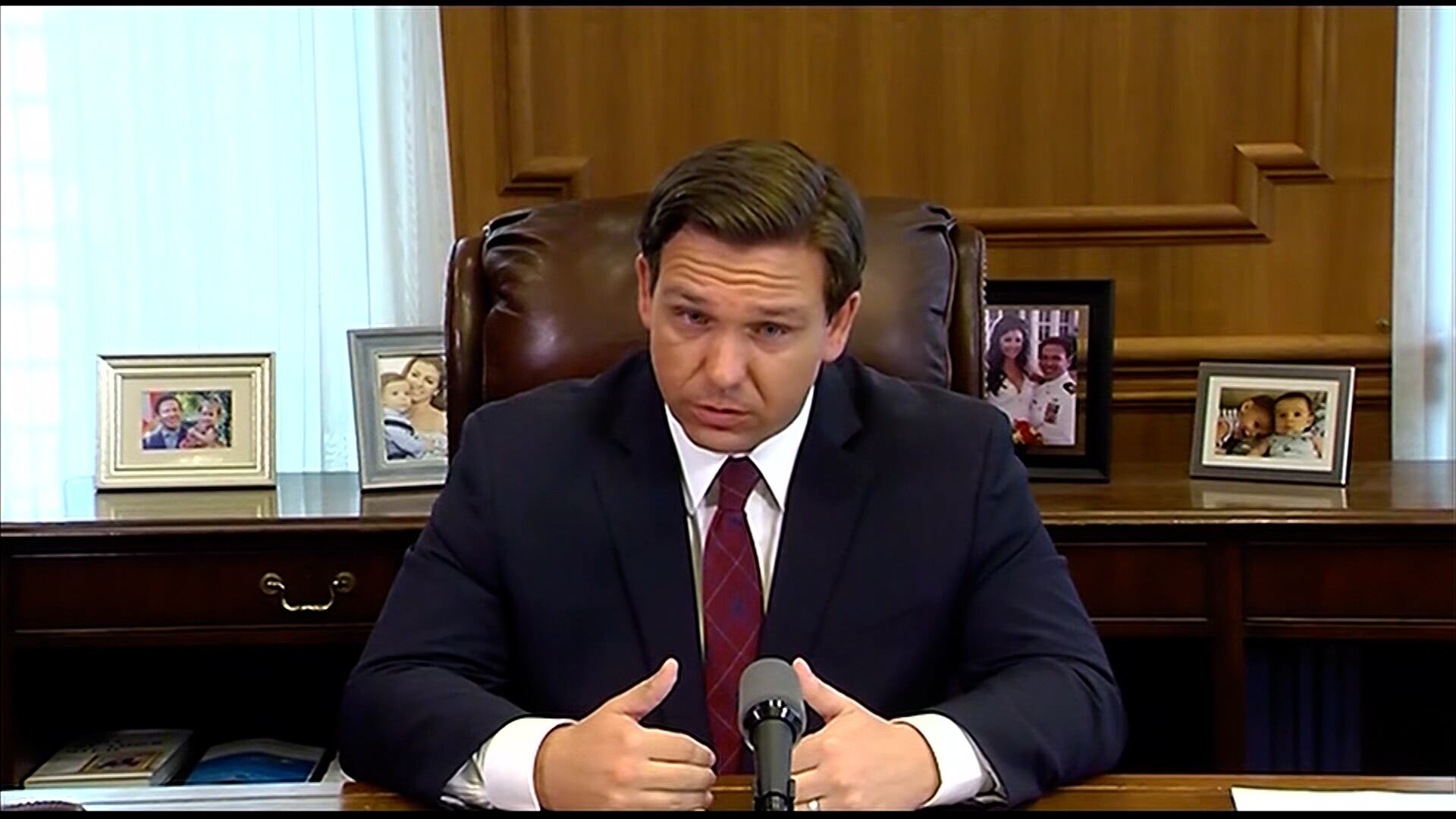
Former President Trump remains the standard-bearer of the Republican Party in his first six months removed from office. But despite his position atop the party, others are moving to shore up their own bona fides. Chief among them is Florida Gov. Ron DeSantis who has signed a bevy of bills popular among conservatives this year. He's viewed as a potential successor to trump, and that's creating tension with the still-present Trump.
Matt Dixon, POLITICO Florida bureau chief, joins Cheddar Politics to discuss.