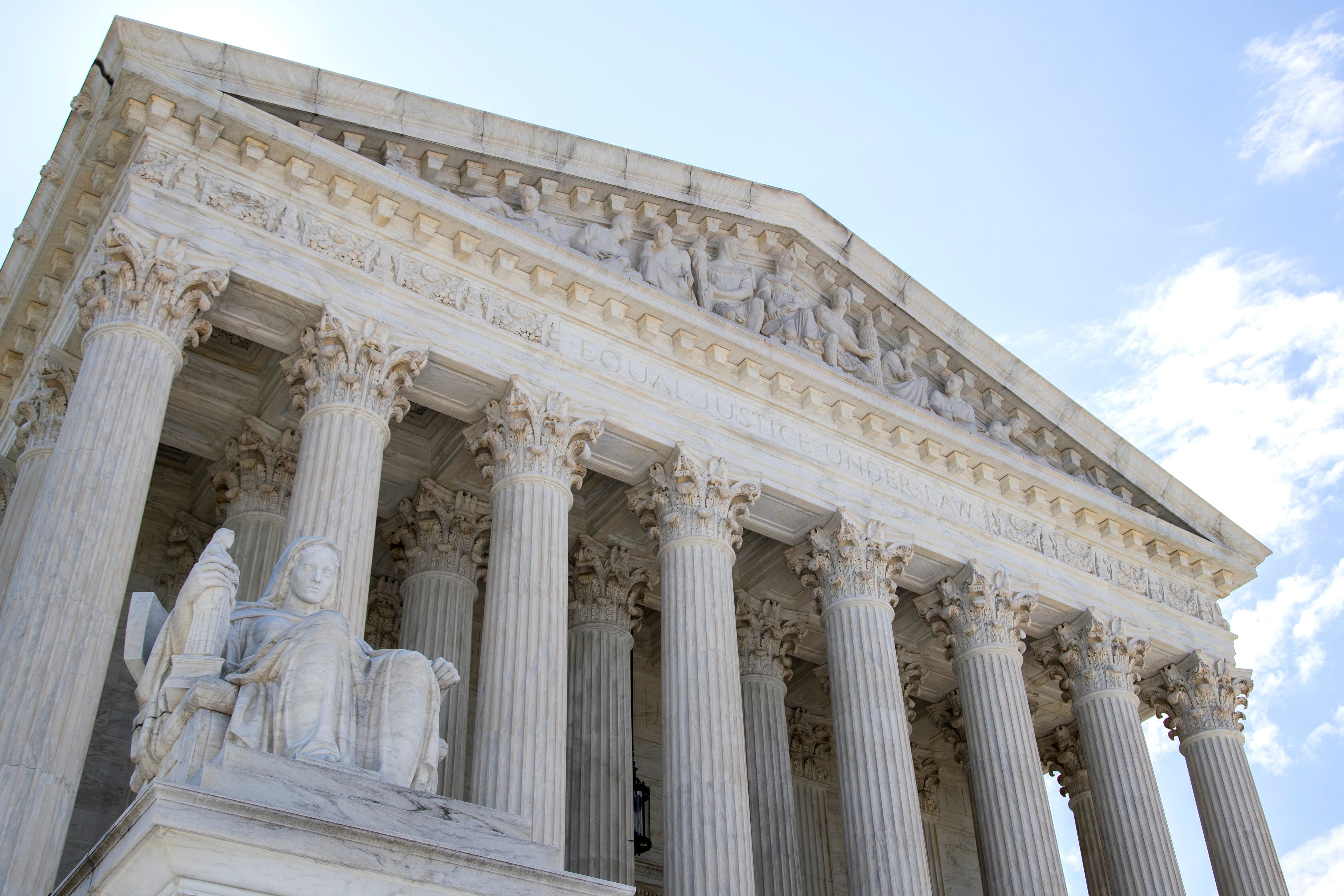
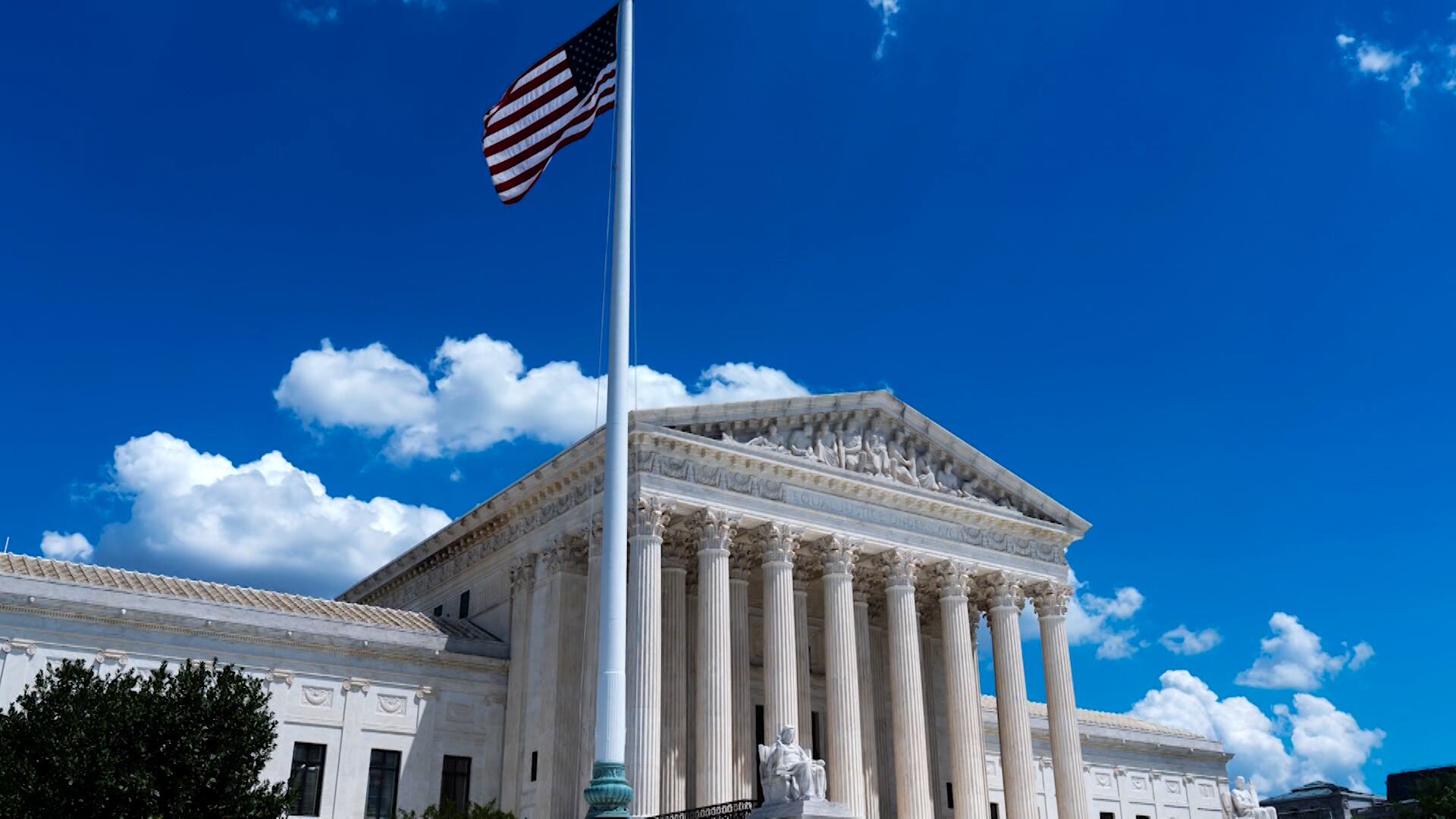
The U.S. Supreme Court is seen Tuesday, June 30, 2020 in Washington. (AP Photo/Manuel Balce Ceneta)
The Supreme Court on Monday upheld a 1991 law that bars robocalls to cellphones.
The case, argued by telephone in May because of the coronavirus pandemic, only arose after Congress in 2015 created an exception in the law that allowed the automated calls for collection of government debt.
Political consultants and pollsters were among those who asked the Supreme Court to strike down the entire 1991 law that bars them from making robocalls to cellphones as a violation of their free speech rights under the Constitution. The issue was whether, by allowing one kind of speech but not others, the exception made the whole law unconstitutional.
Six justices agreed that by allowing debt collection calls to cellphones Congress "impermissibly favored debt-collection speech over political and other speech, in violation of the First Amendment," Justice Brett Kavanaugh wrote. And seven justices agreed that the 2015 exception should be stricken from the law.
"Americans passionately disagree about many things. But they are largely united in their disdain for robocalls," Kavanaugh noted at the outset of his opinion.
During arguments in the case in May, Justice Stephen Breyer got cut off when someone tried calling him. Breyer said after he rejoined the court's arguments: "The telephone started to ring, and it cut me off the call and I don't think it was a robocall."
The United Nations COP26 climate talks are scheduled for October 31 to November 12 in Glasgow, Scotland. Heads of state will be joined by private sector leaders to once again discuss the shrinking window of time left to take action against global temperature rise. Barbara Humpton, CEO of focused technology company Siemens U.S., is also attending and spoke to Cheddar about what she hopes to see during the conference for both the public and private spheres. "What we are really urging is that there are large commitments made in Glasgow and that we really commit to this next decade of action," she said.
Jessica Mason Pieklo, Senior Vice President and Executive Editor at Rewire News Group and co-host of the Rewire News Group podcast, 'Boom! Lawyered,' joins Cheddar News to discuss the Supreme Court decision to hear Texas abortion ban cases on Monday, November first and the complicated timeline of legal challenges up to this point.
According to new research by Twitter, the social media platform algorithm amplifies content from the "political right" rather than those on the left. The company says this data comes as the platform has been taking the time to research the implications of its algorithm and whether or not it has caused any "unknown harm". President and CEO of Media Matters for America Angelo Carusone, joined Cheddar to discuss more.
Jill and Carlo cover the latest developments in the Alec Baldwin prop gun shooting, when vaccines for kids as young as 5 should be approved, new reporting on Facebook and more.
Dana Sussman, deputy executive director at the National Advocates for Pregnant Women, joined Cheddar News to talk about Brittney Poolaw, who was sentenced to four years in state prison for a miscarriage she suffered last year.
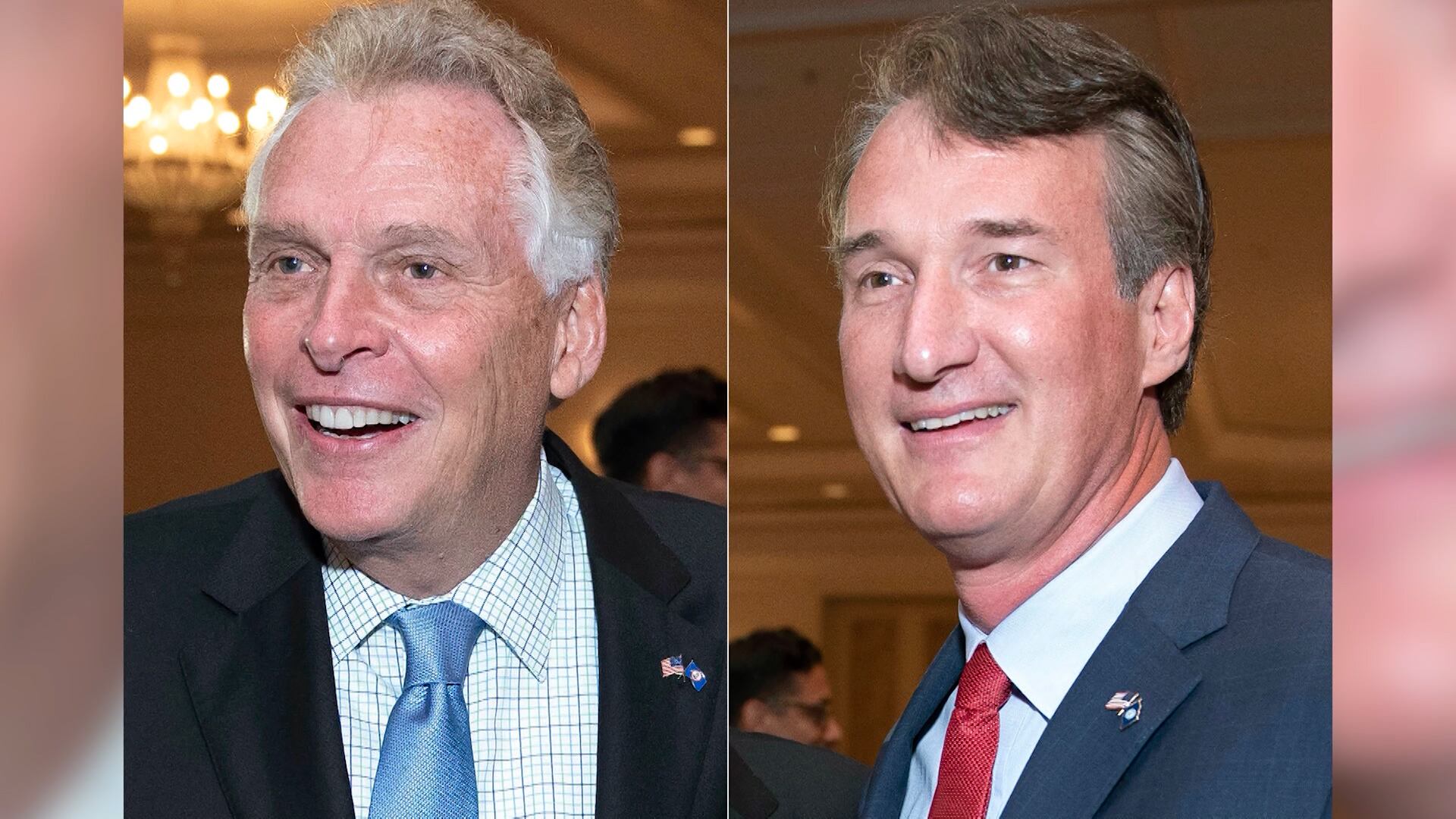
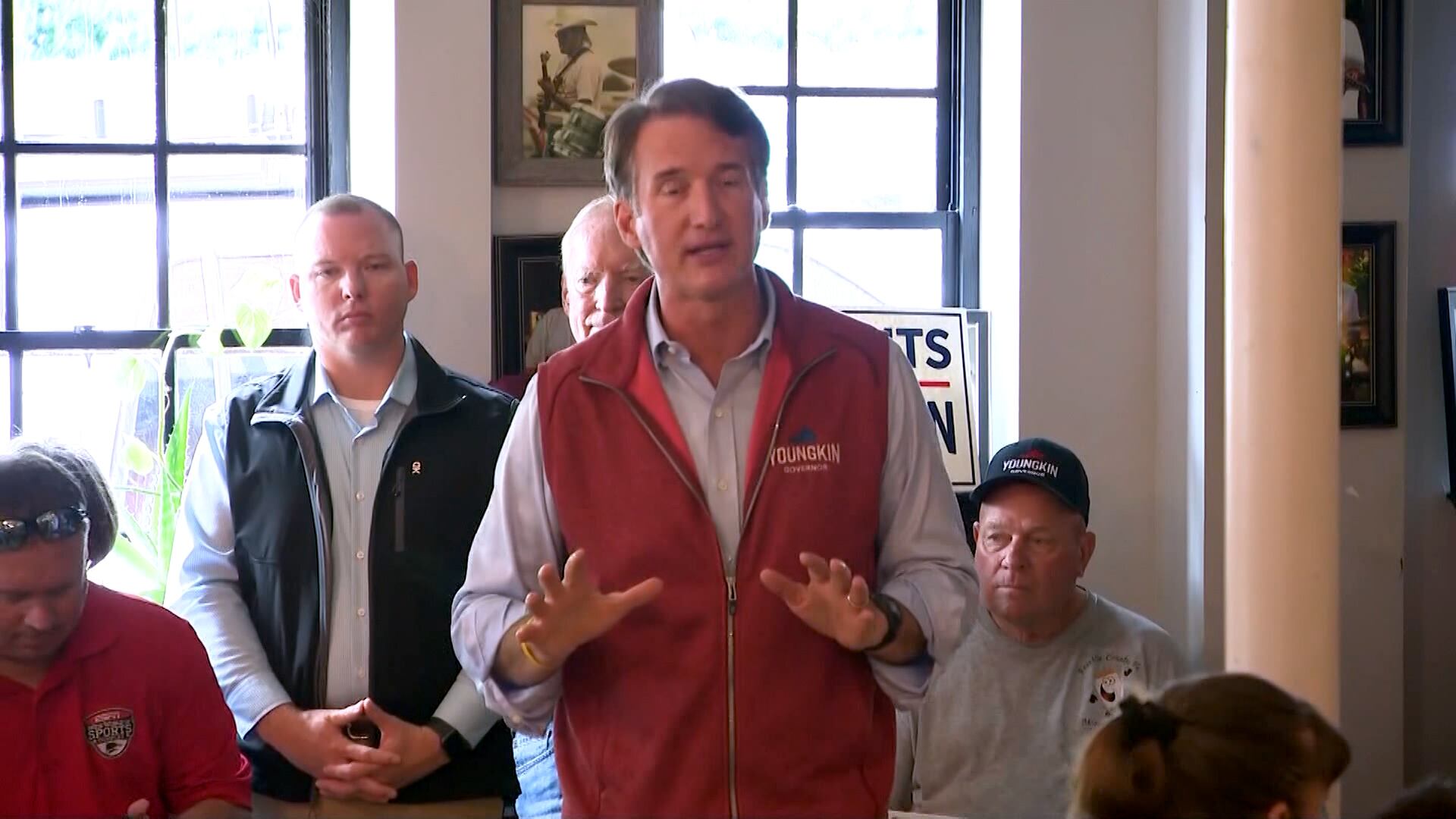
Despite Joe Biden having won the state of Virginia in 2021 by 10 points, the race between his fellow Democrat Terry McAuliffe and Donald Trump-endorsed Republican Glenn Youngkin has tightened considerably down to the wire. Dave Levinthal, the deputy Washington bureau chief for Insider, joined Cheddar to give his analysis of the bellwether gubernatorial race in the year before the midterm elections.
Laura Vozzella, local reporter for the Washington Post, joins Cheddar News to discuss the razor-thin edge Democrat Terry McAuliffe has over Republican candidate Glenn Youngkin in the 2021 Virginia gubernatorial election.
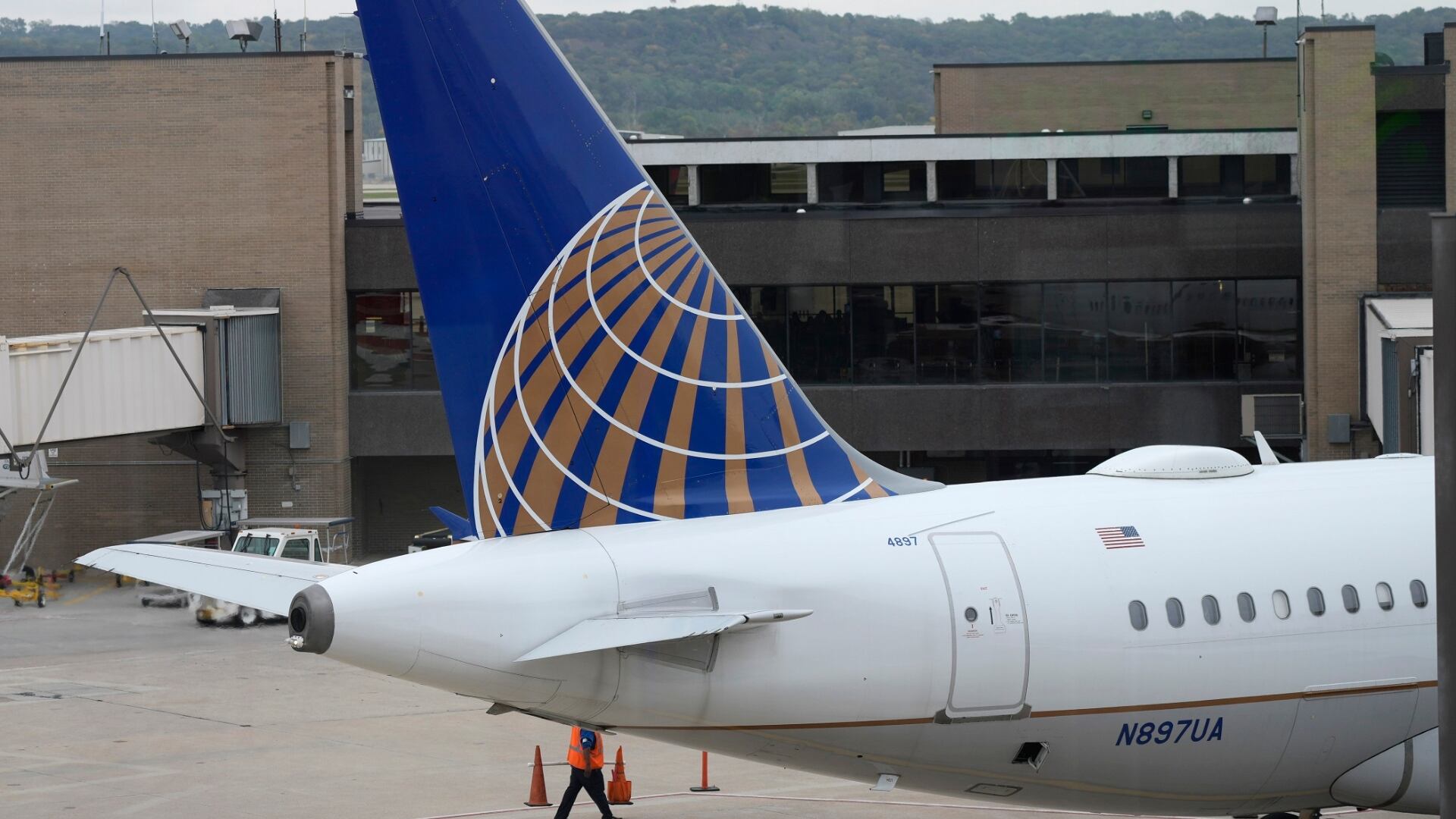
A judge has temporarily put on hold United Airlines' unpaid leave policy for workers who claimed either religious or medical exemptions from COVID vaccinations. Six workers filed a suit against the company, calling the policy unreasonable.
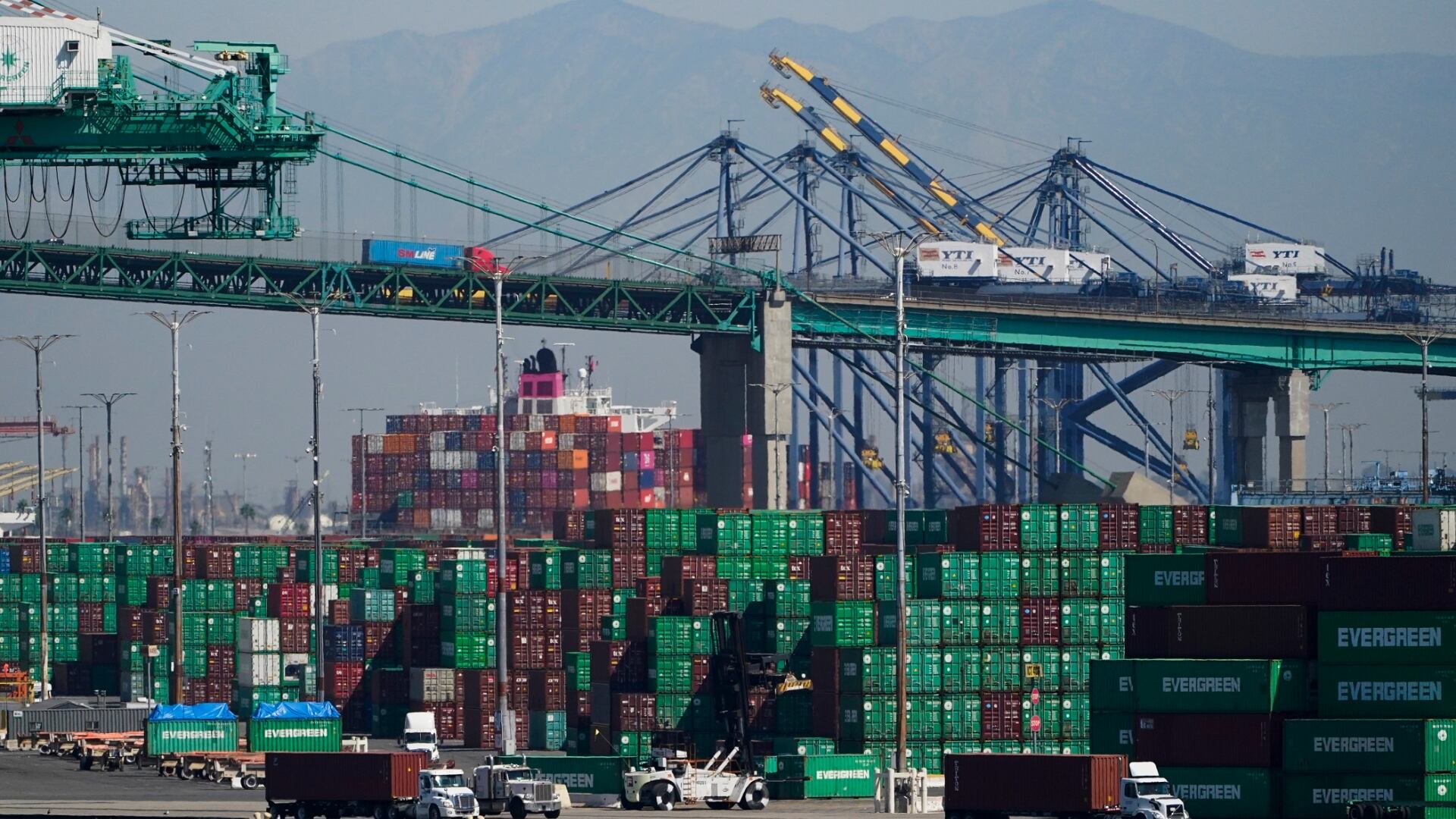
President Joe Biden took to the podium to discuss the deal that will keep the Port of Los Angeles open for business 24 hours a day, seven days a week as the nation grapples with supply chain issues.