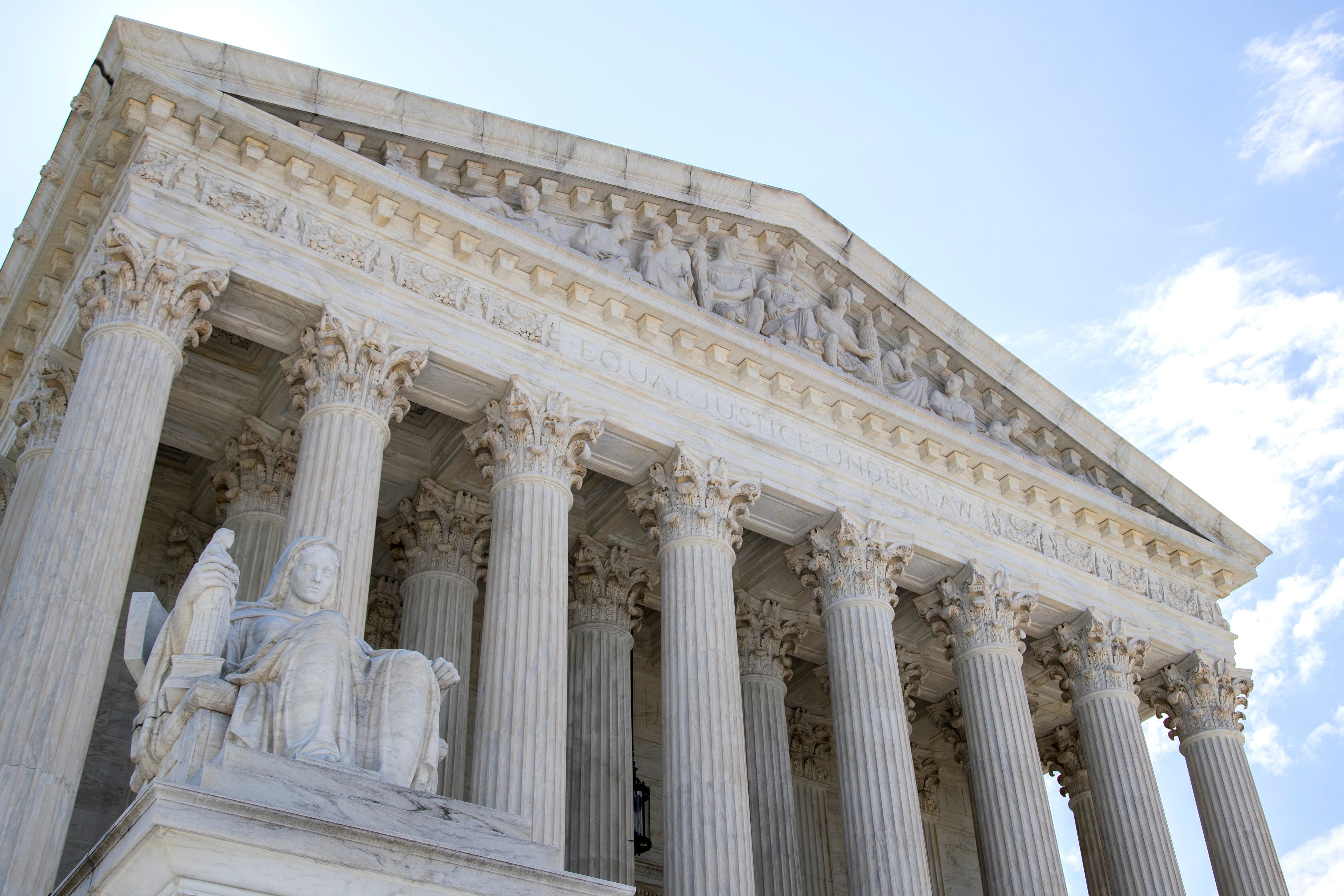
The U.S. Supreme Court is seen Tuesday, June 30, 2020 in Washington. (AP Photo/Manuel Balce Ceneta)
The Supreme Court on Monday upheld a 1991 law that bars robocalls to cellphones.
The case, argued by telephone in May because of the coronavirus pandemic, only arose after Congress in 2015 created an exception in the law that allowed the automated calls for collection of government debt.
Political consultants and pollsters were among those who asked the Supreme Court to strike down the entire 1991 law that bars them from making robocalls to cellphones as a violation of their free speech rights under the Constitution. The issue was whether, by allowing one kind of speech but not others, the exception made the whole law unconstitutional.
Six justices agreed that by allowing debt collection calls to cellphones Congress "impermissibly favored debt-collection speech over political and other speech, in violation of the First Amendment," Justice Brett Kavanaugh wrote. And seven justices agreed that the 2015 exception should be stricken from the law.
"Americans passionately disagree about many things. But they are largely united in their disdain for robocalls," Kavanaugh noted at the outset of his opinion.
During arguments in the case in May, Justice Stephen Breyer got cut off when someone tried calling him. Breyer said after he rejoined the court's arguments: "The telephone started to ring, and it cut me off the call and I don't think it was a robocall."
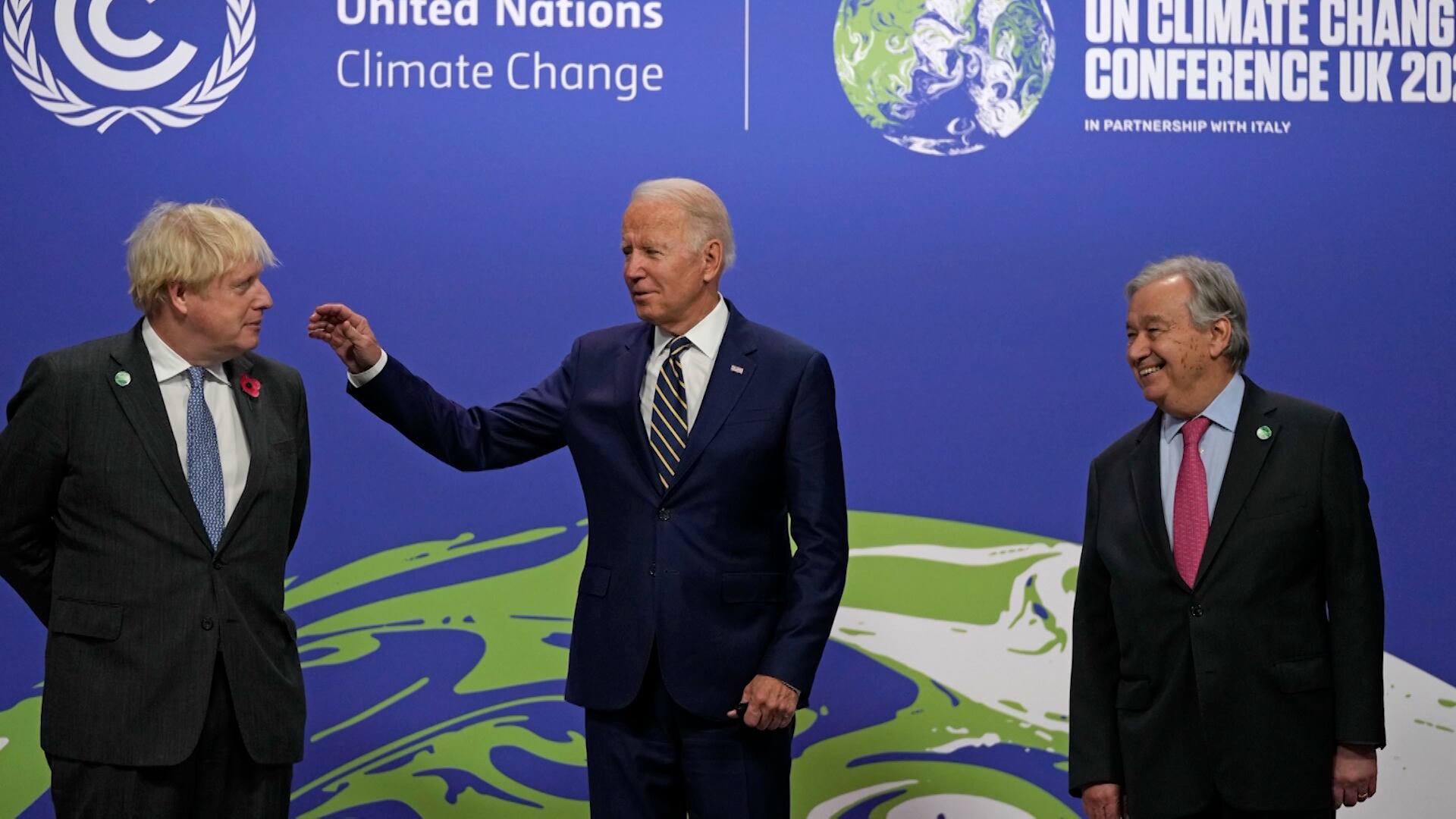
The two-week COP26 climate conference has now ended with leaders reaching a deal, but so far the deal is getting mixed reviews from climate experts across the globe. Chloe Demrovsky, president and CEO of Disaster Recovery Institute International, explains that while the agreement is a step forward in some ways, the world still has much more to work on in order to keep warming to below 2 degrees Celsius.
Jill and Carlo cover the latest with the infrastructure bill, the growing state rebellion over boosters, Trump's dereliction of duty on the pandemic, Taylor Swift's reign of cultural domination and more.
Sen. Sheldon Whitehouse joined Cheddar to discuss the latest push to get rid of Daylight Savings Time. A practice where several say can cause havoc on one's sleeping schedule and cause disruptions to our economy.
The past decade or so has been a has seen massive change-- usually good-- for the LGBTQ+ community. Same-sex marriage has seen broader acceptance, and there's been increased conversation about the reality of gender identity. Now, folks who don't identify as male or female can travel while staying true to their more authentic self.
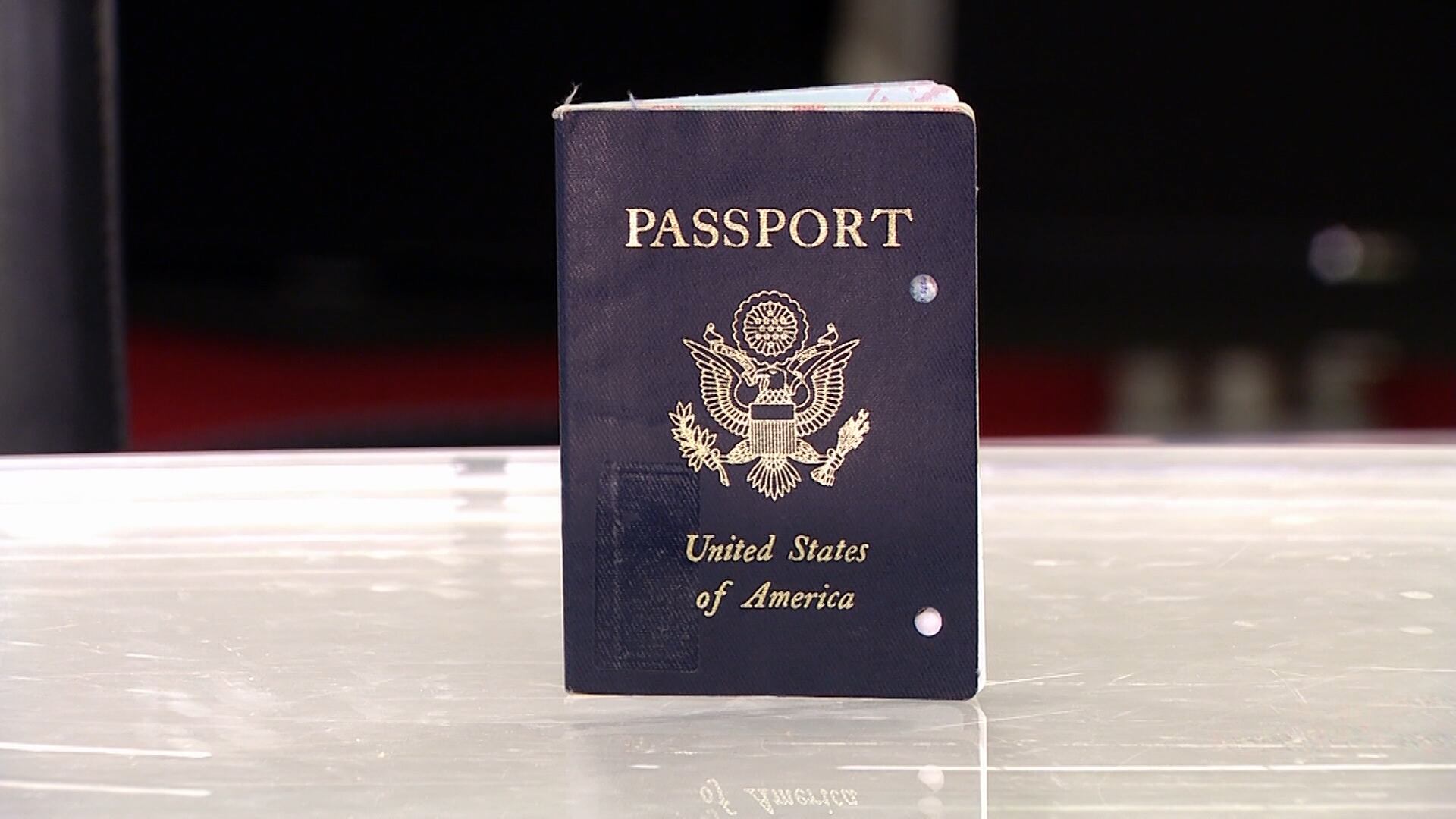
The Biden administration has issued the first passport with a gender-neutral designation "X." the passport was issued to Dana Zzyym, an intersex activist from Colorado, after a long legal battle with the state department in which Zzyym argued they shouldn't be required to lie about their identity on their passport. Advocates for such changes have applauded the move, saying it will allow people who don't identify as male or female to travel the globe in a more safe and visible way.
Paul Castillo, counsel at Lambda Legal and Zzyym's attorney in this case, joins None of the Above to discuss.
The Biden Administration has announced its latest plans to support veterans who had been exposed to toxic chemicals from burn pits. According to several veterans who served in Iraq and Afghanistan, a number of them were exposed to hour-long periods of burn pits. As a result, many of them say they have suffered from severe life-long side effects. Co-founder at Burn Pits 360 Le Roy Torres, joined Cheddar to discuss more.
Ballots have been sent to workers at three different Starbucks locations in Buffalo, NY to decide whether they will unionize for the first time ever. Wilma Liebman, former Chair of the National Labor Relations Board and Michelle Eisen from the Starbucks Workers United Organization, which is behind this vote, joined Cheddar to discuss.
The parent company of North Face, Vans and Supreme, VF Corp, released its fourth annual "Made for Change" sustainability and responsibility report. It details the company's ongoing efforts to tackle social and climate related issues. This comes as climate experts continue to warn about the dangers of fast fashion and its impact on global CO2 emissions. Sean Cady, Vice President of Global Sustainability, Responsibility and Trade at VF Corporation, joins Cheddar News to discuss.
A jam-packed Freitag pod with Carlo and Baker: new Covid hotspots, Kyle Rittenhouse trial, Belarus making trouble for Europe, red-hot housing market, and how to manage a PR crisis the right way.
Damian Mason, a farm owner, Agricultural Economist and Author of 'Food Fear,' joined Cheddar to discuss the rising prices of food as we approach the holiday season.