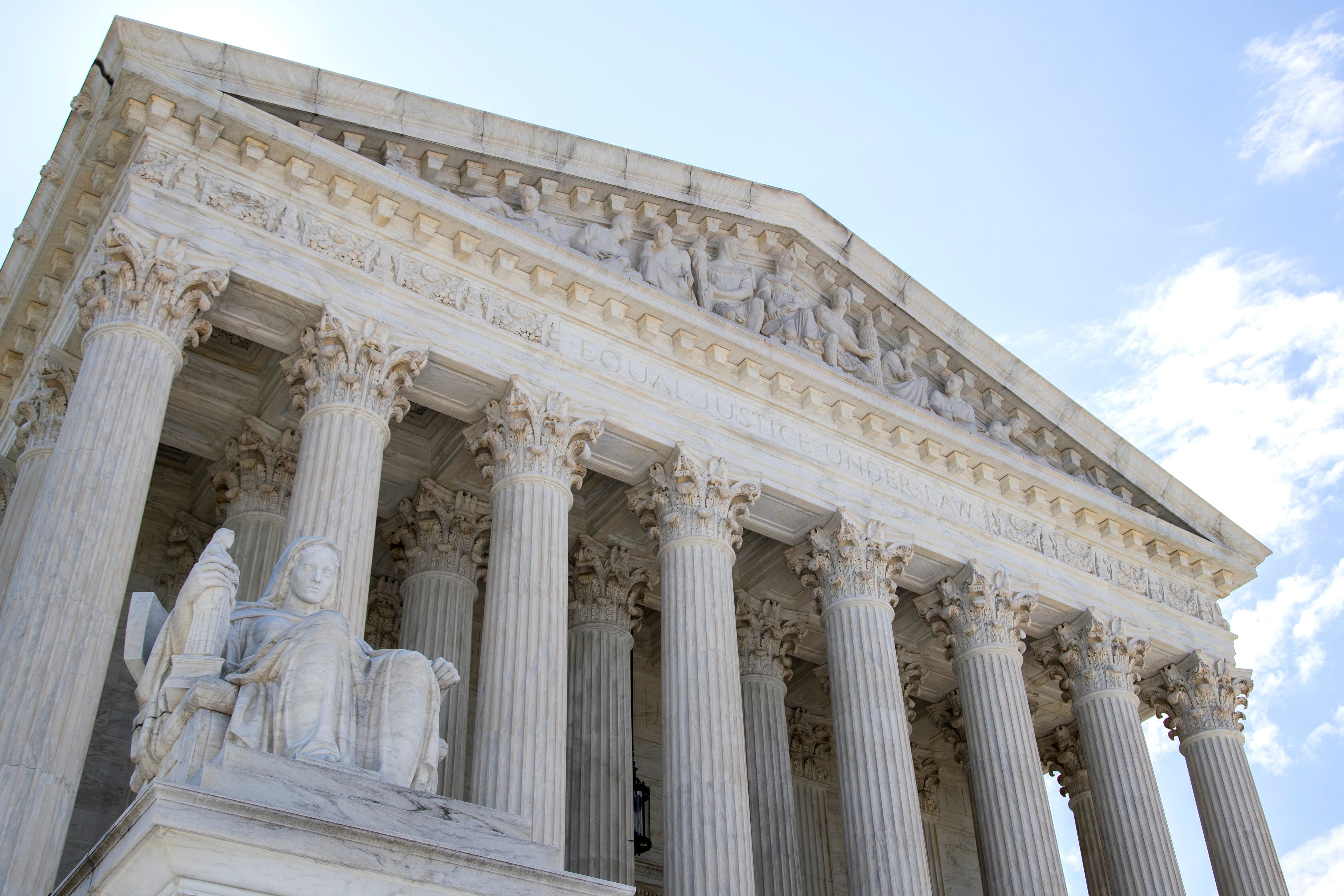
The U.S. Supreme Court is seen Tuesday, June 30, 2020 in Washington. (AP Photo/Manuel Balce Ceneta)
The Supreme Court on Monday upheld a 1991 law that bars robocalls to cellphones.
The case, argued by telephone in May because of the coronavirus pandemic, only arose after Congress in 2015 created an exception in the law that allowed the automated calls for collection of government debt.
Political consultants and pollsters were among those who asked the Supreme Court to strike down the entire 1991 law that bars them from making robocalls to cellphones as a violation of their free speech rights under the Constitution. The issue was whether, by allowing one kind of speech but not others, the exception made the whole law unconstitutional.
Six justices agreed that by allowing debt collection calls to cellphones Congress "impermissibly favored debt-collection speech over political and other speech, in violation of the First Amendment," Justice Brett Kavanaugh wrote. And seven justices agreed that the 2015 exception should be stricken from the law.
"Americans passionately disagree about many things. But they are largely united in their disdain for robocalls," Kavanaugh noted at the outset of his opinion.
During arguments in the case in May, Justice Stephen Breyer got cut off when someone tried calling him. Breyer said after he rejoined the court's arguments: "The telephone started to ring, and it cut me off the call and I don't think it was a robocall."
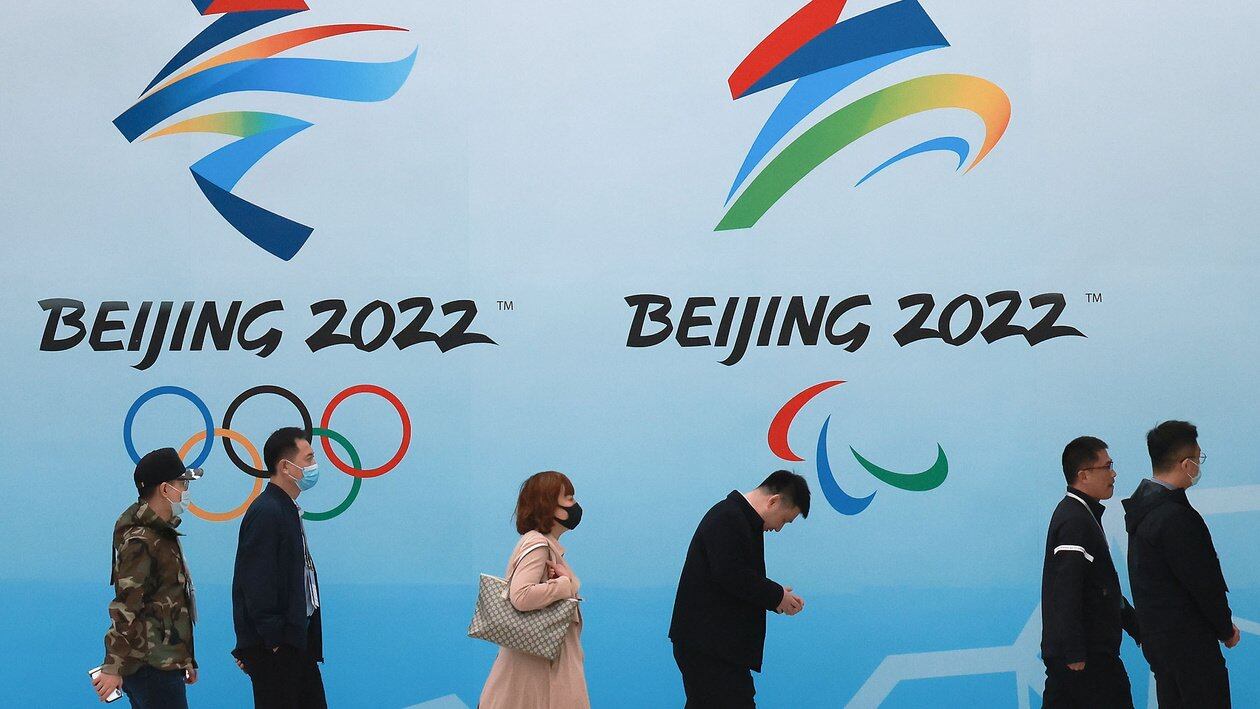
The Biden administration will not send an official U.S. delegation to the 2022 Winter Olympics in Beijing as a statement against China's "ongoing genocide and crimes against humanity in Xinjiang." Weifeng Zhong, senior research fellow at George Mason University's Mercatus Center, joins Cheddar News to discuss the boycott.
Back in 2010, several large companies pledged to work towards stopping deforestation by 2020. Companies like Nestle and Carrefour even went further to say that they would eliminate deforestation from their supply chains altogether. However, fast forward to 2020, many of these companies have failed to reach that goal. Associate Director of Forest at the CDP Nadia Bishai, joined Cheddar to discuss more.
Instagram Chief Executive Adam Mosseri is set to testify before Congress for the first time. Mosseri’s appearance follows reports that showed Facebook and Instagram are aware of the harms their apps and services cause, including to teen mental health. Nicole Gill, co-founder and executive director of Accountable Tech joins Cheddar News to preview the hearing.
Chamber of Progress CEO Adam Kovacevich joined Wake Up With Cheddar to break down what to expect from the cryptocurrency executives appearing on Capitol Hill and how it could impact future crypto regulation. "I think what most people want to see from regulation is essentially channeling the good and the potential and putting in place guardrails to minimize the bad," he said.
Markets opened higher as investors shrugged off weaker-than-expected job growth and Omicron fears. George Seay, CEO, Annandale Capital joined Cheddar's Opening Bell to discuss.
Less than six months after making its public debut on the NYSE, Chinese ride-hailing giant Didi says it will delist in the U.S. and pivot to Hong Kong instead. Chinese regulators are citing cybersecurity and data concerns. Shehzad Qazi, Managing Director, China Beige Book International joined Cheddar's Opening Bell to discuss.
While the World Health Organization strongly advises against a COVID-19 vaccine mandate, national and local governments are moving to make inoculations compulsory. Cheddar News speaks with Dr. Joel Zinberg of the Competitive Enterprise Institute on the issue.