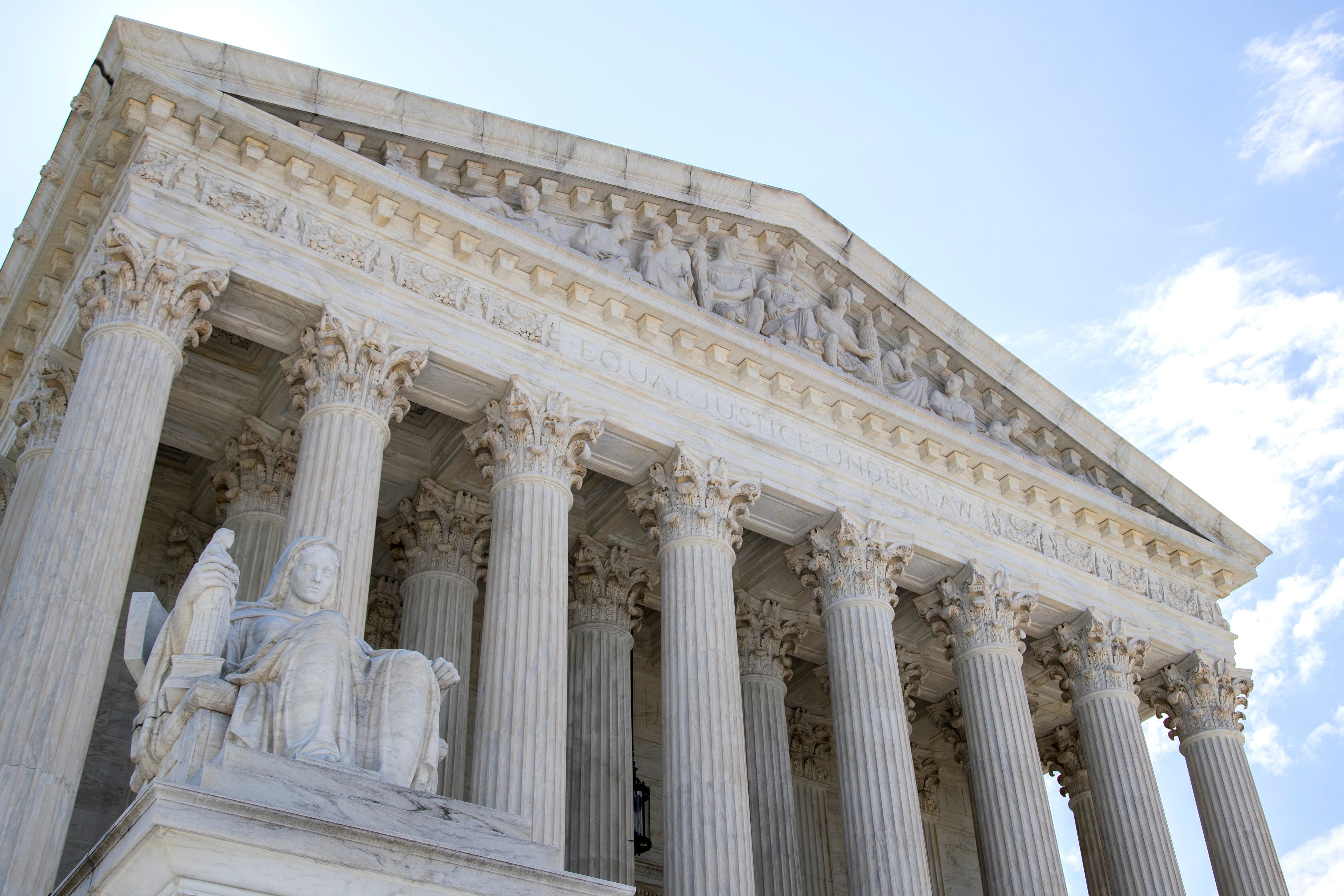
The U.S. Supreme Court is seen Tuesday, June 30, 2020 in Washington. (AP Photo/Manuel Balce Ceneta)
The Supreme Court on Monday upheld a 1991 law that bars robocalls to cellphones.
The case, argued by telephone in May because of the coronavirus pandemic, only arose after Congress in 2015 created an exception in the law that allowed the automated calls for collection of government debt.
Political consultants and pollsters were among those who asked the Supreme Court to strike down the entire 1991 law that bars them from making robocalls to cellphones as a violation of their free speech rights under the Constitution. The issue was whether, by allowing one kind of speech but not others, the exception made the whole law unconstitutional.
Six justices agreed that by allowing debt collection calls to cellphones Congress "impermissibly favored debt-collection speech over political and other speech, in violation of the First Amendment," Justice Brett Kavanaugh wrote. And seven justices agreed that the 2015 exception should be stricken from the law.
"Americans passionately disagree about many things. But they are largely united in their disdain for robocalls," Kavanaugh noted at the outset of his opinion.
During arguments in the case in May, Justice Stephen Breyer got cut off when someone tried calling him. Breyer said after he rejoined the court's arguments: "The telephone started to ring, and it cut me off the call and I don't think it was a robocall."
Catching you up on the stories you need to know this morning, the U.S. could soon get its first major gun safety law in years, the House Select Committee investigating the January 6th attack on the U.S. capitol holds its second hearing, and today might just be the day the Supreme Court overturns Roe v. Wade, and decides on new gun laws.
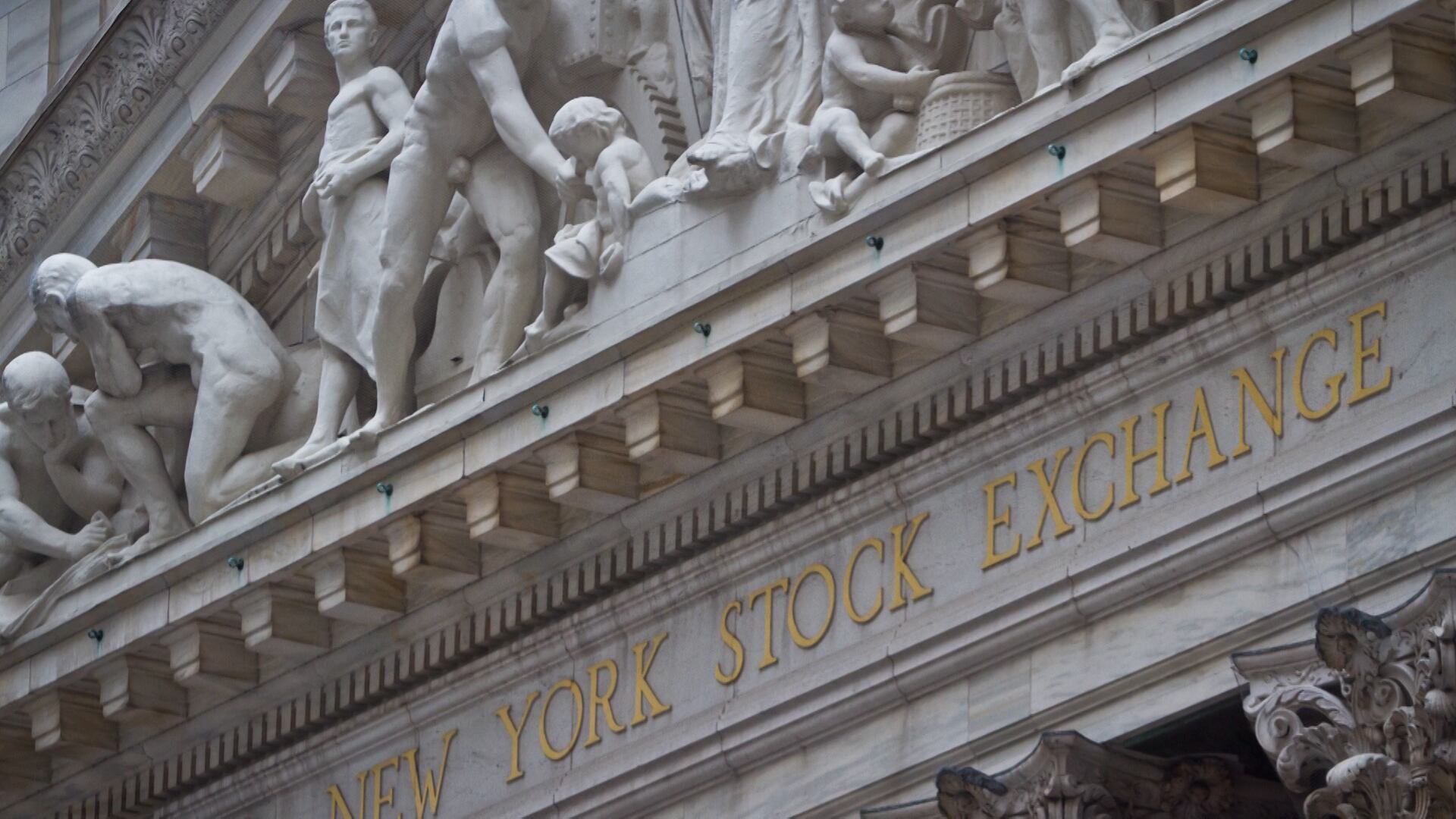
U.S. stocks closed Thursday at their lowest levels of the trading day, as investors continue to eye inflation ahead of the May CPI report out Friday. Art Hogan, Chief Market Strategist for National Holdings, joins Cheddar News' Closing Bell to discuss.
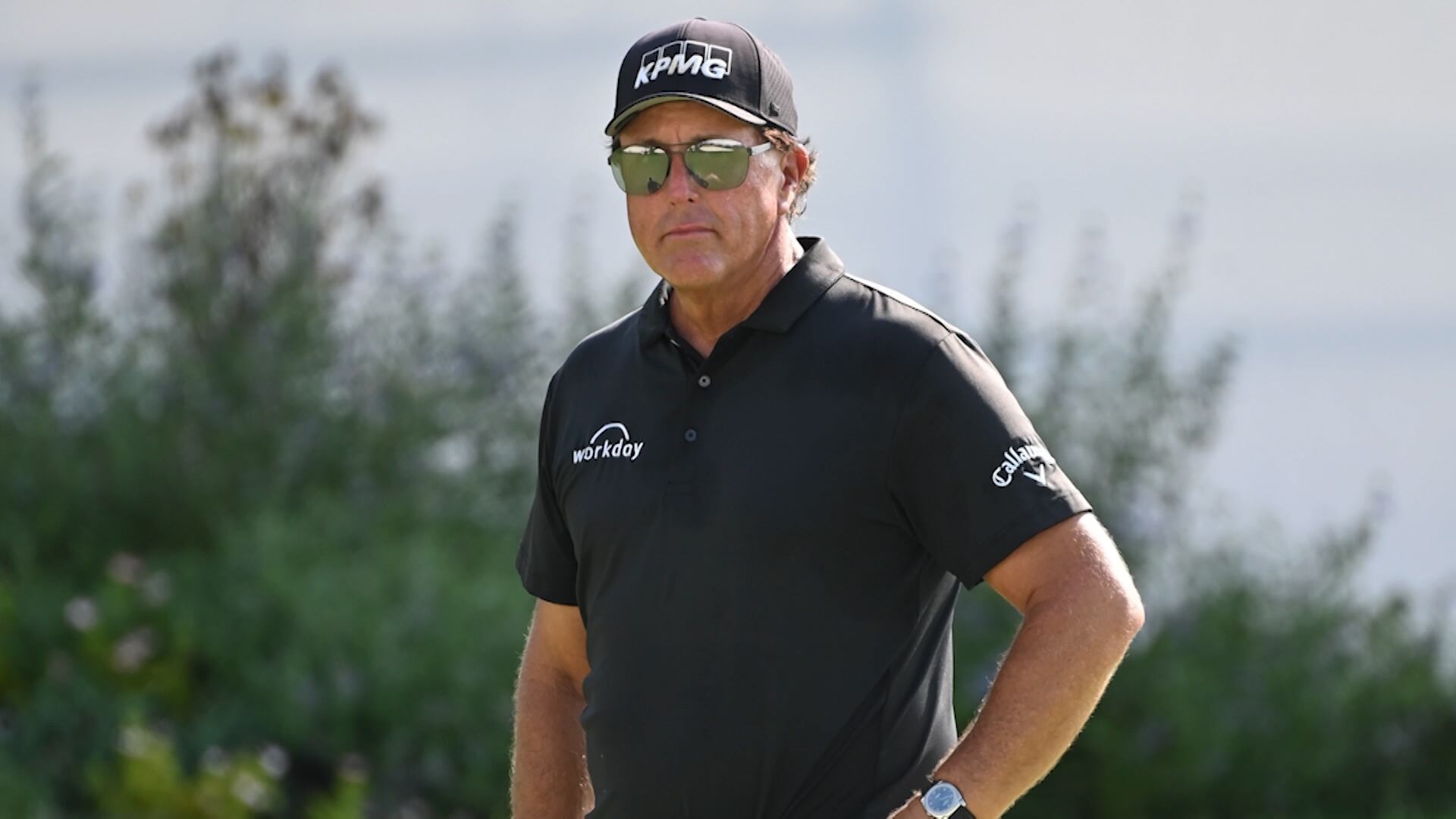
The PGA has suspended 17 golfers, including Phil Mickelson and Dustin Johnson, who are competing in a Saudi-backed golf event outside of London. In a memo, commissioner Jay Monahan said "these players have made their choice for their own financial-based reasons", announcing they are ineligible to participate on the PGA tour or any other tours it sanctions. Hugh Kellenberger, Senior Managing Editor at the Athletic, breaks down the controversy, and what might happen next.