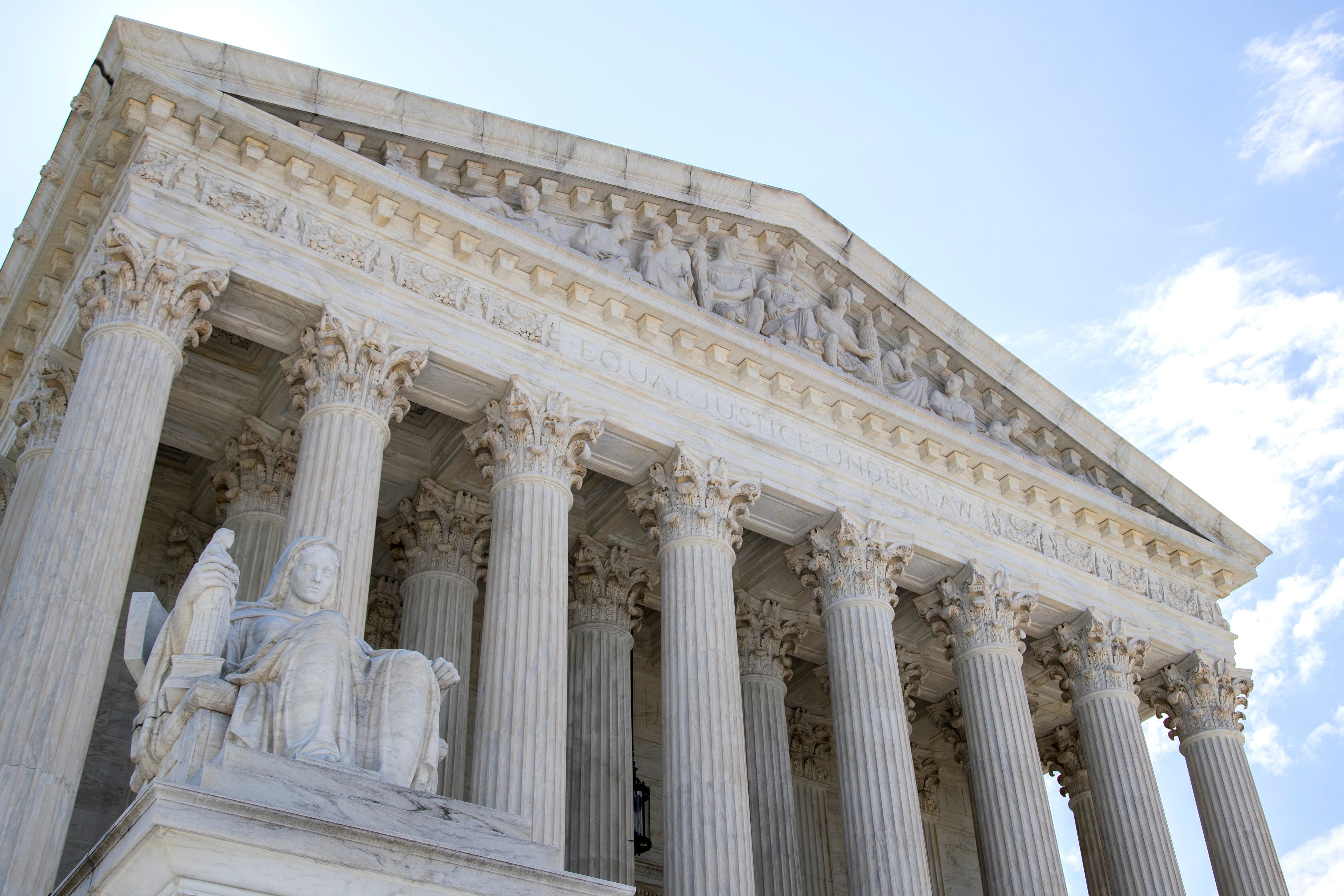
The U.S. Supreme Court is seen Tuesday, June 30, 2020 in Washington. (AP Photo/Manuel Balce Ceneta)
The Supreme Court on Monday upheld a 1991 law that bars robocalls to cellphones.
The case, argued by telephone in May because of the coronavirus pandemic, only arose after Congress in 2015 created an exception in the law that allowed the automated calls for collection of government debt.
Political consultants and pollsters were among those who asked the Supreme Court to strike down the entire 1991 law that bars them from making robocalls to cellphones as a violation of their free speech rights under the Constitution. The issue was whether, by allowing one kind of speech but not others, the exception made the whole law unconstitutional.
Six justices agreed that by allowing debt collection calls to cellphones Congress "impermissibly favored debt-collection speech over political and other speech, in violation of the First Amendment," Justice Brett Kavanaugh wrote. And seven justices agreed that the 2015 exception should be stricken from the law.
"Americans passionately disagree about many things. But they are largely united in their disdain for robocalls," Kavanaugh noted at the outset of his opinion.
During arguments in the case in May, Justice Stephen Breyer got cut off when someone tried calling him. Breyer said after he rejoined the court's arguments: "The telephone started to ring, and it cut me off the call and I don't think it was a robocall."
A huge, high-altitude Chinese balloon sailed across the U.S. on Friday, drawing severe Pentagon accusations of spying and sending excited or alarmed Americans outside with binoculars
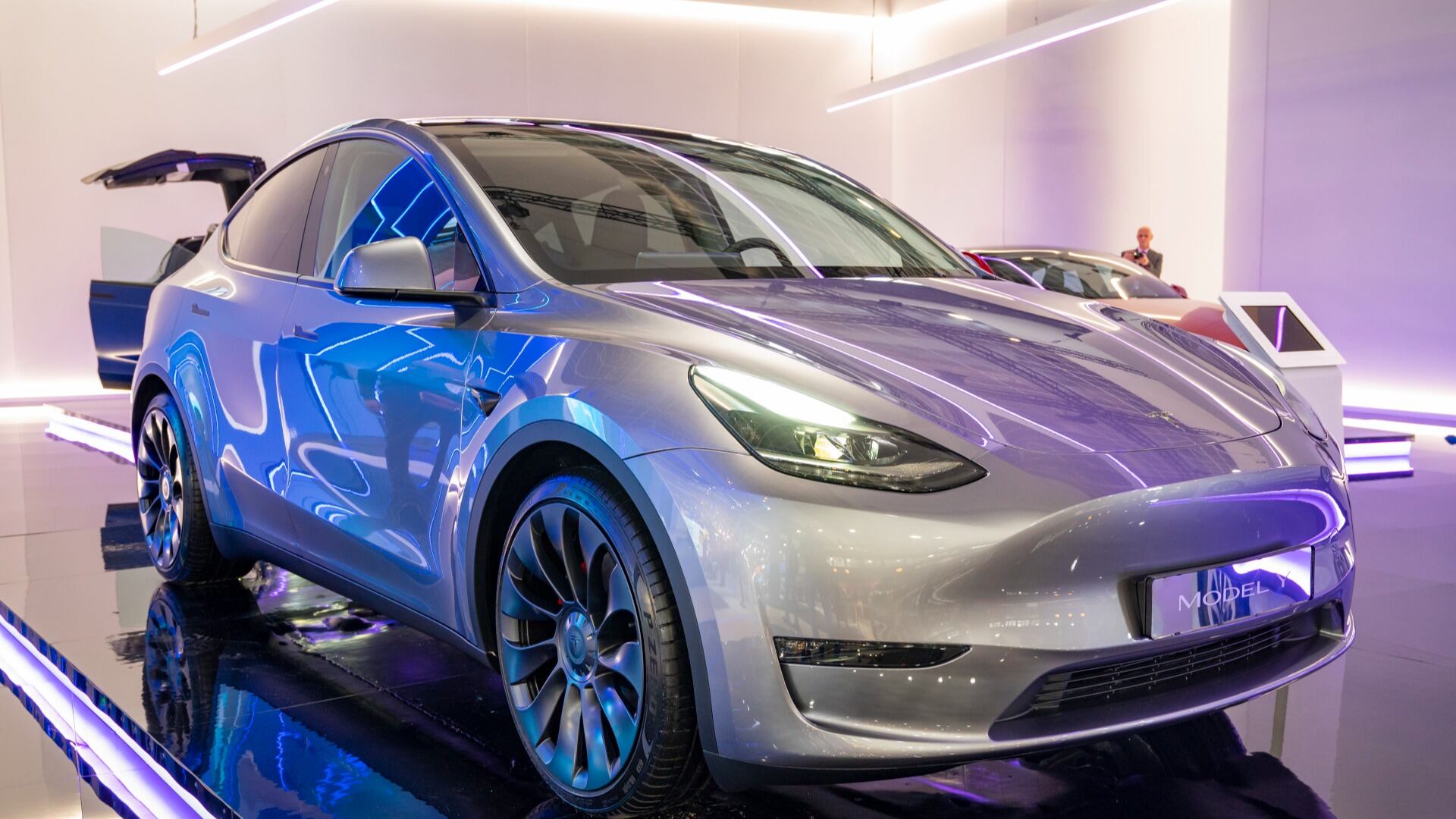
The U.S. Treasury Department has changed the standard for what kind of electric vehicles qualify for a federal tax benefit under the Inflation Reduction Act.
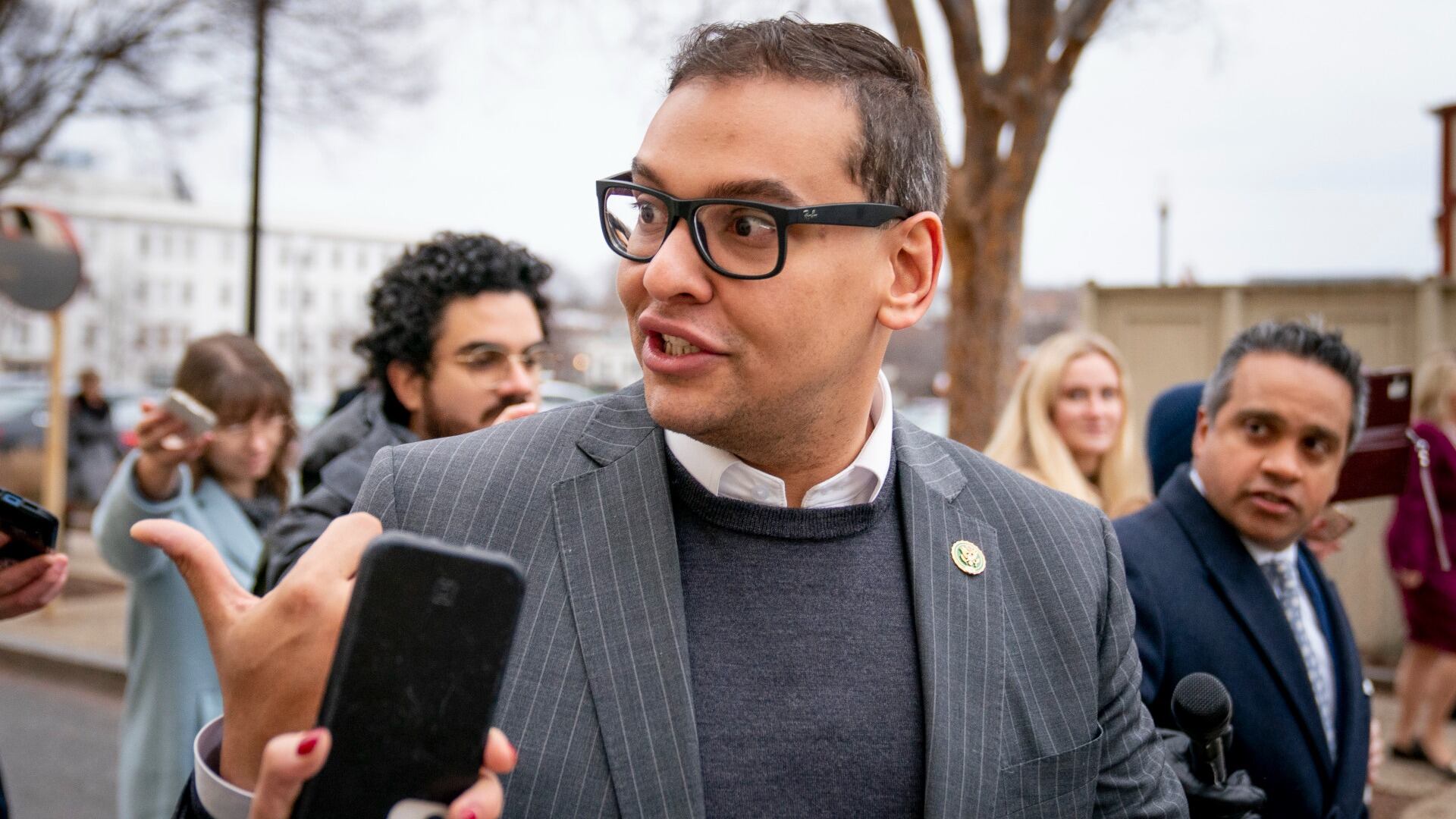
New York Republican Rep. George Santos is temporarily stepping down from his congressional committee assignments amid ongoing investigations surrounding his fabrications.
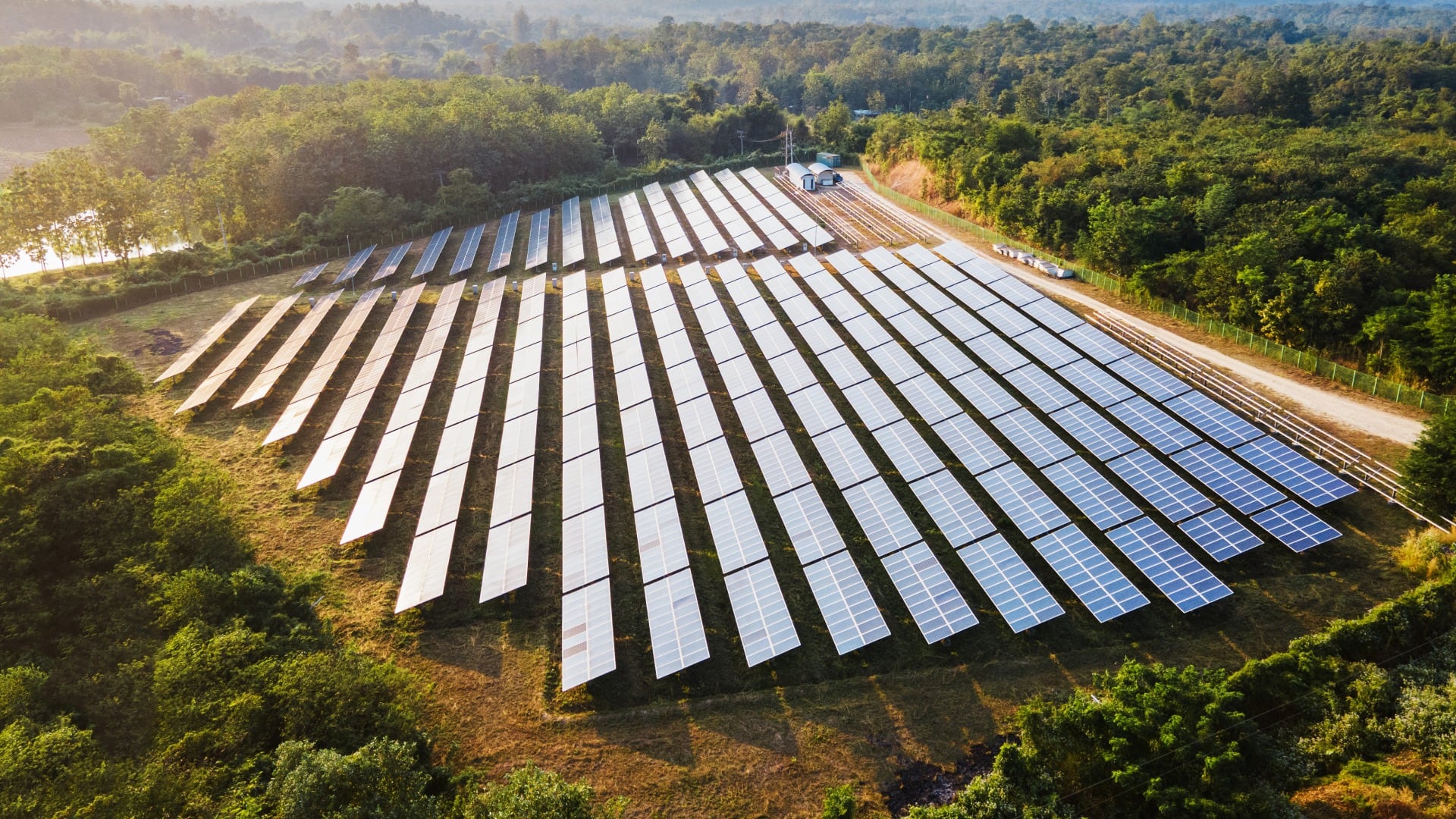
British energy giant BP predicts that fossil fuels as a primary energy source will decline from 80 percent in 2019 to between 55 and 20 percent in 2050.
The costs of COVID-19 vaccines are expected to skyrocket once the government stops buying them, with Pfizer saying it will charge as much as $130 per dose, and millions of people are expected to be kicked off of Medicaid.
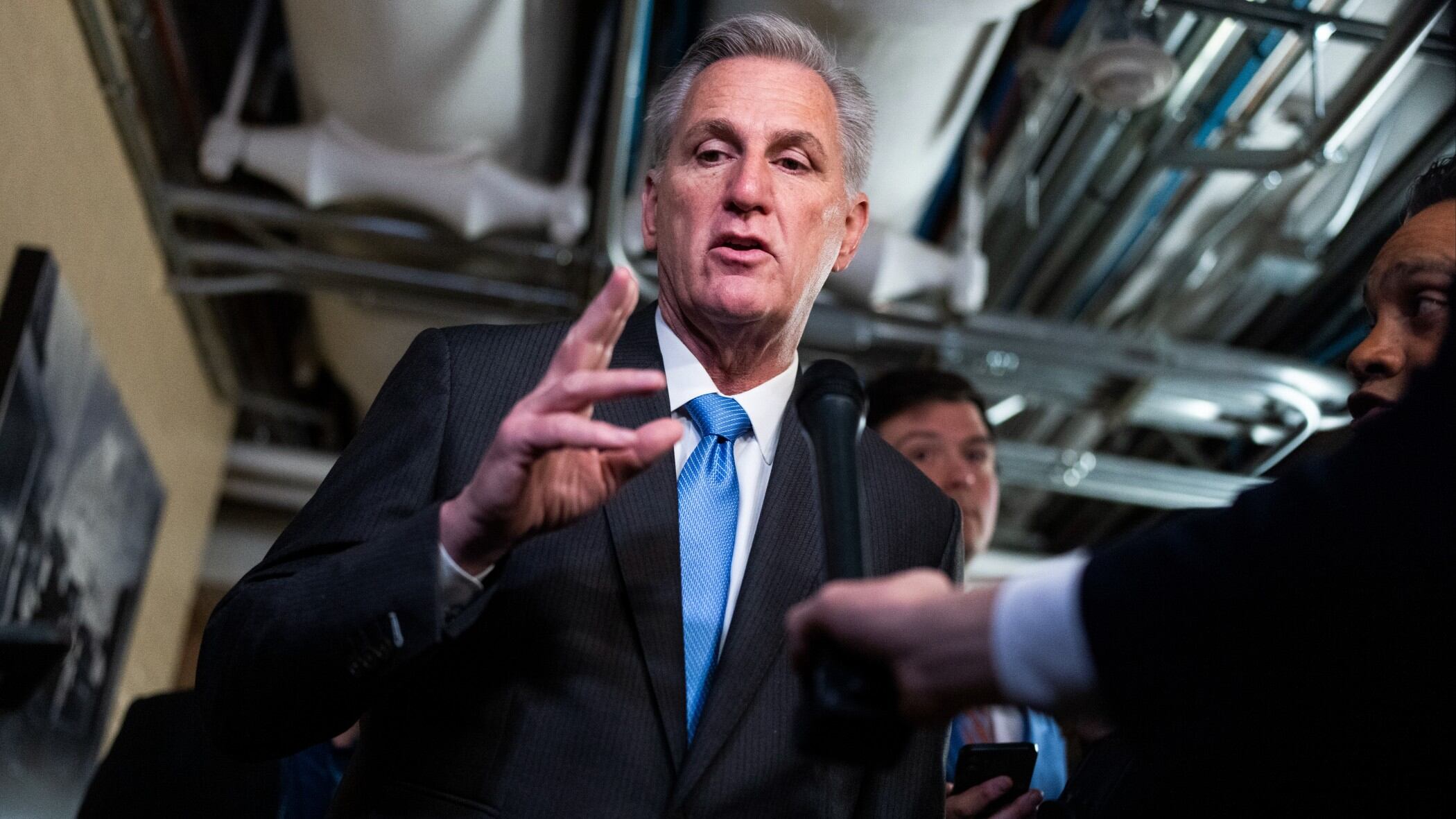
The House Speaker said he wants to address spending cuts along with raising the debt limit, even though the White House has ruled out linking those two issues together as the government tries to avoid a potentially devastating financial default.
Newly released video shows the husband of former U.S. House Speaker Nancy Pelosi fighting for control of a hammer with his assailant during a brutal attack in the couple’s San Francisco home last year.