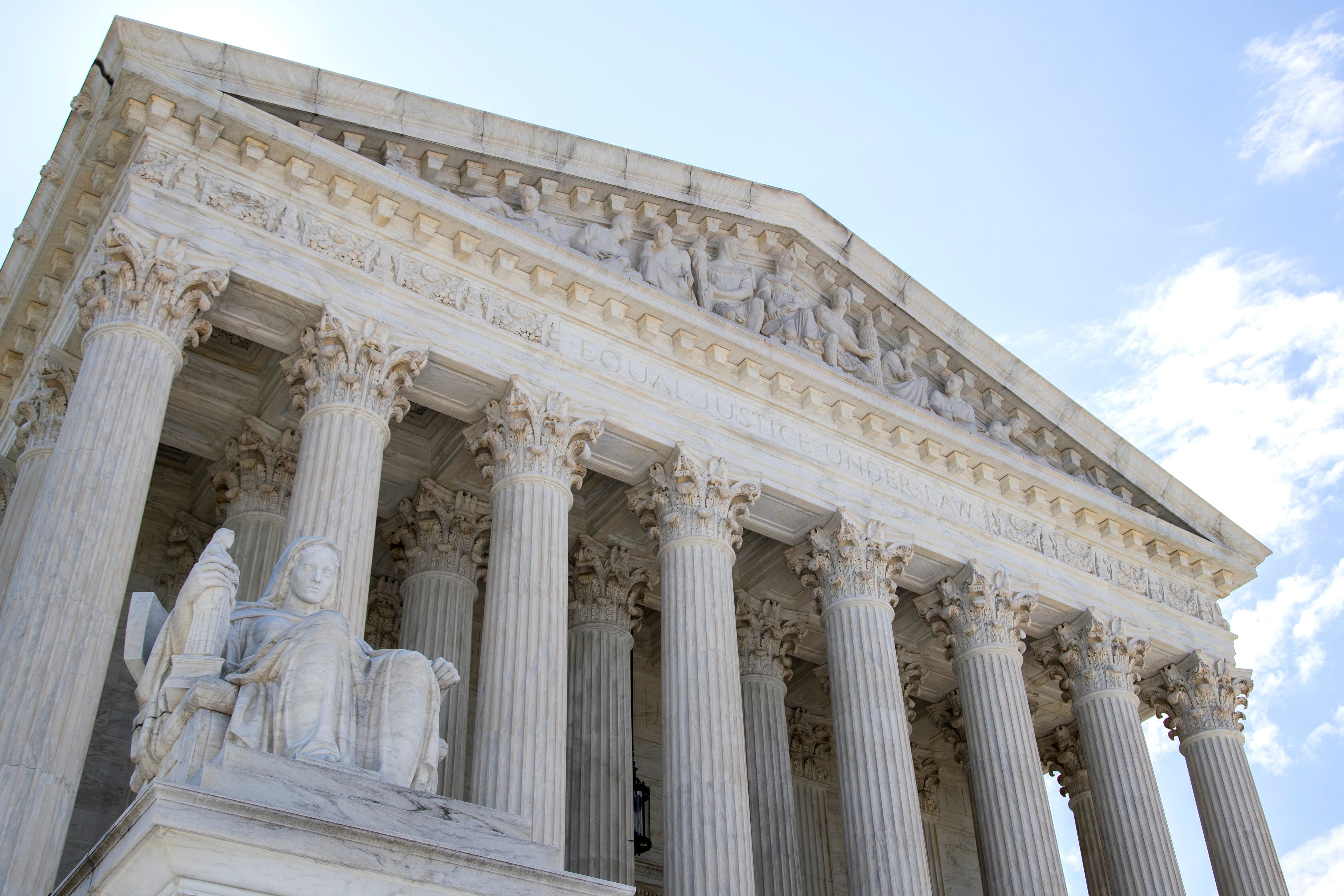
The U.S. Supreme Court is seen Tuesday, June 30, 2020 in Washington. (AP Photo/Manuel Balce Ceneta)
The Supreme Court on Monday upheld a 1991 law that bars robocalls to cellphones.
The case, argued by telephone in May because of the coronavirus pandemic, only arose after Congress in 2015 created an exception in the law that allowed the automated calls for collection of government debt.
Political consultants and pollsters were among those who asked the Supreme Court to strike down the entire 1991 law that bars them from making robocalls to cellphones as a violation of their free speech rights under the Constitution. The issue was whether, by allowing one kind of speech but not others, the exception made the whole law unconstitutional.
Six justices agreed that by allowing debt collection calls to cellphones Congress "impermissibly favored debt-collection speech over political and other speech, in violation of the First Amendment," Justice Brett Kavanaugh wrote. And seven justices agreed that the 2015 exception should be stricken from the law.
"Americans passionately disagree about many things. But they are largely united in their disdain for robocalls," Kavanaugh noted at the outset of his opinion.
During arguments in the case in May, Justice Stephen Breyer got cut off when someone tried calling him. Breyer said after he rejoined the court's arguments: "The telephone started to ring, and it cut me off the call and I don't think it was a robocall."
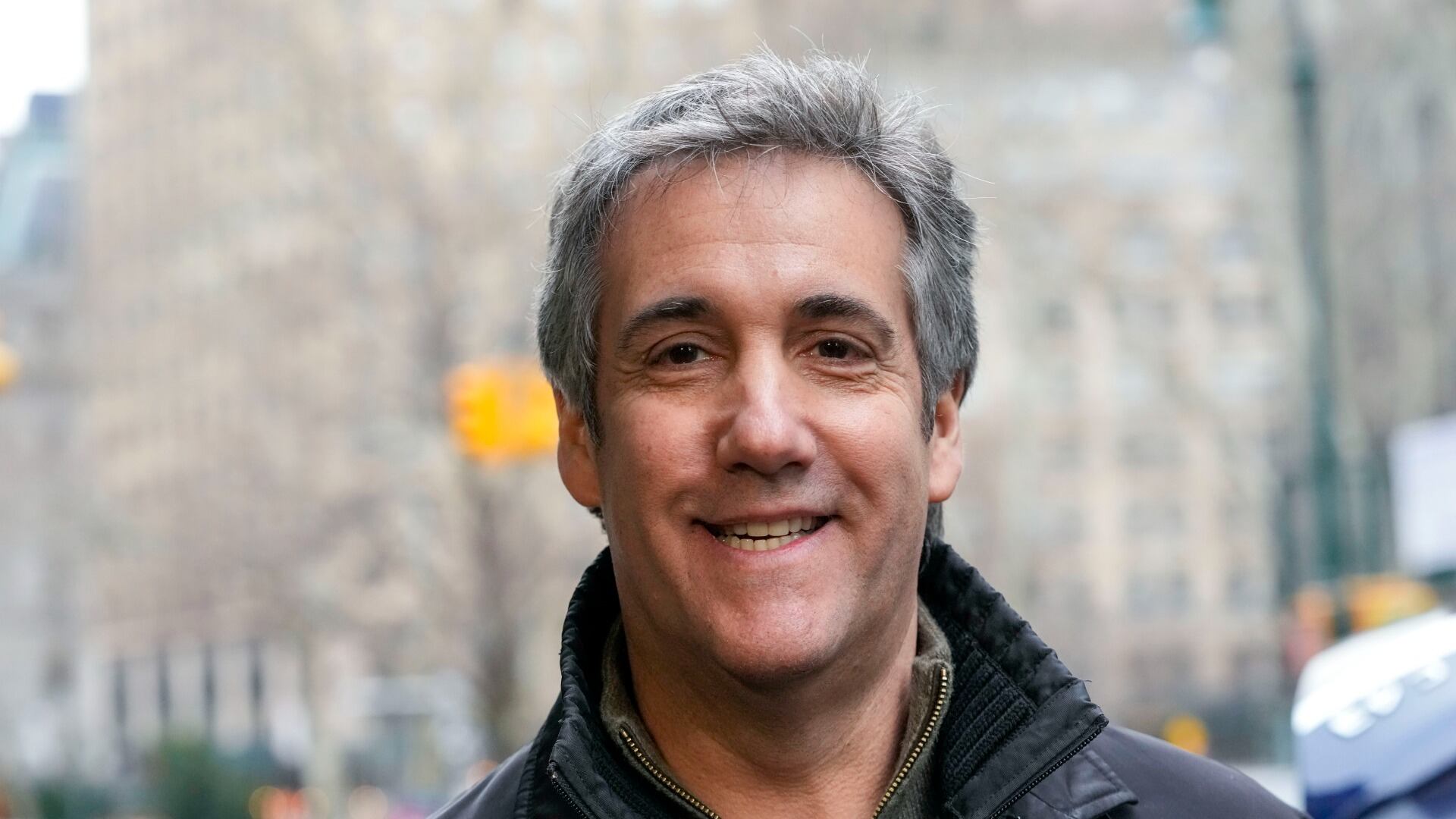
Donald Trump’s former lawyer and fixer Michael Cohen is expected to testify Monday before a Manhattan grand jury investigating hush money payments he arranged and made on the former president’s behalf.
Hackers have broken into a Washington, D.C. health insurance marketplace and stolen sensitive personal data including Social Security numbers and home addresses of members of Congress, their employees and family members.
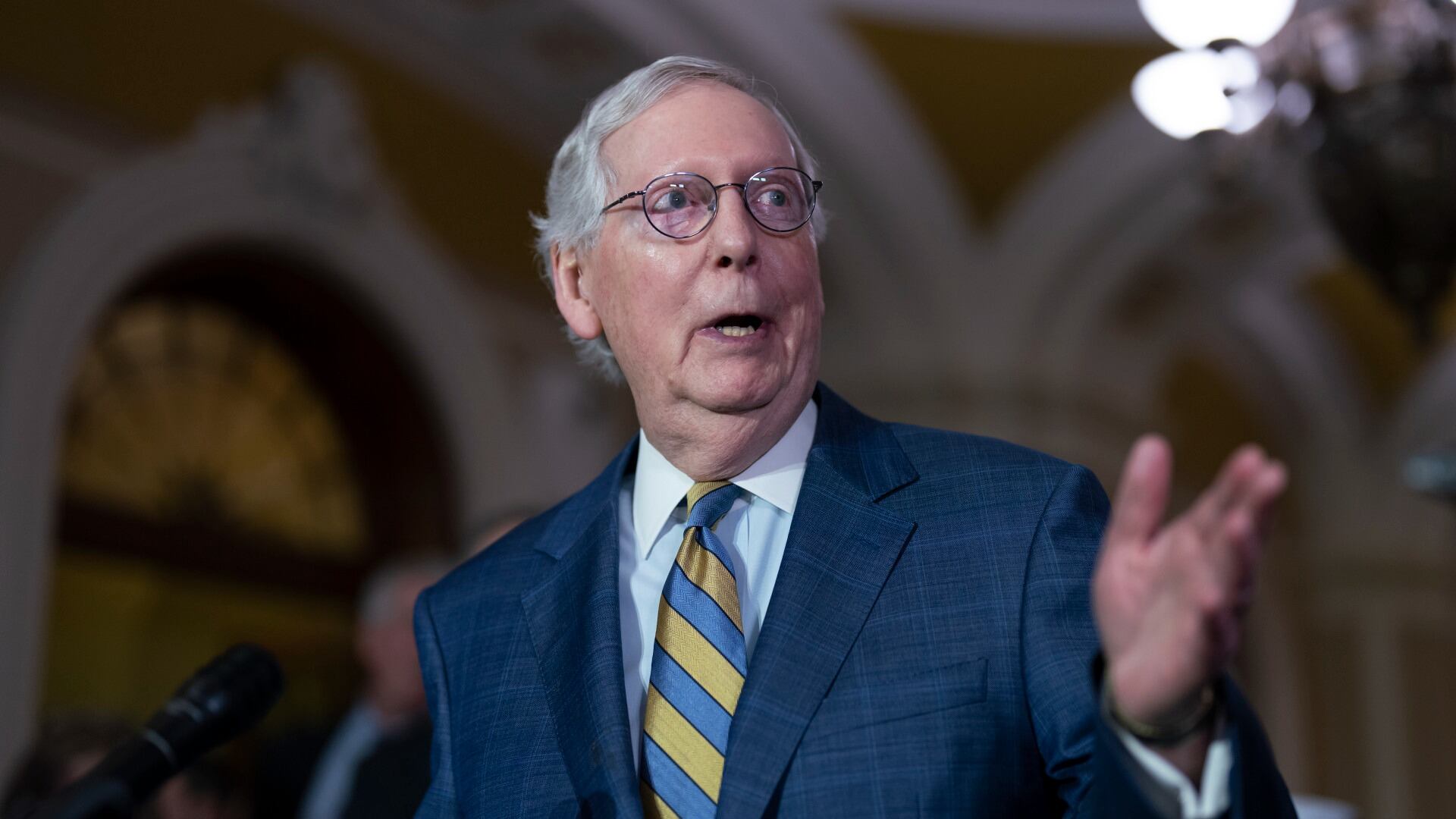
Senate Republican leader Mitch McConnell suffered a concussion after a fall at a local hotel and remains hospitalized “for a few days of observation and treatment,” a spokesman said Thursday.
Norfolk Southern's CEO is apologizing to Congress on Thursday and pledging millions of dollars to help East Palestine, Ohio, recover from the fiery hazardous materials train derailment as senators investigate.
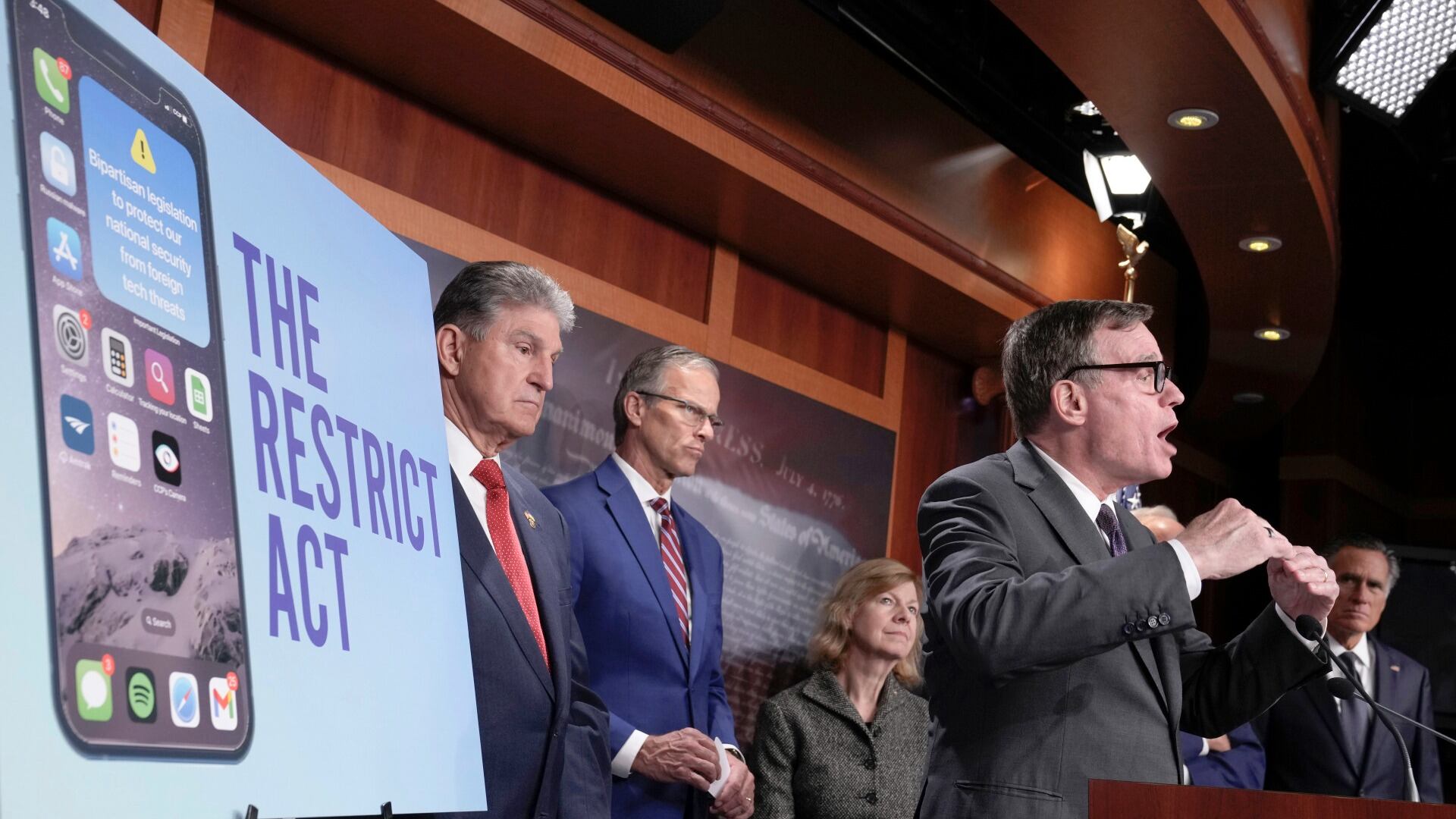
The RESTRICT Act seeks to proactively tackle dangerous technology, including TikTok, according to a bipartisan group of senators that includes Mark Warner (D-Va.).