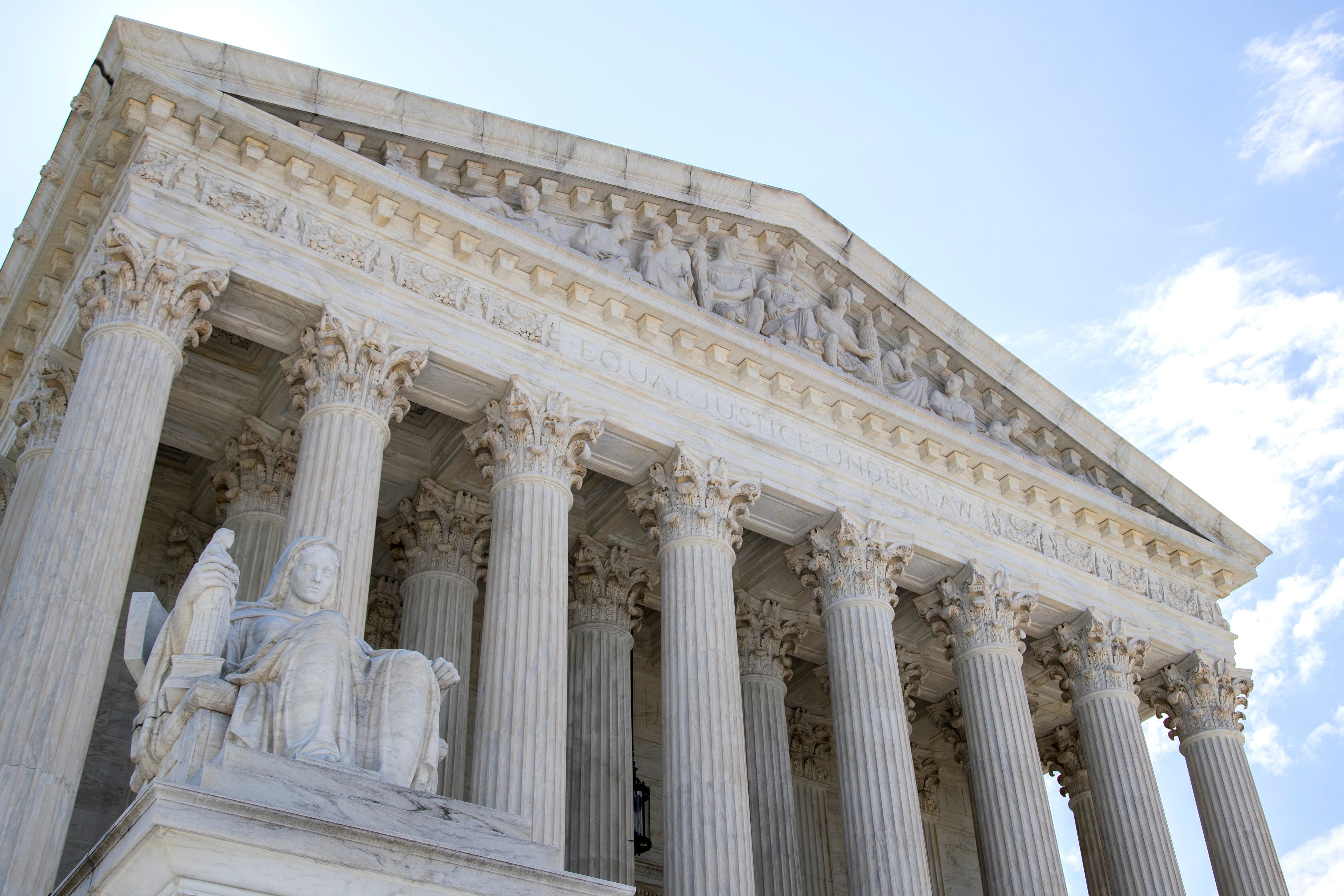
The Supreme Court on Monday upheld a 1991 law that bars robocalls to cellphones.
The case, argued by telephone in May because of the coronavirus pandemic, only arose after Congress in 2015 created an exception in the law that allowed the automated calls for collection of government debt.
Political consultants and pollsters were among those who asked the Supreme Court to strike down the entire 1991 law that bars them from making robocalls to cellphones as a violation of their free speech rights under the Constitution. The issue was whether, by allowing one kind of speech but not others, the exception made the whole law unconstitutional.
Six justices agreed that by allowing debt collection calls to cellphones Congress "impermissibly favored debt-collection speech over political and other speech, in violation of the First Amendment," Justice Brett Kavanaugh wrote. And seven justices agreed that the 2015 exception should be stricken from the law.
"Americans passionately disagree about many things. But they are largely united in their disdain for robocalls," Kavanaugh noted at the outset of his opinion.
During arguments in the case in May, Justice Stephen Breyer got cut off when someone tried calling him. Breyer said after he rejoined the court's arguments: "The telephone started to ring, and it cut me off the call and I don't think it was a robocall."
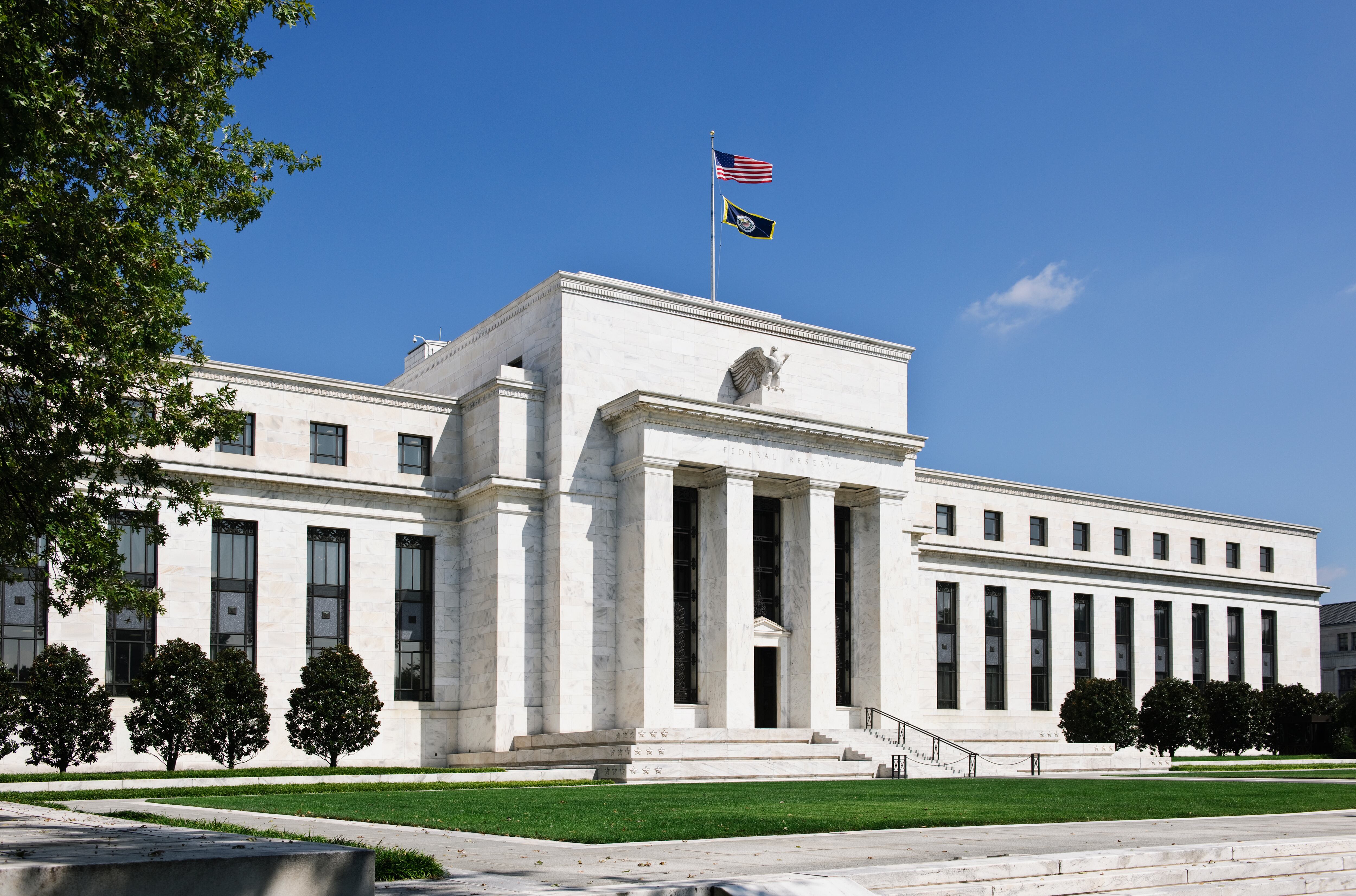
Cash-short banks have borrowed about $300 billion from the Federal Reserve in the past week, the central bank announced Thursday.
A total of 33 states and the District of Columbia now allow at least some form of sports wagering, but the prospects are mixed for expanding sports betting to additional states this year.
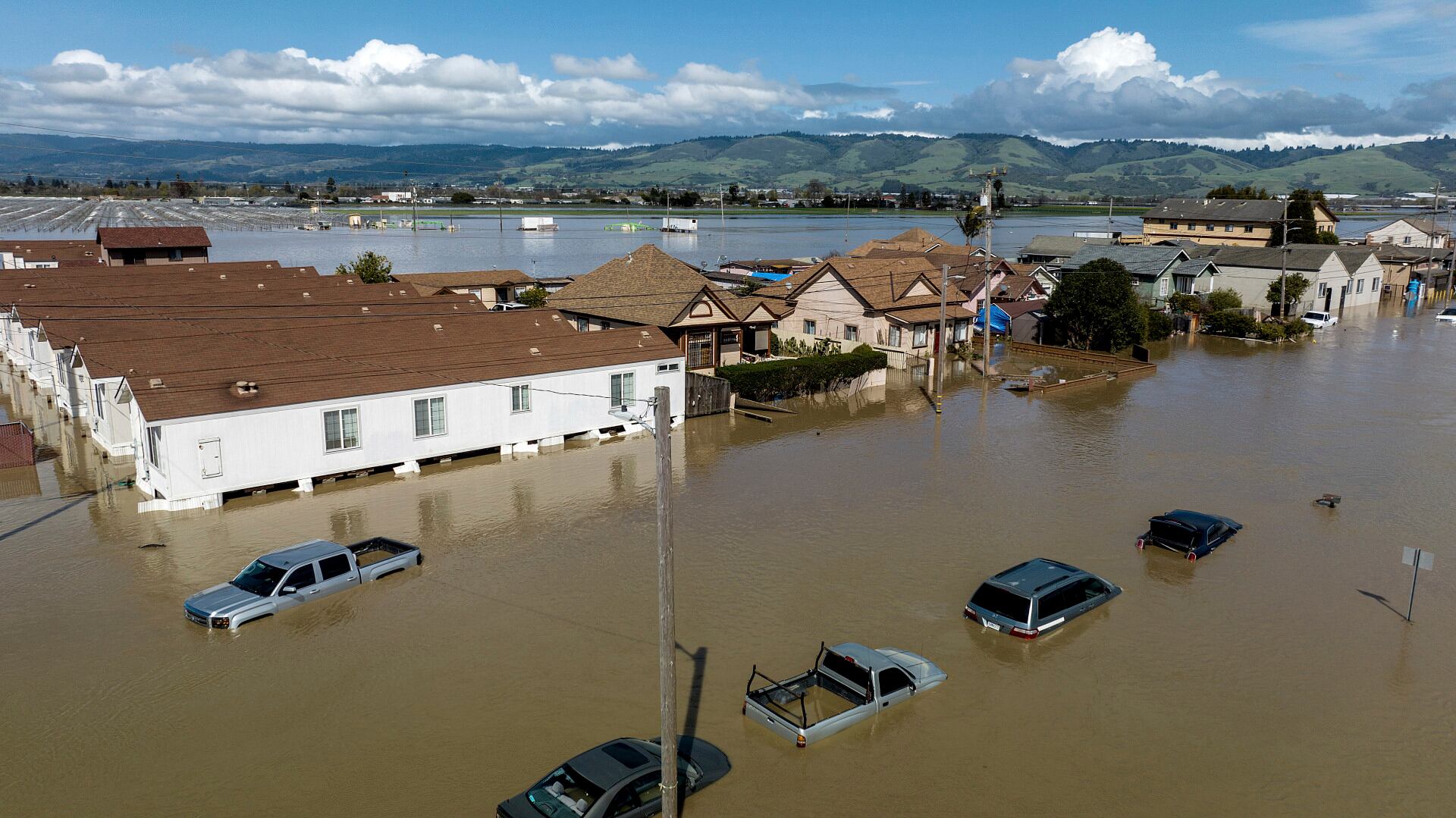
The National Oceanic and Atmospheric Administration has released its 2023 Spring outlook and the ongoing trend of unseasonable weather could be continuing.
Adam Bry, co-founder and CEO of drone manufacturer Skydio, joined Cheddar News to discuss the company's latest funding round and the Russia-US drone collision.
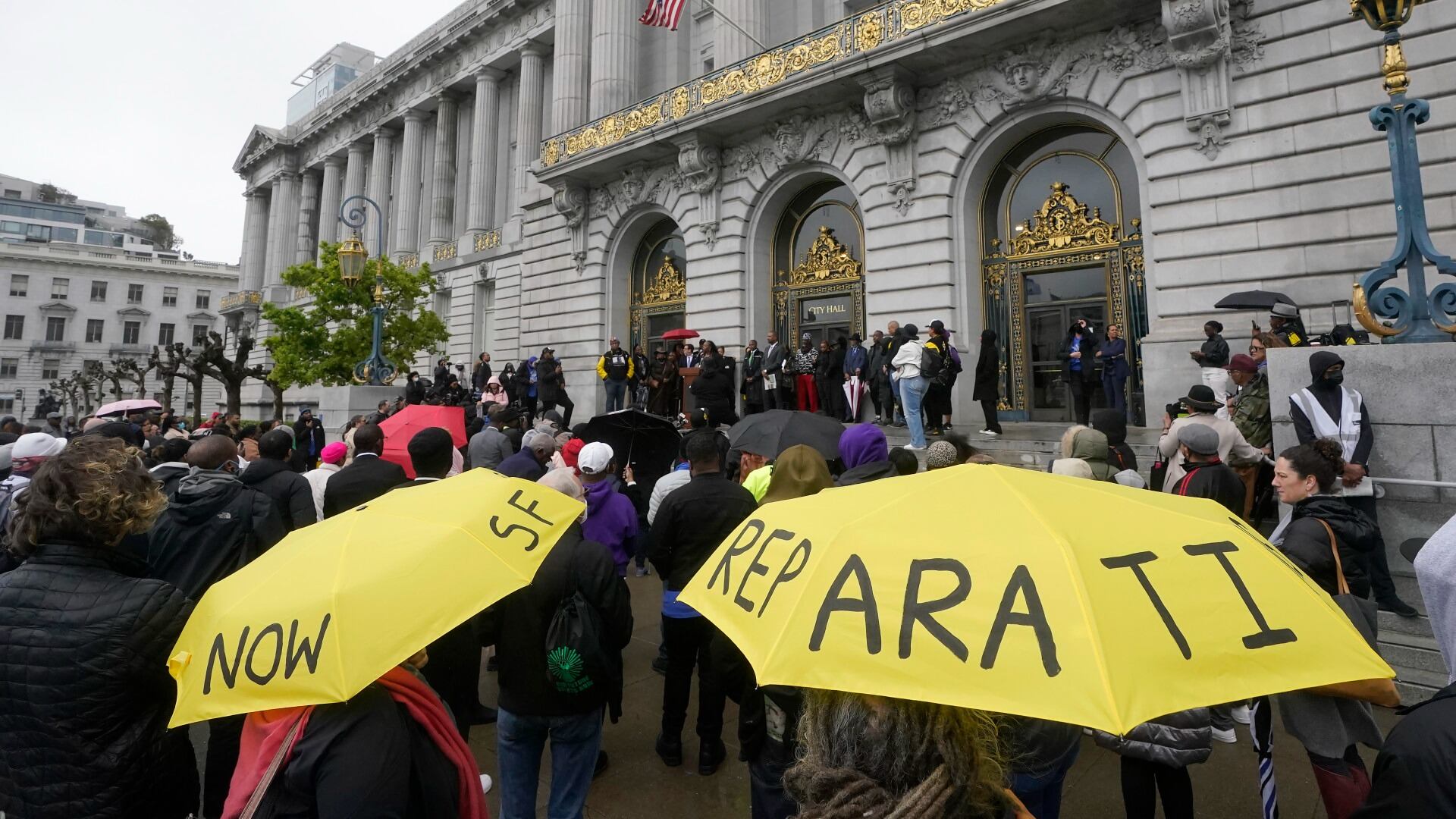
The San Francisco Board of Supervisors voiced support for the city's reparations committee's recommendation to pay eligible Black adult residents $5 million
The Federal Reserve on Wednesday evening said its long-awaited digital payment system, the FedNow Service, will start operating in July. The service is designed to provide a national platform for financial institutions to settle payments in real-time and at lower cost. That could include large banks, payment processors, and the U.S. Treasury.
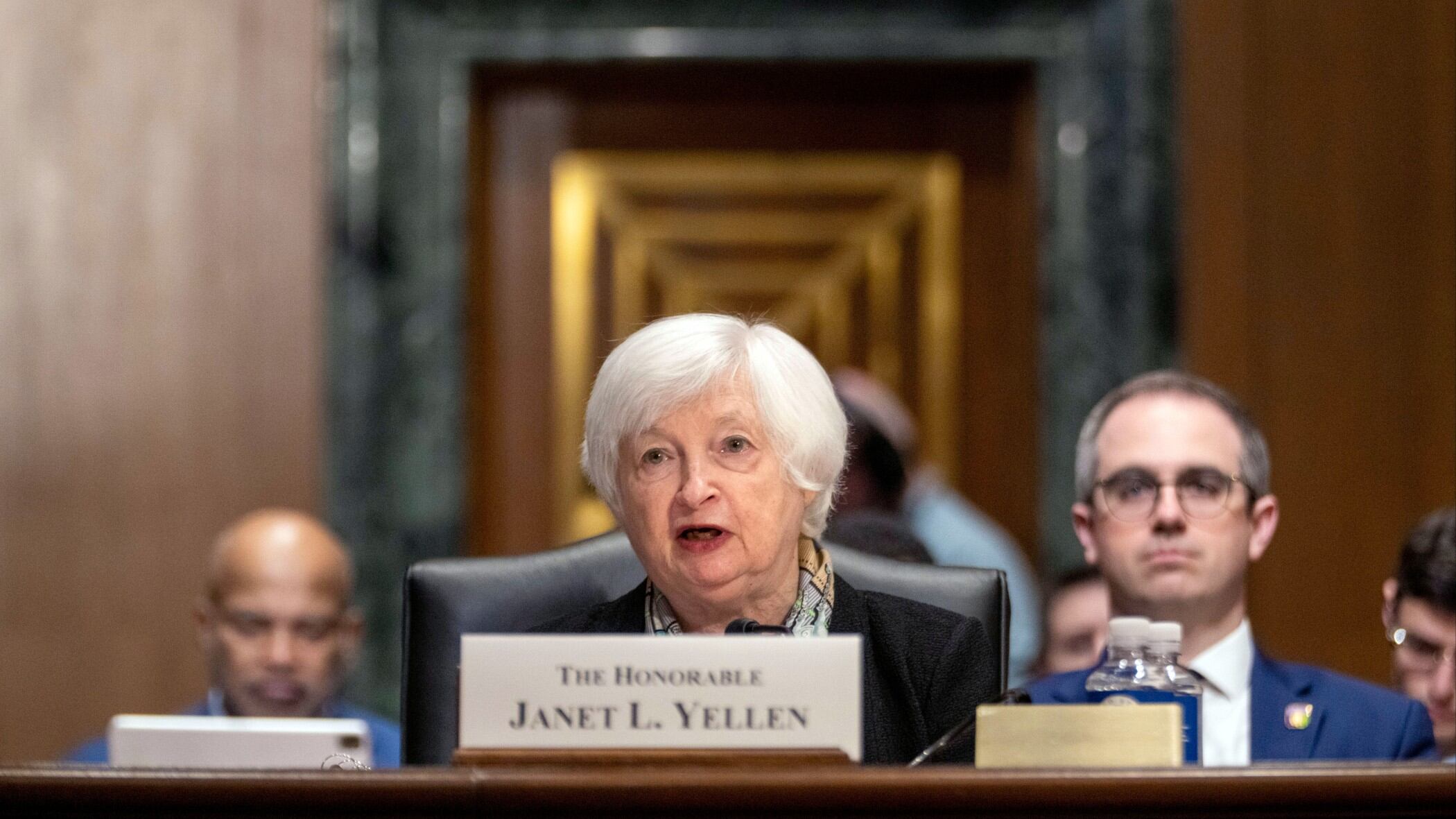
A week after the second-largest bank collapse in U.S. history, Treasury Secretary Janet Yellen is set to tell the Senate Finance Committee that the nation's banking system “remains sound” and Americans "can feel confident” about their deposits.
A federal judge in Texas raised questions Wednesday about a Christian group's effort to overturn the decades-old U.S. approval of a leading abortion drug, in a case that could threaten the country's most common method for ending pregnancies.
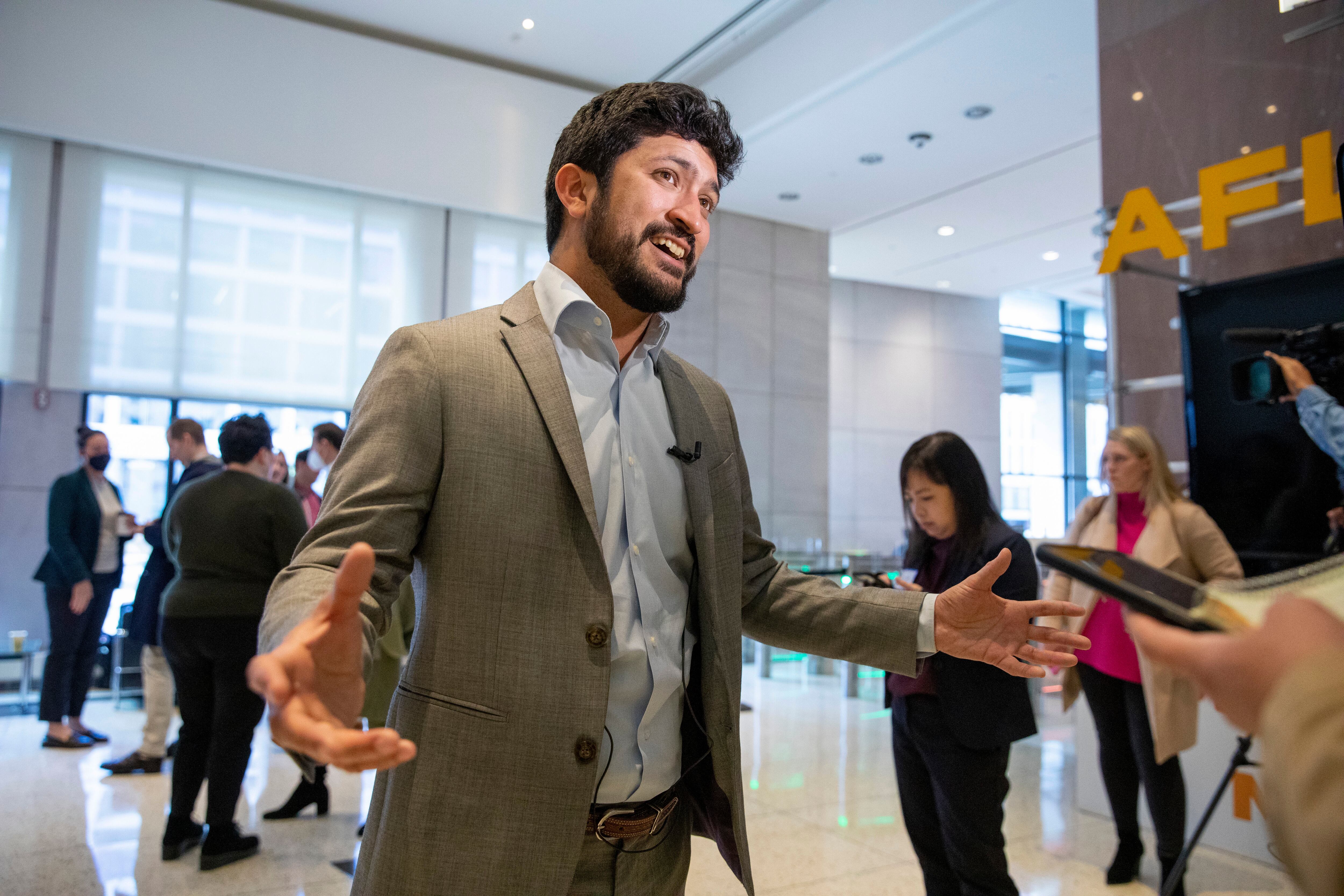
Texas Rep. Greg Casar spoke with Cheddar News to give his thoughts on abortion rights and union protection.
Texas officials have announced a takeover of Houston’s nearly 200,000-student school district.