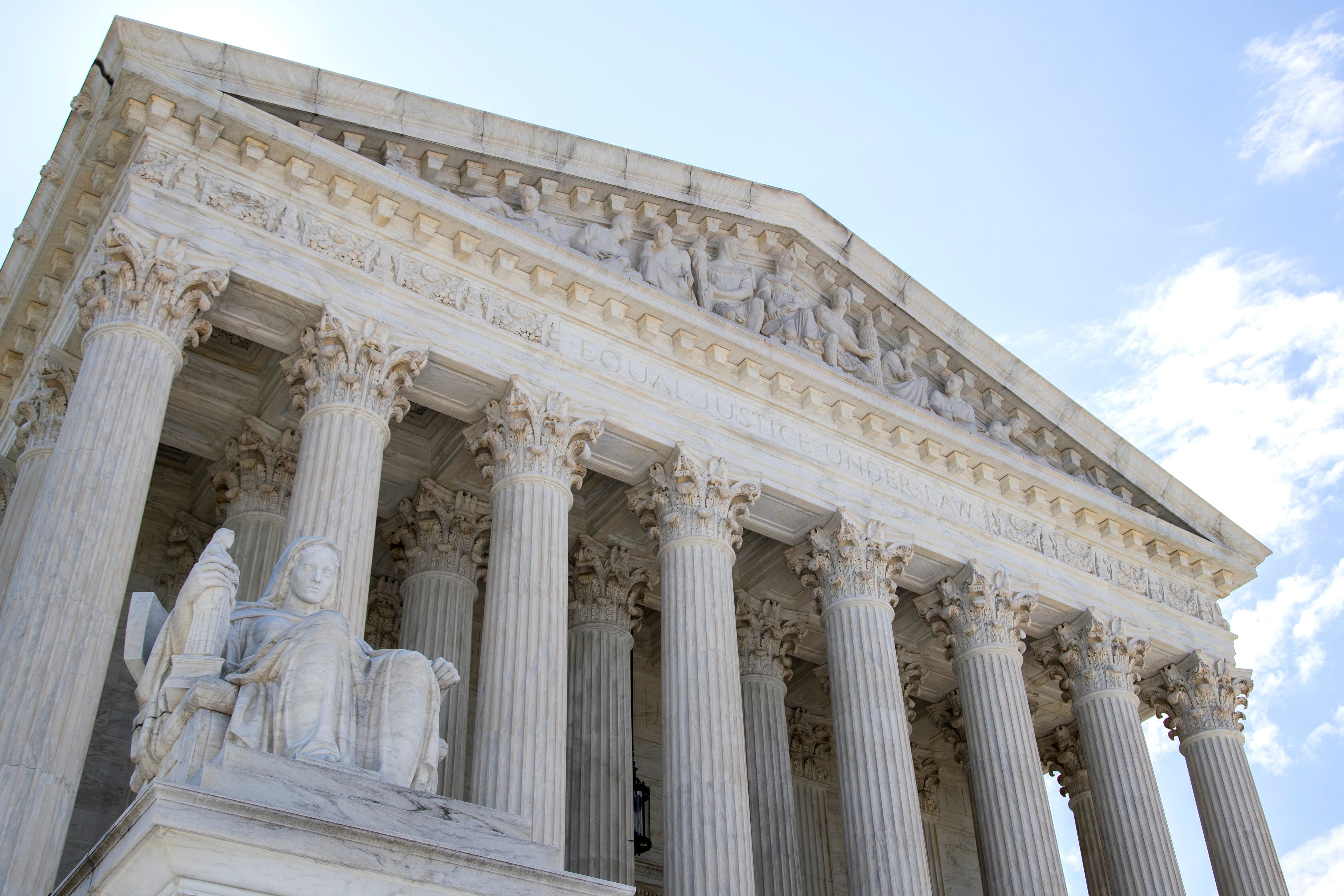
The Supreme Court on Monday upheld a 1991 law that bars robocalls to cellphones.
The case, argued by telephone in May because of the coronavirus pandemic, only arose after Congress in 2015 created an exception in the law that allowed the automated calls for collection of government debt.
Political consultants and pollsters were among those who asked the Supreme Court to strike down the entire 1991 law that bars them from making robocalls to cellphones as a violation of their free speech rights under the Constitution. The issue was whether, by allowing one kind of speech but not others, the exception made the whole law unconstitutional.
Six justices agreed that by allowing debt collection calls to cellphones Congress "impermissibly favored debt-collection speech over political and other speech, in violation of the First Amendment," Justice Brett Kavanaugh wrote. And seven justices agreed that the 2015 exception should be stricken from the law.
"Americans passionately disagree about many things. But they are largely united in their disdain for robocalls," Kavanaugh noted at the outset of his opinion.
During arguments in the case in May, Justice Stephen Breyer got cut off when someone tried calling him. Breyer said after he rejoined the court's arguments: "The telephone started to ring, and it cut me off the call and I don't think it was a robocall."
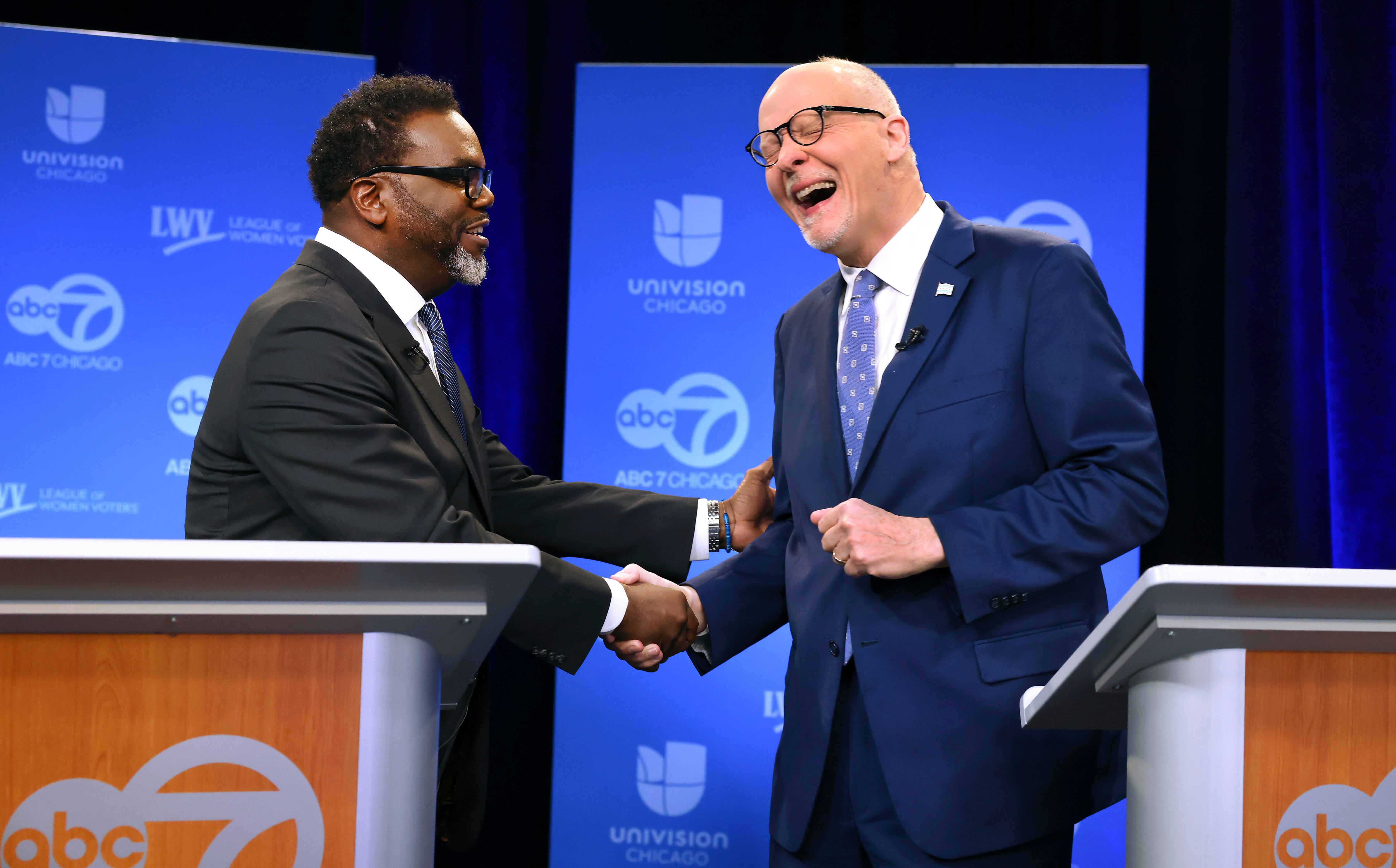
Voters are heading to the polls in Chicago to vote for either Brandon Johnson or Paul Vallas as new mayor.
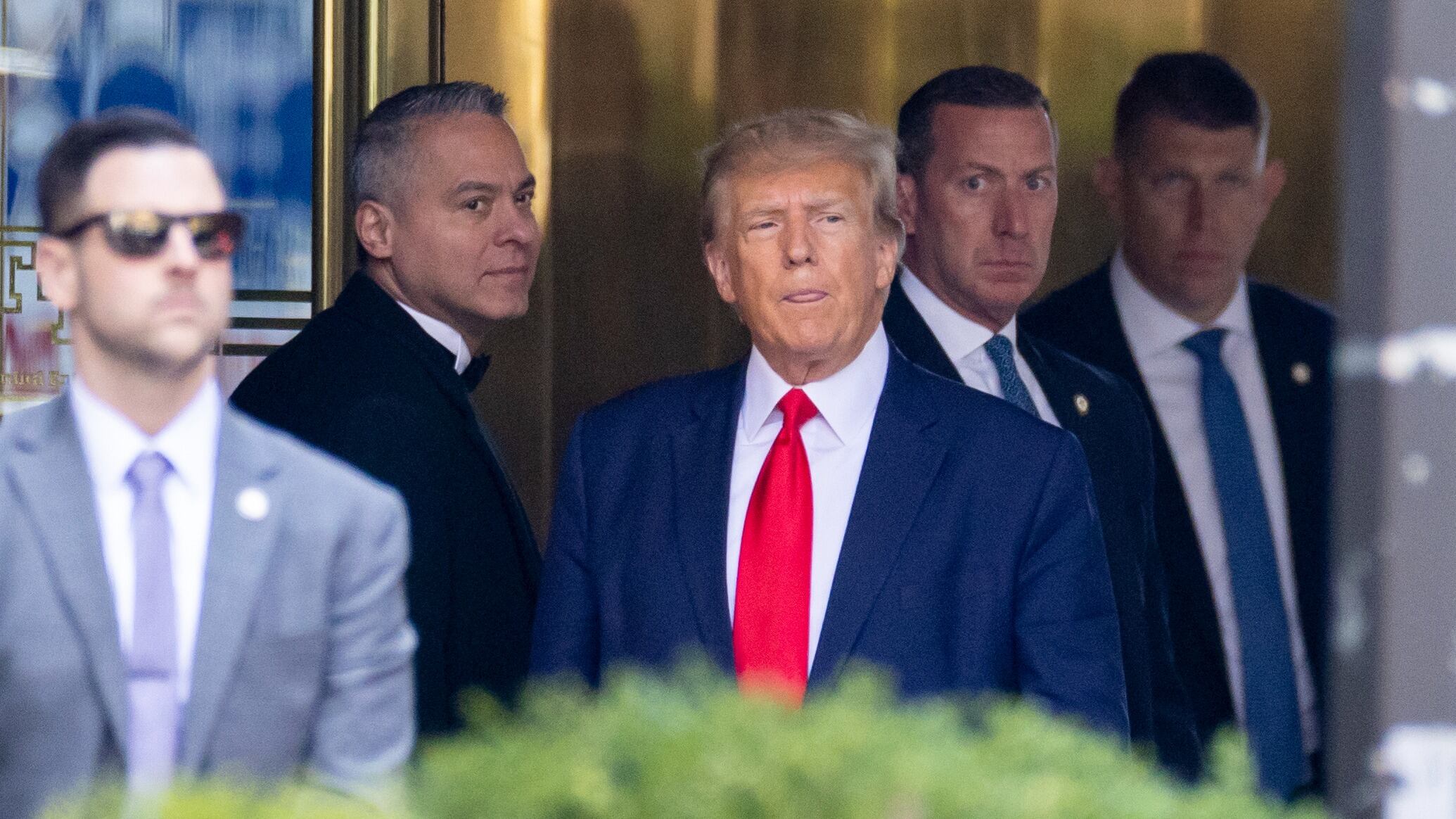
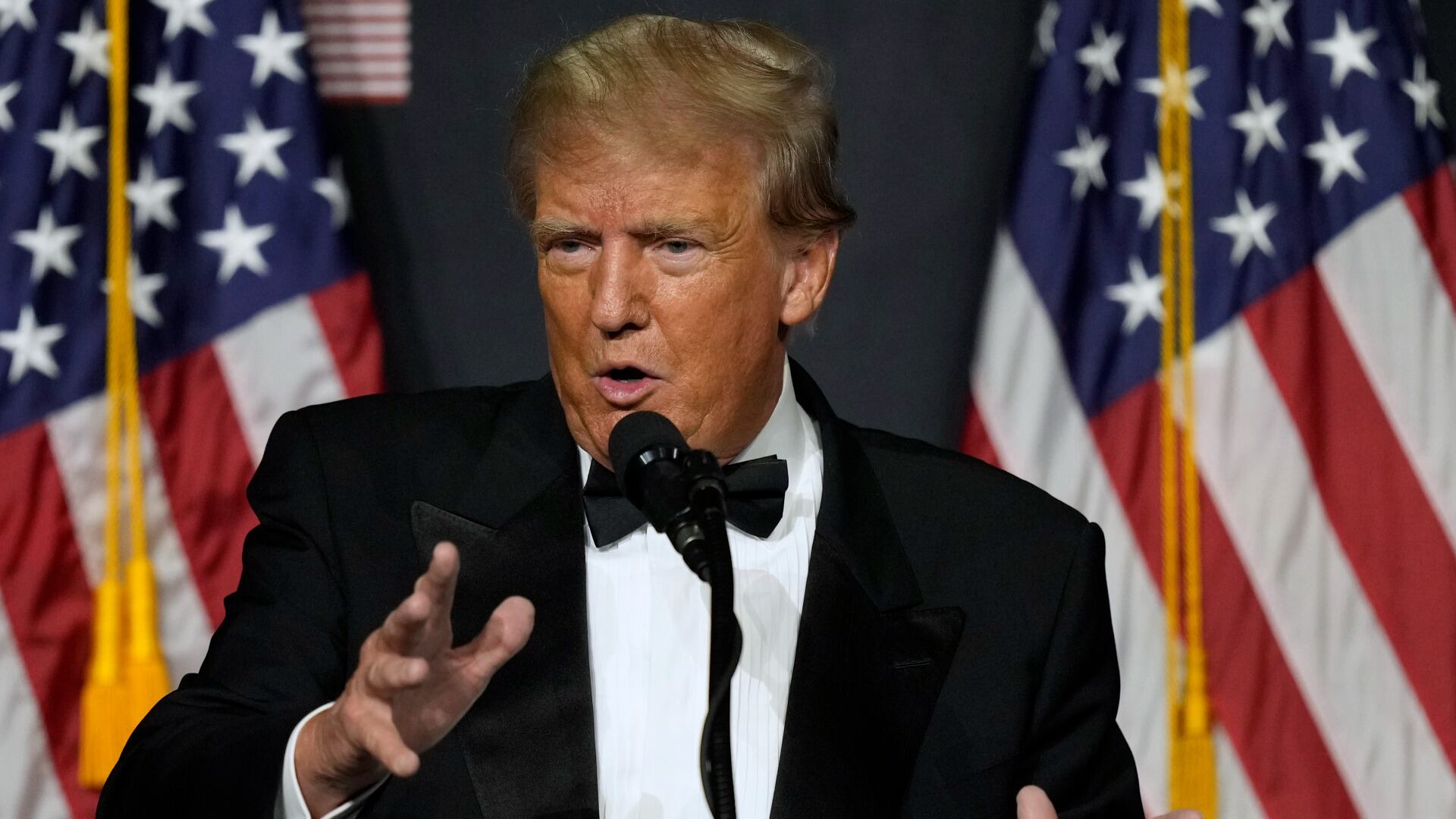
Breaking Down Potential Felony Charges Former President Donald Trump Faces
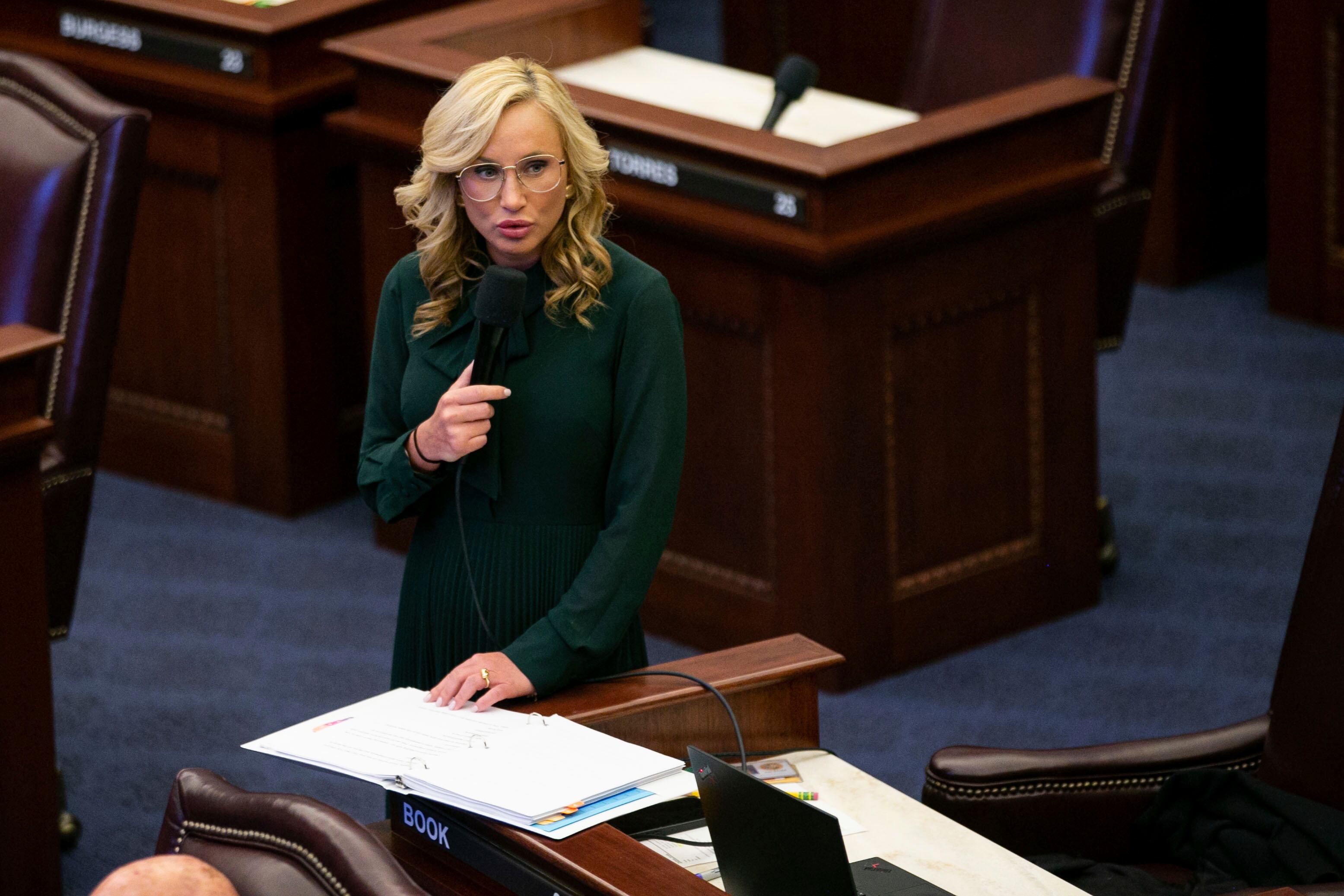
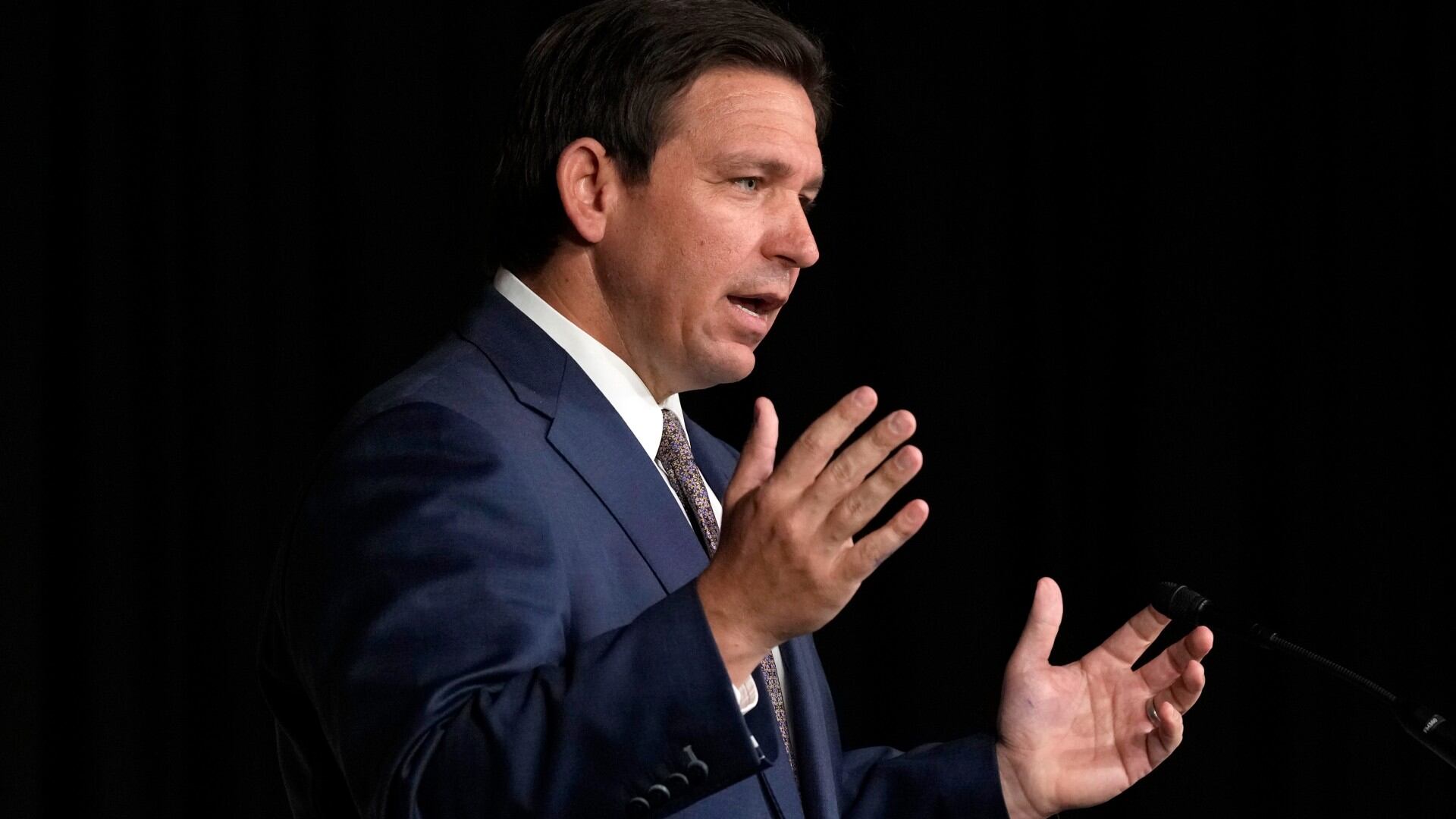
The Florida Senate on Monday approved a bill to ban abortions after six weeks, a measure supported by Gov. Ron DeSantis as the Republican prepares to launch his expected presidential candidacy.
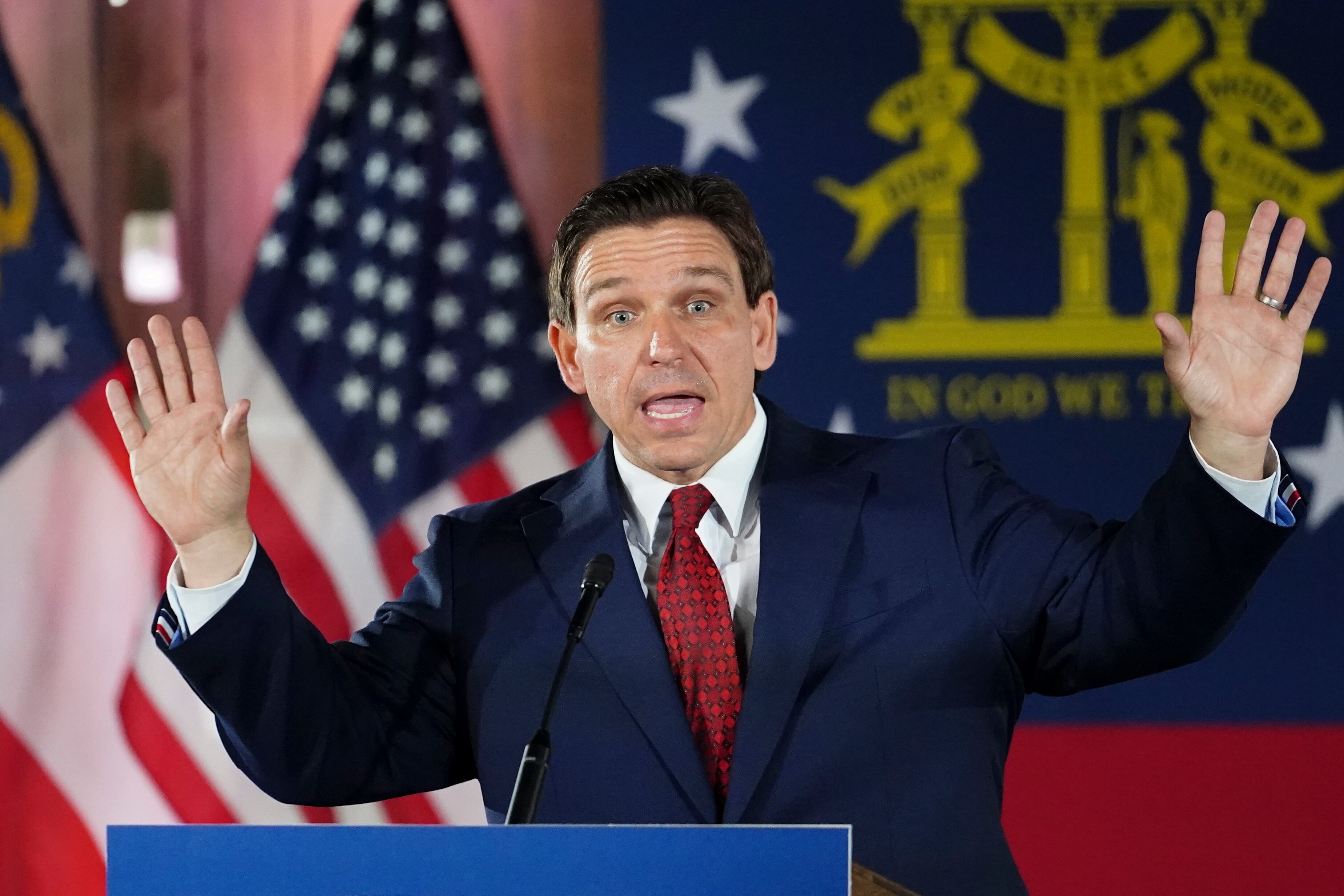
Floridians will be able to carry concealed guns without a permit under a bill Republican Gov. Ron DeSantis signed Monday, giving the governor another legislative victory as he prepares a campaign for president.
President Joe Biden's administration is making $450 million available for solar farms and other clean energy projects across the country at the site of current or former coal mines, part of his ongoing efforts to combat climate change.
Disney CEO Bob Iger on Monday said any retaliatory actions by Florida Gov. Ron DeSantis and the Republican-controlled Florida Legislature against the company that threaten jobs or expansion at its Florida resort is not only “anti-business ... but anti-Florida.”
Finland has joined the NATO military alliance. The move deals a major blow to Russia with a historic realignment of the continent triggered by Moscow’s invasion of Ukraine.
The Day Ahead: President Trump's Arraignment and JOLTS Report Update
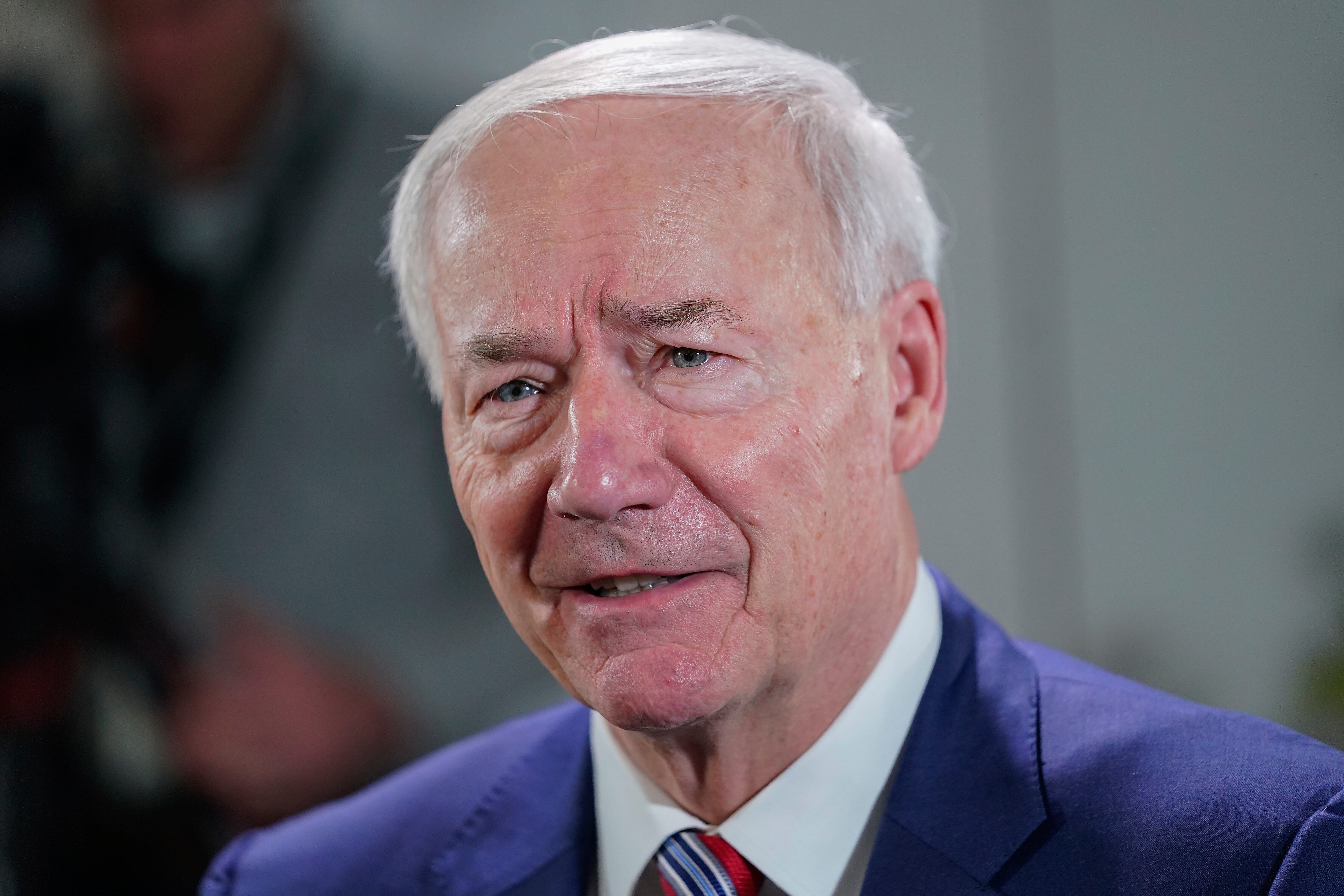
Former Arkansas Governor Asa Hutchinson Signals Bid for Presidency
The blue-and-white Finnish flag rises outside NATO headquarters Tuesday afternoon, doubling Russia’s border with the world’s biggest security alliance.