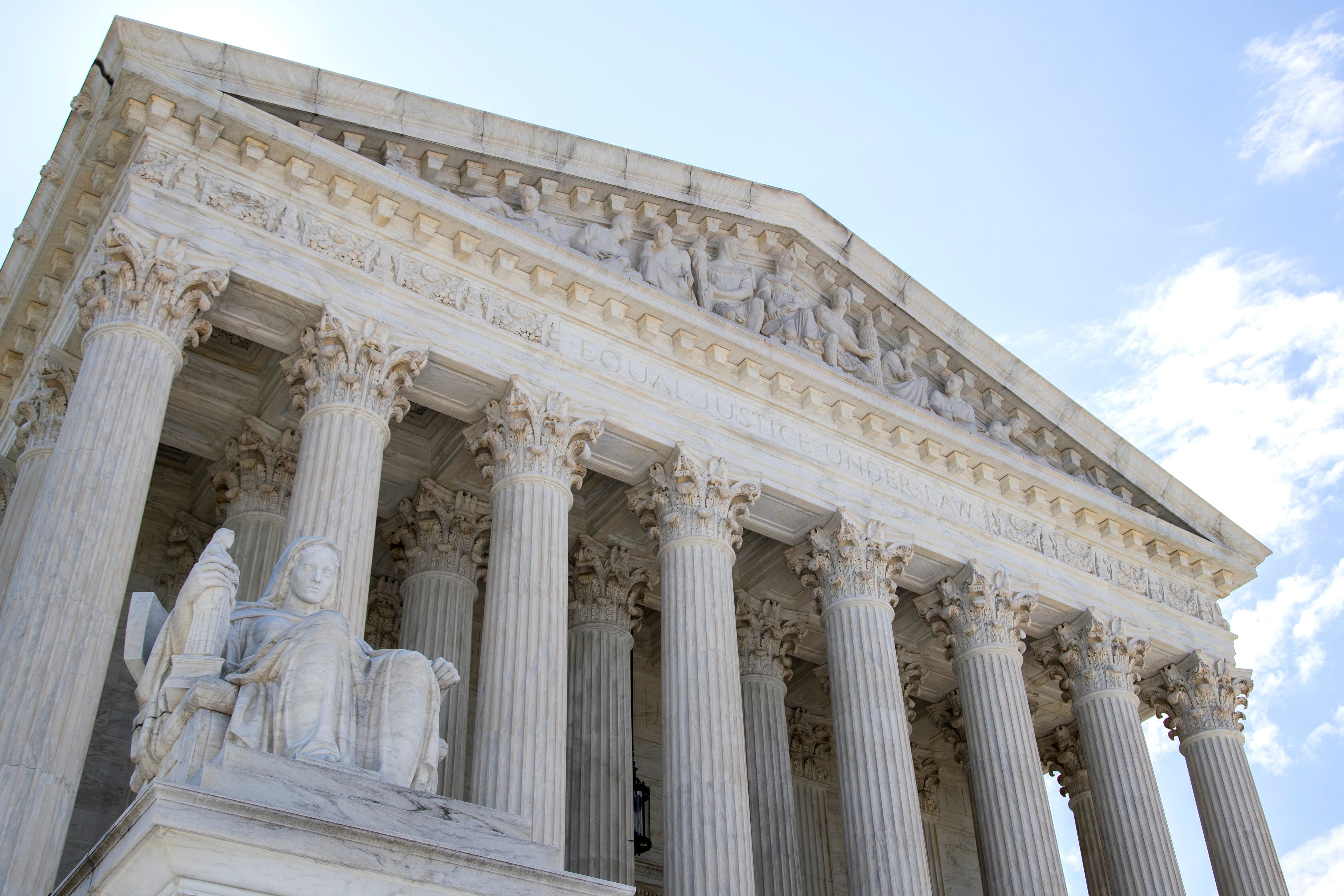
The Supreme Court on Monday upheld a 1991 law that bars robocalls to cellphones.
The case, argued by telephone in May because of the coronavirus pandemic, only arose after Congress in 2015 created an exception in the law that allowed the automated calls for collection of government debt.
Political consultants and pollsters were among those who asked the Supreme Court to strike down the entire 1991 law that bars them from making robocalls to cellphones as a violation of their free speech rights under the Constitution. The issue was whether, by allowing one kind of speech but not others, the exception made the whole law unconstitutional.
Six justices agreed that by allowing debt collection calls to cellphones Congress "impermissibly favored debt-collection speech over political and other speech, in violation of the First Amendment," Justice Brett Kavanaugh wrote. And seven justices agreed that the 2015 exception should be stricken from the law.
"Americans passionately disagree about many things. But they are largely united in their disdain for robocalls," Kavanaugh noted at the outset of his opinion.
During arguments in the case in May, Justice Stephen Breyer got cut off when someone tried calling him. Breyer said after he rejoined the court's arguments: "The telephone started to ring, and it cut me off the call and I don't think it was a robocall."
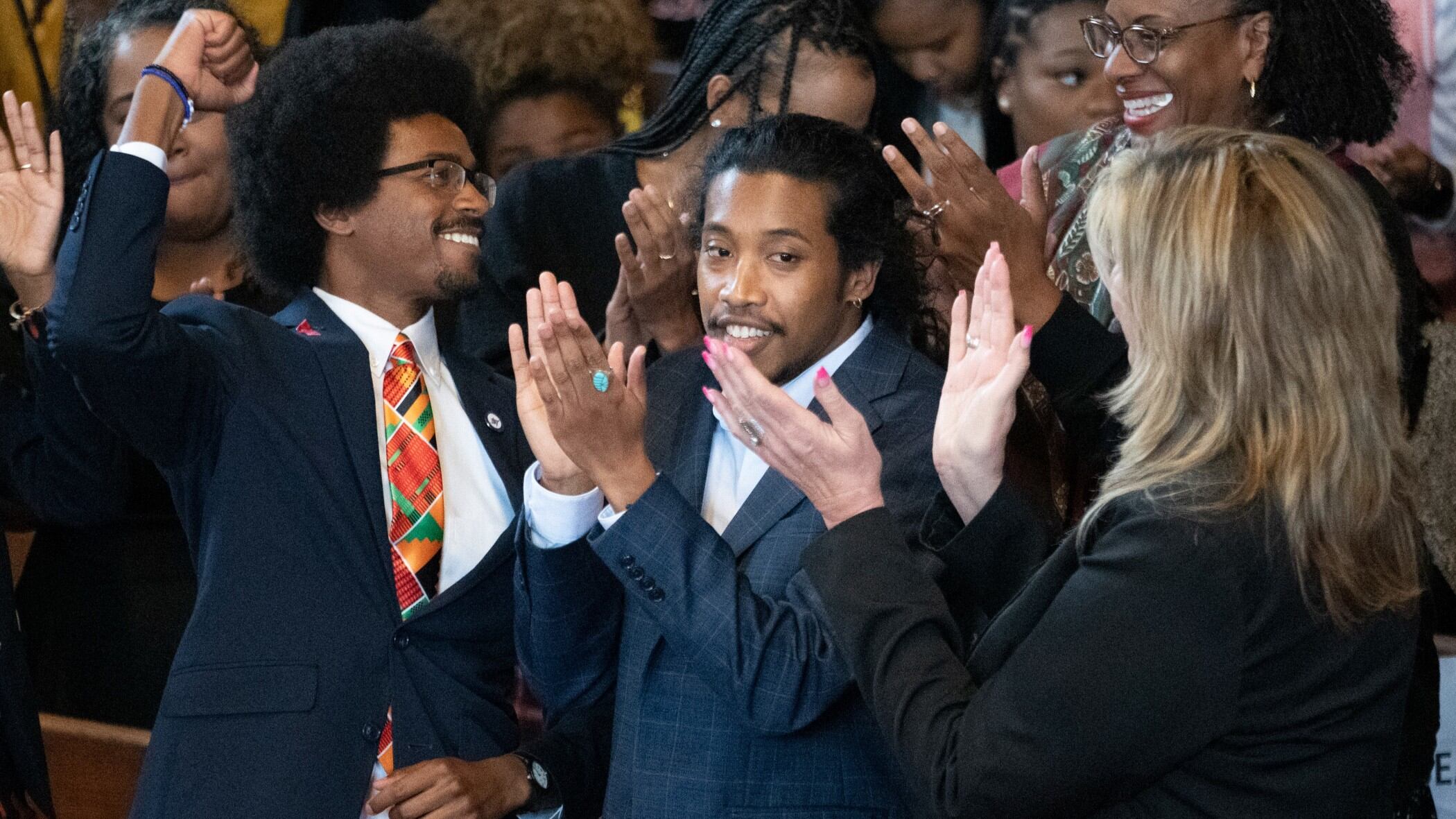
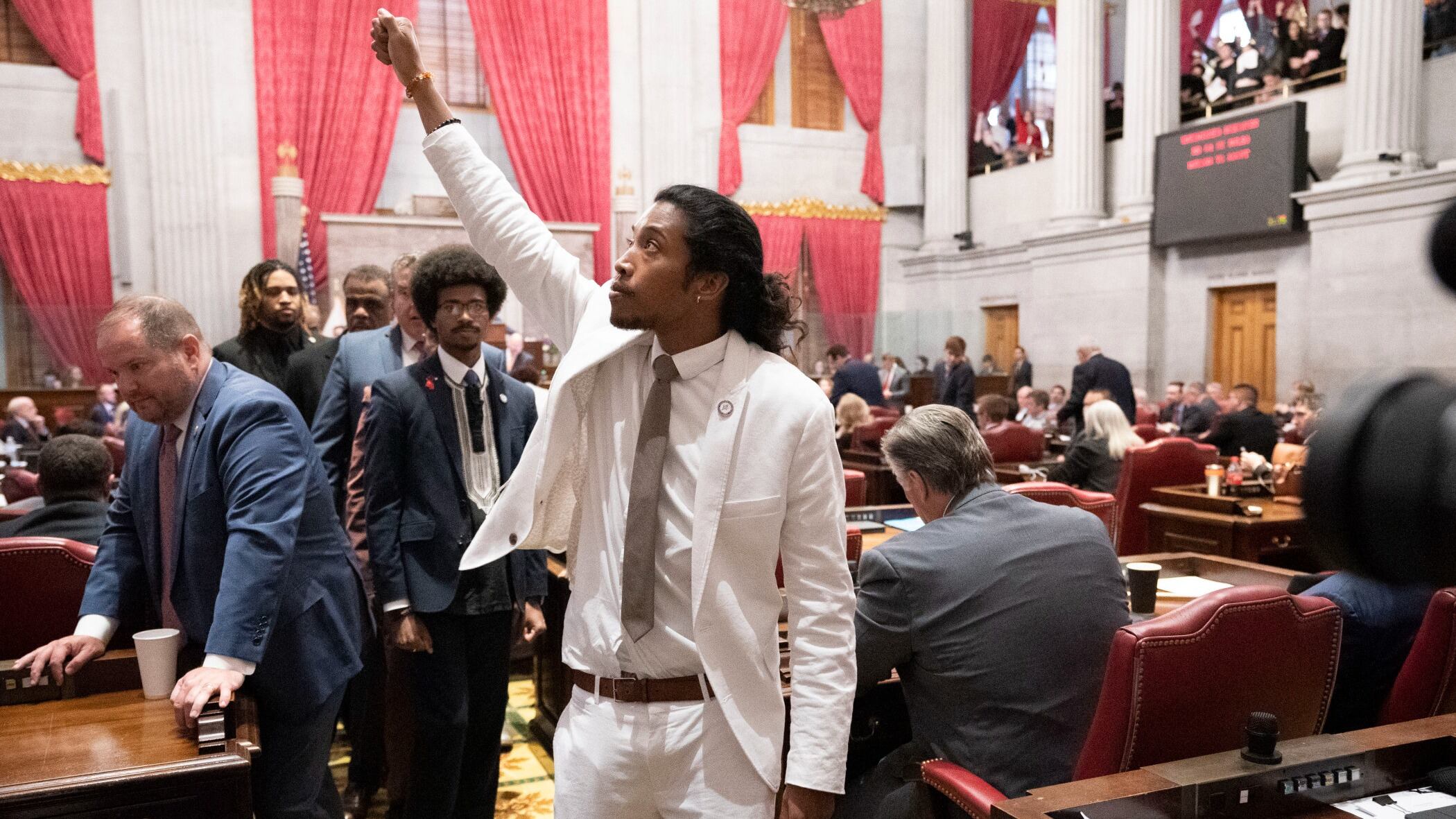
Nashville city councilors will likely appoint Justin Jones to his former seat on Monday while Memphis-area county commissioners will soon announce when they'll meet to fill the vacancy left by the expulsion of Justin Pearson, which Pearson himself is eligible to fill.
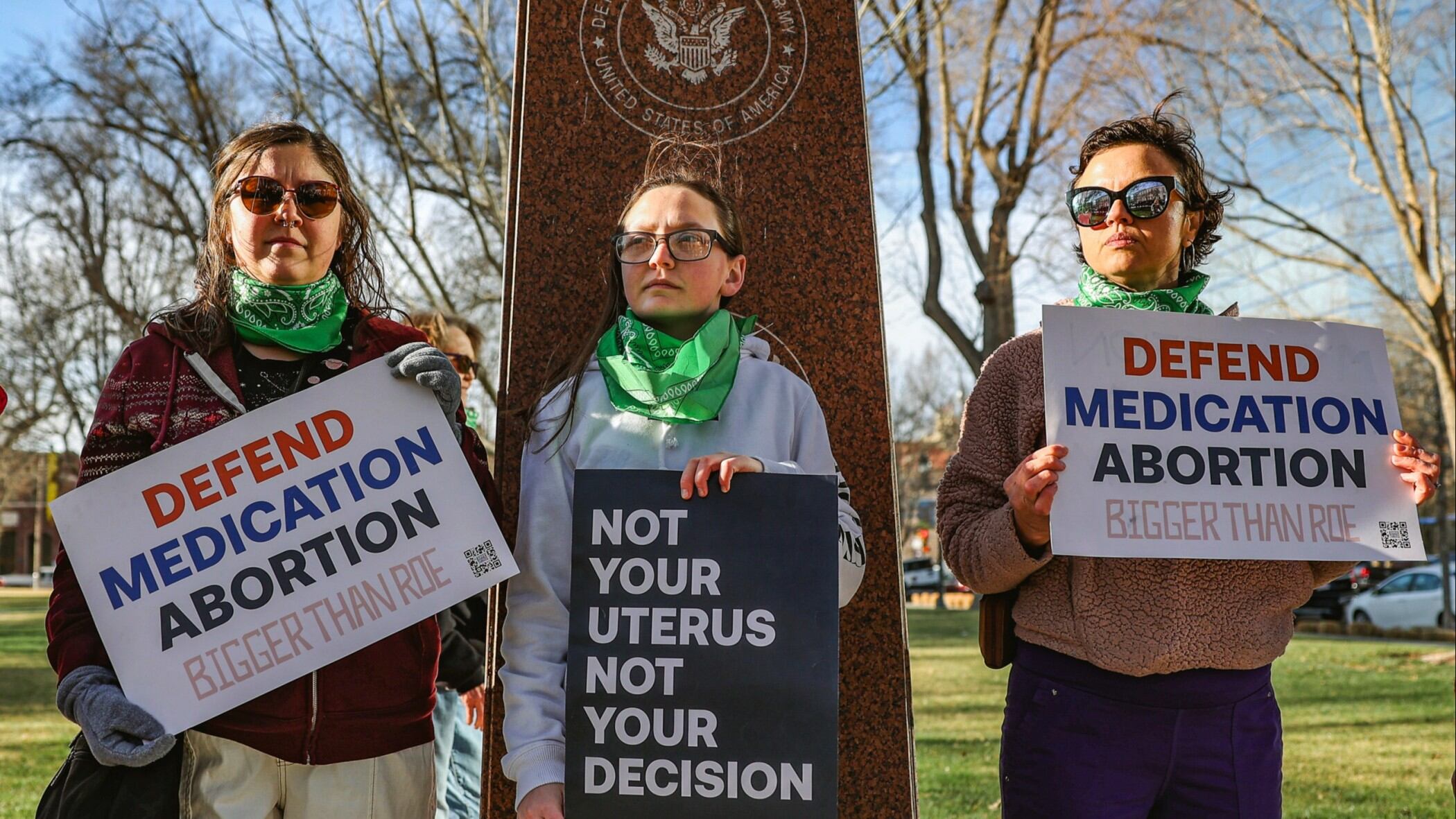
Health and Human Services Secretary Xavier Becerra said "Everything is on the table" when asked if he'd recommend that the FDA ignore Friday's ruling to reverse the agency's nearly 23-year-old approval of the medication abortion drug mifepristone.
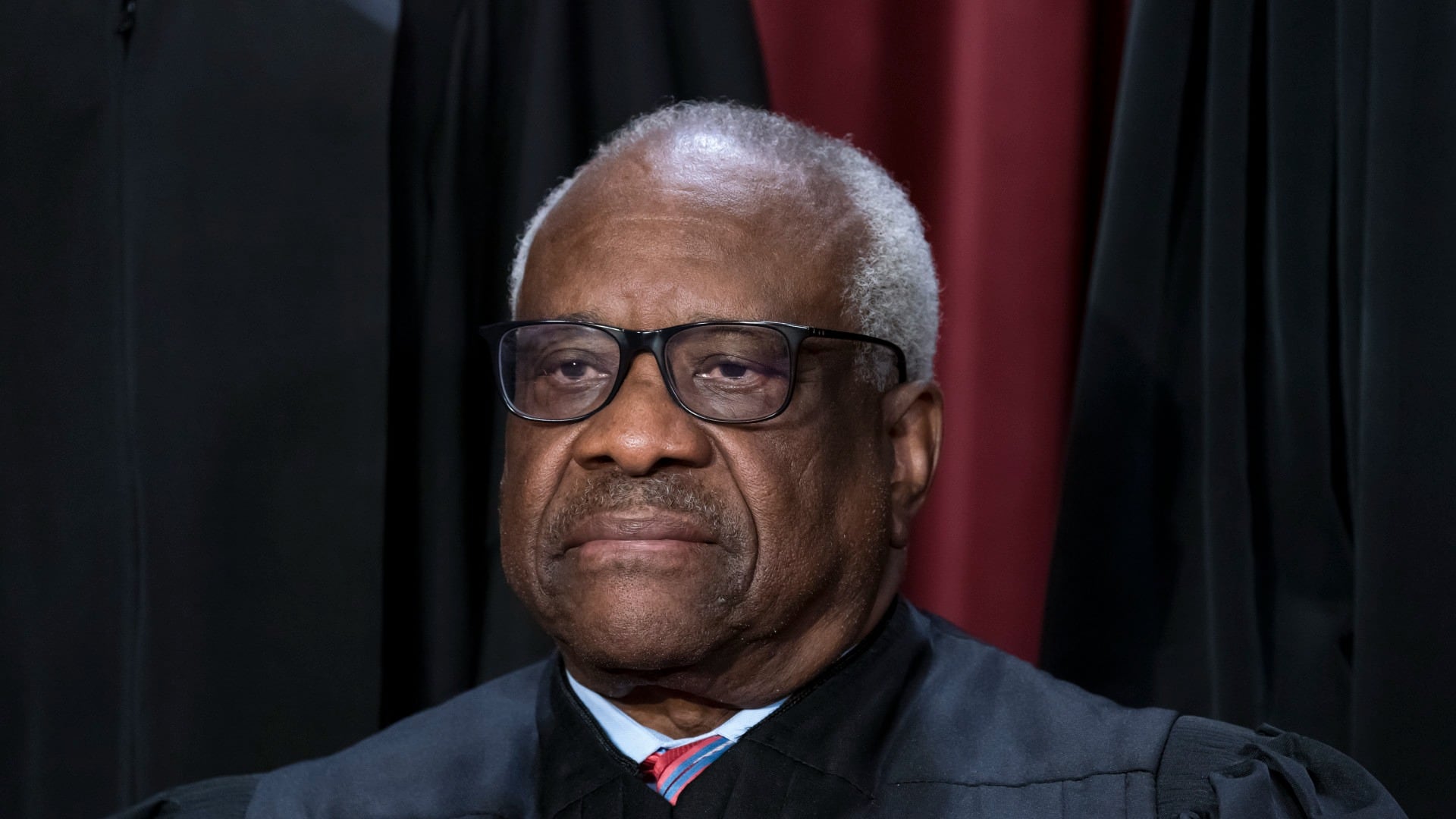
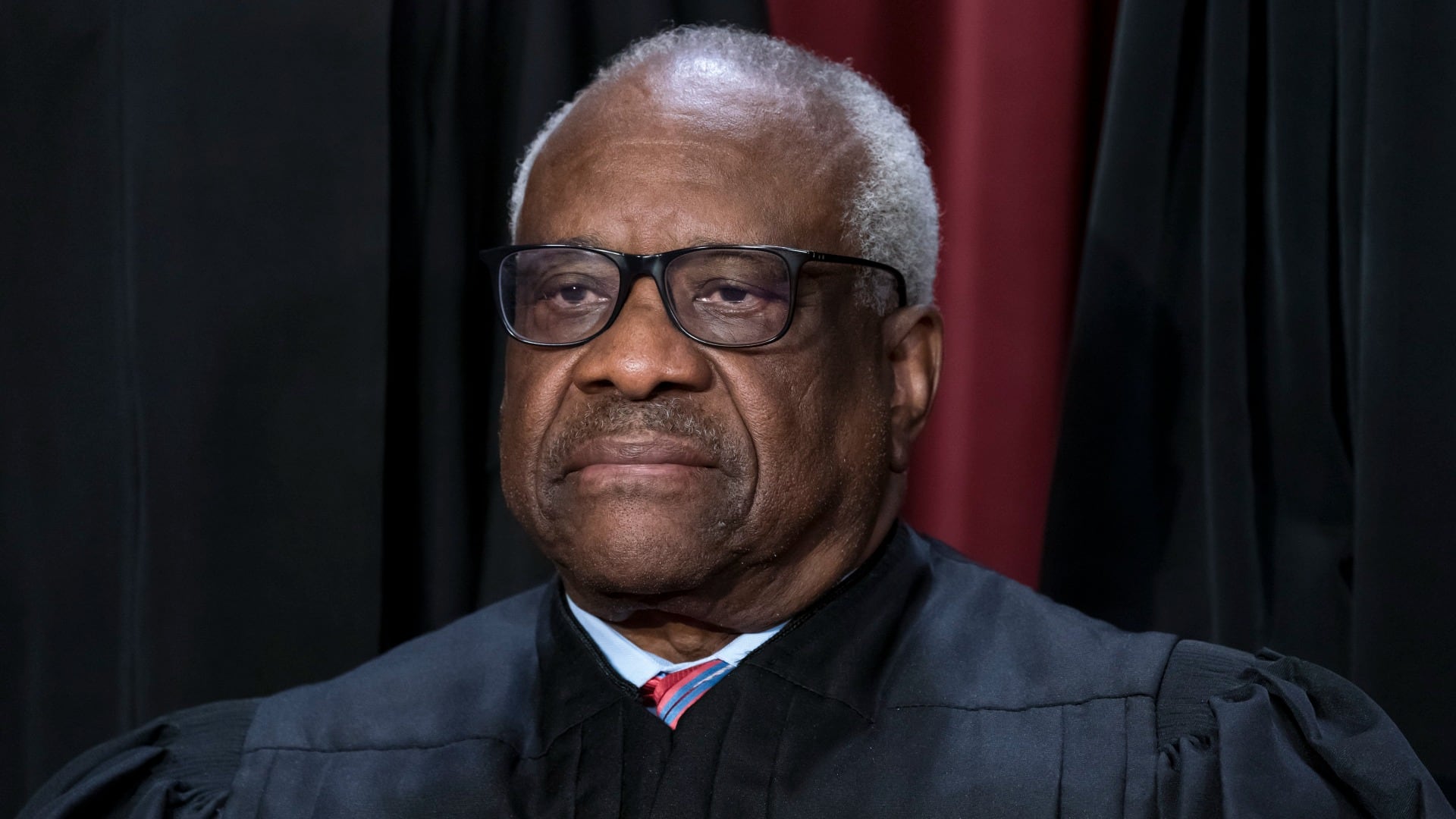
Supreme Court Justice Clarence Thomas defended himself against reports that a GOP donor treated him to super luxury vacations.
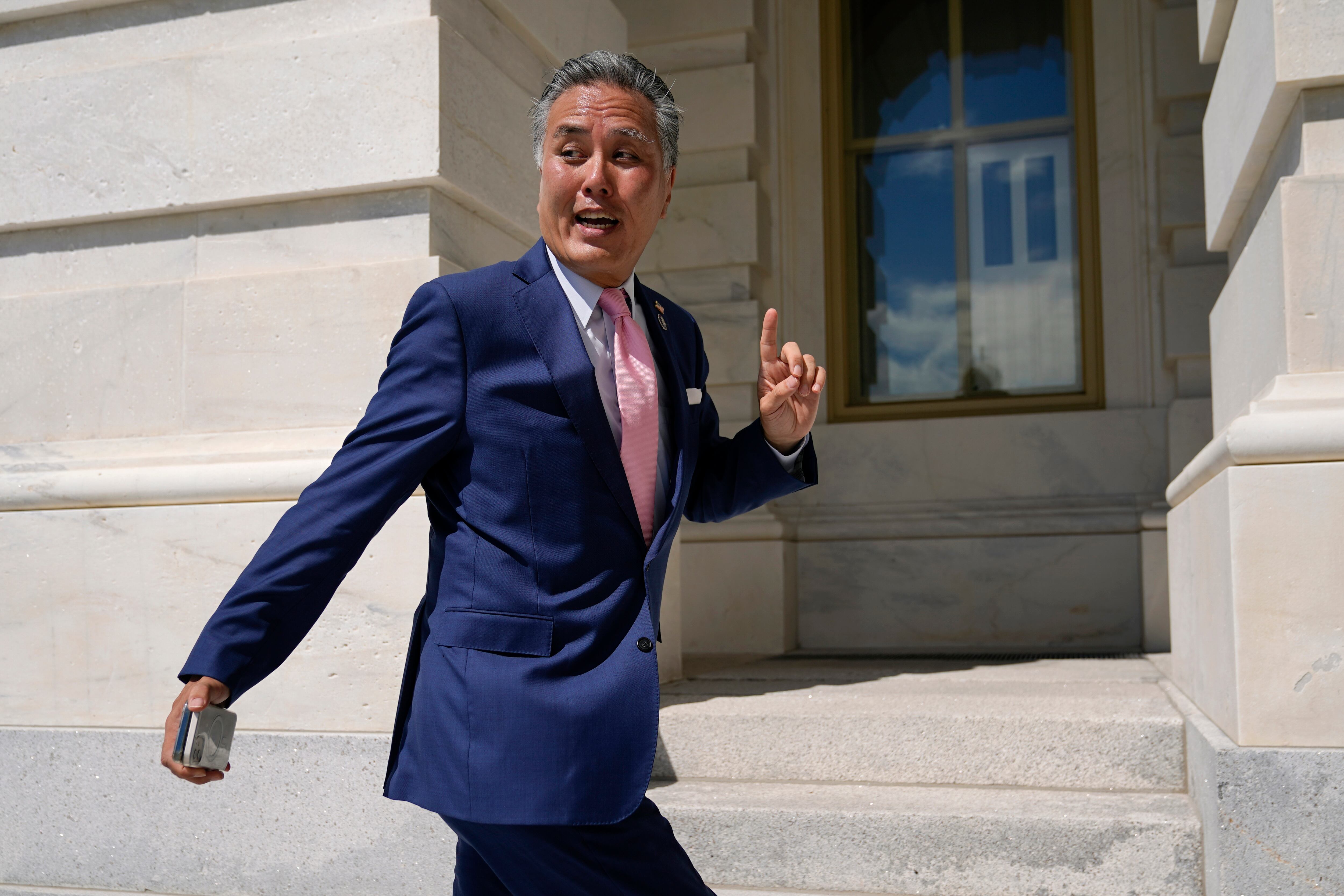
California Rep. Mark Takano re-introduced a bill for a four-day work week to bring to Congress. "The idea here is to ignite and jumpstart a serious conversation about how long the work week should be," Rep. Takano said. "The next steps are to continue to build interest ... that interest needs to be turned into public sentiment."
Cheddar Explains: How Climate Change is Driving Migration
Supreme Court Justice Clarence Thomas says he wasn’t required to disclose the many trips he and his wife took that were paid for by a Republican megadonor.
The two expelled members are Black and the member not expelled is white.
On A Positive Note: U.S. Taps First Woman to Ever Lead Largest U.S. National Guard
The capacity to burn coal for power went up in 2022 despite global promises to phase down the fuel that’s the biggest source of planet-warming gases in the atmosphere, a report Wednesday found.
Supreme Court Justice Clarence Thomas has for more than two decades accepted luxury trips nearly every year from Republican megadonor Harlan Crow without reporting them on financial disclosure forms, ProPublica reports.