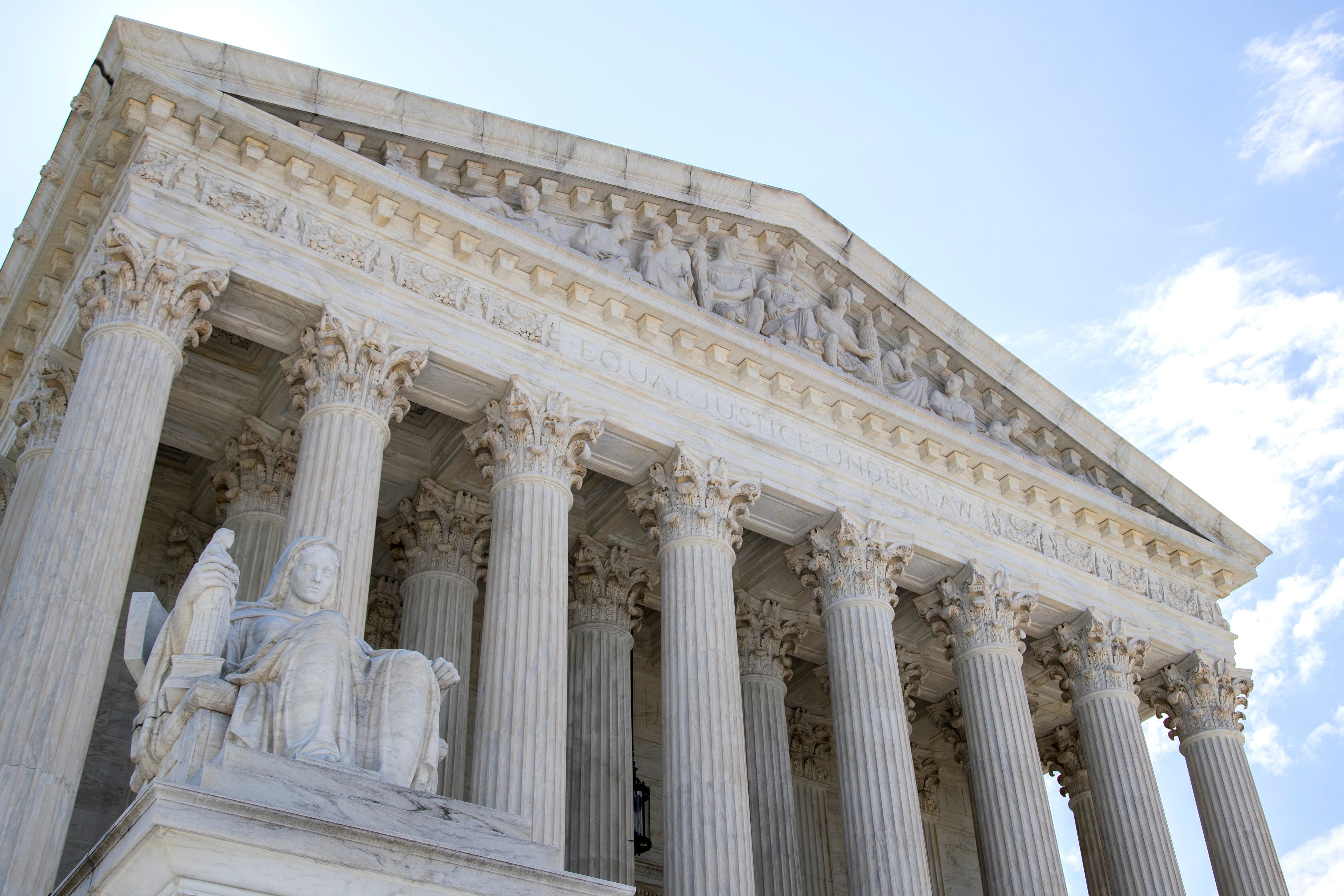
The Supreme Court on Monday upheld a 1991 law that bars robocalls to cellphones.
The case, argued by telephone in May because of the coronavirus pandemic, only arose after Congress in 2015 created an exception in the law that allowed the automated calls for collection of government debt.
Political consultants and pollsters were among those who asked the Supreme Court to strike down the entire 1991 law that bars them from making robocalls to cellphones as a violation of their free speech rights under the Constitution. The issue was whether, by allowing one kind of speech but not others, the exception made the whole law unconstitutional.
Six justices agreed that by allowing debt collection calls to cellphones Congress "impermissibly favored debt-collection speech over political and other speech, in violation of the First Amendment," Justice Brett Kavanaugh wrote. And seven justices agreed that the 2015 exception should be stricken from the law.
"Americans passionately disagree about many things. But they are largely united in their disdain for robocalls," Kavanaugh noted at the outset of his opinion.
During arguments in the case in May, Justice Stephen Breyer got cut off when someone tried calling him. Breyer said after he rejoined the court's arguments: "The telephone started to ring, and it cut me off the call and I don't think it was a robocall."
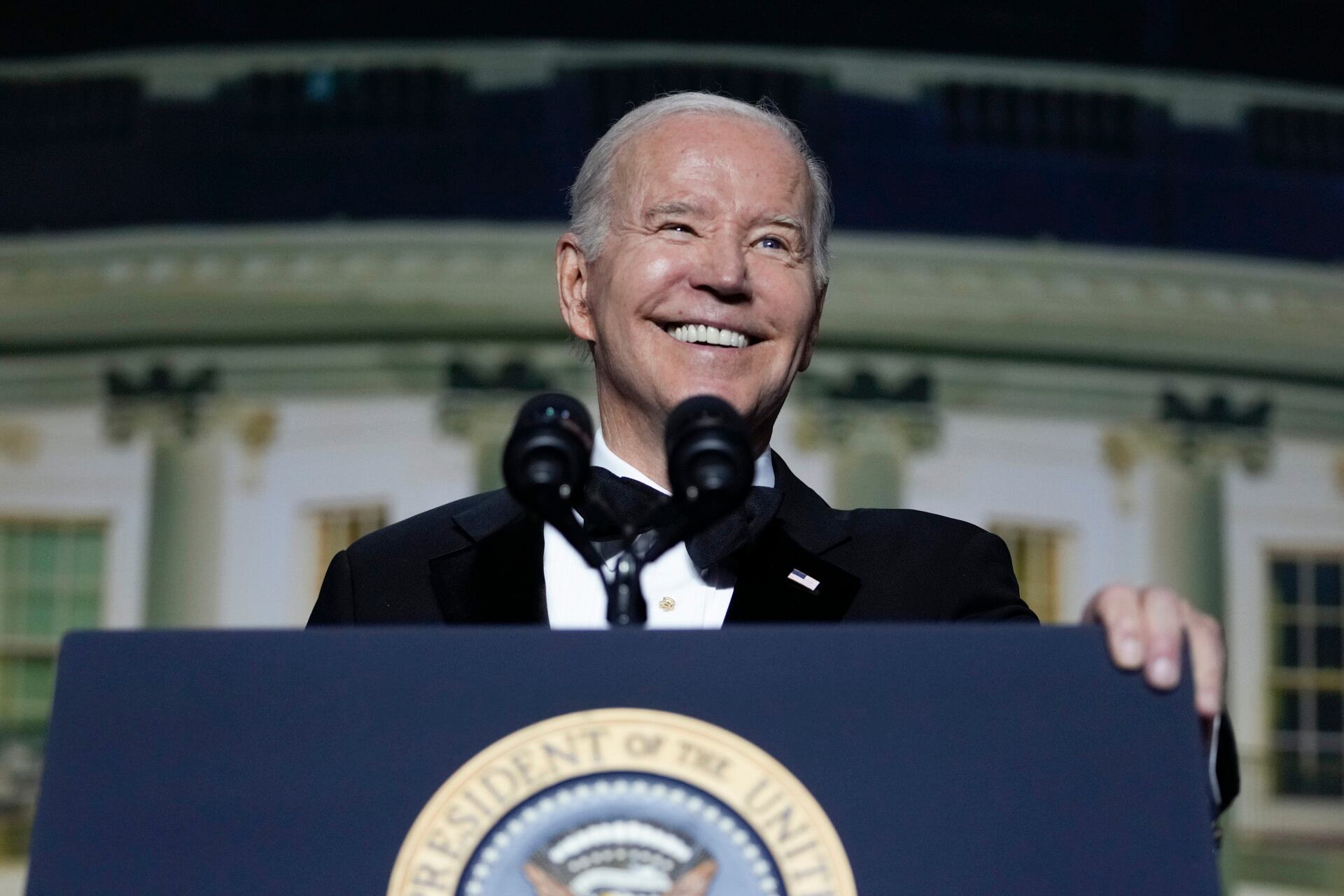
The annual White House Correspondents' dinner was held on Saturday, and this year's dinner was hosted by The Daily Show's Roy Wood Jr. President Joe Biden gave a speech and didn't hold back, poking fun at Fox News and his own approval ratings.
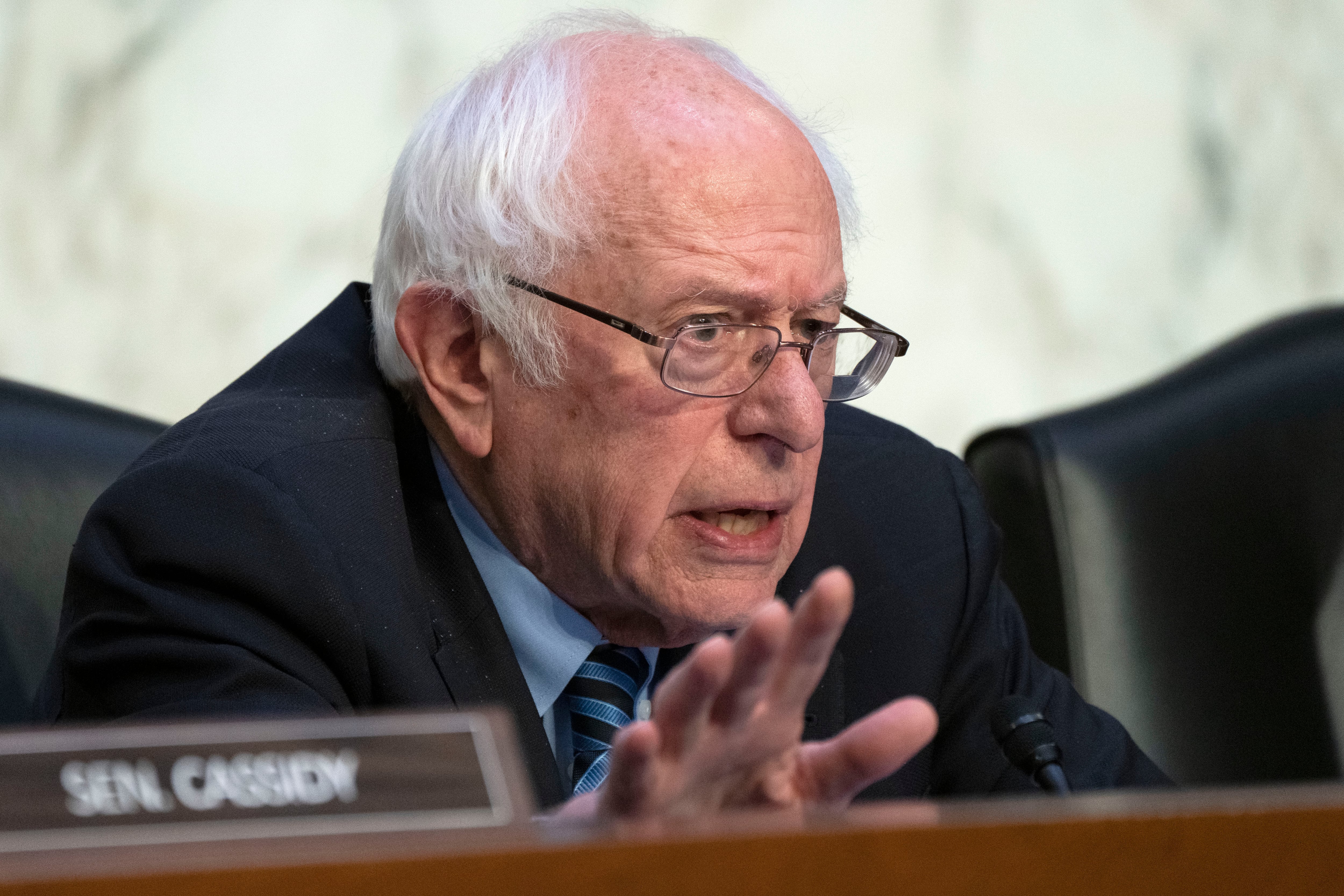
Appearing on CNN's "State of the Union," Sen. Bernie Sanders on Sunday said President Joe Biden is headed for a "landslide" victory in 2024, as long as Democrats remain "stronger on working-class issues."
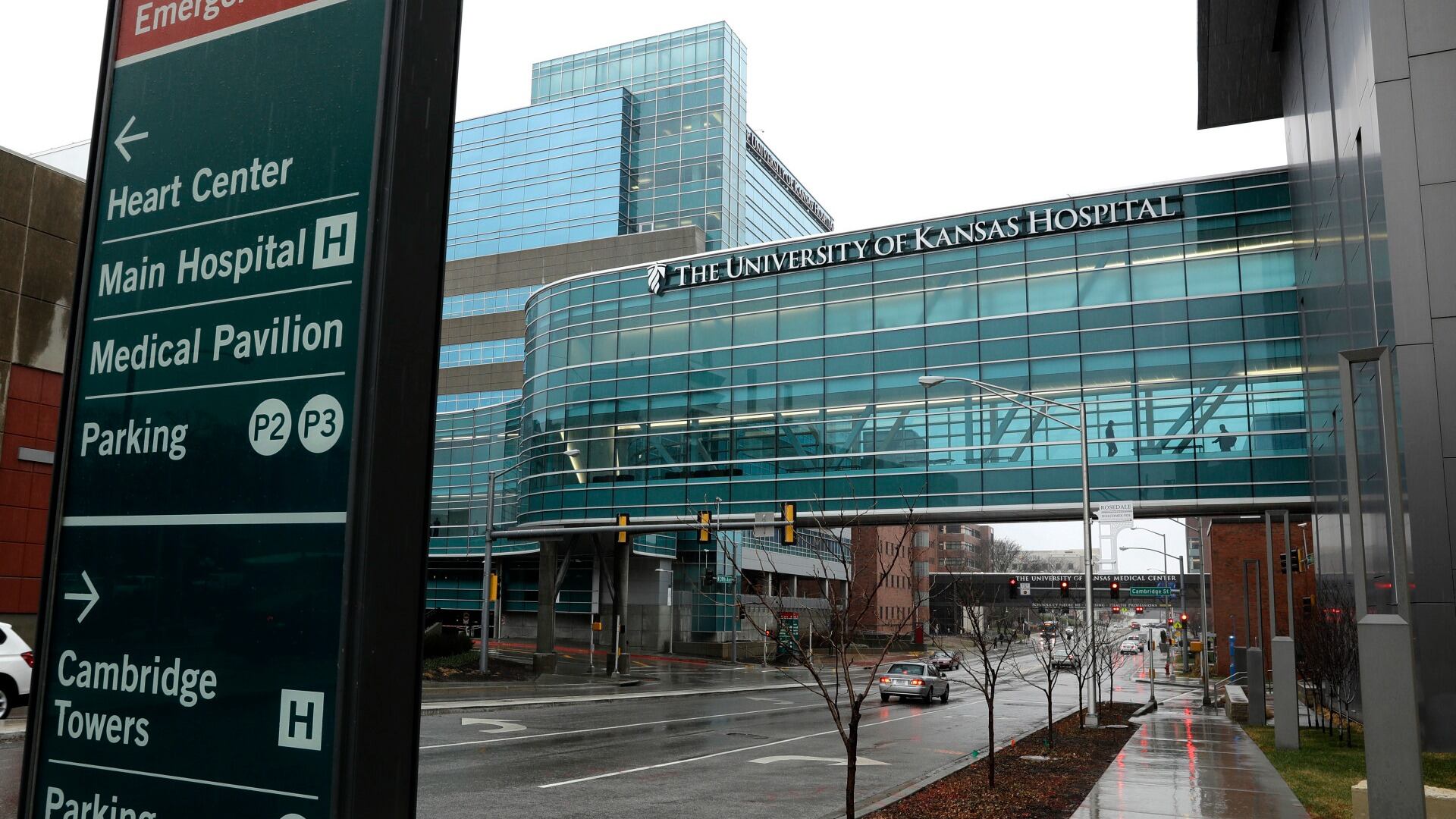
A first-of-its-kind federal investigation has found two hospitals put a pregnant woman's life in jeopardy and violated federal law by refusing to provide an emergency abortion when she experienced premature labor at 17 weeks.
President Joe Biden is set to host President Ferdinand Marcos Jr. of the Philippines for White House talks Monday as concerns grow about the Chinese navy's harassment of Philippine vessels in the South China Sea.
While doctors fear the dangers of untrained people managing their own hormone replacement therapy, a growing number of transgender people say they see no other option for life-saving care.
Abortion bans in deeply conservative Nebraska and South Carolina each fell a single vote short of passing in their legislatures amid heated debates among Republicans.
Senate Republicans on Thursday blocked a Democratic measure to revive the Equal Rights Amendment, dealing yet another blow to supporters who have pushed for more than five decades to amend the Constitution to prohibit discrimination based on sex.
Former Vice President Mike Pence testified Thursday before a federal grand jury investigating efforts by then-President Donald Trump and his allies to overturn the results of the 2020 presidential election, according to a person familiar with the matter.
Iran reportedly seized another oil tanker in the Gulf of Oman, according to the U.S. Navy.