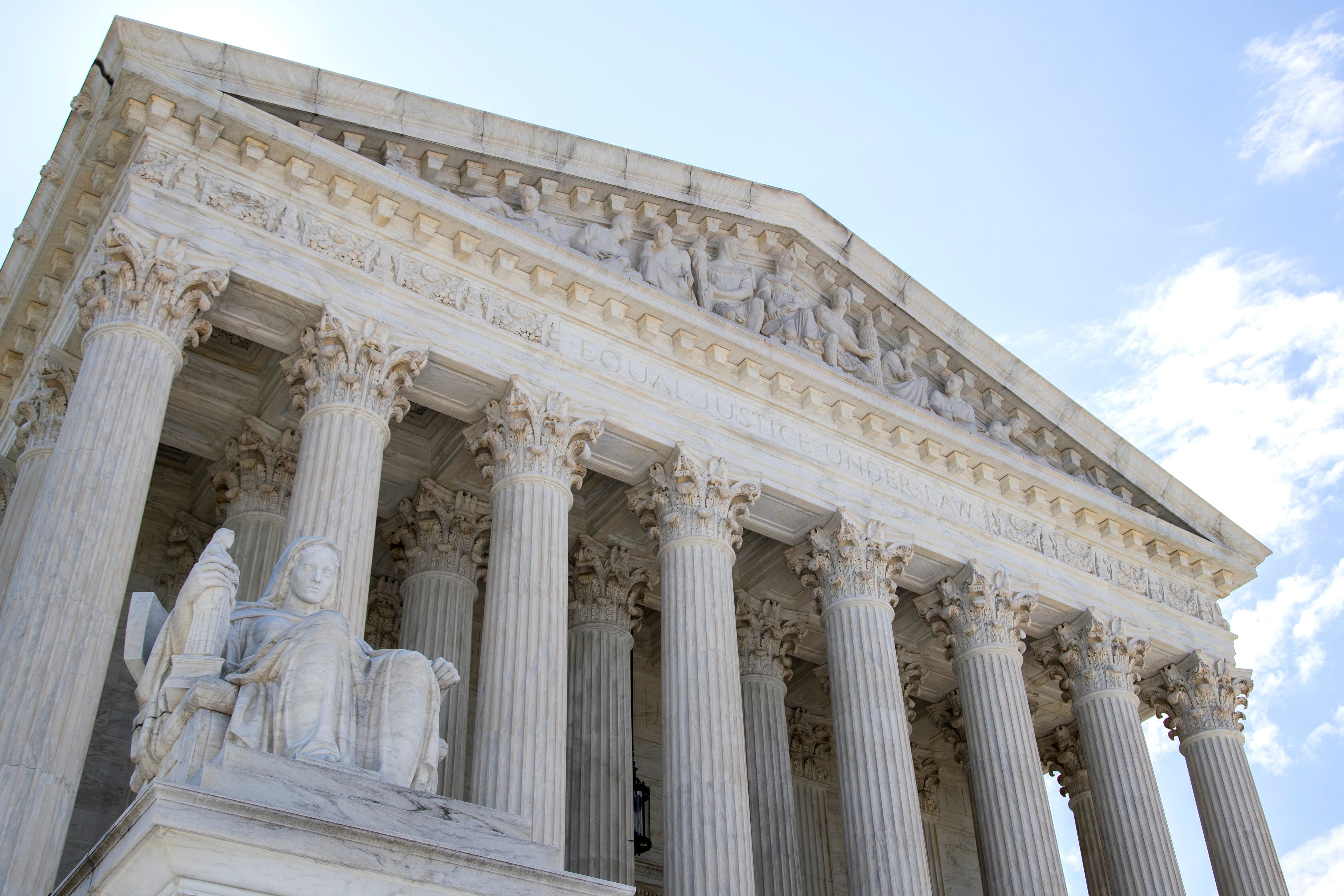
The Supreme Court on Monday upheld a 1991 law that bars robocalls to cellphones.
The case, argued by telephone in May because of the coronavirus pandemic, only arose after Congress in 2015 created an exception in the law that allowed the automated calls for collection of government debt.
Political consultants and pollsters were among those who asked the Supreme Court to strike down the entire 1991 law that bars them from making robocalls to cellphones as a violation of their free speech rights under the Constitution. The issue was whether, by allowing one kind of speech but not others, the exception made the whole law unconstitutional.
Six justices agreed that by allowing debt collection calls to cellphones Congress "impermissibly favored debt-collection speech over political and other speech, in violation of the First Amendment," Justice Brett Kavanaugh wrote. And seven justices agreed that the 2015 exception should be stricken from the law.
"Americans passionately disagree about many things. But they are largely united in their disdain for robocalls," Kavanaugh noted at the outset of his opinion.
During arguments in the case in May, Justice Stephen Breyer got cut off when someone tried calling him. Breyer said after he rejoined the court's arguments: "The telephone started to ring, and it cut me off the call and I don't think it was a robocall."
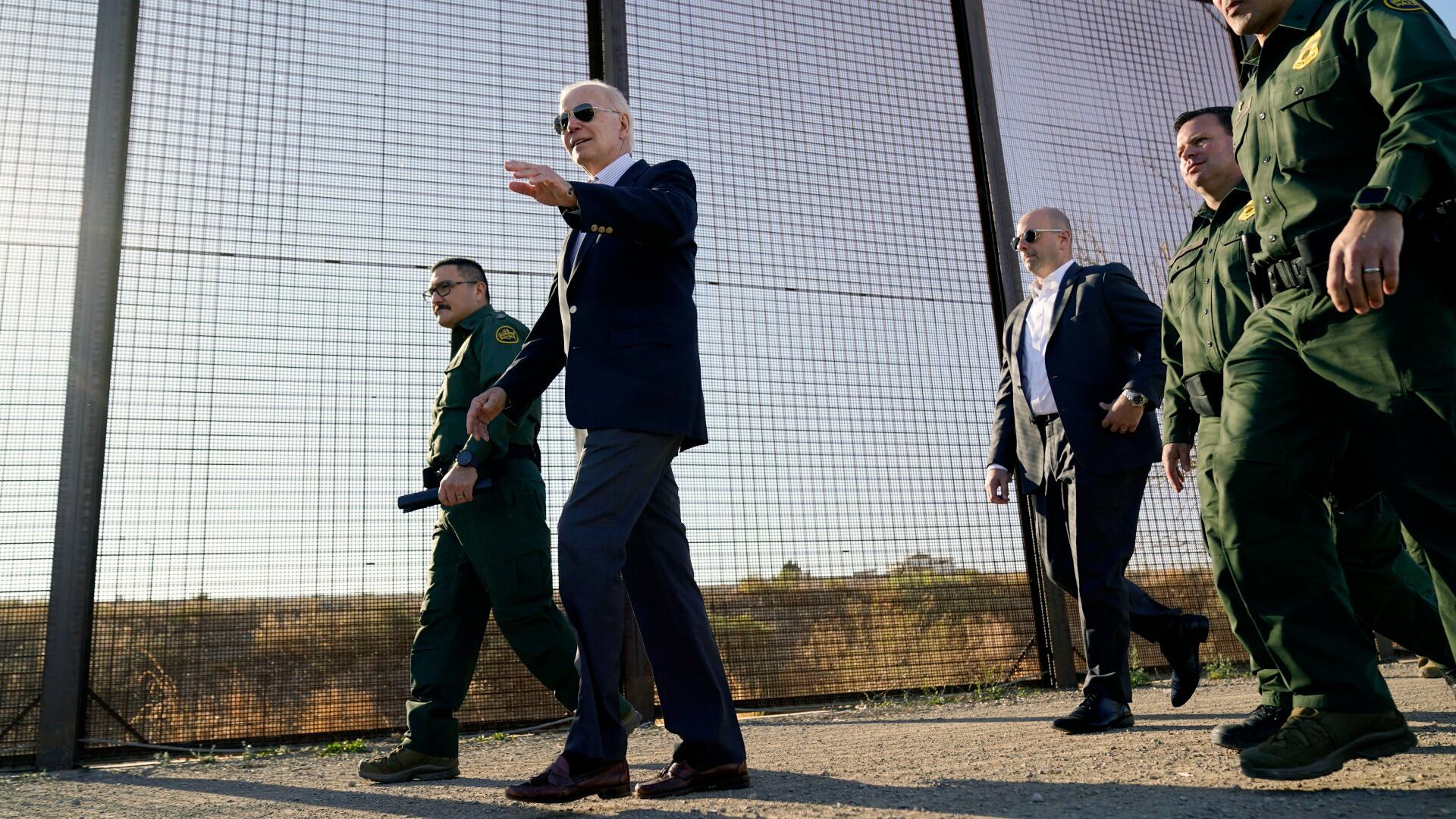
U.S. and Mexican officials have agreed on new immigration policies meant to deter illegal border crossings.
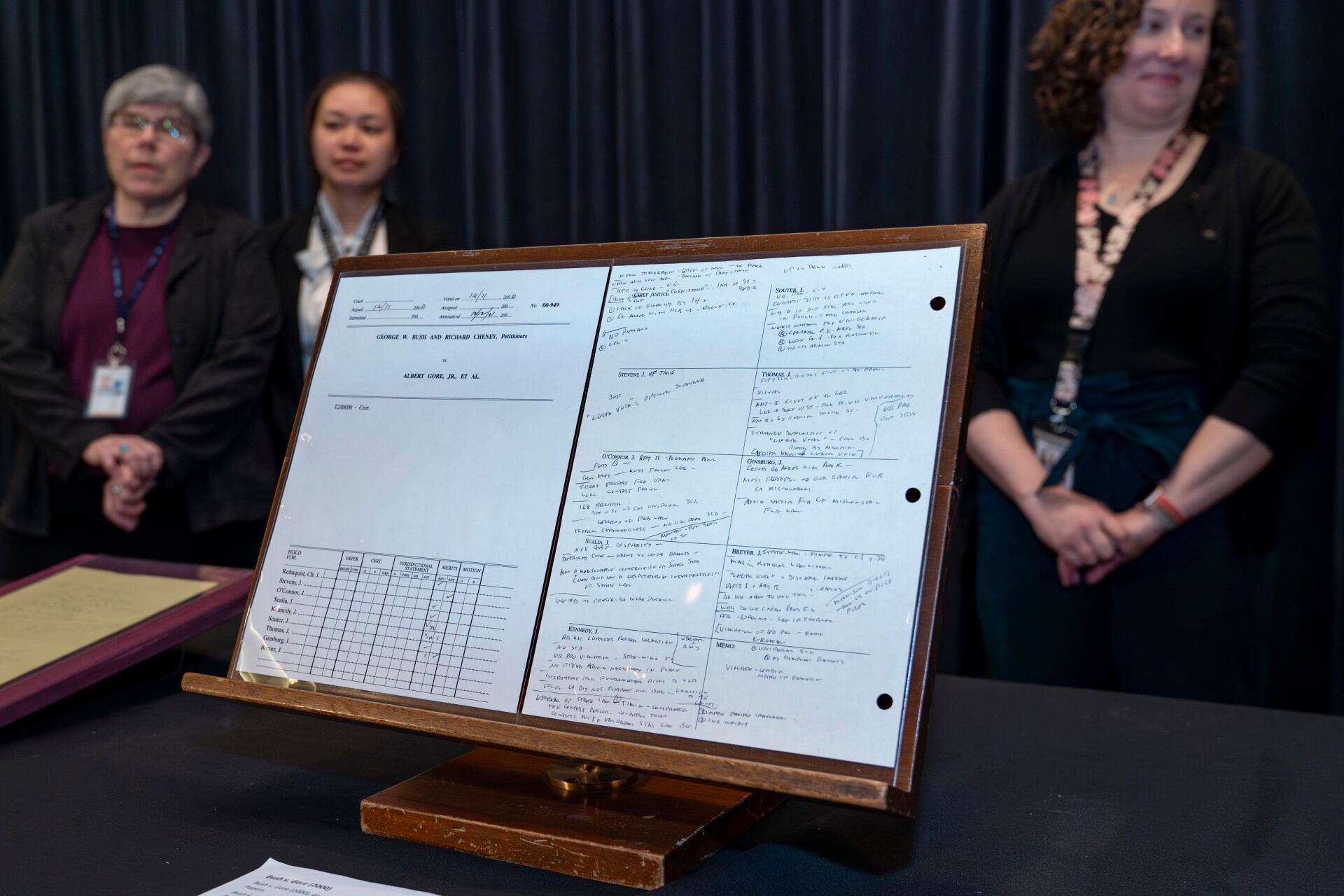
Newly opened records that belonged to Supreme Court Justice John Paul Stevens give the public a behind-the-scenes glimpse at his decades on the court, including the tense struggle over the 2000 presidential election and major cases on affirmative action and abortion.
Senate Democrats promised Tuesday to pursue stronger ethics rules for the Supreme Court in the wake of reports that Justice Clarence Thomas participated in luxury vacations and a real estate deal with a top GOP donor. Republicans made clear they strongly oppose the effort.
The Biden administration will send 1,500 troops to the U.S.-Mexico border amid an expected migrant surge following the end of coronavirus pandemic-era restrictions.
Major Changes to Drug Policies for Federal Job Applicants
The board of supervisors picked by Ron DeSantis voted to countersue Disney after the company filed a lawsuit against the Florida governor, alleging political retaliation.
The Federal Deposit Insurance Corp. is recommending the U.S. rethink its decades-old policy of insuring only as much as $250,000 in bank deposits.
A Missouri judge has blocked a unique rule that would restrict access to gender-affirming health care to children and adults.
Attorneys for Montana state Rep. Zooey Zephyr are asking a court to allow for her return to the House floor.
Members of the Central Florida Tourism Oversight District on Monday voted unanimously to sue Disney in state court in the Orlando area.