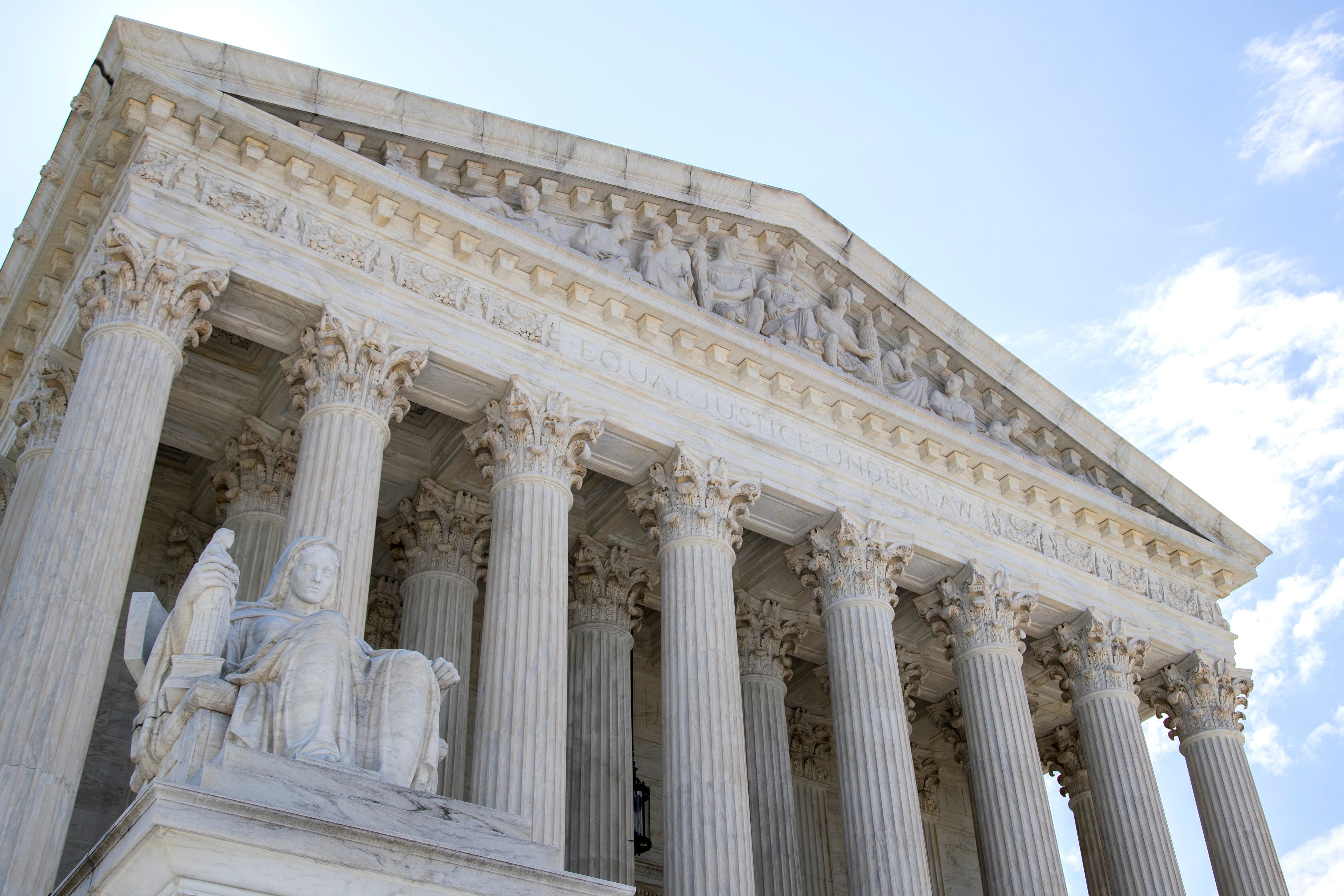
The Supreme Court on Monday upheld a 1991 law that bars robocalls to cellphones.
The case, argued by telephone in May because of the coronavirus pandemic, only arose after Congress in 2015 created an exception in the law that allowed the automated calls for collection of government debt.
Political consultants and pollsters were among those who asked the Supreme Court to strike down the entire 1991 law that bars them from making robocalls to cellphones as a violation of their free speech rights under the Constitution. The issue was whether, by allowing one kind of speech but not others, the exception made the whole law unconstitutional.
Six justices agreed that by allowing debt collection calls to cellphones Congress "impermissibly favored debt-collection speech over political and other speech, in violation of the First Amendment," Justice Brett Kavanaugh wrote. And seven justices agreed that the 2015 exception should be stricken from the law.
"Americans passionately disagree about many things. But they are largely united in their disdain for robocalls," Kavanaugh noted at the outset of his opinion.
During arguments in the case in May, Justice Stephen Breyer got cut off when someone tried calling him. Breyer said after he rejoined the court's arguments: "The telephone started to ring, and it cut me off the call and I don't think it was a robocall."
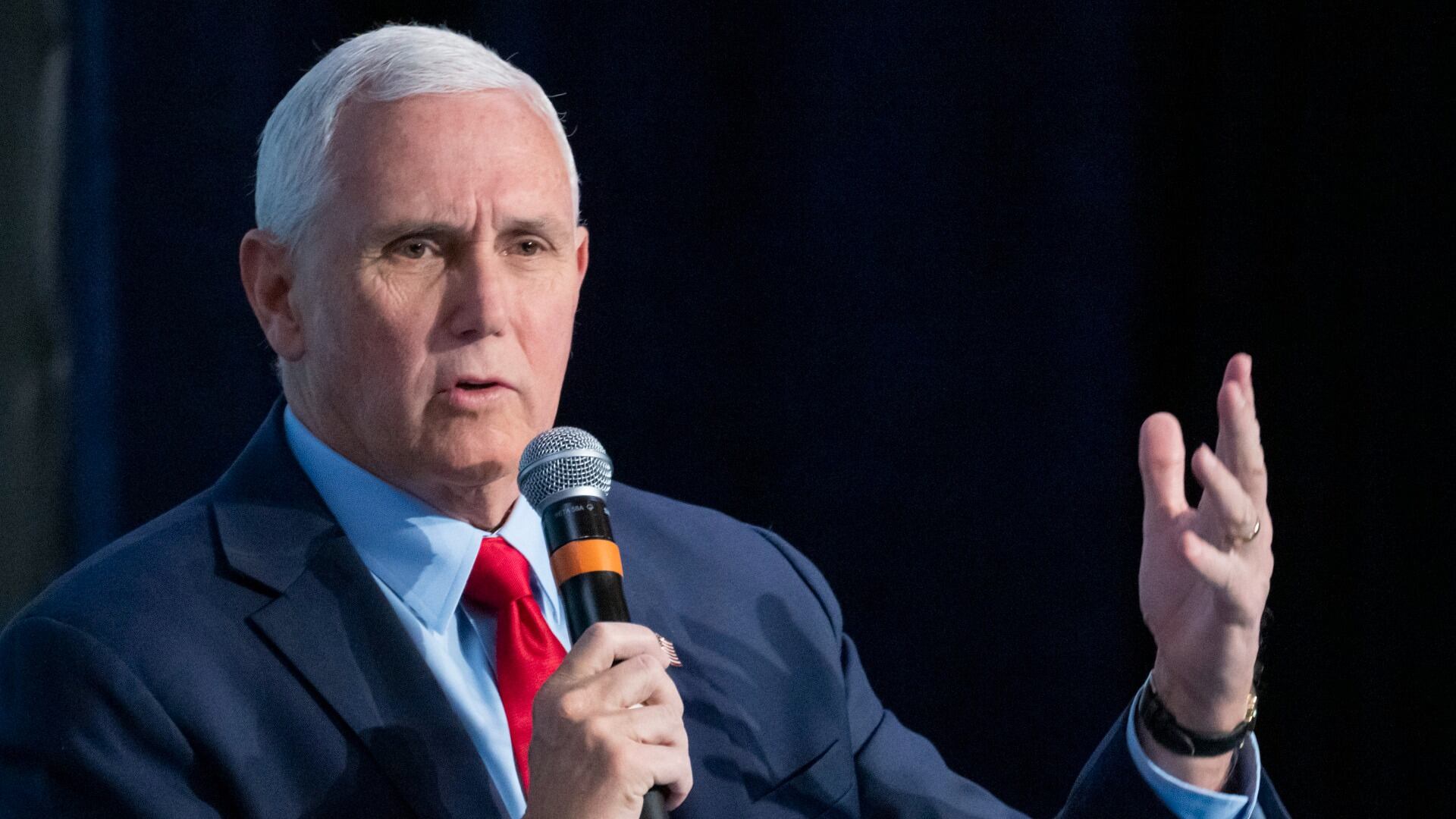
The Department of Justice has informed former Vice President Mike Pence 's legal team that it will not pursue criminal charges related to the discovery of classified documents at his Indiana home.
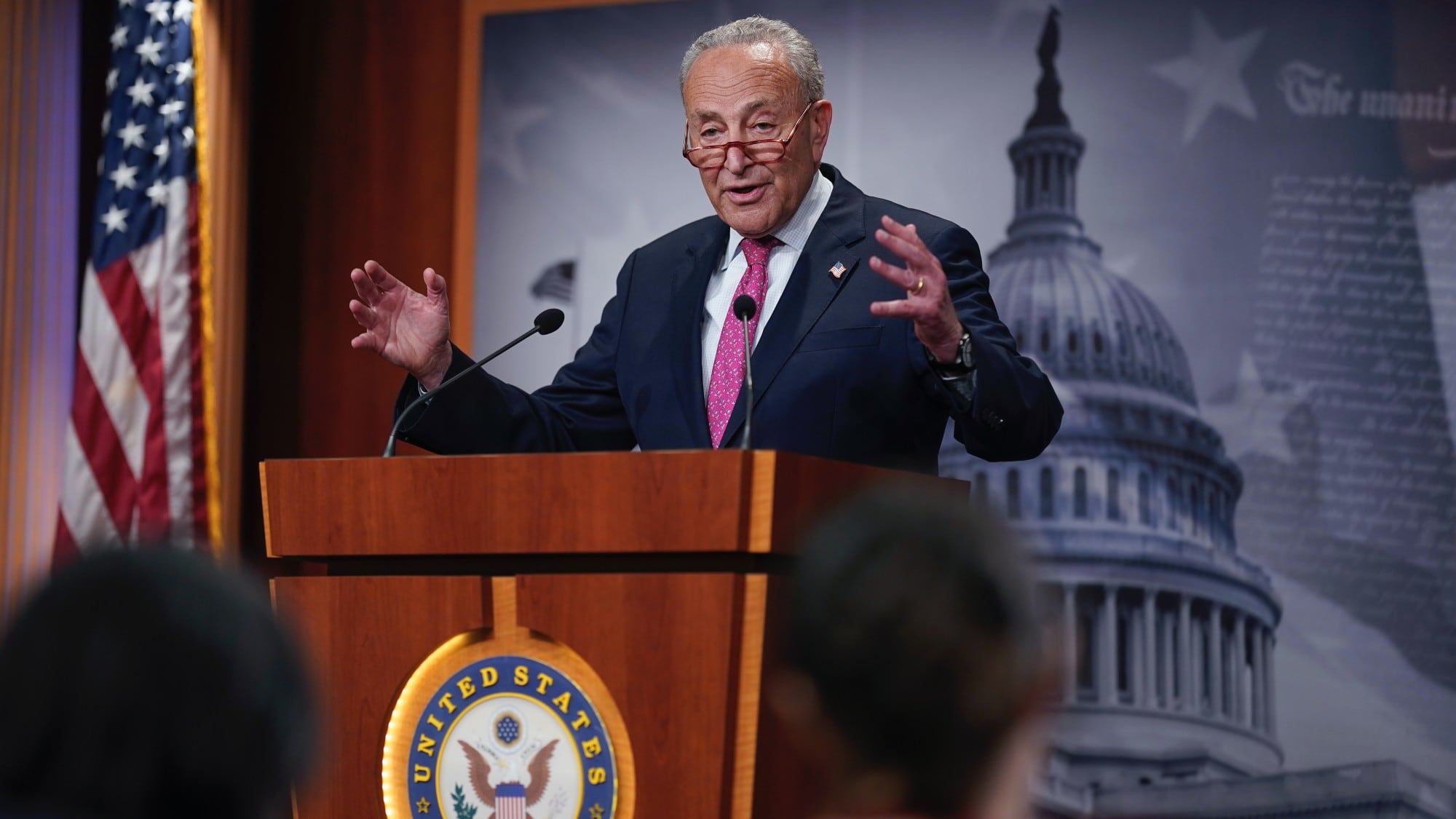
Fending off a U.S. default, the Senate gave final approval late Thursday to a debt ceiling and budget cuts package, grinding into the night to wrap up work on the bipartisan deal and send it to President Joe Biden's desk to become law before the fast-approaching deadline.
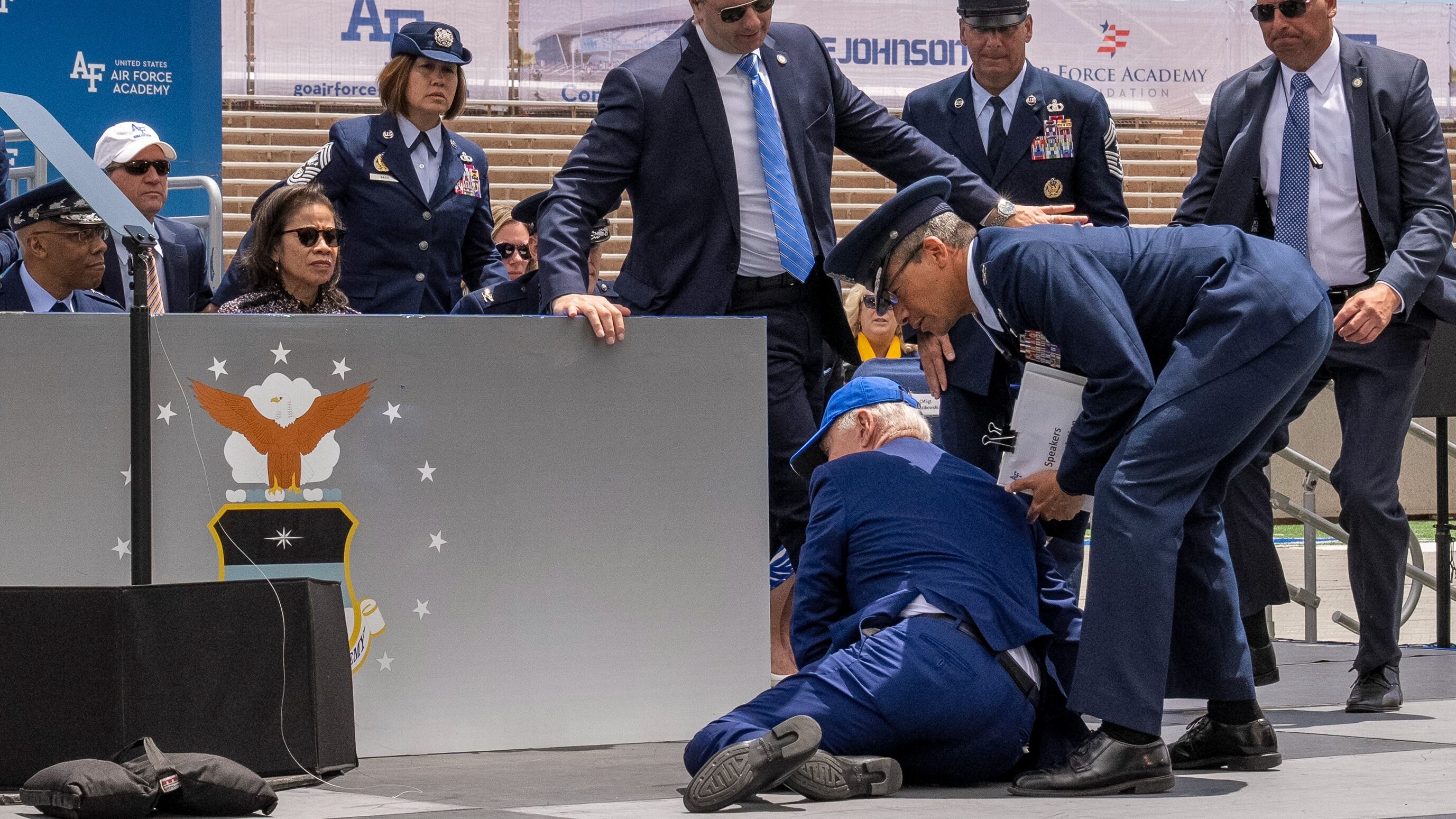
He wasn't hurt and later joked that he "got sandbagged."
Canada will soon become the first country in the world where warning labels must appear on individual cigarettes.
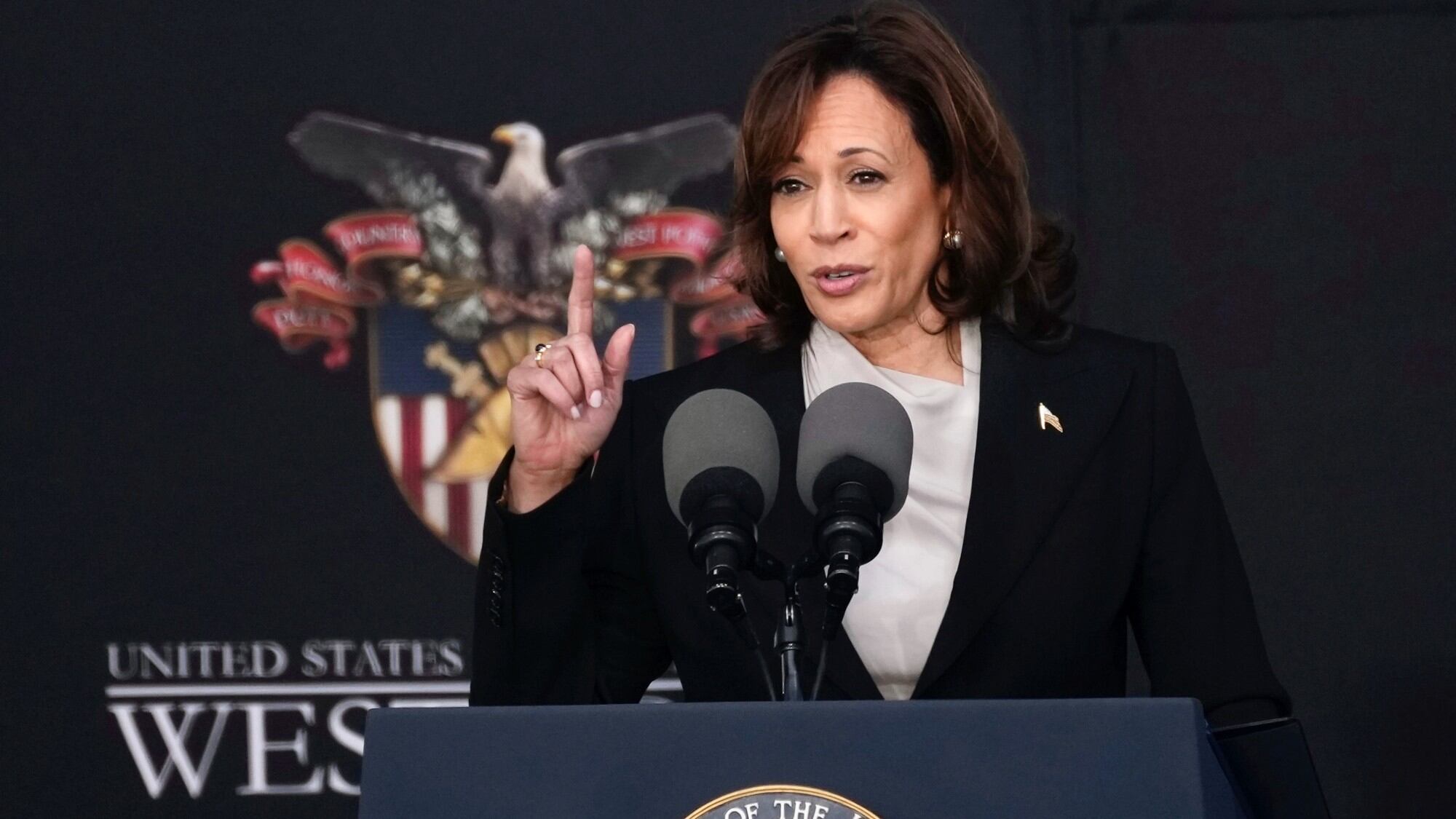
Vice President Kamala Harris said Thursday that federal agencies are taking new steps to stop racial discrimination in appraising home values by proposing a rule intended to ensure that the automated formulas used to price housing are fair.
Centrist Democrats and Republicans pushed it to approval over blowback from conservatives and some progressives. The Senate is expected to act quickly by the end of the week.
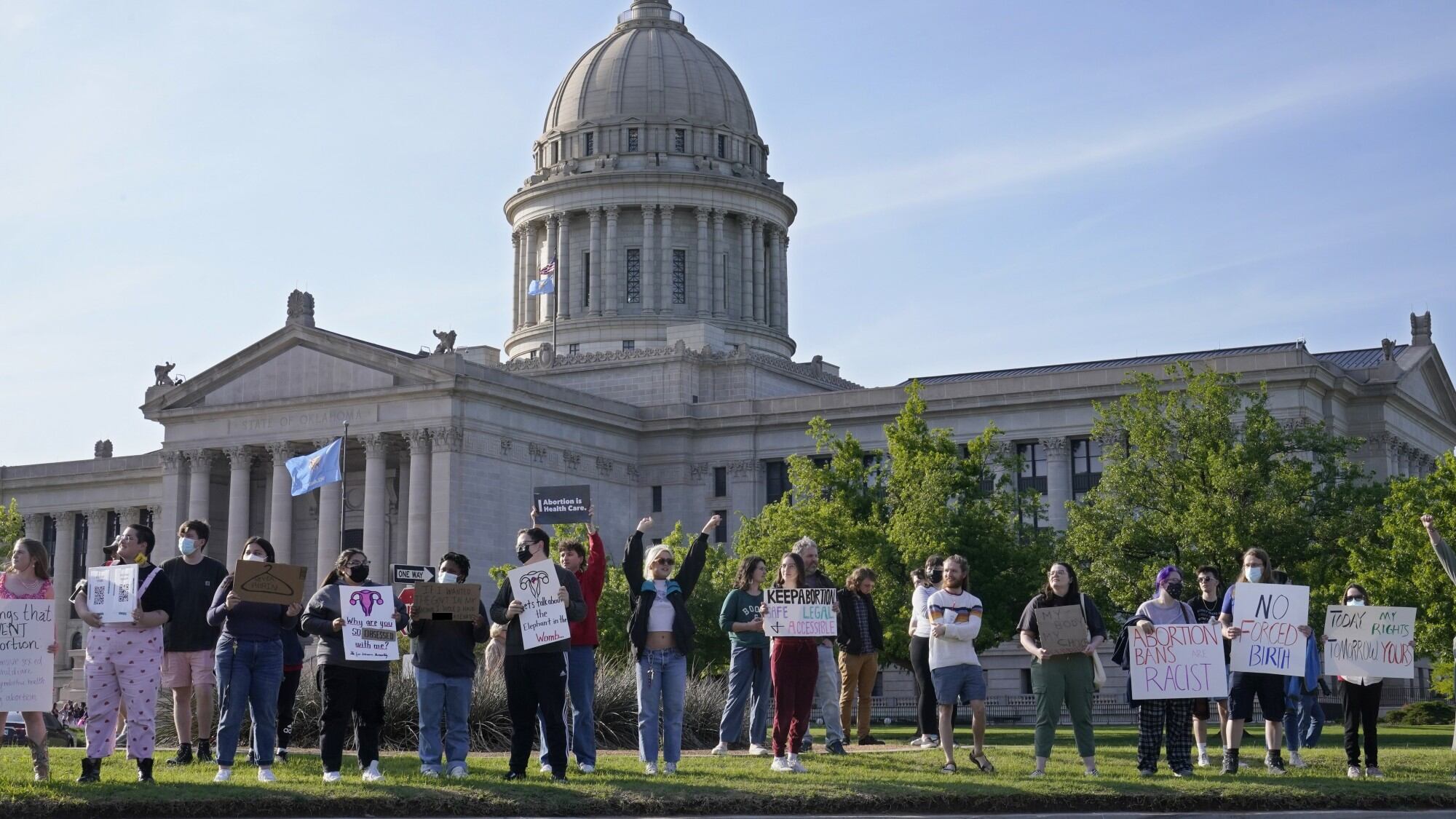
The Oklahoma Supreme Court ruled on Wednesday that two state laws banning abortion are unconstitutional, but the procedure remains illegal in the state in nearly all cases except life-threatening situations.
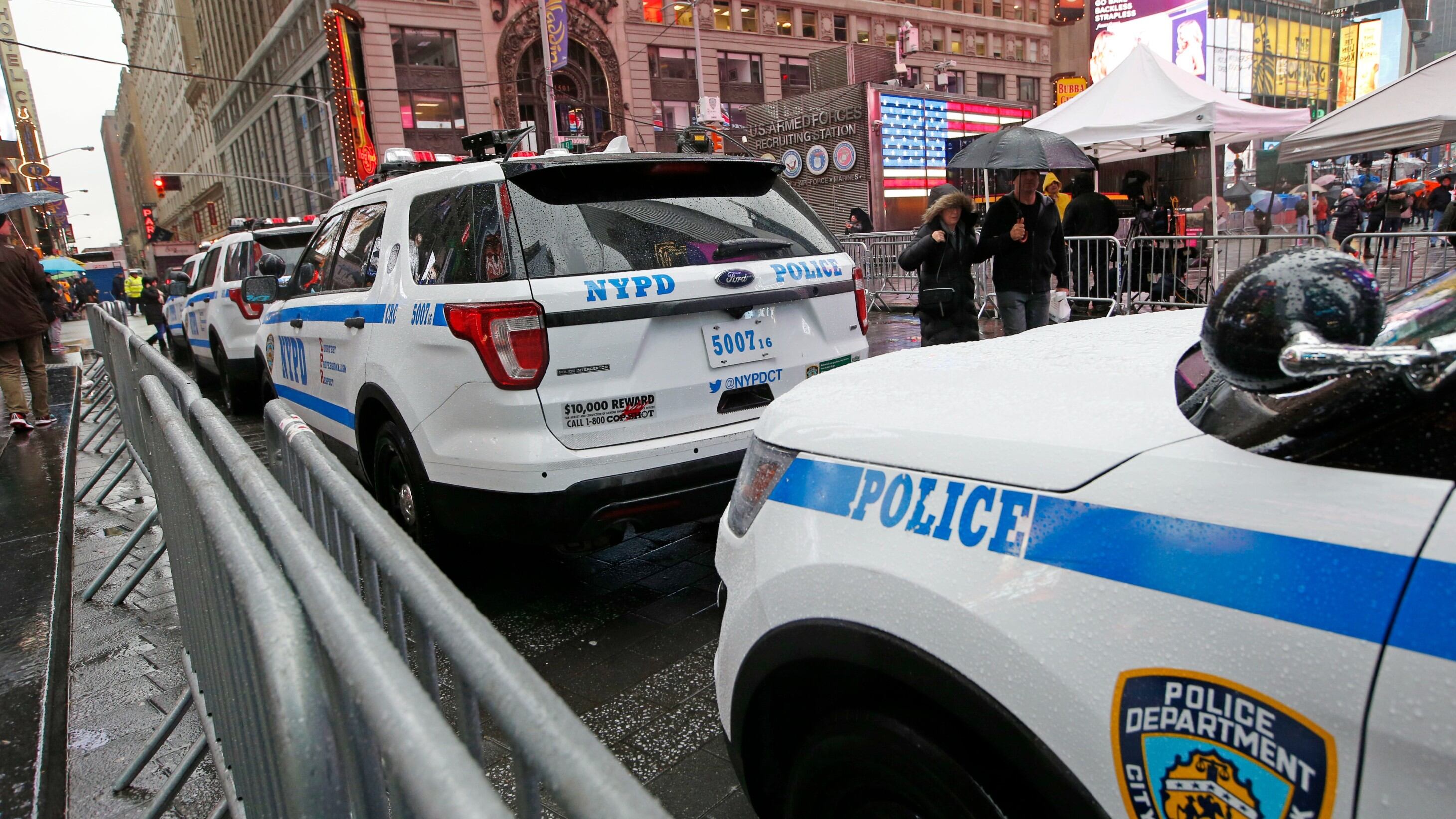
A New York City police officer is speaking out against the use of “courtesy cards” by friends and relatives of his colleagues on the force, accusing department leaders of maintaining a sprawling system of impunity that lets people with a connection to law enforcement avoid traffic tickets.
A Pennsylvania restaurant owner who screamed death threats directed at then-House Speaker Nancy Pelosi while storming the U.S. Capitol was sentenced on Tuesday to more than two years in prison.
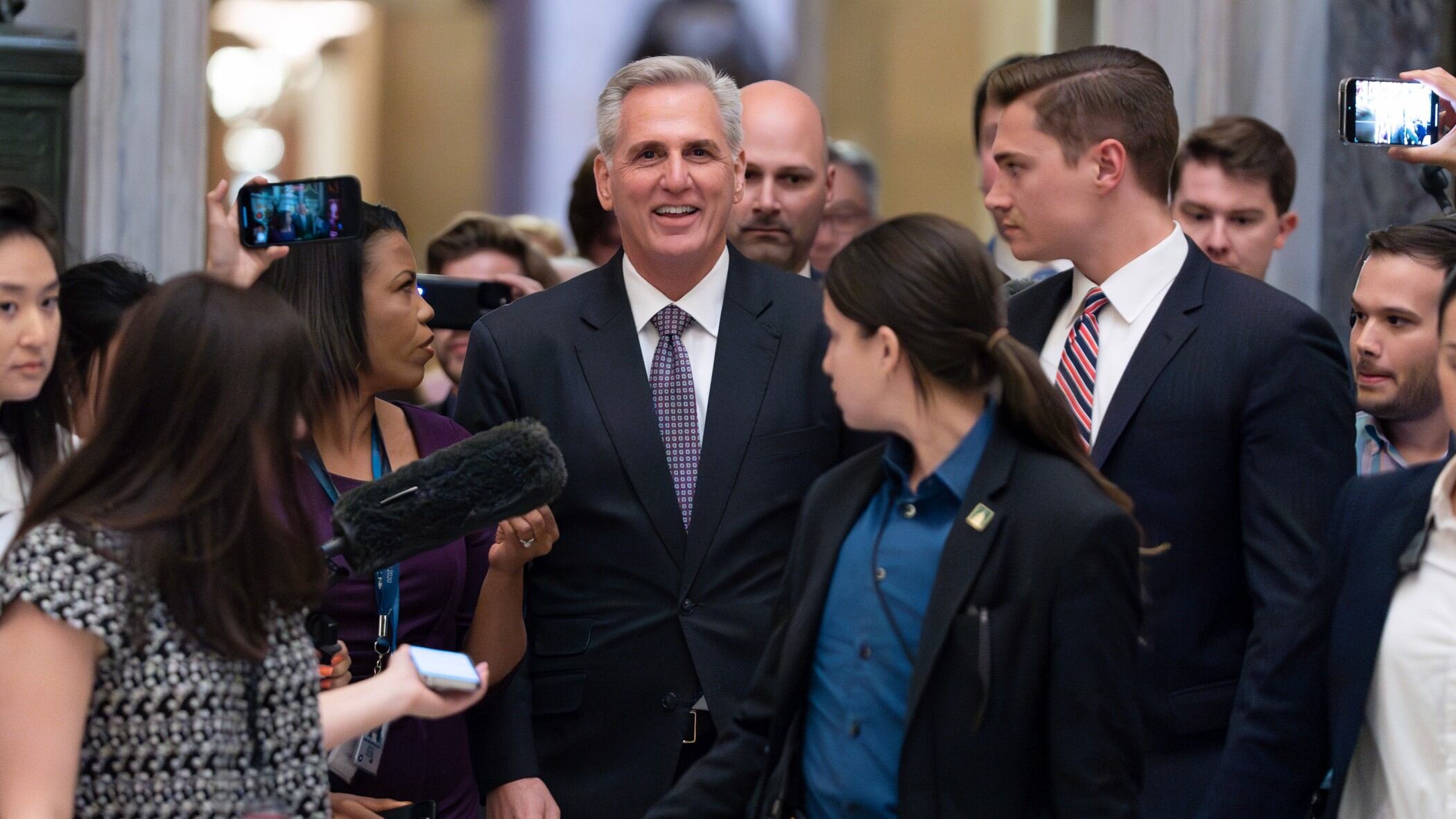
Hard-fought to the end, the debt ceiling and budget cuts package is heading toward a crucial U.S. House vote as President Joe Biden and Speaker Kevin McCarthy assemble a coalition of centrist Democrats and Republicans to push it to passage over fierce blowback from conservatives and some progressive dissent.