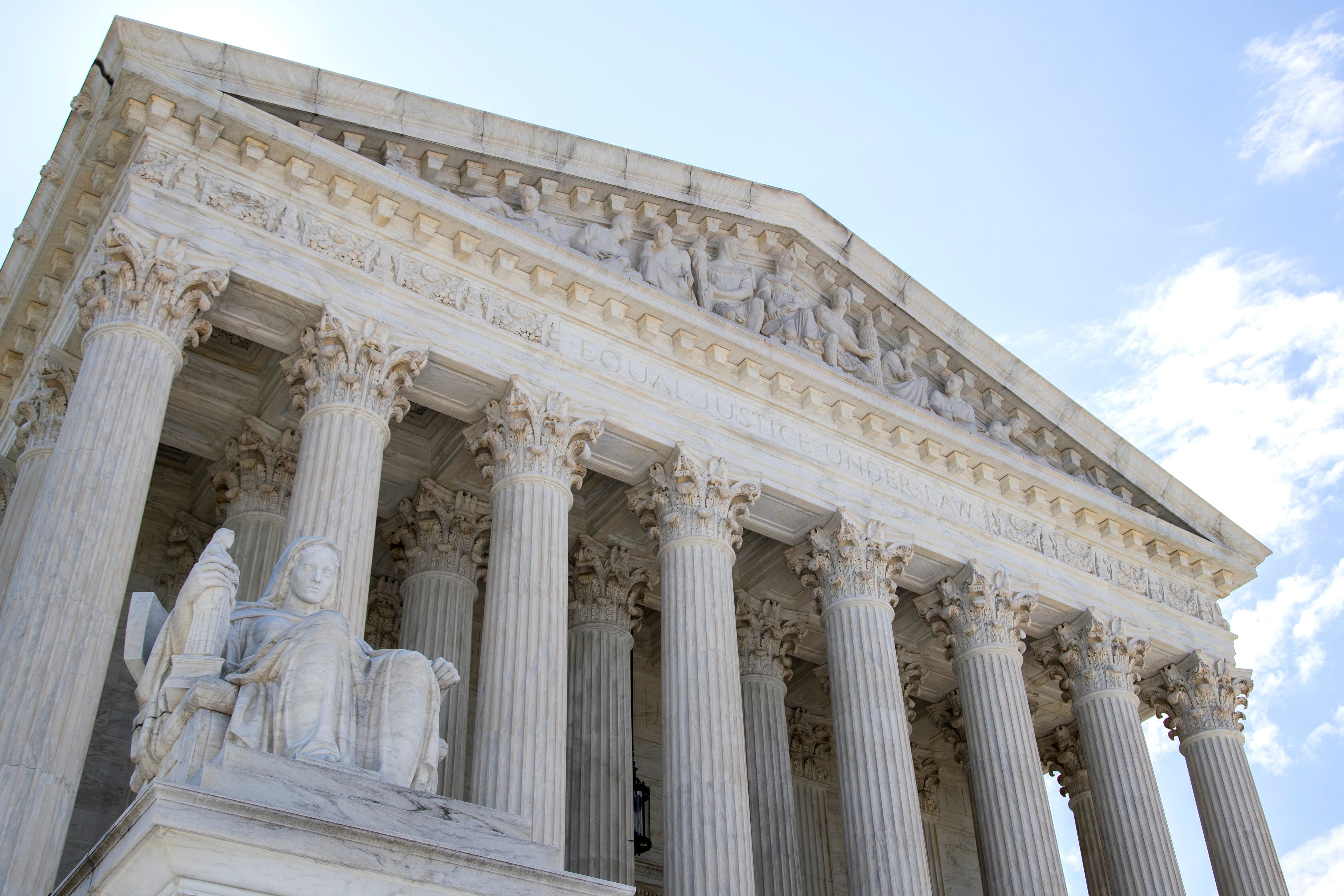
The Supreme Court on Monday upheld a 1991 law that bars robocalls to cellphones.
The case, argued by telephone in May because of the coronavirus pandemic, only arose after Congress in 2015 created an exception in the law that allowed the automated calls for collection of government debt.
Political consultants and pollsters were among those who asked the Supreme Court to strike down the entire 1991 law that bars them from making robocalls to cellphones as a violation of their free speech rights under the Constitution. The issue was whether, by allowing one kind of speech but not others, the exception made the whole law unconstitutional.
Six justices agreed that by allowing debt collection calls to cellphones Congress "impermissibly favored debt-collection speech over political and other speech, in violation of the First Amendment," Justice Brett Kavanaugh wrote. And seven justices agreed that the 2015 exception should be stricken from the law.
"Americans passionately disagree about many things. But they are largely united in their disdain for robocalls," Kavanaugh noted at the outset of his opinion.
During arguments in the case in May, Justice Stephen Breyer got cut off when someone tried calling him. Breyer said after he rejoined the court's arguments: "The telephone started to ring, and it cut me off the call and I don't think it was a robocall."
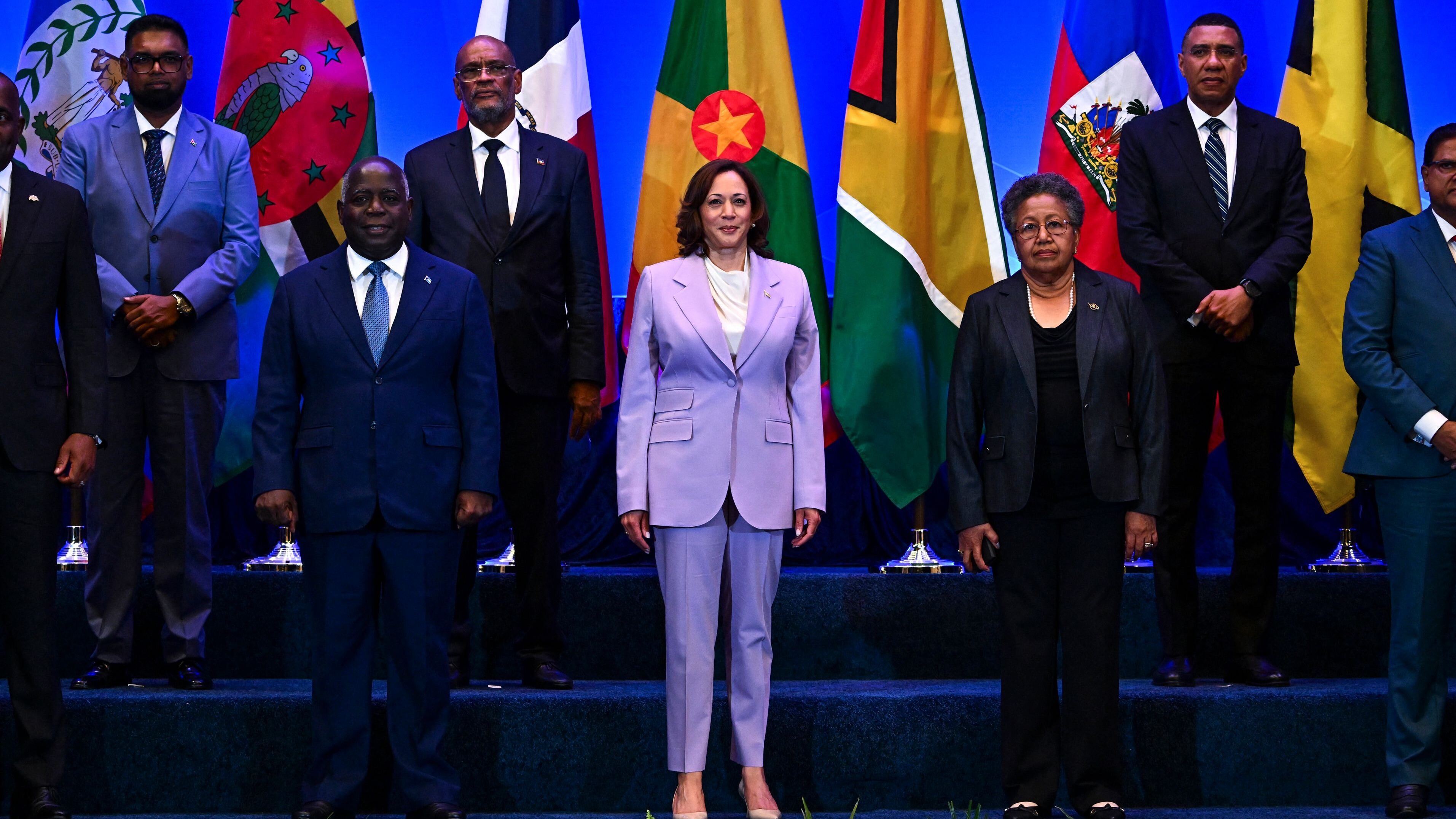
U.S. Vice President Kamala Harris announced Thursday that the U.S. is investing more than $100 million in the Caribbean region to crack down on weapons trafficking, help alleviate Haiti’s humanitarian crisis and support climate change initiatives.
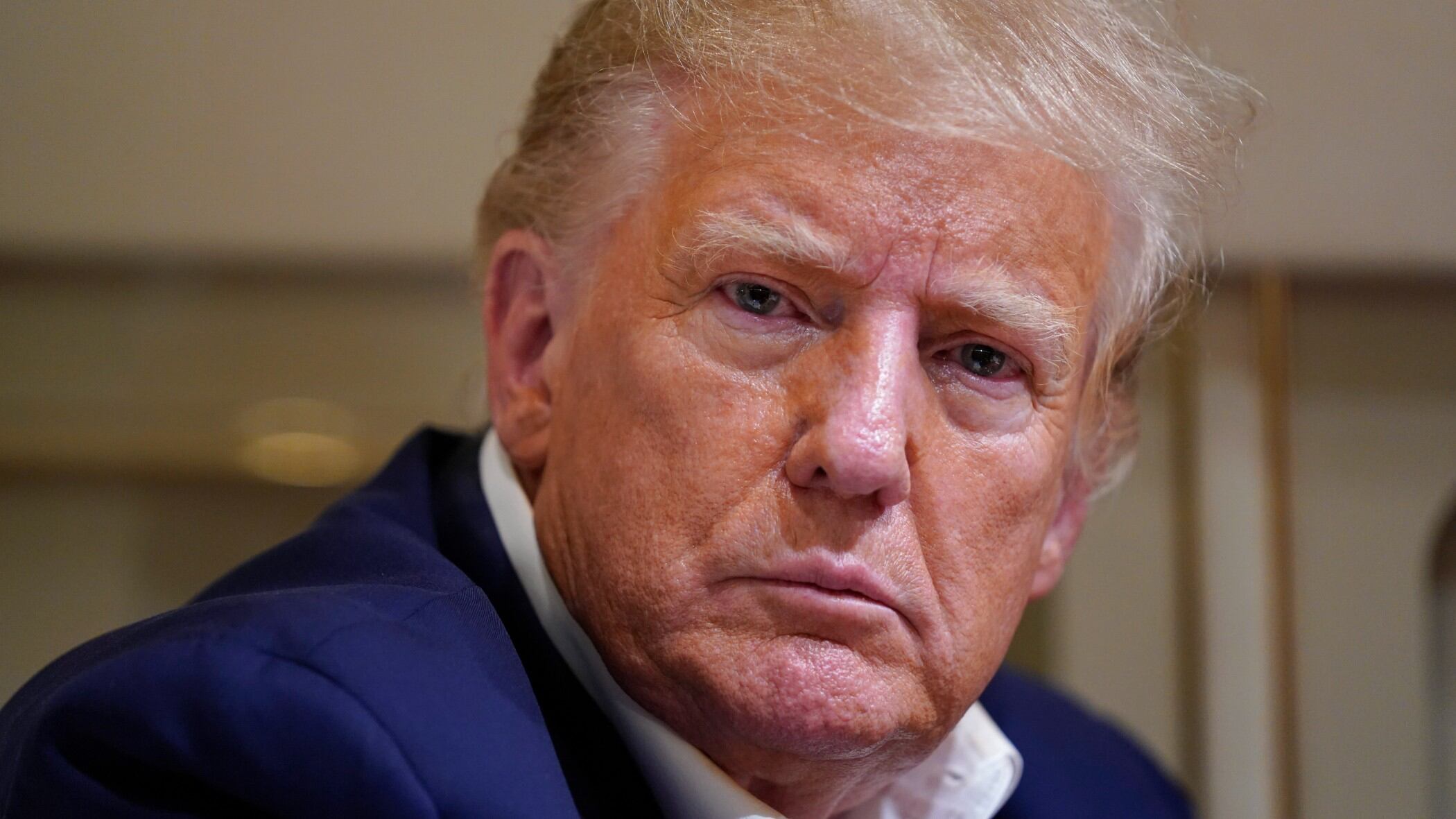
It is arguably the most perilous of multiple legal threats against the former president as he seeks to reclaim the White House.
U.S. Vice President Kamala Harris announced Thursday that the U.S. is investing more than $100 million in the Caribbean region to crack down on weapons trafficking, help alleviate Haiti’s humanitarian crisis and support climate change initiatives.
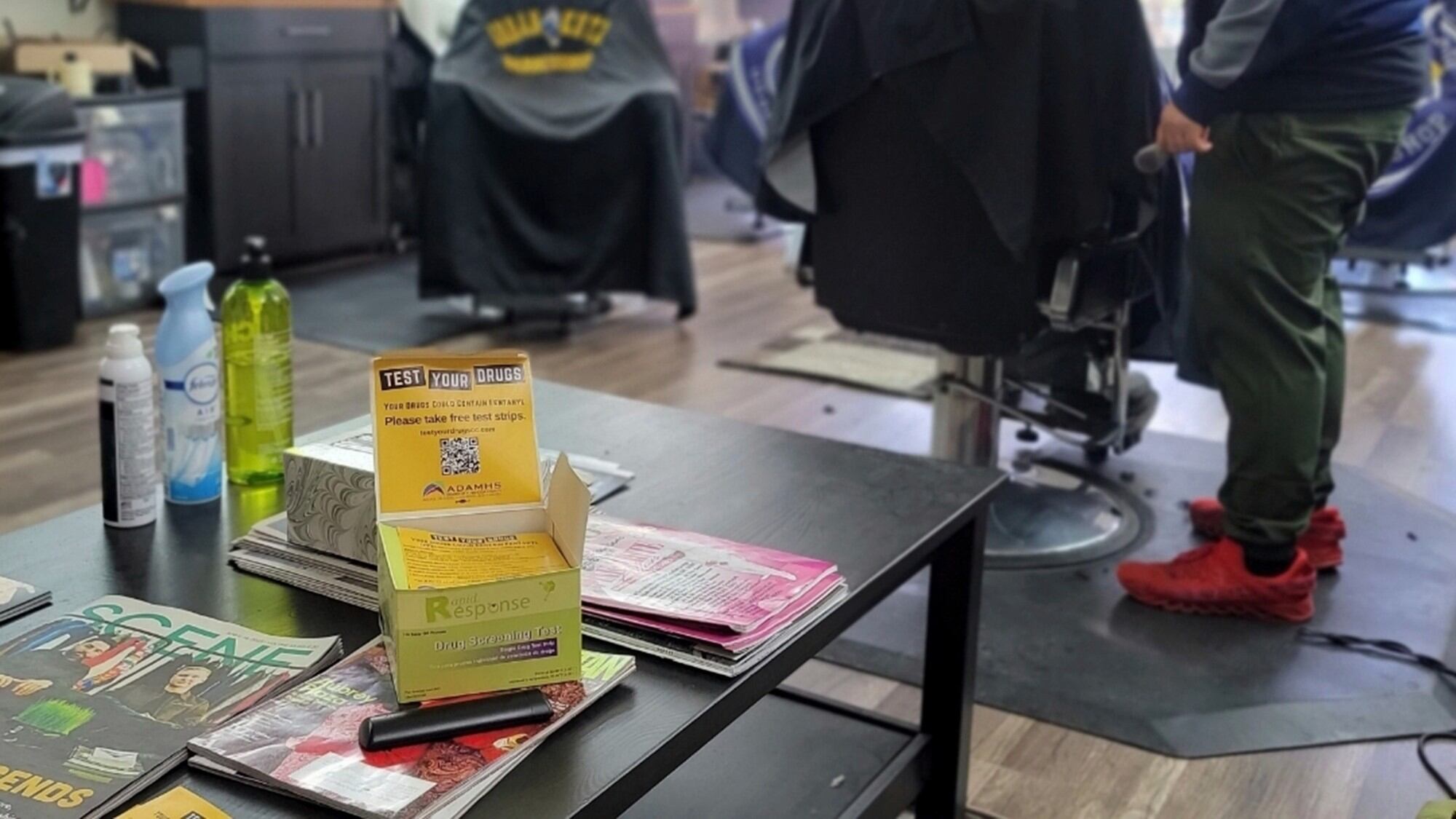
At Cleveland's Urban Kutz Barbershop, customers can flip through magazines as they wait, or help themselves to drug screening tests left out in a box on a table with a somber message: “Your drugs could contain fentanyl. Please take free test strips.”
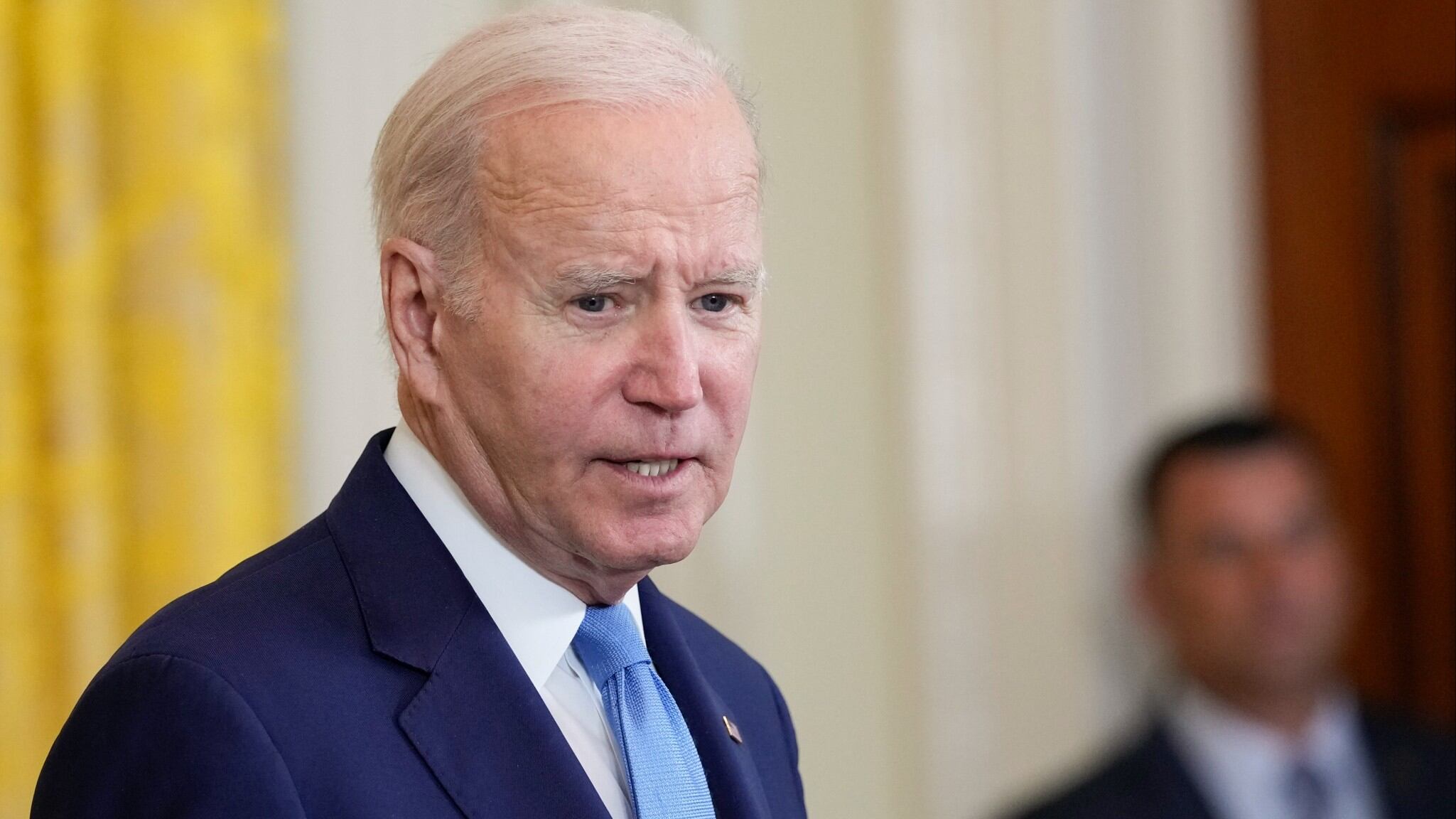
President Joe Biden on Thursday condemned a wave of “cruel” and “callous” state legislation curbing the rights, visibility and health care access of LGBTQ+ people, while causing the community to feel under attack for being who they are.
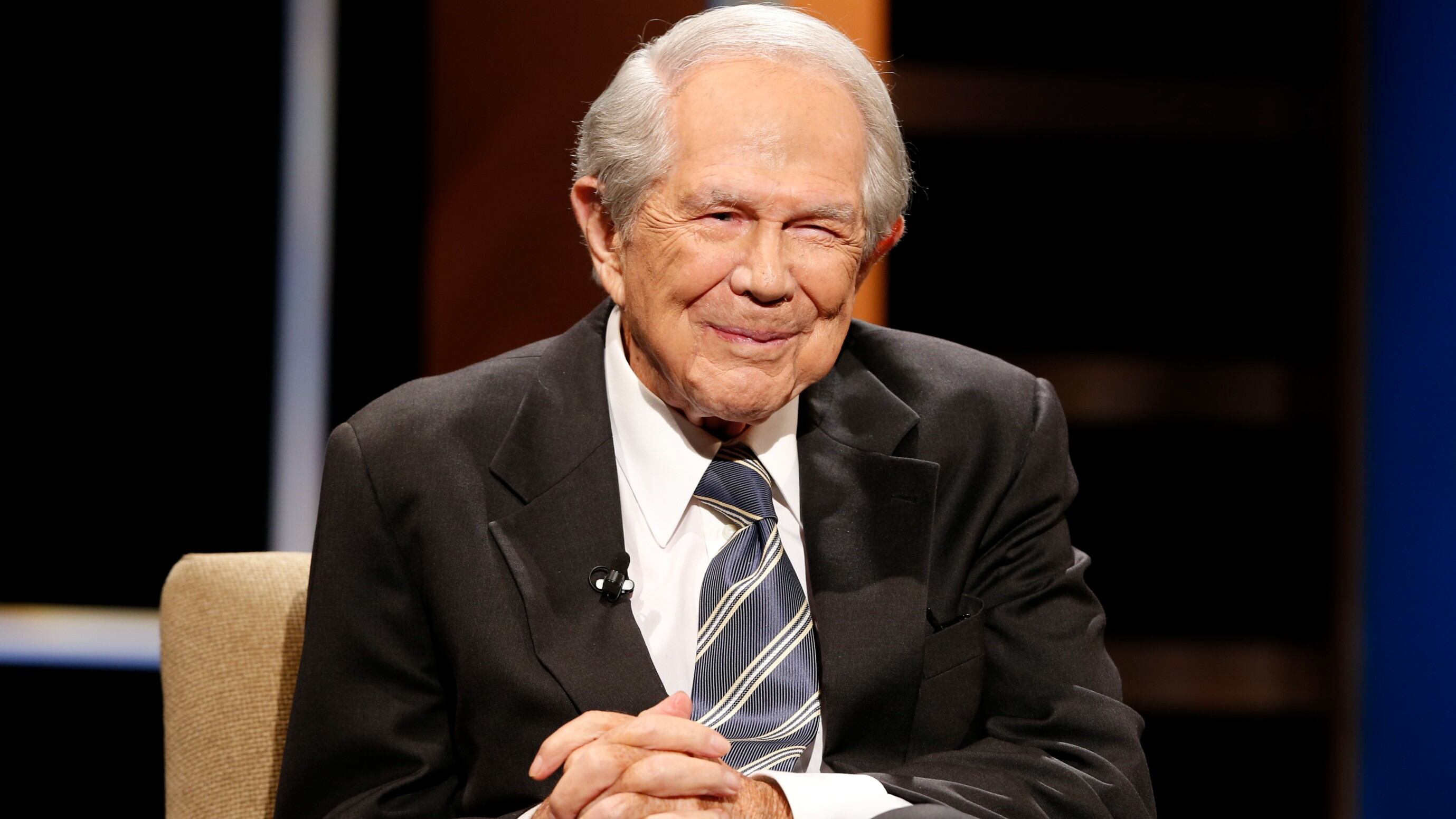
Pat Robertson, a religious broadcaster who turned a tiny Virginia station into the global Christian Broadcasting Network, tried a run for president and helped make religion central to Republican Party politics in America through his Christian Coalition, has died. He was 93.
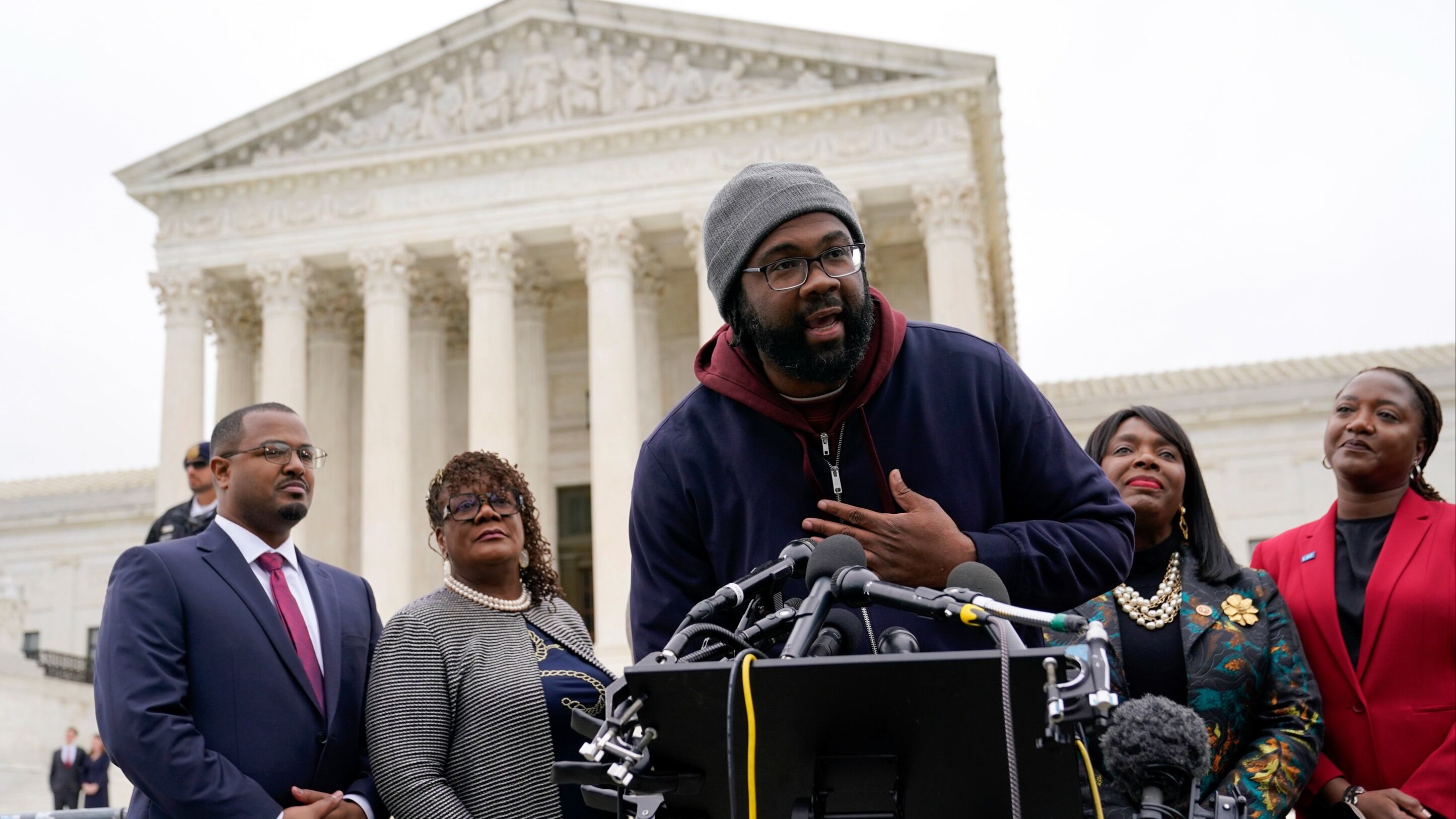
The Supreme Court on Thursday issued a surprising 5-4 ruling in favor of Black voters in a congressional redistricting case, ordering the creation of a second district with a large Black population.
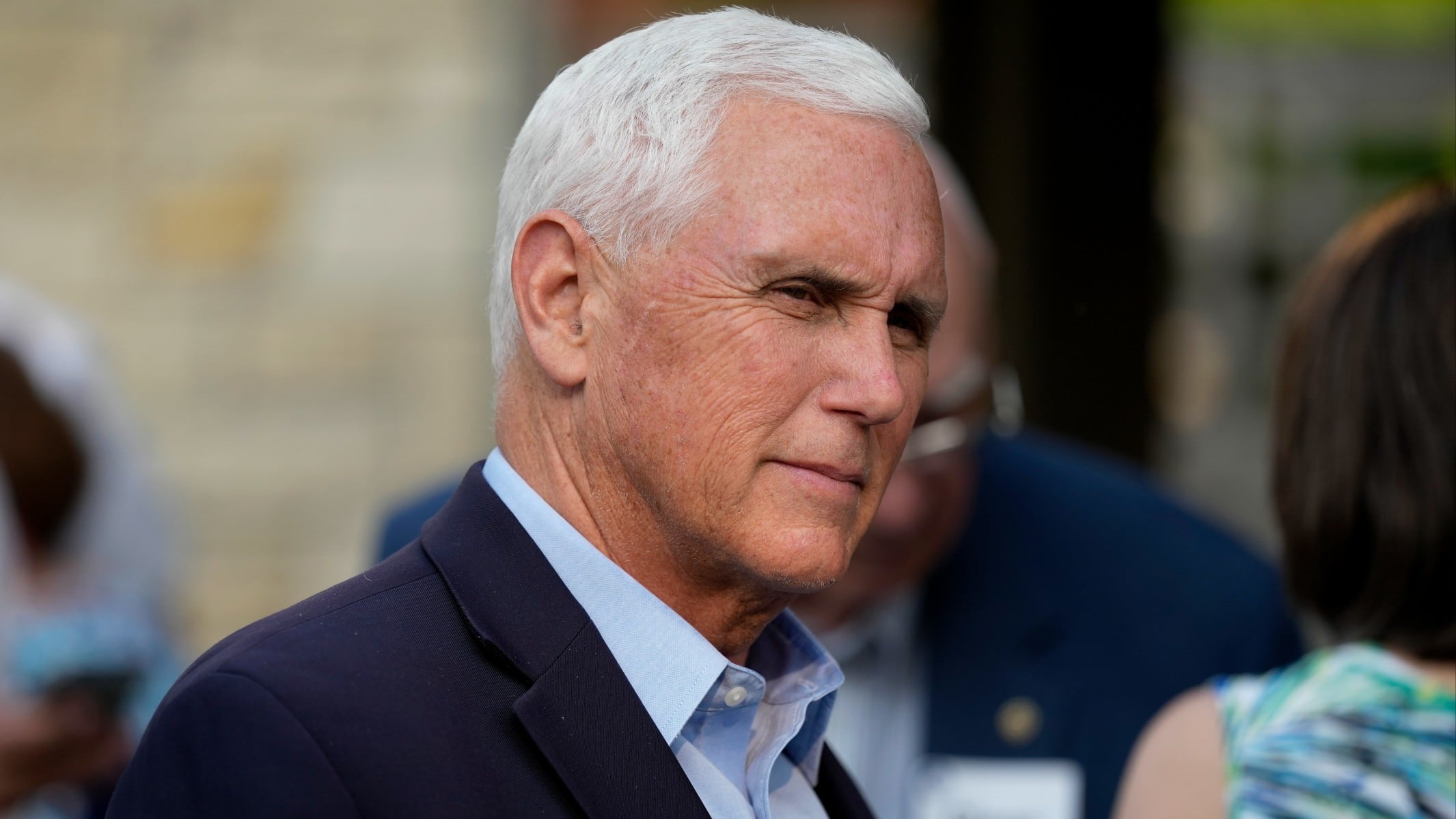
Mike Pence opened his presidential bid with an unusually forceful critique of former President Donald Trump over Jan. 6, his temperament and abortion on Wednesday as he became the first vice president in modern history to challenge his former running mate.
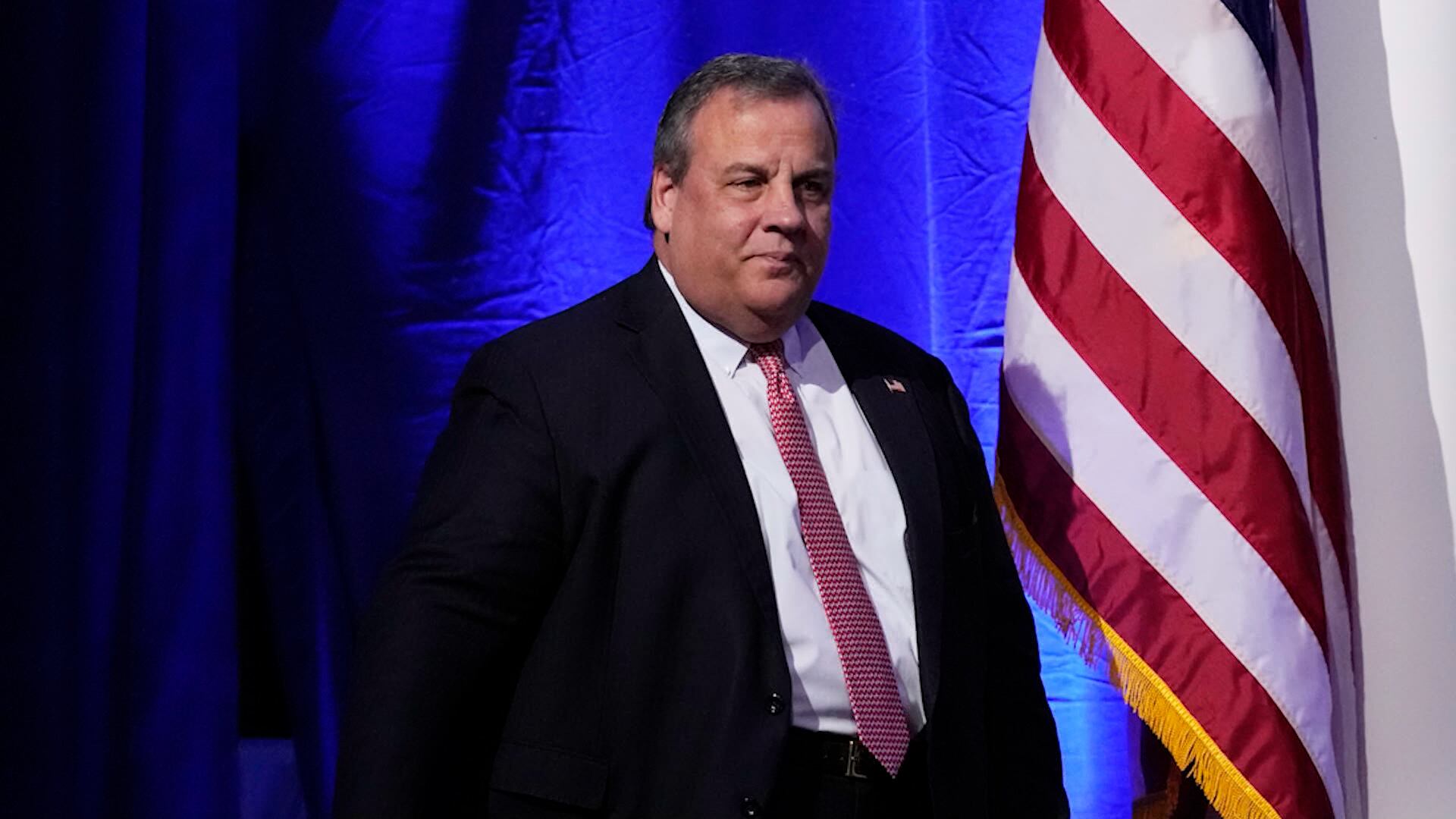
Former New Jersey Gov. Chris Christie wasted no time going after Donald Trump while launching his presidential campaign on Tuesday, calling the former president and current Republican primary front-runner a “lonely, self-consumed, self-serving mirror hog" and arguing that he's the only one who can stop him.
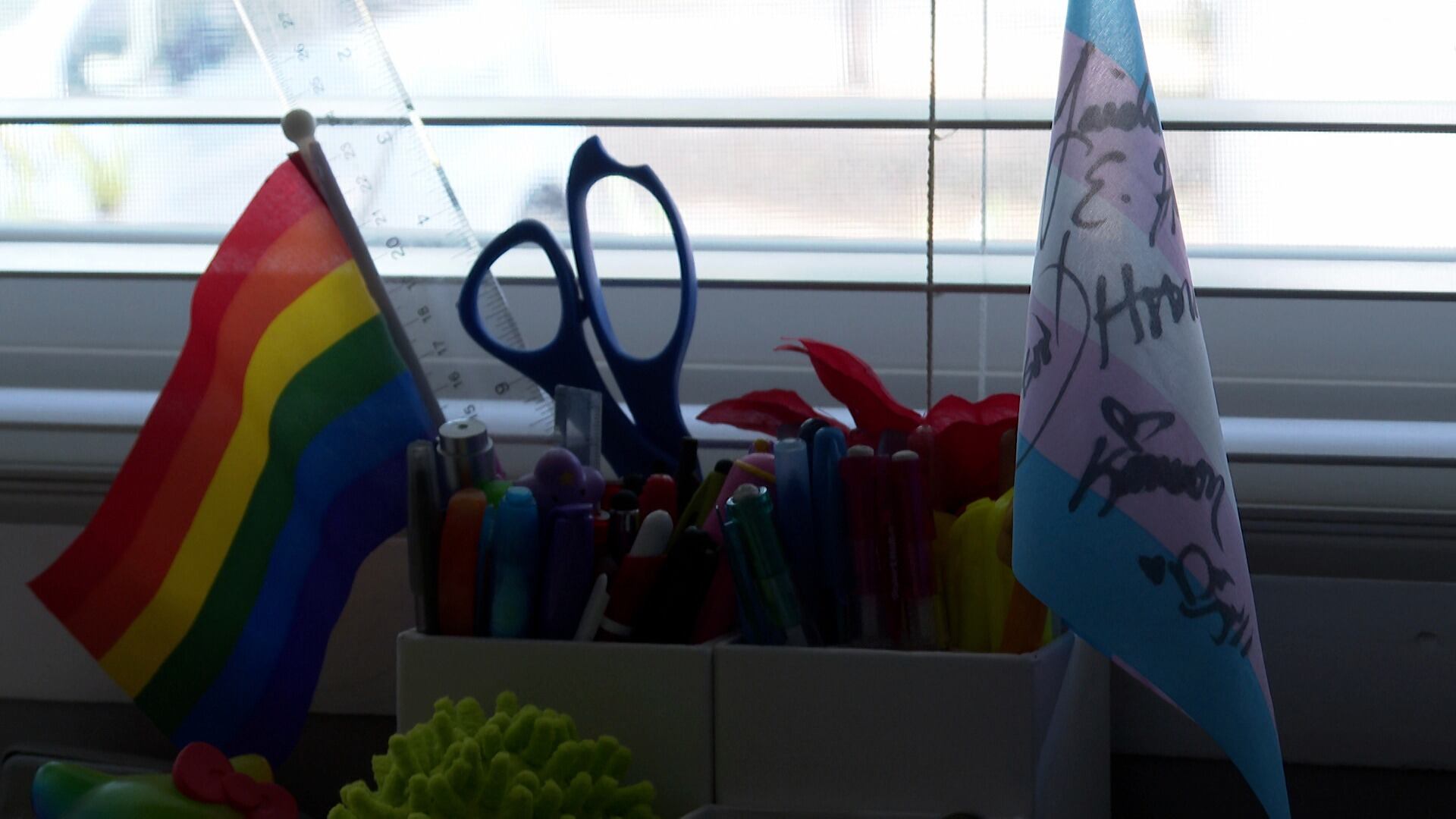
Saying gender identity is real, a federal judge temporarily blocked portions of a new Florida law that bans transgender minors from receiving puberty blockers, ruling Tuesday that the state has no rational basis for denying patients treatment.