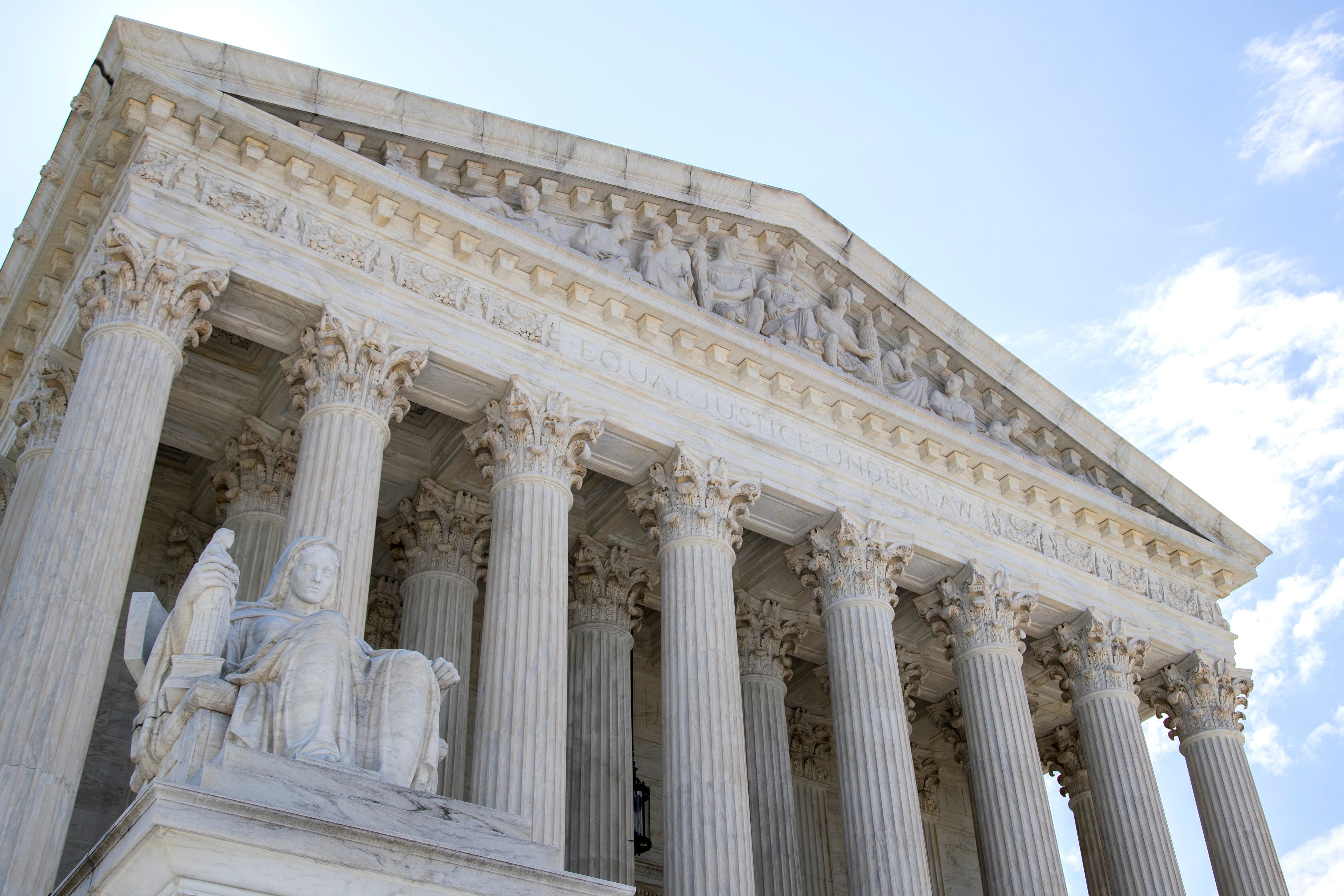
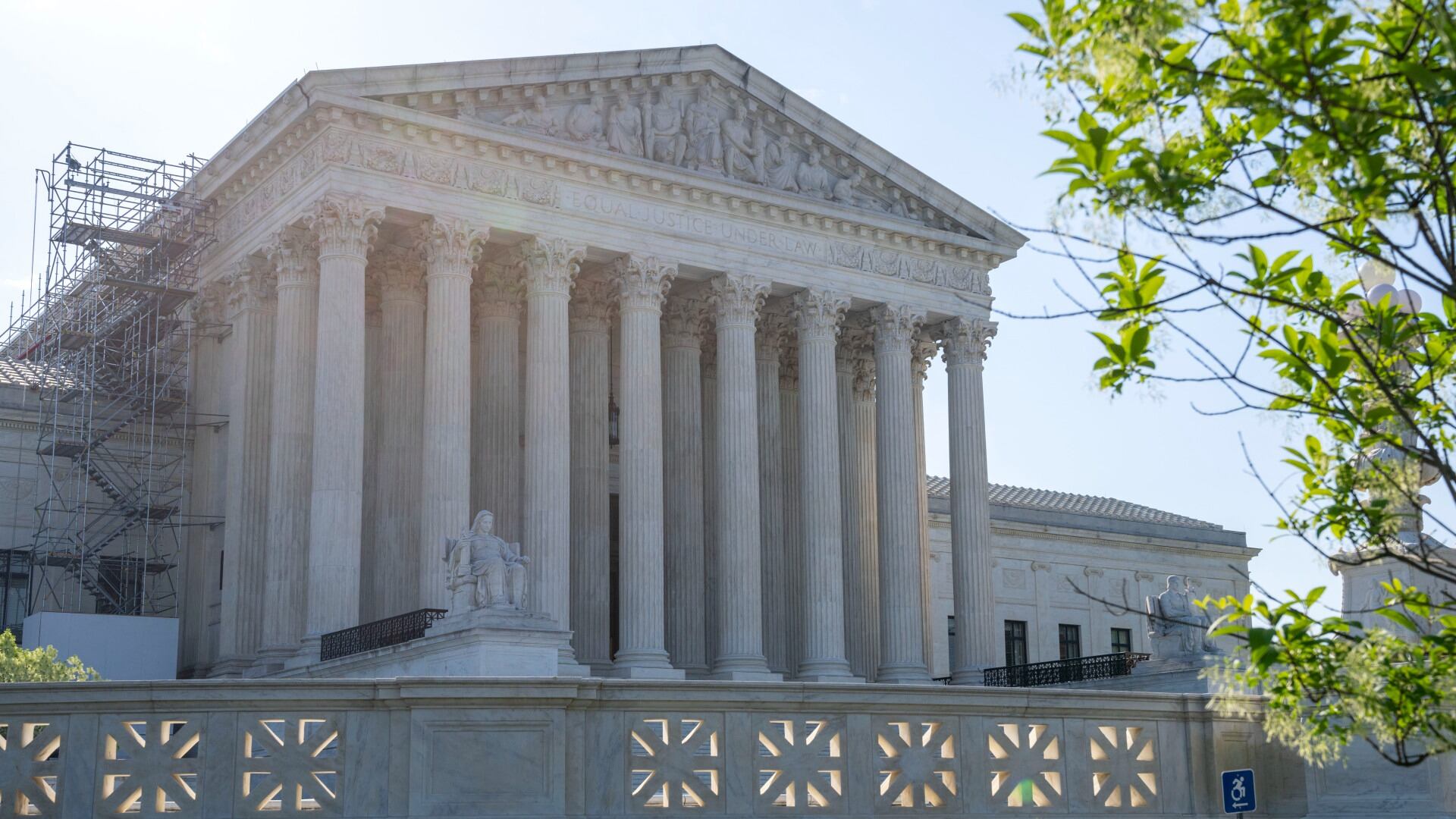
The Supreme Court on Monday upheld a 1991 law that bars robocalls to cellphones.
The case, argued by telephone in May because of the coronavirus pandemic, only arose after Congress in 2015 created an exception in the law that allowed the automated calls for collection of government debt.
Political consultants and pollsters were among those who asked the Supreme Court to strike down the entire 1991 law that bars them from making robocalls to cellphones as a violation of their free speech rights under the Constitution. The issue was whether, by allowing one kind of speech but not others, the exception made the whole law unconstitutional.
Six justices agreed that by allowing debt collection calls to cellphones Congress "impermissibly favored debt-collection speech over political and other speech, in violation of the First Amendment," Justice Brett Kavanaugh wrote. And seven justices agreed that the 2015 exception should be stricken from the law.
"Americans passionately disagree about many things. But they are largely united in their disdain for robocalls," Kavanaugh noted at the outset of his opinion.
During arguments in the case in May, Justice Stephen Breyer got cut off when someone tried calling him. Breyer said after he rejoined the court's arguments: "The telephone started to ring, and it cut me off the call and I don't think it was a robocall."
Two men who were active-duty members of the Marines Corps when they stormed the U.S. Capitol pleaded guilty on Monday to riot-related criminal charges.
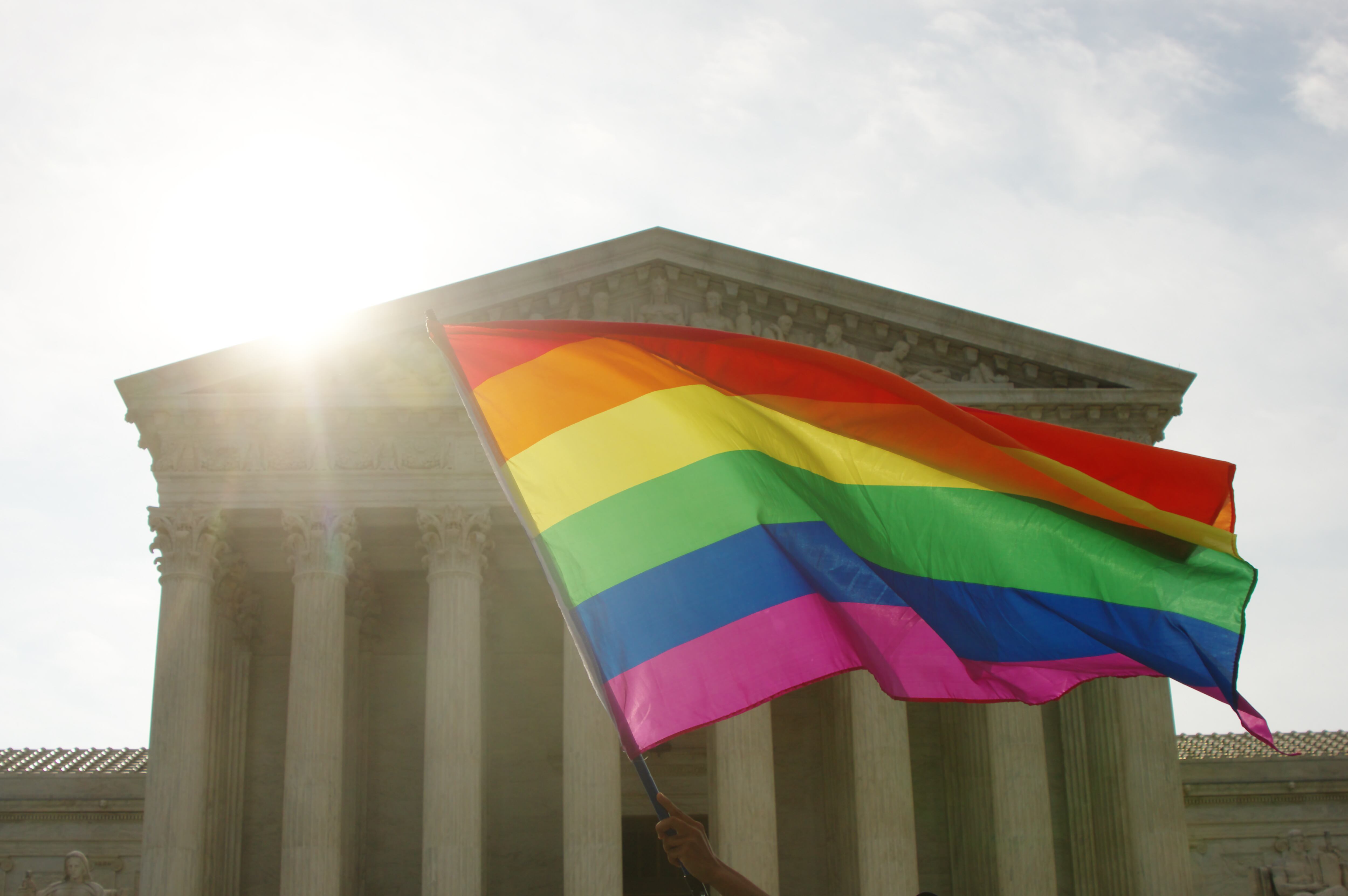
The Human Rights Campaign, for the first time in its 40-year history, declared a state of emergency for the LGBTQ+ community as anti-LTBTQ+ sentiment is on the rise. Cheddar News explains.
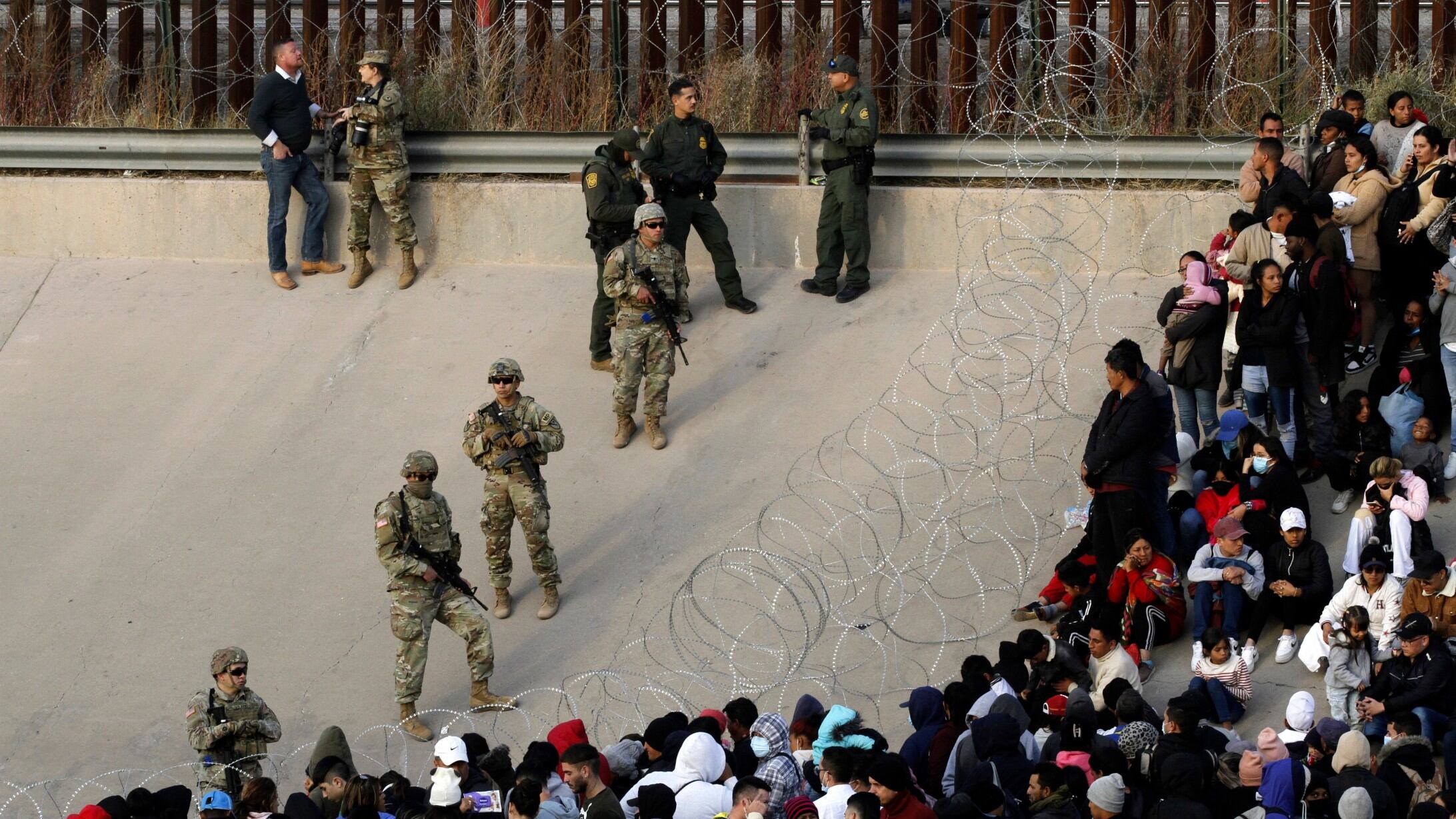
The Biden administration has stopped taking mobile app appointments to admit asylum-seekers at a Texas border crossing that connects to a notoriously dangerous Mexican city after advocates warned U.S. authorities that migrants were being targeted there for extortion.
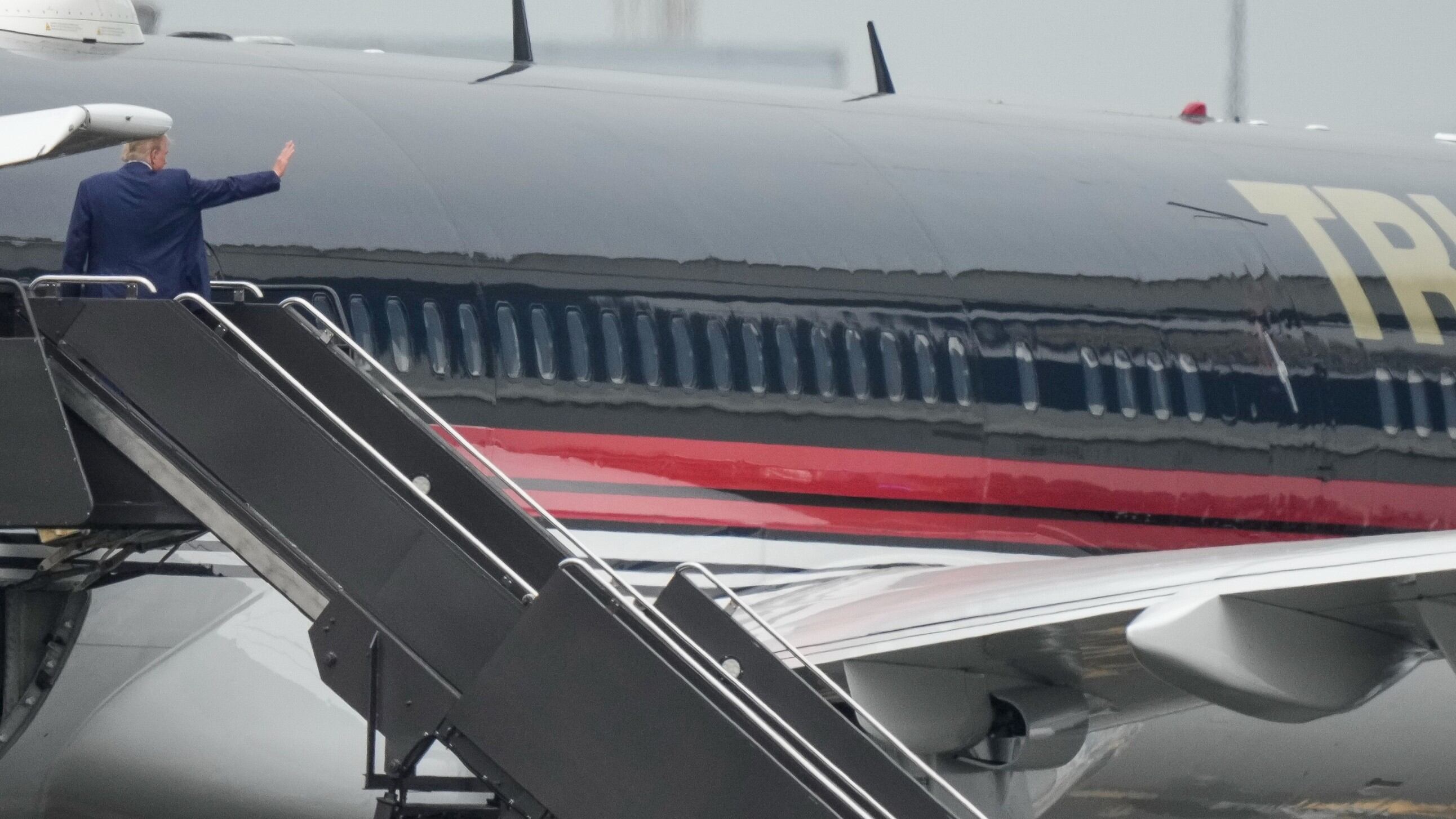
Donald Trump arrived in Florida on Monday ahead of a history-making federal court appearance on dozens of felony charges accusing him of illegally hoarding classified documents and thwarting the Justice Department's efforts to get them back.
The Supreme Court said Monday it won't review North Carolina's decision to stop issuing specialty license plates with the Confederate flag.
The Human Rights Campaign has declared a state of emergency for the lgbtq+ community. The unprecedented move comes after the passage of more than 75 anti-gay bills this year alone. Here with more is Cheddar News senior reporter Chloe Aiello.
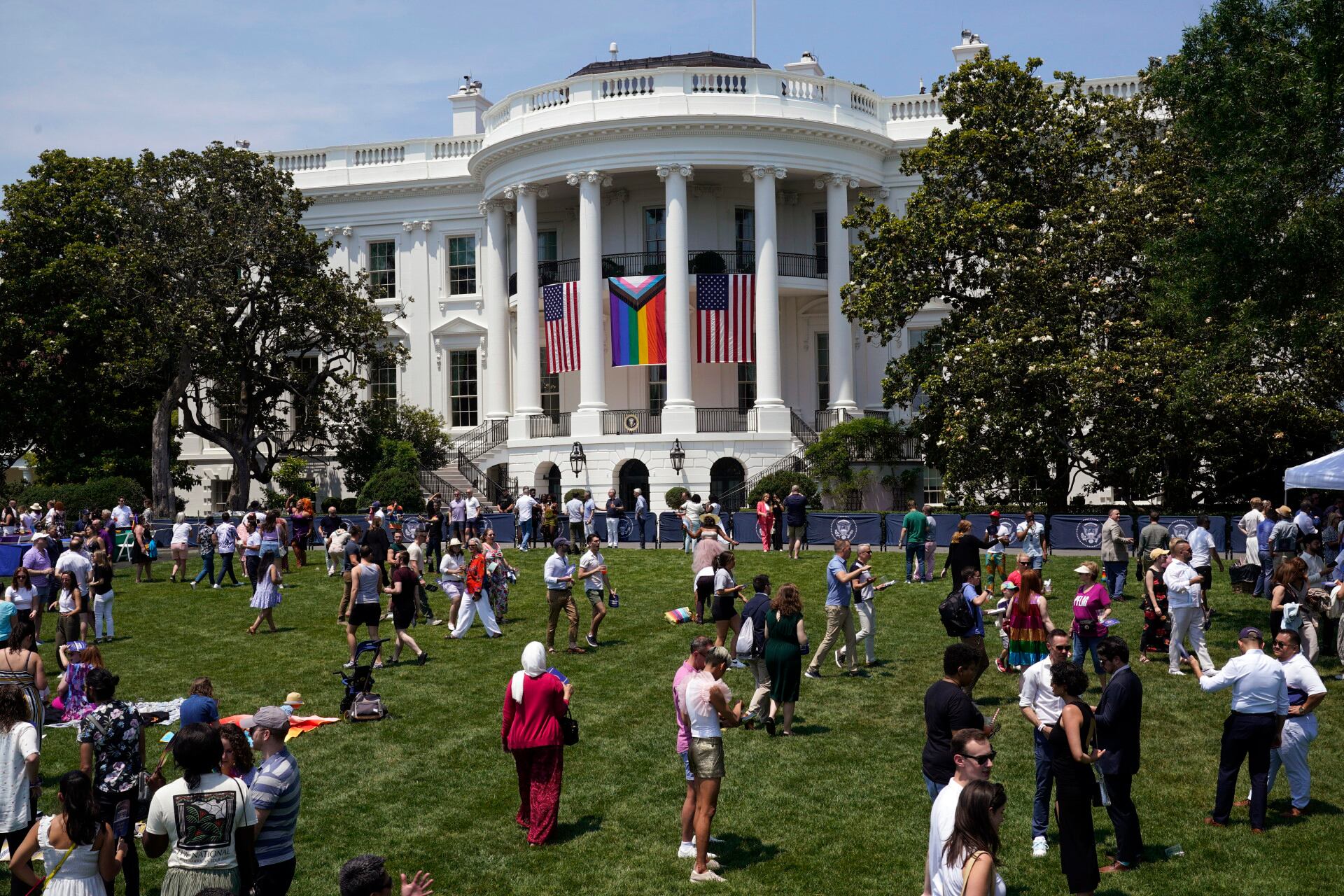
President Joe Biden welcomed hundreds to the White House on Saturday for a delayed Pride Month celebration aimed at showing LGBTQ+ people that his administration has their back at a time when advocates are warning of a spike in discriminatory legislation, particularly aimed at the transgender community, sweeping through statehouses.
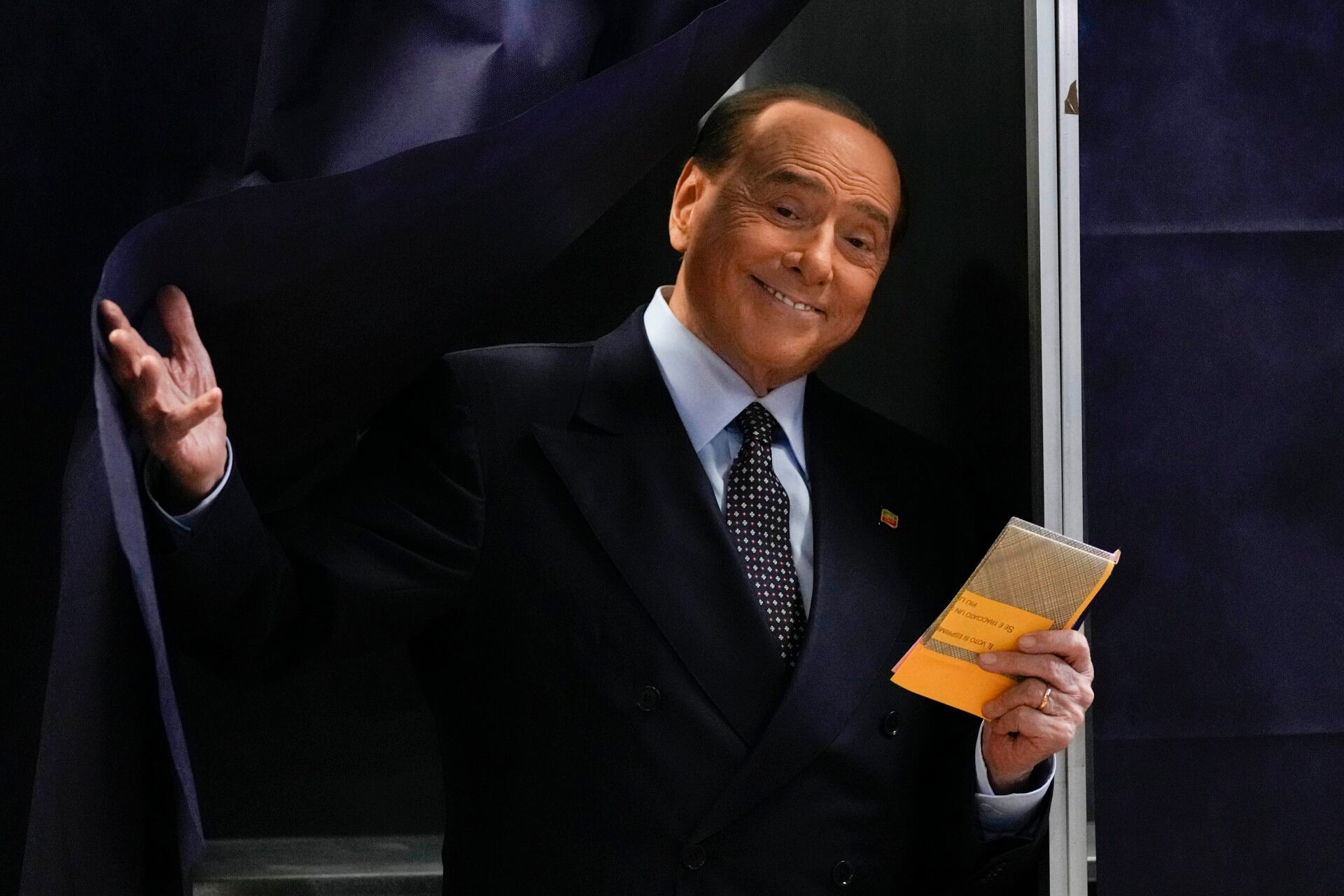
Silvio Berlusconi, the boastful billionaire media mogul who was Italy’s longest-serving premier despite scandals over his sex-fueled parties and allegations of corruption, died Monday. He was 86.
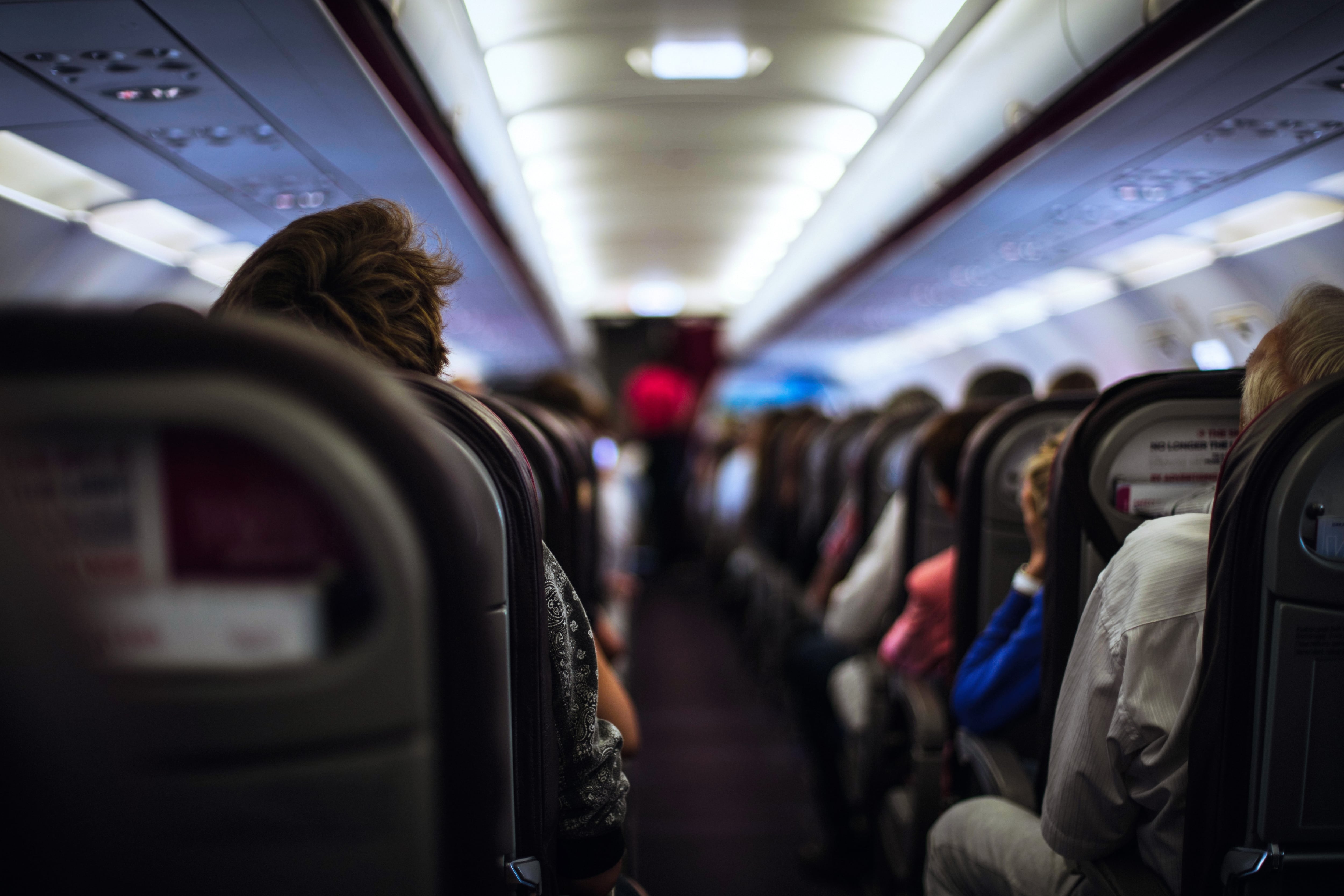
“Any consumer can tell you that online airline bookings are confusing enough," said William McGee, an aviation expert at the American Economic Liberties Project. "The last thing we need is to roll back an existing protection that provides effective transparency.”
Cheddar News checks in to see what to look out for Next Week on the Street as former president Donald Trump makes an appearance in federal court after being indicted. Investors will also keep an eye on the Federal Reserve meeting to see what comes out of that while earnings continue to pour in.