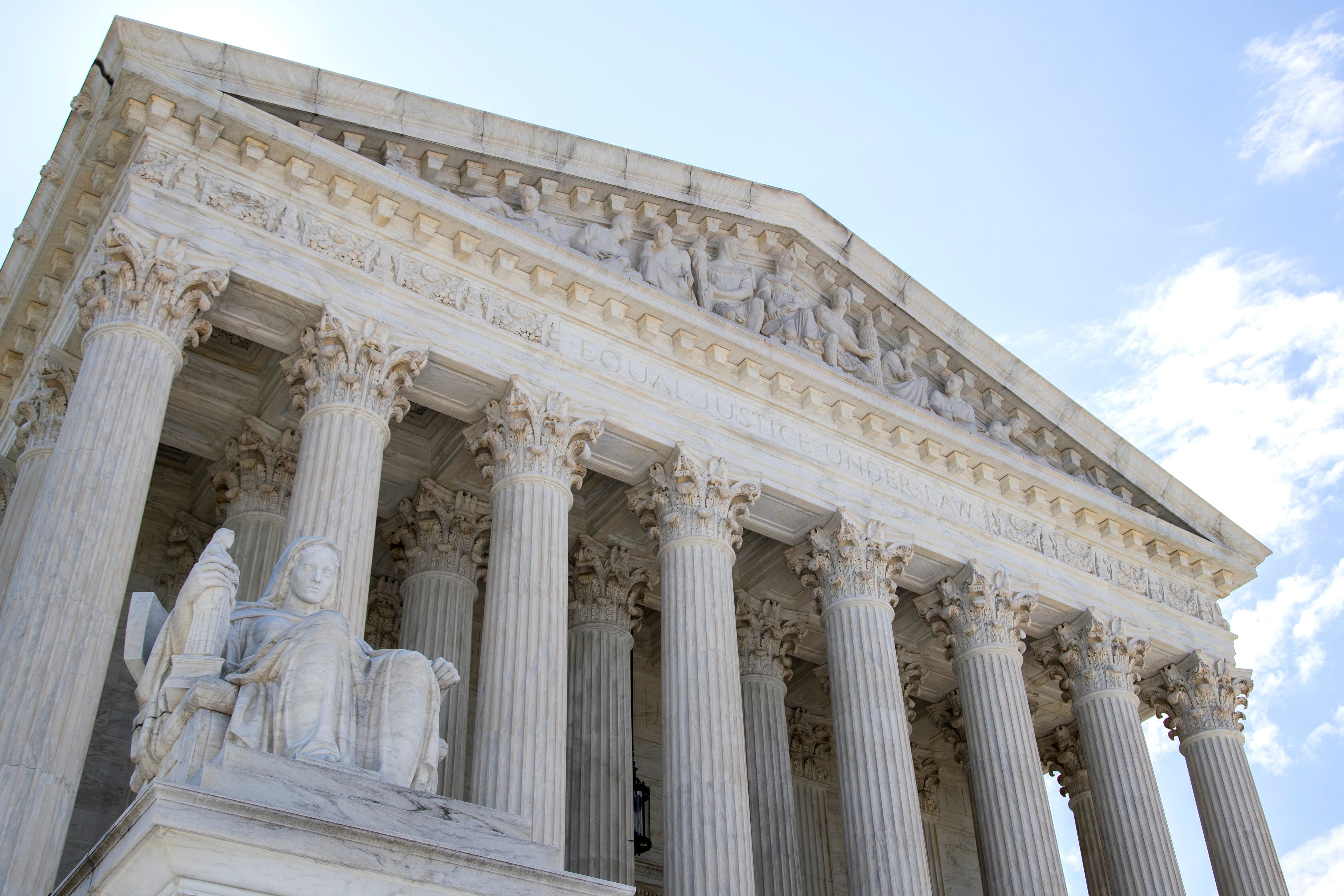
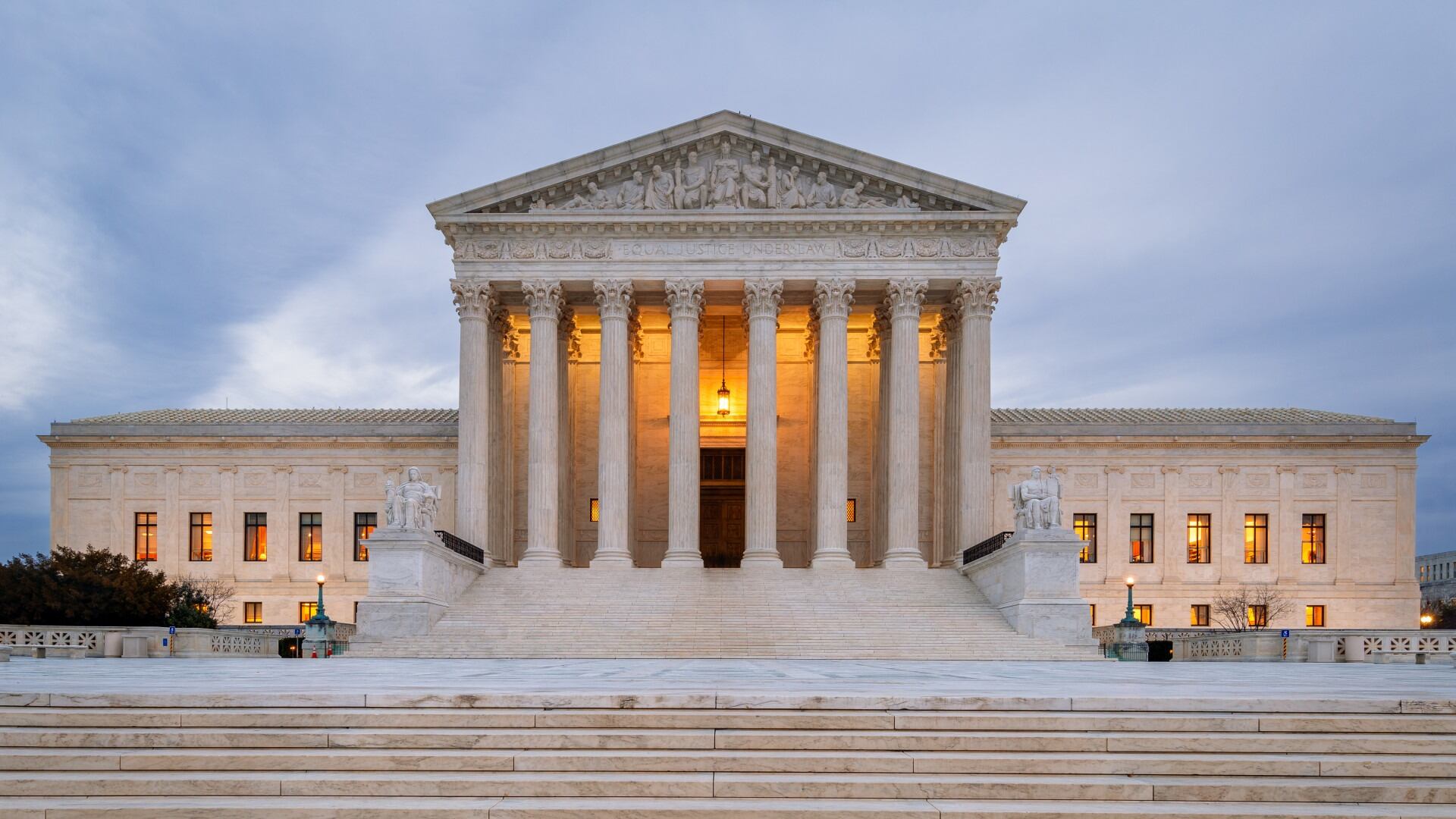
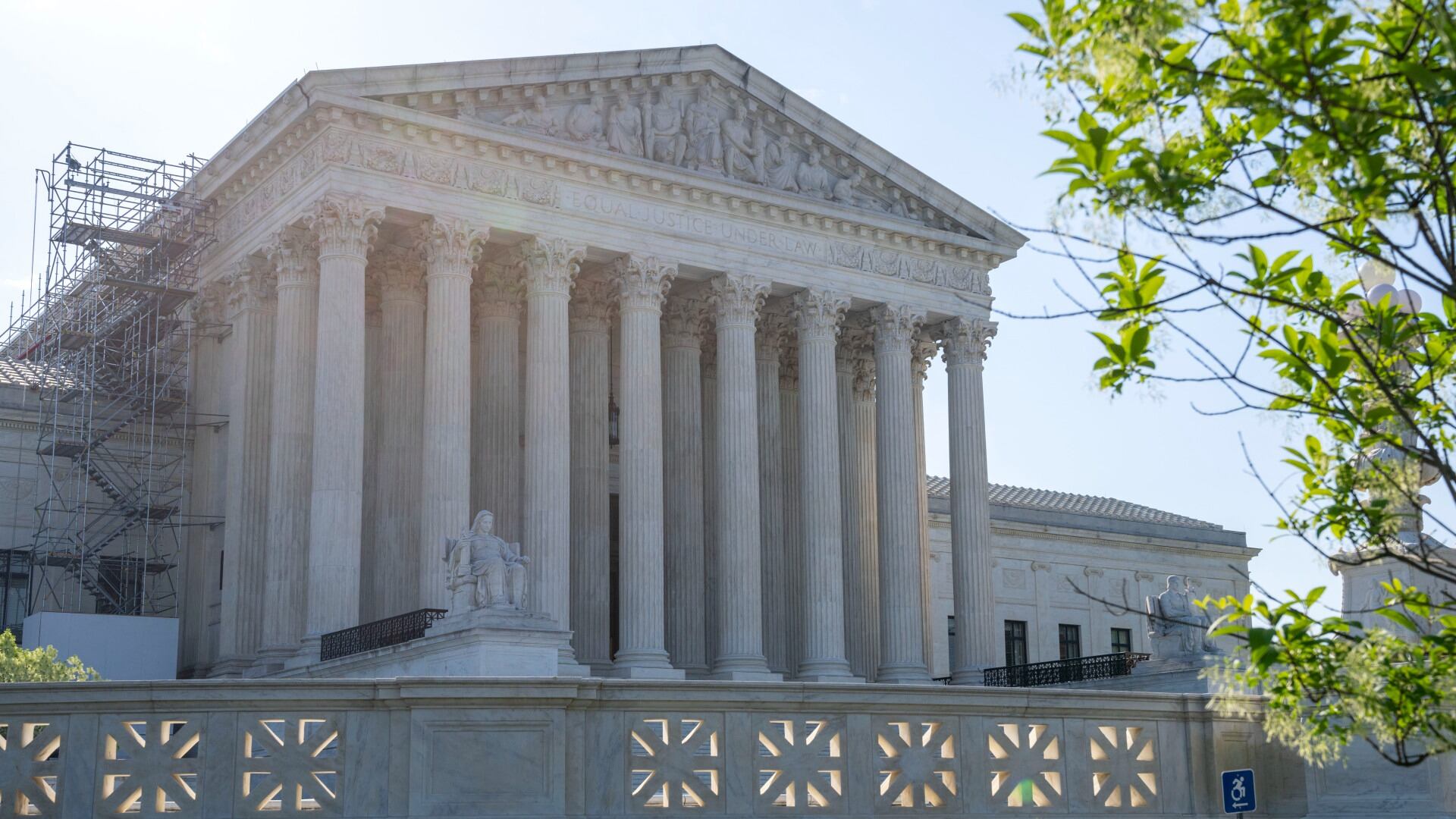
The U.S. Supreme Court is seen Tuesday, June 30, 2020 in Washington. (AP Photo/Manuel Balce Ceneta)
The Supreme Court on Monday upheld a 1991 law that bars robocalls to cellphones.
The case, argued by telephone in May because of the coronavirus pandemic, only arose after Congress in 2015 created an exception in the law that allowed the automated calls for collection of government debt.
Political consultants and pollsters were among those who asked the Supreme Court to strike down the entire 1991 law that bars them from making robocalls to cellphones as a violation of their free speech rights under the Constitution. The issue was whether, by allowing one kind of speech but not others, the exception made the whole law unconstitutional.
Six justices agreed that by allowing debt collection calls to cellphones Congress "impermissibly favored debt-collection speech over political and other speech, in violation of the First Amendment," Justice Brett Kavanaugh wrote. And seven justices agreed that the 2015 exception should be stricken from the law.
"Americans passionately disagree about many things. But they are largely united in their disdain for robocalls," Kavanaugh noted at the outset of his opinion.
During arguments in the case in May, Justice Stephen Breyer got cut off when someone tried calling him. Breyer said after he rejoined the court's arguments: "The telephone started to ring, and it cut me off the call and I don't think it was a robocall."
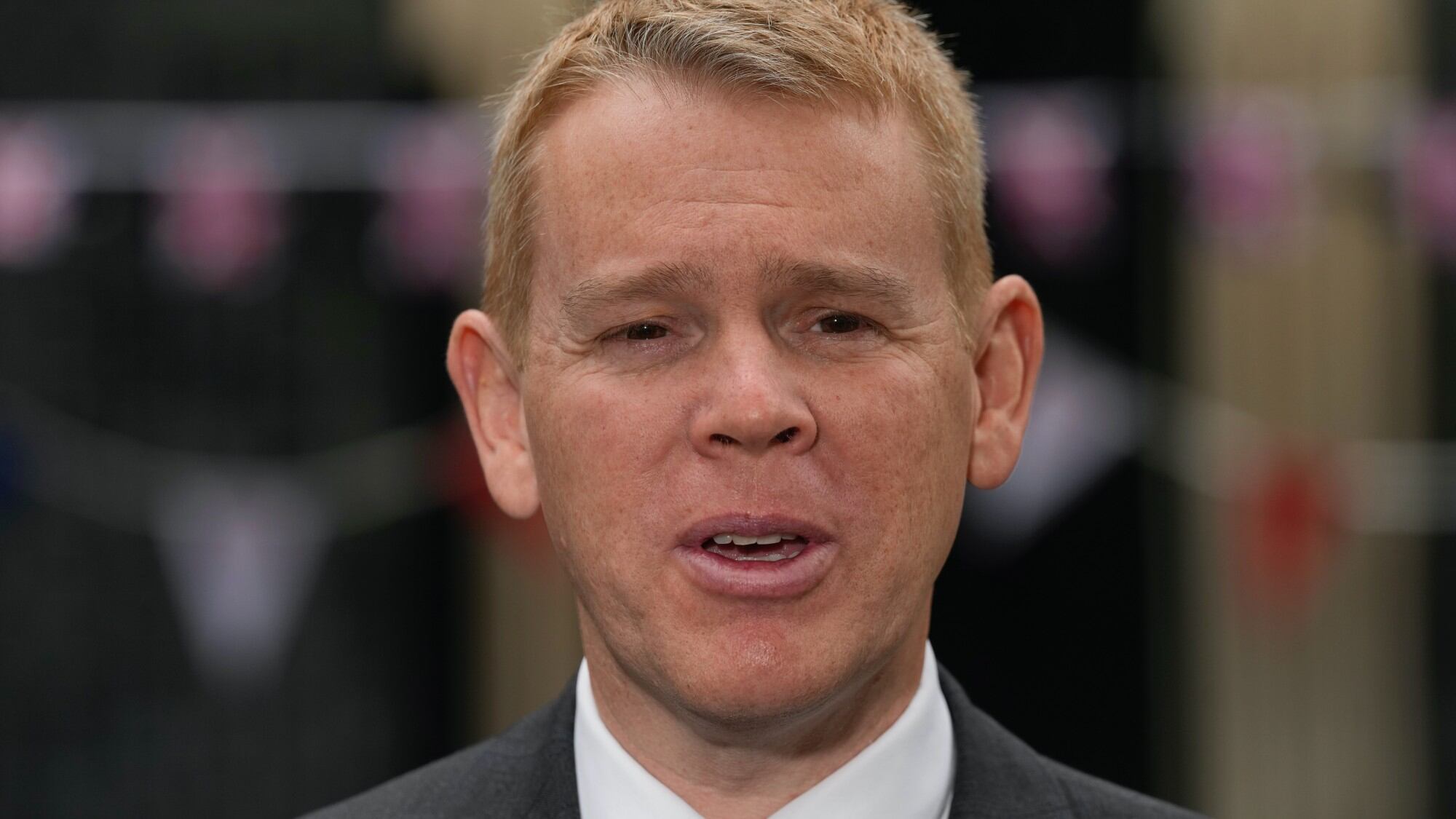
New Zealand acknowledged it has an aging Boeing 757 so prone to breakdowns they had sent an empty backup to ensure Prime Minister Chris Hipkins didn't get stranded in China, where he is leading a trade delegation.
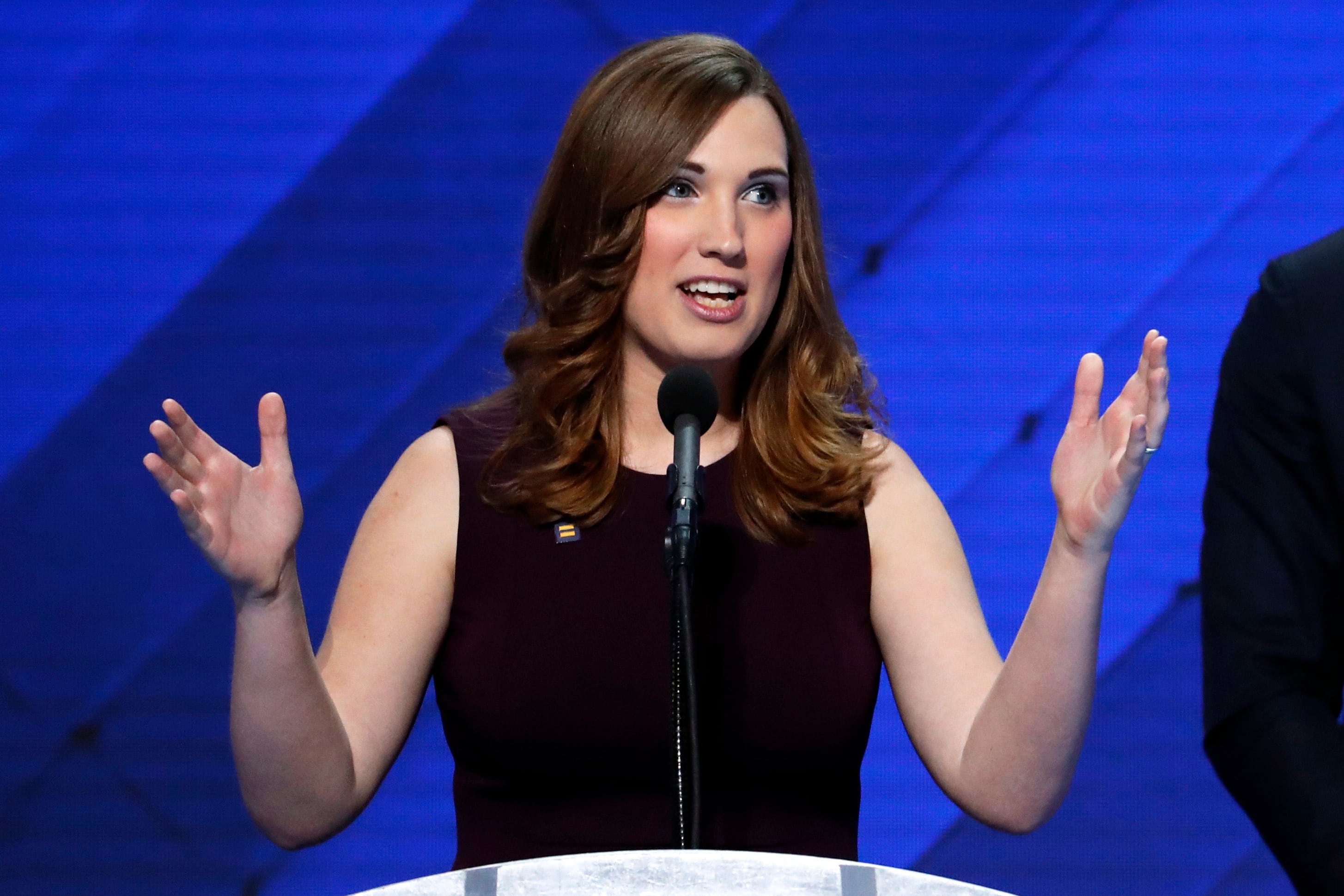
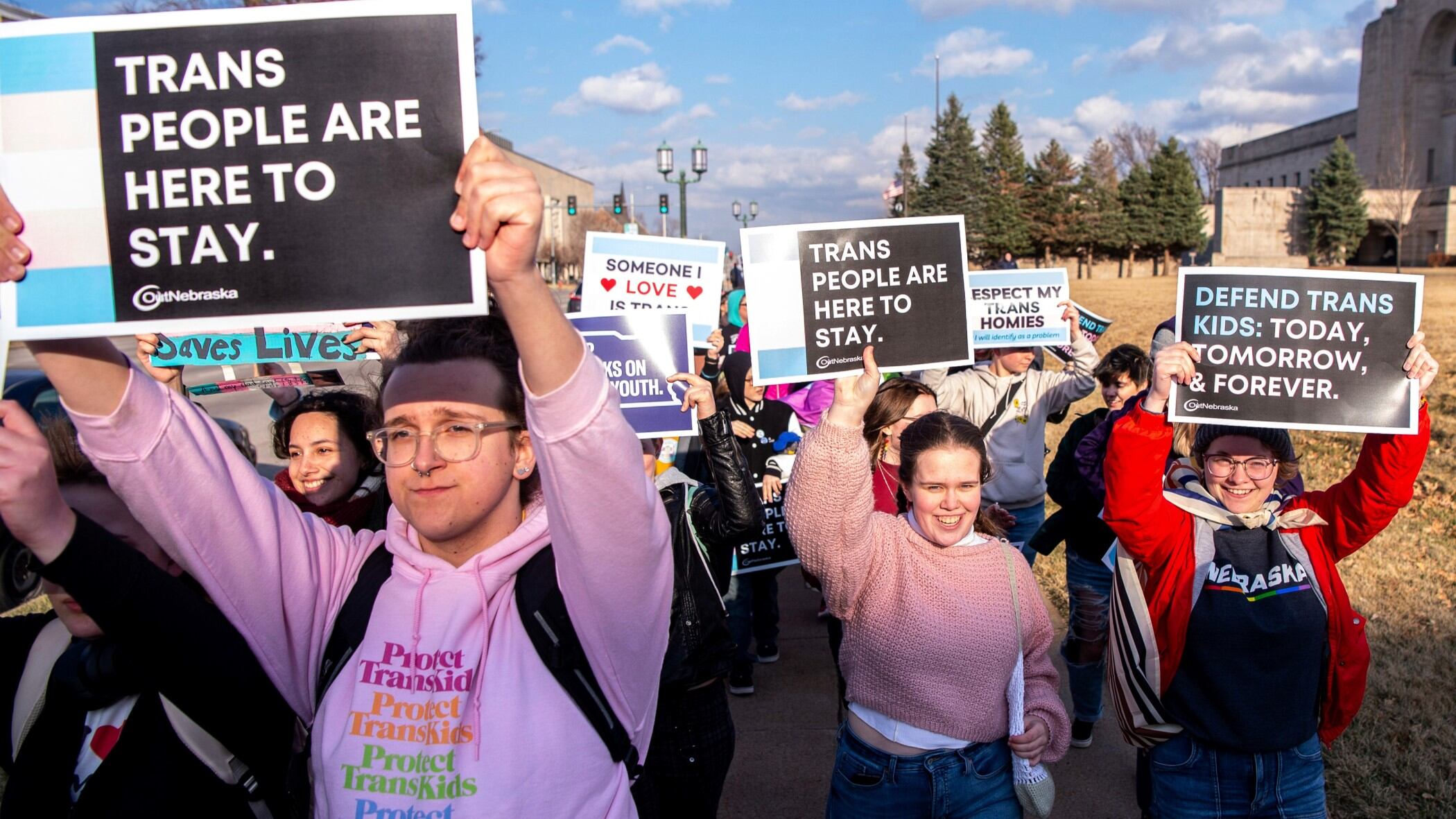
Delaware state Sen. Sarah McBride announced Monday she's running for the U.S. House of Representatives. Already the first openly transgender state senator elected in the country, she'd be the first transgender member of Congress if she wins in November.
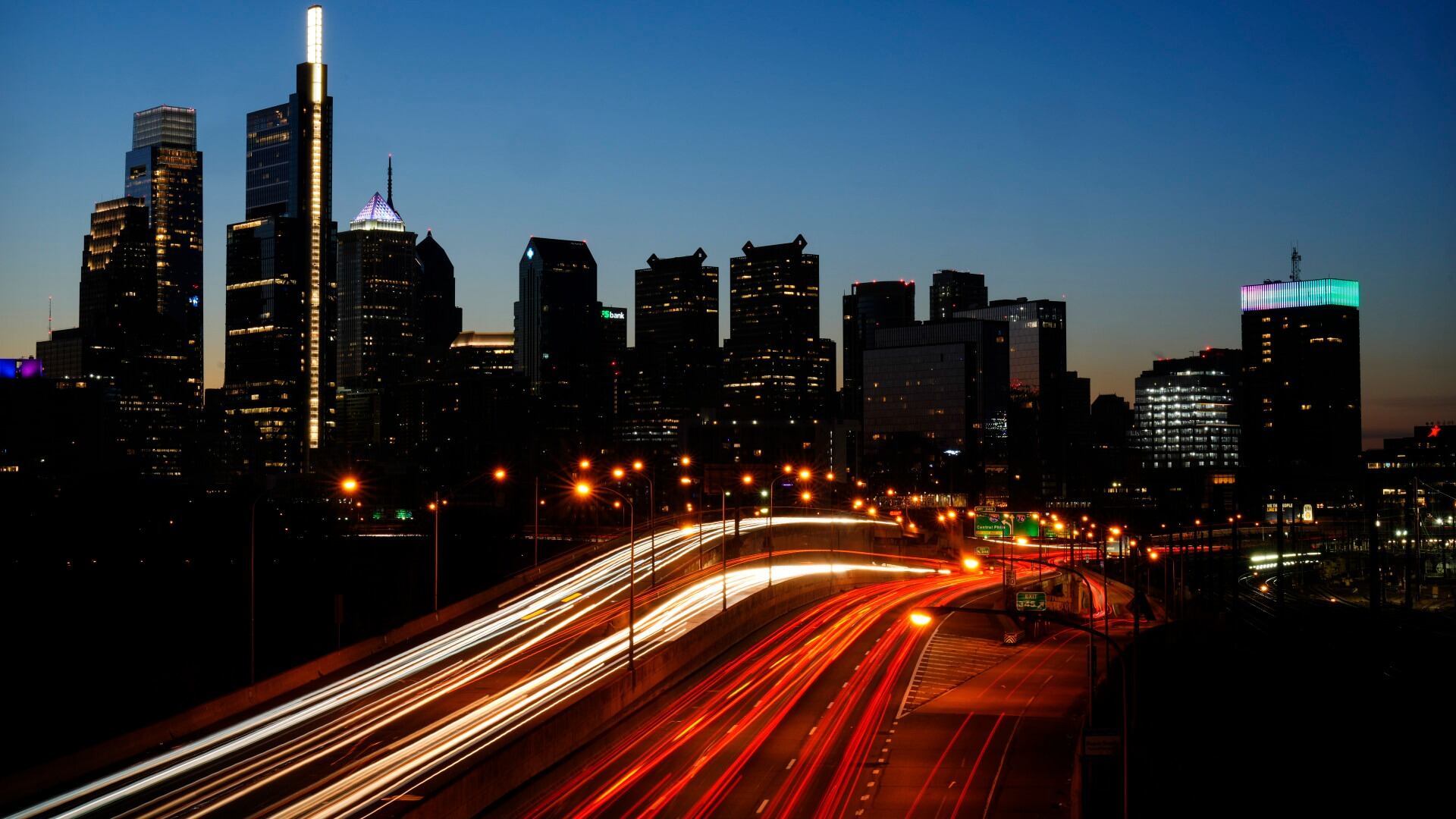
U.S. states could face some hurdles as they experiment with road usage charging programs aimed at one day replacing motor fuel taxes, which are generating less each year, in part due to fuel efficiency and the rise of electric cars.
The defiance of restrictions in North Dakota on what bathrooms transgender students can use in public schools and universities shows that it's not exactly clear how bathroom laws will play out in local communities after being enacted in at least 10 states with Republican-controlled legislatures.
The Supreme Court on Monday left in place an appellate ruling barring a North Carolina public charter school from requiring girls to wear skirts to school.
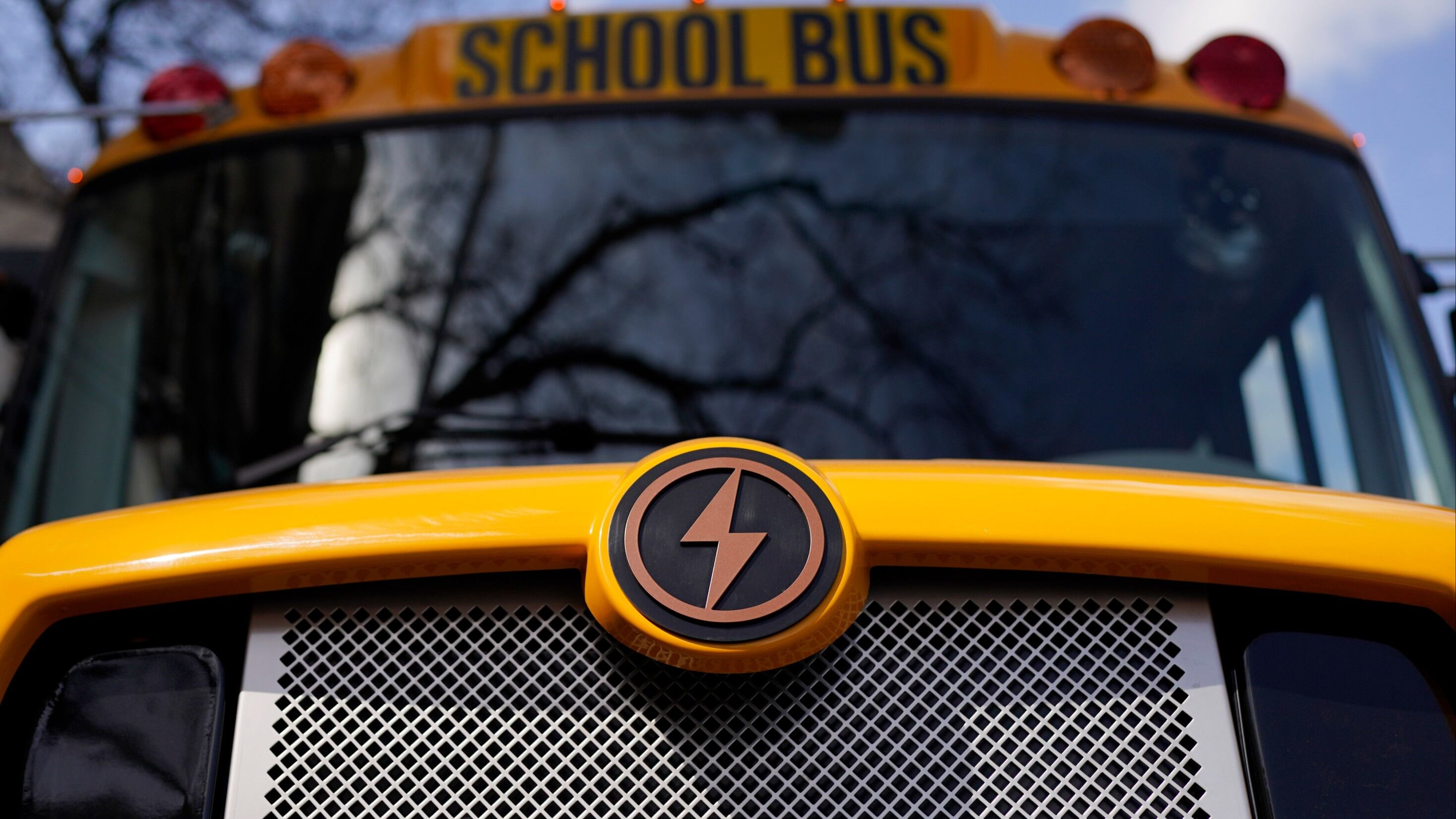
The U.S. Department of Transportation is awarding almost $1.7 billion in grants for buying zero- and low-emission buses, with the money going to transit projects in 46 states and territories.
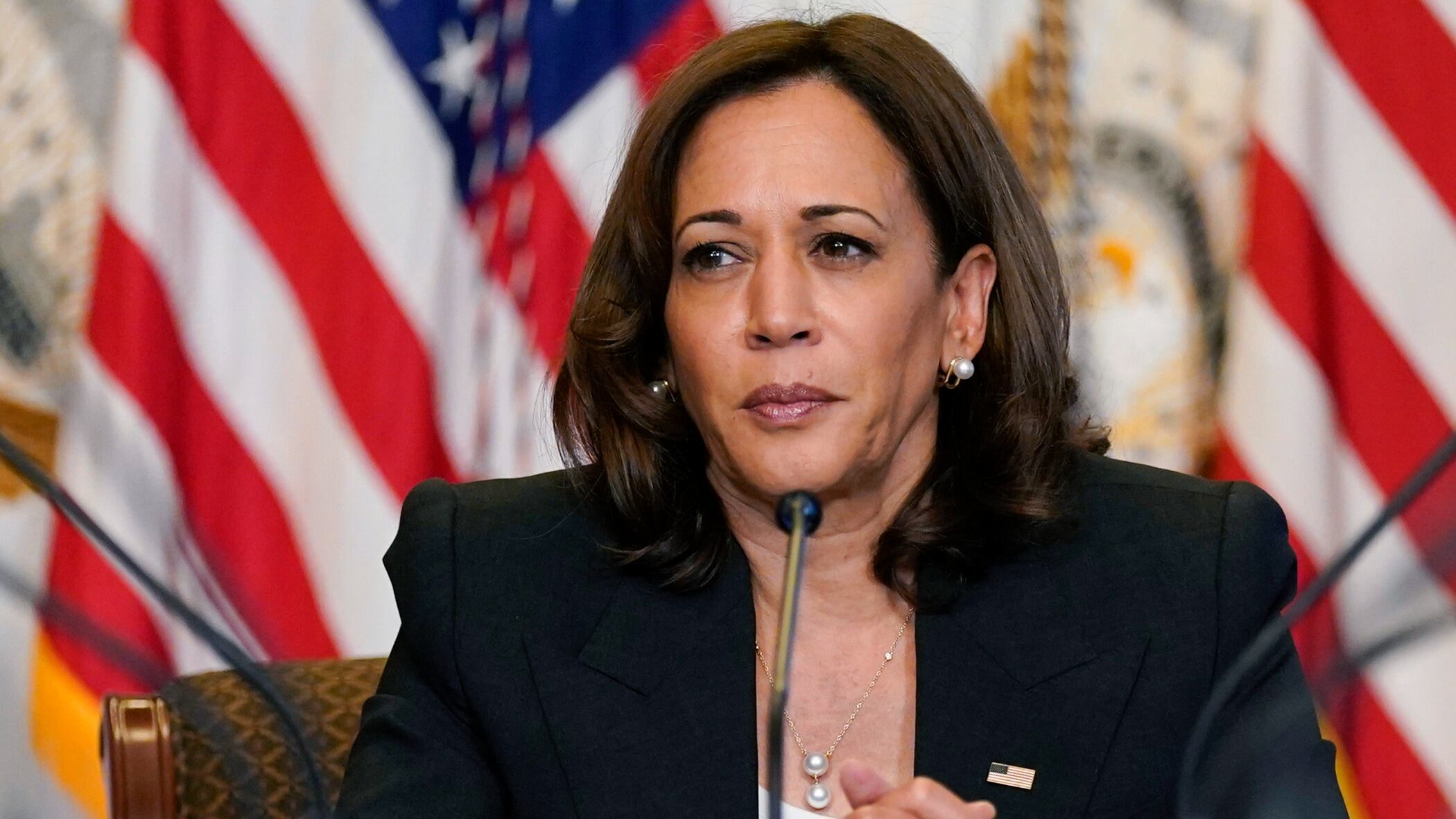
Vice President Kamala Harris said Supreme Court conservatives caused a healthcare crisis in America and blasted abortion bans in Republican-led states.