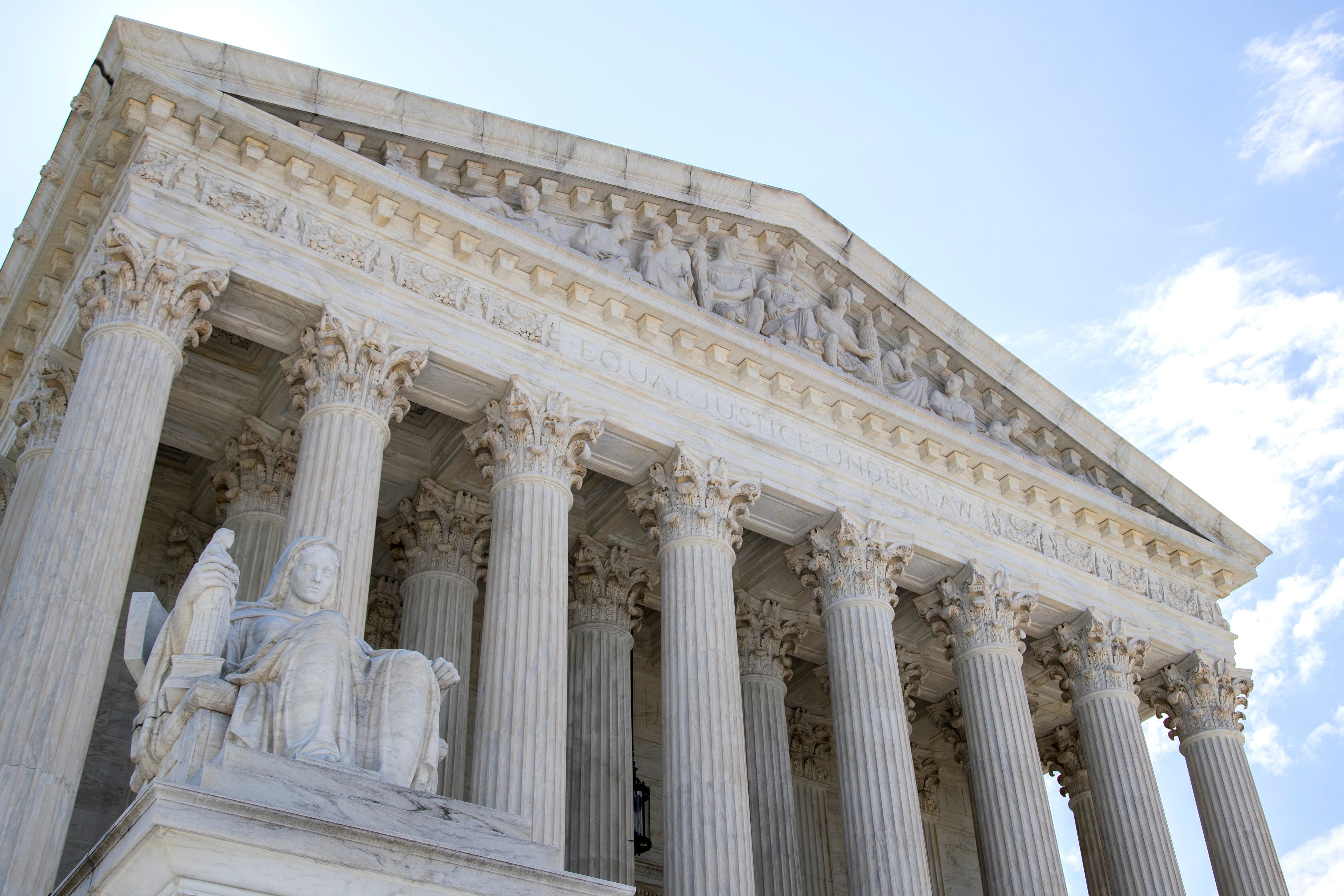
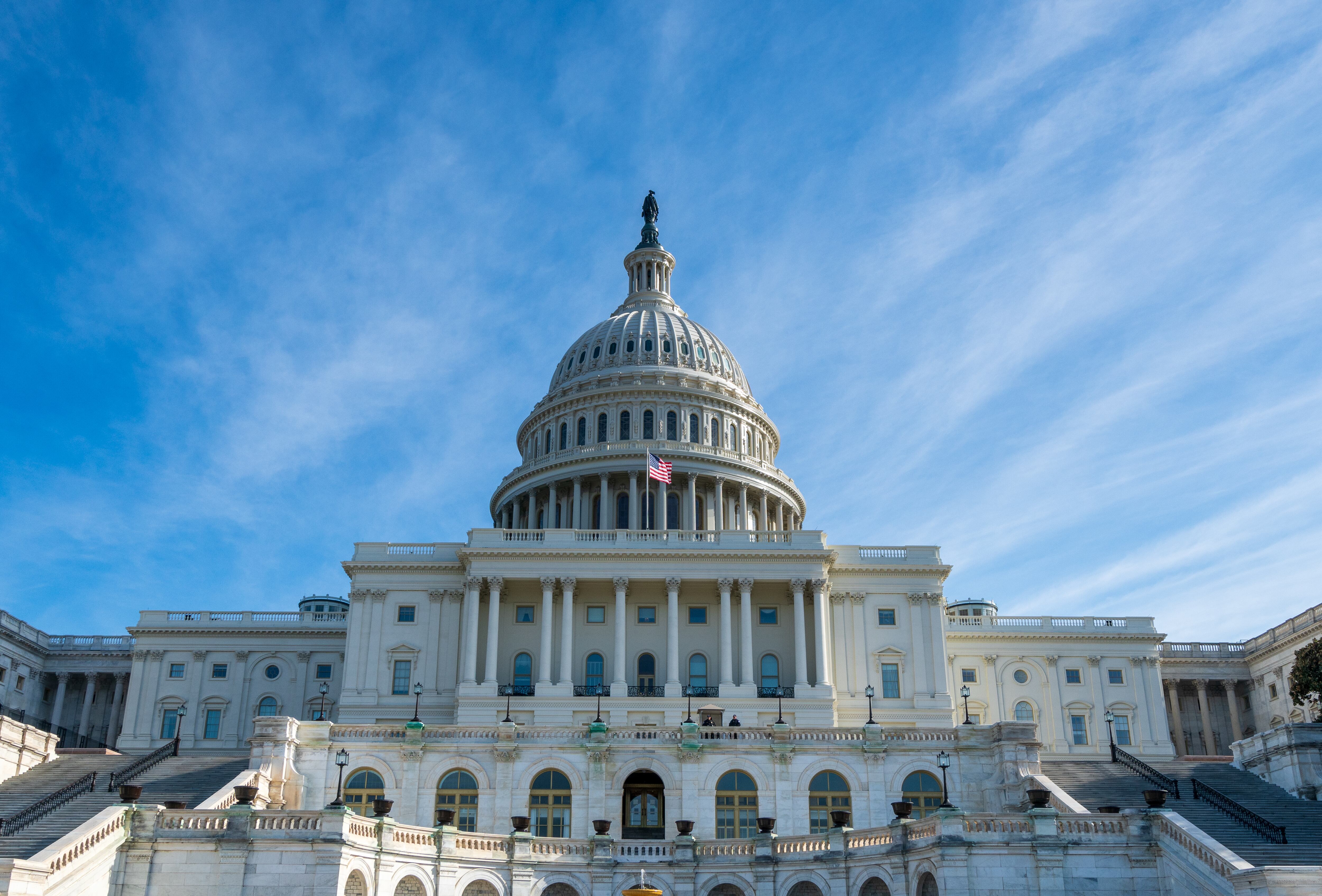
The U.S. Supreme Court is seen Tuesday, June 30, 2020 in Washington. (AP Photo/Manuel Balce Ceneta)
The Supreme Court on Monday upheld a 1991 law that bars robocalls to cellphones.
The case, argued by telephone in May because of the coronavirus pandemic, only arose after Congress in 2015 created an exception in the law that allowed the automated calls for collection of government debt.
Political consultants and pollsters were among those who asked the Supreme Court to strike down the entire 1991 law that bars them from making robocalls to cellphones as a violation of their free speech rights under the Constitution. The issue was whether, by allowing one kind of speech but not others, the exception made the whole law unconstitutional.
Six justices agreed that by allowing debt collection calls to cellphones Congress "impermissibly favored debt-collection speech over political and other speech, in violation of the First Amendment," Justice Brett Kavanaugh wrote. And seven justices agreed that the 2015 exception should be stricken from the law.
"Americans passionately disagree about many things. But they are largely united in their disdain for robocalls," Kavanaugh noted at the outset of his opinion.
During arguments in the case in May, Justice Stephen Breyer got cut off when someone tried calling him. Breyer said after he rejoined the court's arguments: "The telephone started to ring, and it cut me off the call and I don't think it was a robocall."
Former President Donald Trump is trying to turn the tables on the advice columnist who won a $5 million jury award against him in a sexual abuse lawsuit, saying in a countersuit that she owes him money and a retraction for continuing to insist she was raped even after a jury declined to agree.
Former president Donald Trump continued to deny wrongdoing amid his investigations and criminal case as House Speaker Kevin McCarthy faced criticism for his backtrack on his support for Trump.
More than $200 billion may have been stolen from two large COVID-19 relief initiatives, according to new estimates from a federal watchdog investigating federally funded programs that helped small businesses survive the worst public health crisis in more than a hundred years.
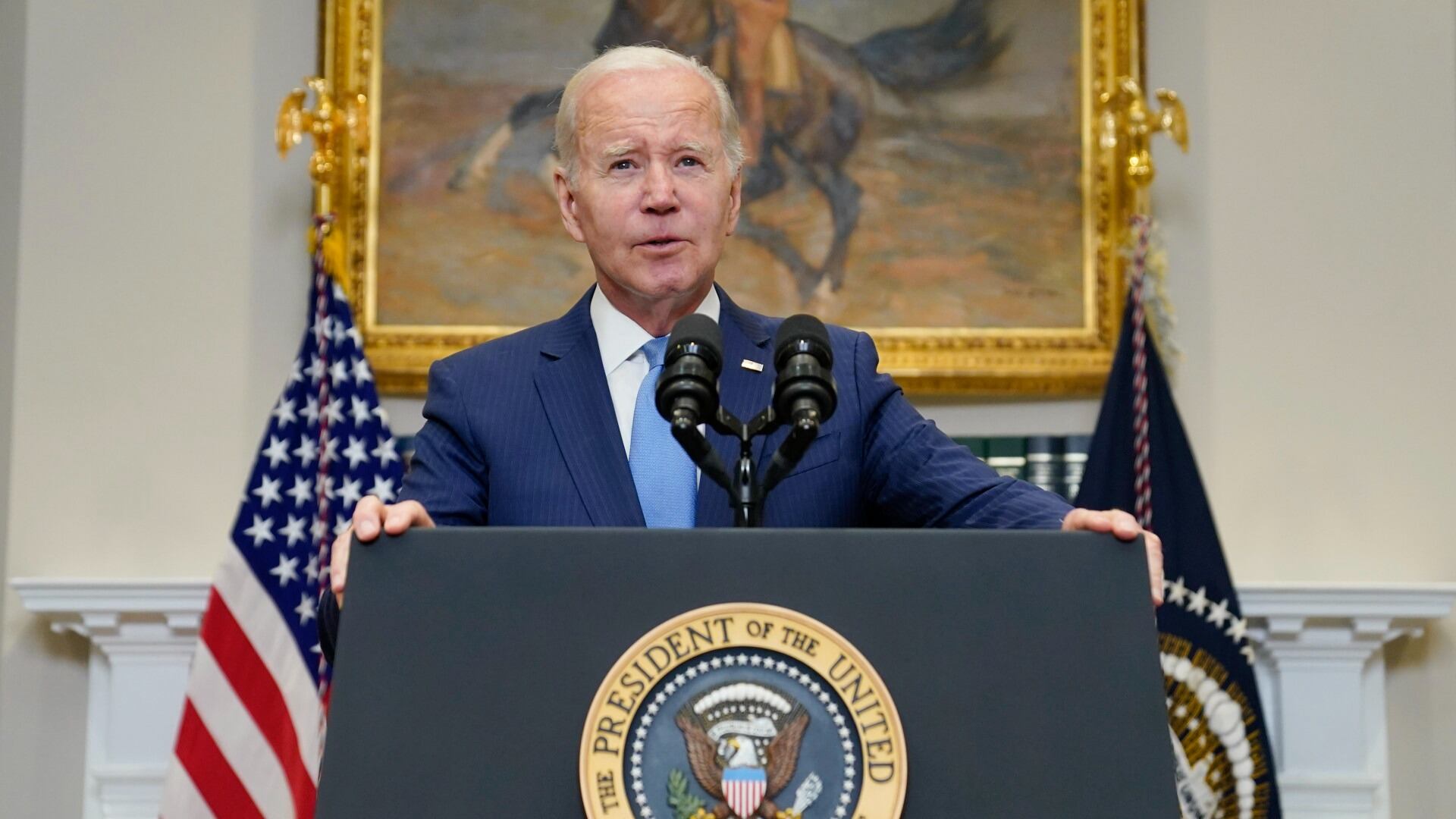
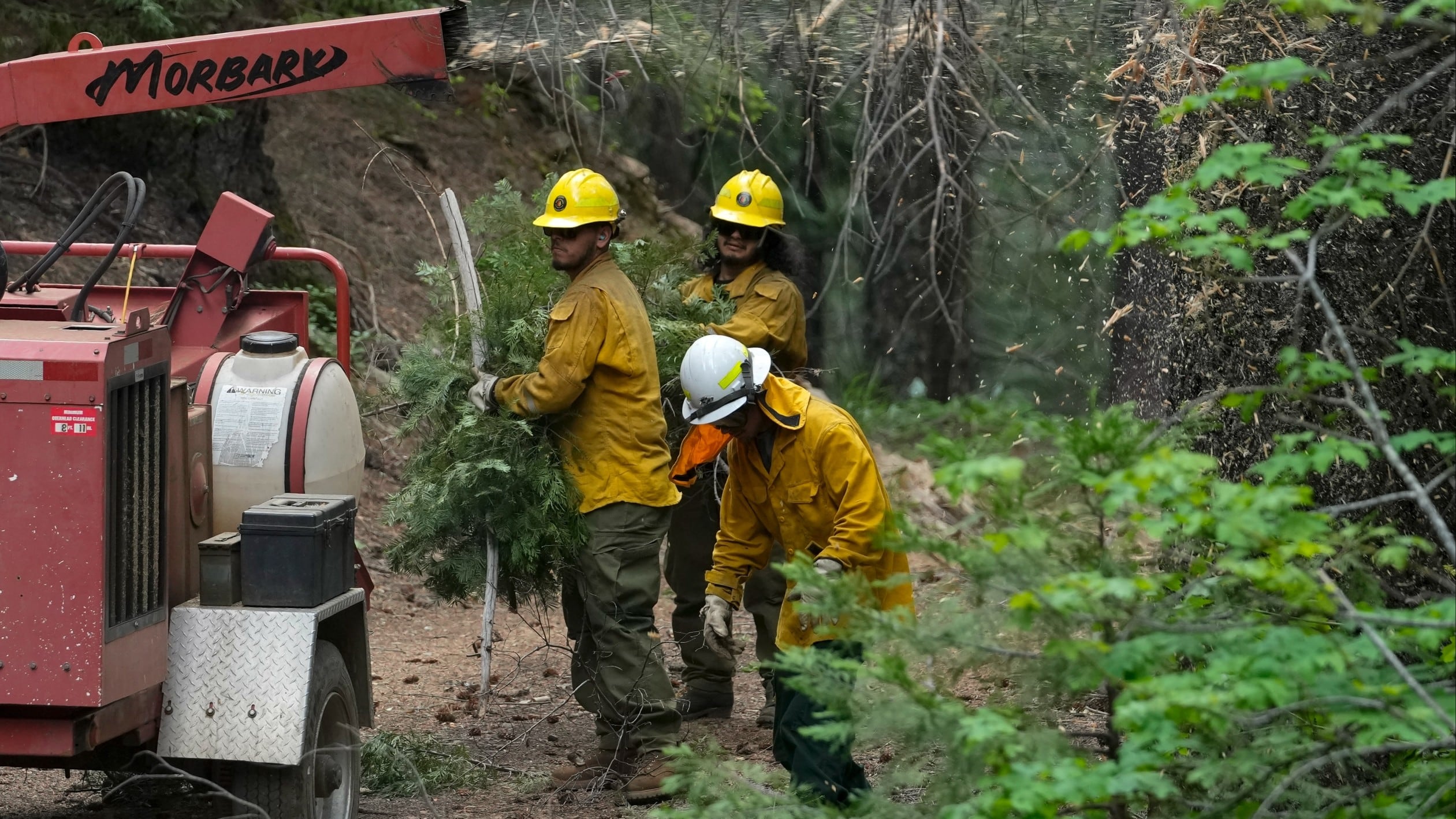
Using chainsaws, heavy machinery and controlled burns, the Biden administration is trying to turn the tide on worsening wildfires in the U.S. West through a multi-billion dollar cleanup of forests choked with dead trees and undergrowth.
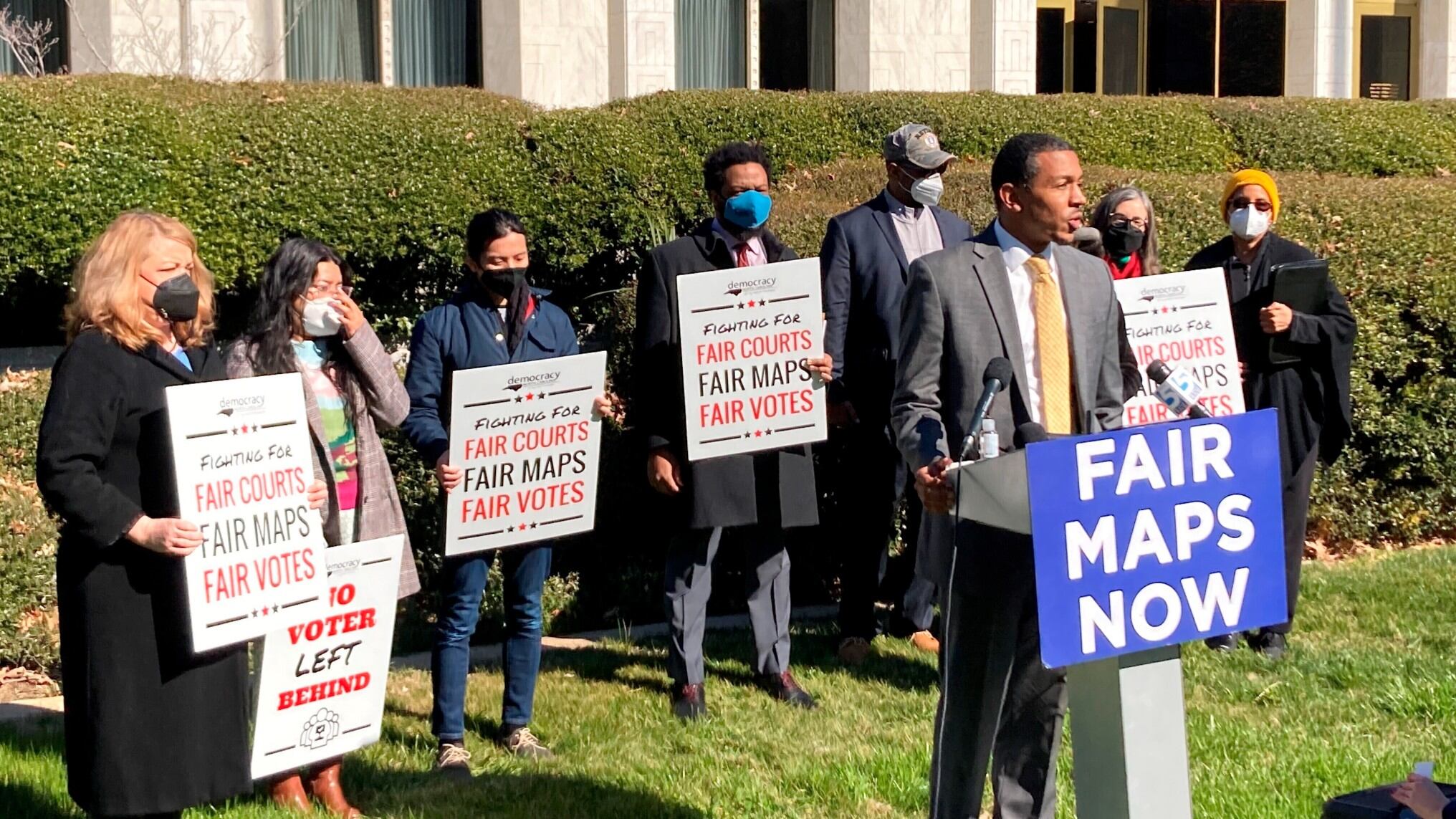
The Supreme Court ruled Tuesday that state courts can act as a check on their legislatures in redistricting and other issues affecting federal elections, rejecting arguments by North Carolina Republicans that could have transformed contests for Congress and president.
Ron DeSantis asked a federal judge to throw out a lawsuit from Walt Disney Co. that accused the Florida governor of violating its contract with the state for his recent actions against the company.
Florida Gov. and 2024 presidential candidate Ron DeSantis outlined key immigration policies in Texas on Monday, vowing to end birthright citizenship along with mass detention and deportations.