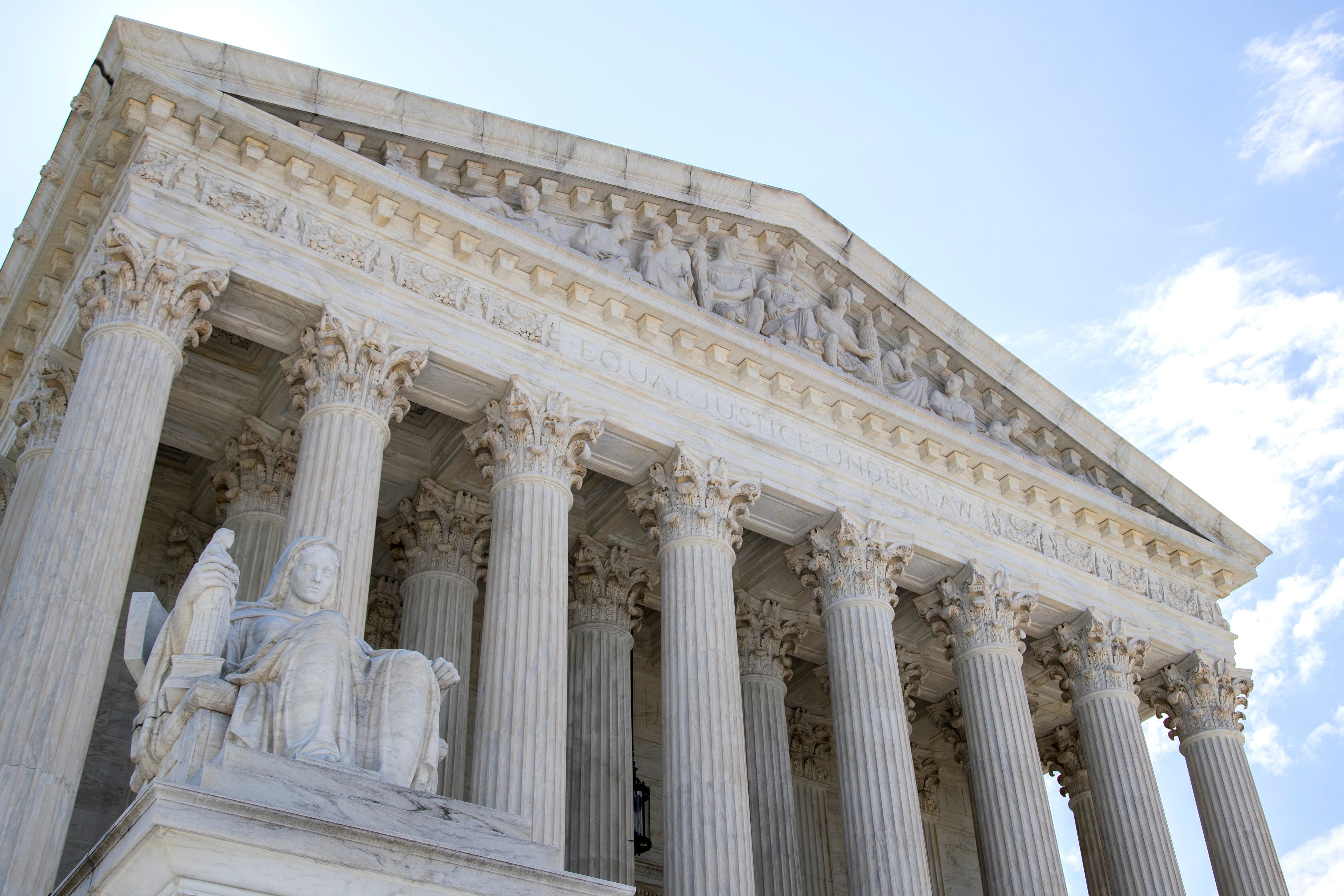
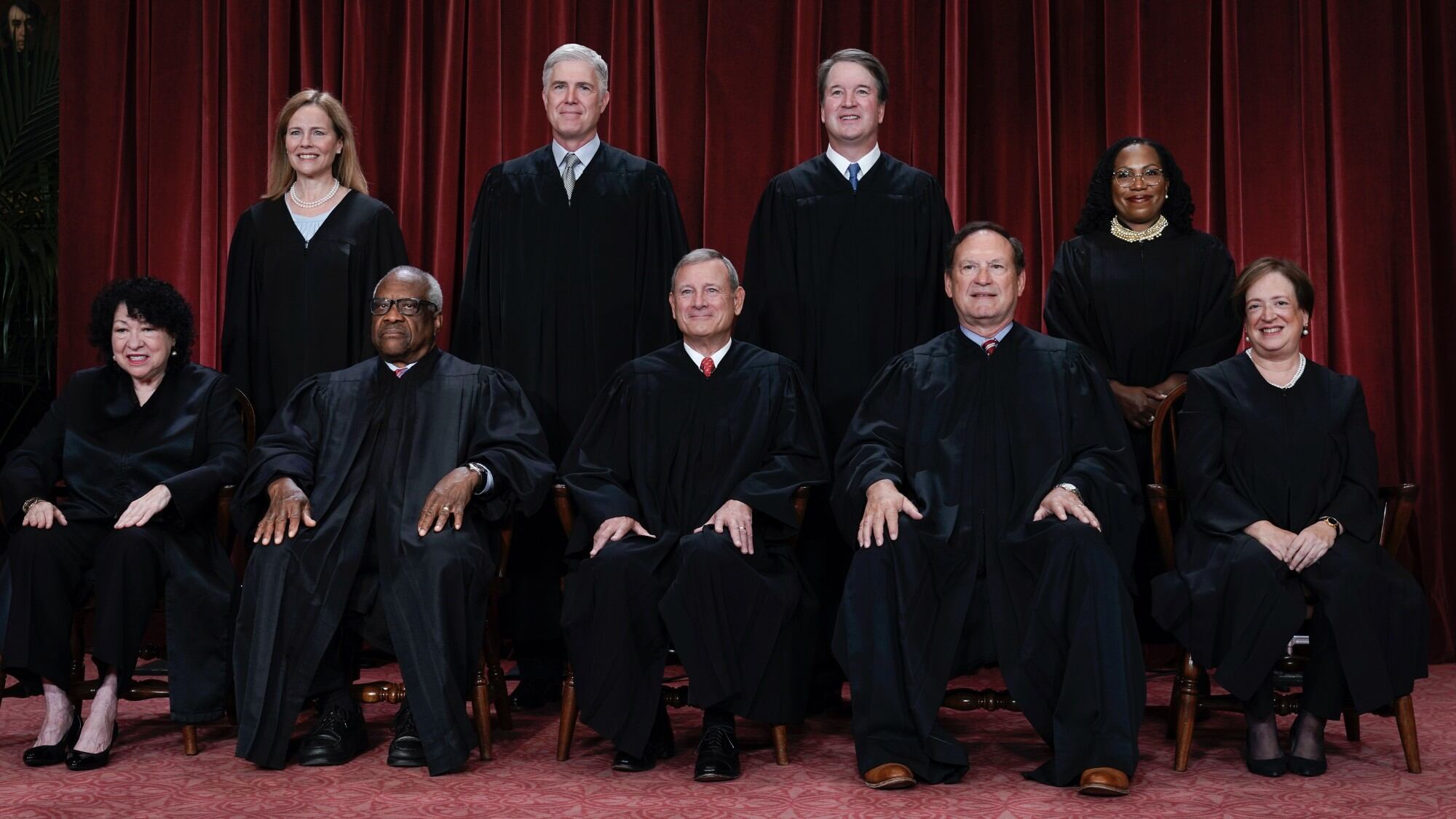
The Supreme Court on Monday upheld a 1991 law that bars robocalls to cellphones.
The case, argued by telephone in May because of the coronavirus pandemic, only arose after Congress in 2015 created an exception in the law that allowed the automated calls for collection of government debt.
Political consultants and pollsters were among those who asked the Supreme Court to strike down the entire 1991 law that bars them from making robocalls to cellphones as a violation of their free speech rights under the Constitution. The issue was whether, by allowing one kind of speech but not others, the exception made the whole law unconstitutional.
Six justices agreed that by allowing debt collection calls to cellphones Congress "impermissibly favored debt-collection speech over political and other speech, in violation of the First Amendment," Justice Brett Kavanaugh wrote. And seven justices agreed that the 2015 exception should be stricken from the law.
"Americans passionately disagree about many things. But they are largely united in their disdain for robocalls," Kavanaugh noted at the outset of his opinion.
During arguments in the case in May, Justice Stephen Breyer got cut off when someone tried calling him. Breyer said after he rejoined the court's arguments: "The telephone started to ring, and it cut me off the call and I don't think it was a robocall."
White House press secretary Karine Jean-Pierre says the White House has confidence the Secret Service is “going to get to the bottom of this.”
Americans are segregating by their politics at a rapid clip, helping fuel the greatest divide between the states in modern history.
China has restricted exports of high-tech metals gallium and germanium, which are critical to making chips, in response to the U.S. blocking them from access to advanced chips.
A federal judge in Louisiana has restricted the Biden administration from communicating with social media platforms regarding content.
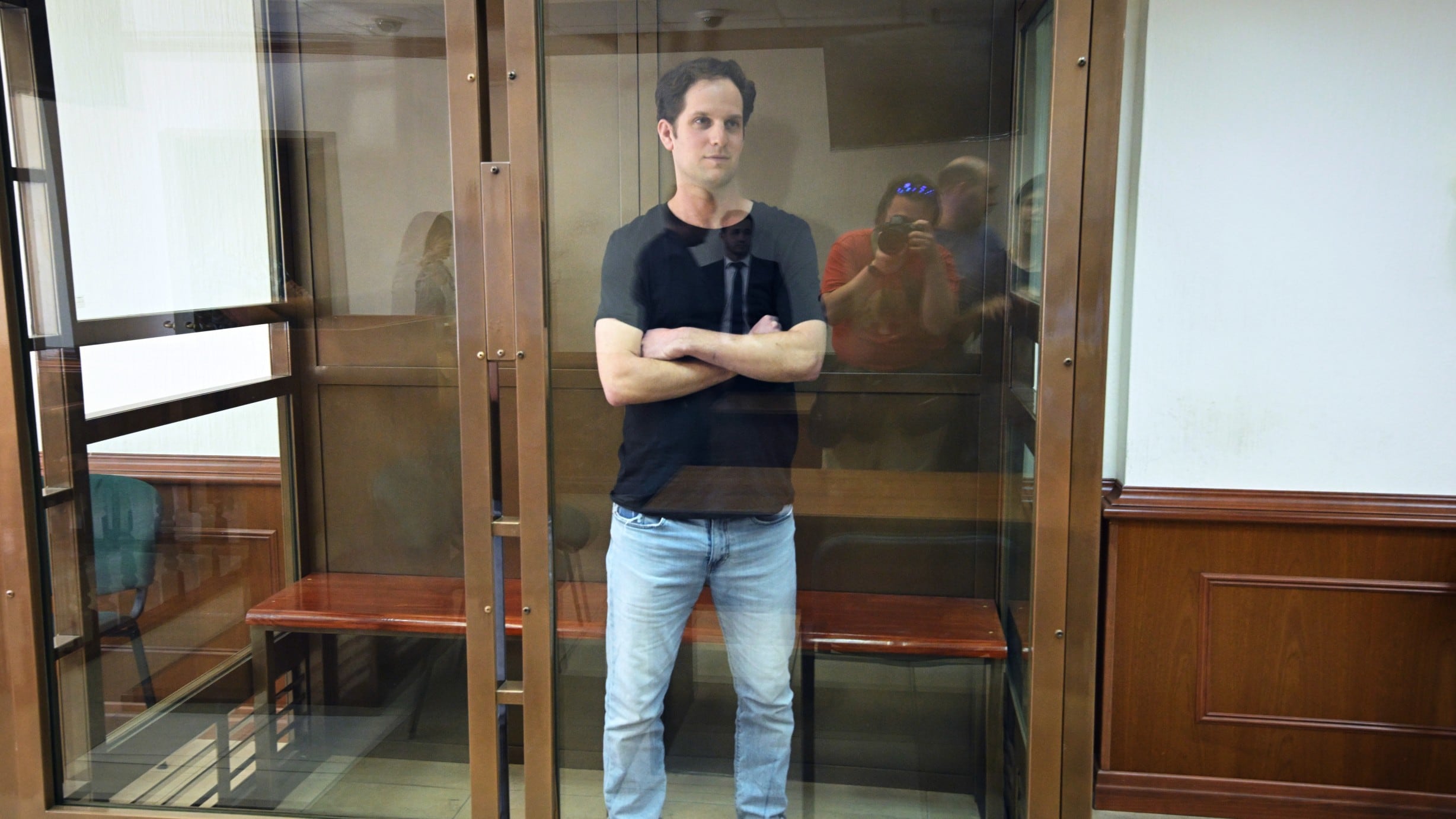
Russia said it's in contact with the U.S. over the imprisonment of journalist Evan Gershkovich.
They spoke to The Associated Press on condition of anonymity because they were not authorized to discuss the investigation publicly.
Former President Donald Trump reportedly pressured former Arizona Gov. Doug Ducey to overturn the state's 2020 election results.
Former President Donald Trump reportedly pressured former Arizona Governor Doug Ducey to overturn the state's 2020 election results.
Former New Jersey Gov. Chris Christie said President Joe Biden and former President Donald Trump are "beyond their sell-by date" in an interview with The New York Times.
Overturning Roe v. Wade and eliminating affirmative action in higher education had been leading goals of the conservative legal movement for decades. In a span of 370 days, a Supreme Court reshaped by three justices nominated by President Donald Trump made both a reality.