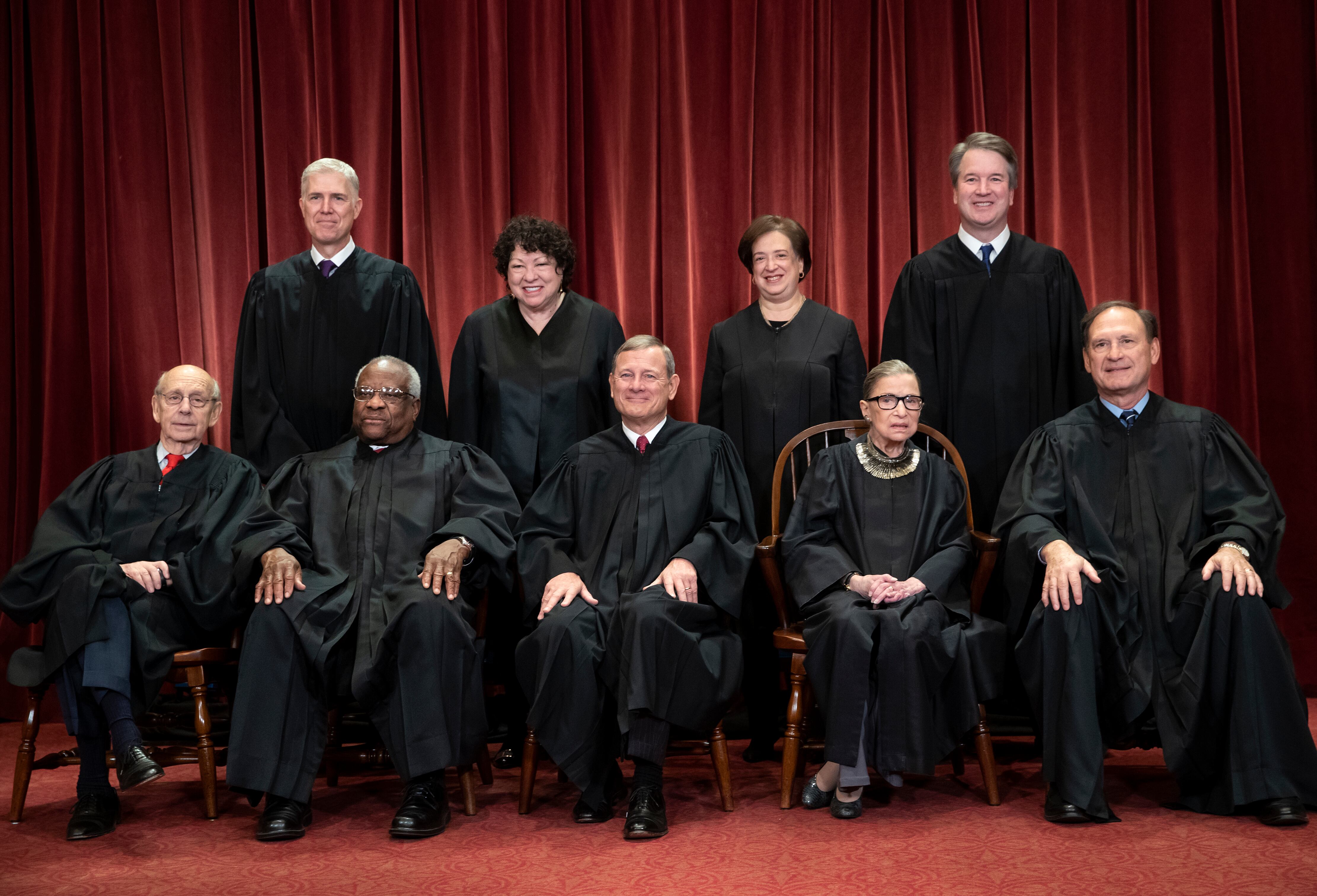
In this Nov. 30, 2018, file photo, the justices of the U.S. Supreme Court gather for a formal group portrait. Seated from left: Associate Justice Stephen Breyer, Associate Justice Clarence Thomas, Chief Justice of the United States John G. Roberts, Associate Justice Ruth Bader Ginsburg and Associate Justice Samuel Alito Jr. Standing behind from left: Associate Justice Neil Gorsuch, Associate Justice Sonia Sotomayor, Associate Justice Elena Kagan and Associate Justice Brett M. Kavanaugh. (AP Photo/J. Scott Applewhite, File)
By Mark Sherman
The Supreme Court said Monday it will hold arguments by teleconference in May in key cases, including President Donald Trump's bid to shield his tax and other financial records.
The court will make live audio of the arguments available for the first time. It had previously postponed courtroom arguments for March and April because of the coronavirus.
The justices and the lawyers arguing the cases all will participate remotely. The court said a live audio feed will be provided to news organizations.
The court has never live-streamed courtroom arguments and only rarely has it made the audio available on the same day.
Six of the nine justices are 65 and older, at higher risk of getting very sick from the illness, according to the Centers for Disease Control and Prevention.
Justices Ruth Bader Ginsburg, 87, and Stephen Breyer, 81, are the oldest members of the court.
The only other time Supreme Court arguments have been held outside the 85-year-old court building was in October 2001, when anthrax was detected in the court mailroom. That led the justices to hold arguments in the federal courthouse about a half mile from the Supreme Court, but only for one week.
In 1918, when the court still met inside the Capitol, arguments were postponed for a month because of the flu pandemic. Smallpox outbreaks in the late 1700s also caused postponement of court business.
Meta, the parent company of Facebook, turned heads on Tuesday when it announced it will block some ad-targeting, specifically those of a political and religious nature.
This is one of the most direct moves the company has made in order to minimize ad-targeting by advertisers on its platforms. Hastie Afkhami, Head of Digital at S-3 Group, joins Cheddar News to discuss the impact of this move.
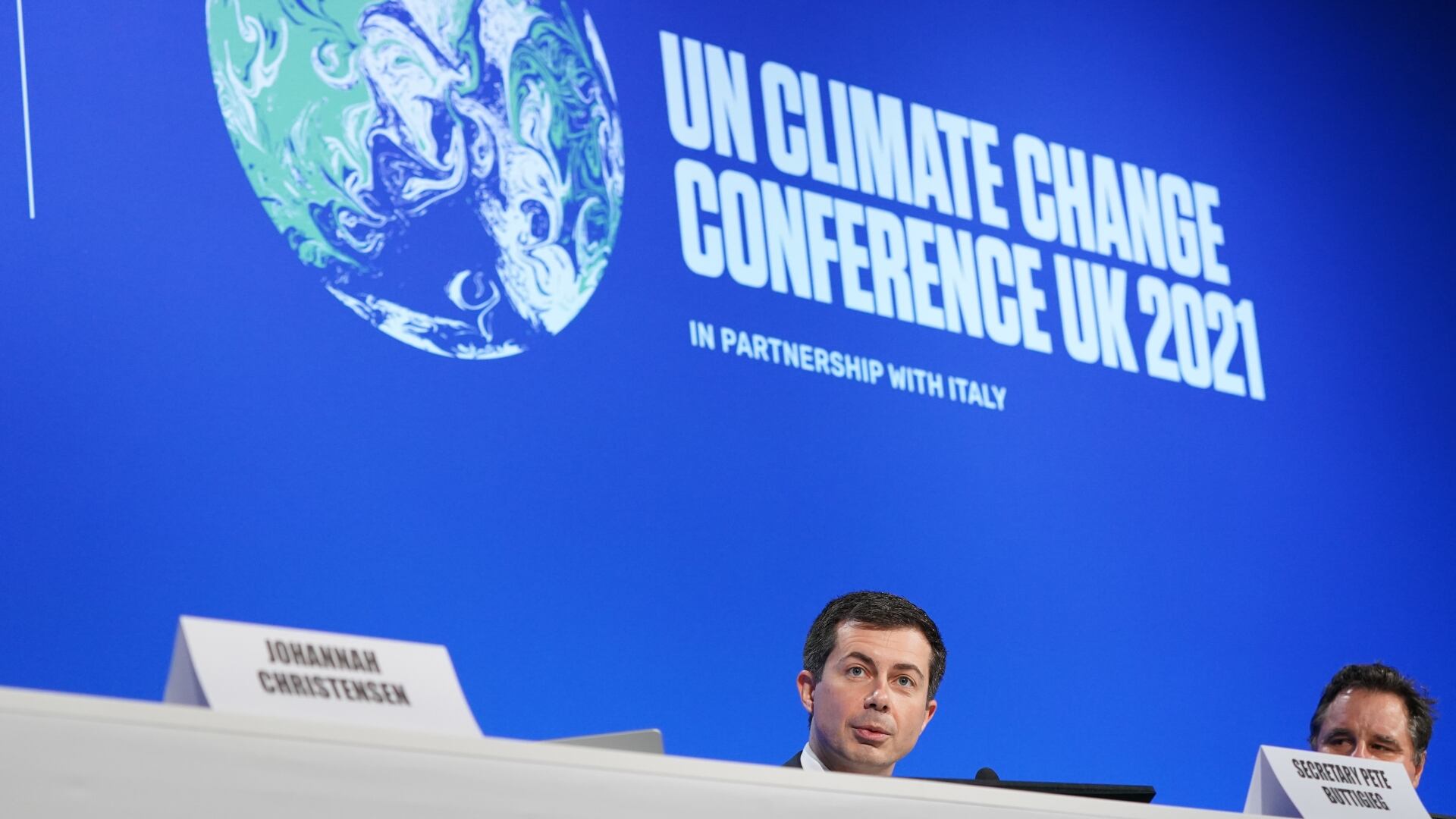
The COP26 summit in Scotland is in its final days, and the U.N. has just released a draft of an agreement for more than 200 world leaders to sign on Friday. The draft urges nations to set more aggressive goals in cutting emissions, while also calling for coal to be phased out. Chloe Demrovsky, President and CEO of Disaster Recovery Institute International, joins Cheddar News to discuss this agreement.
The Department of Justice has filed a lawsuit against Uber, alleging the ride-hailing company discriminates against customers with disabilities. The DOJ is arguing that its two-minute wait period before a cancellation fee is applied violates the Americans With Disabilities Act.
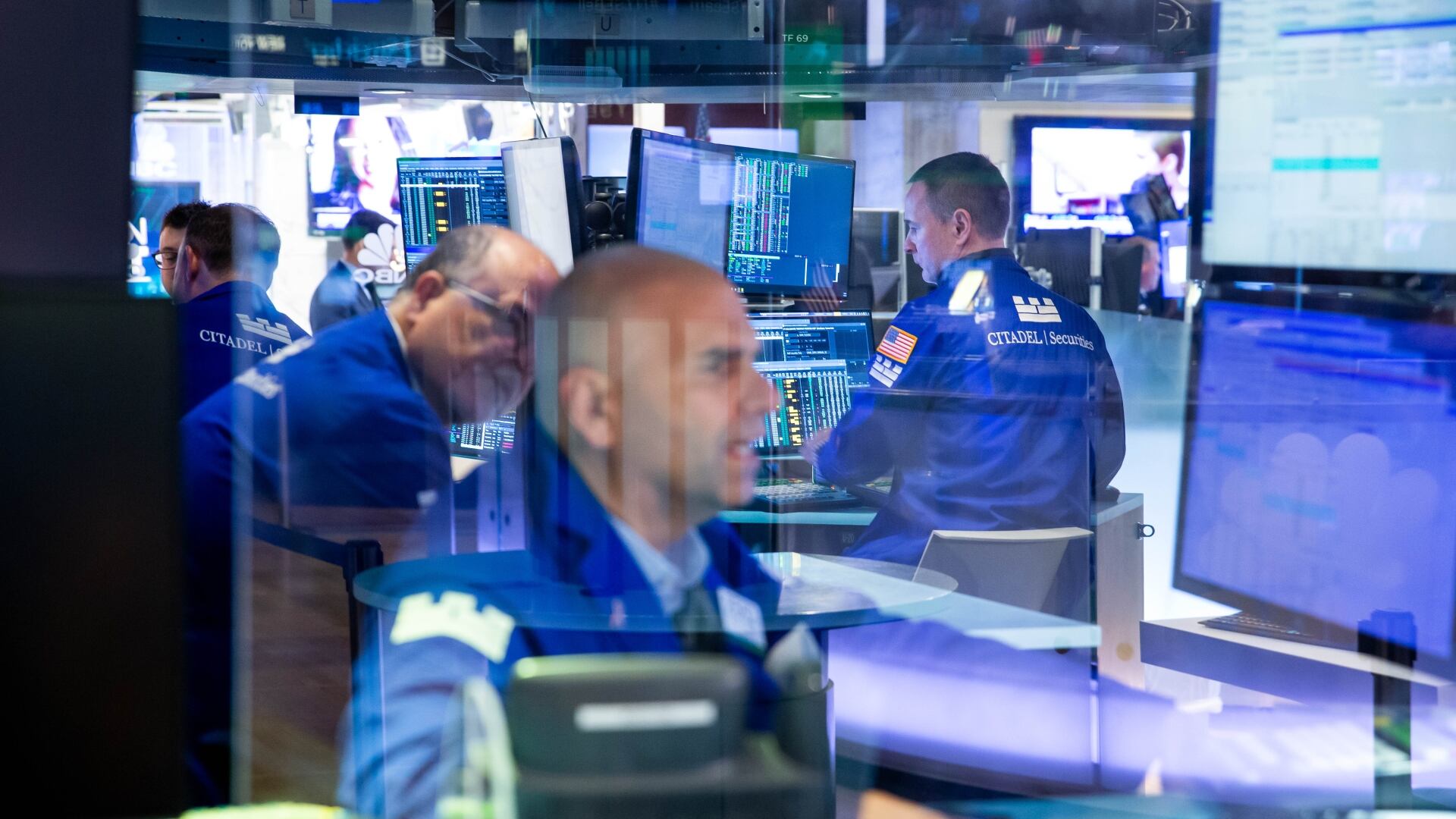
Stocks fell into the red on Wednesday after new data heightened fears over inflation. Vince Lorusso, Co-Founder and portfolio manager at Changebridge Capital, joins Cheddar News' Closing Bell where he says recent history suggests investors to buy the dips.
Iran is continuing to crack down on illicit bitcoin mining in the Islamic Republic after 227 mining rigs were seized. Businesses looking to run legal bitcoin mining operations have had to seek approval since 2019.
Tatenda Musapatike, Founder of the Voter Formation Project and former Political Ad Specialist at Facebook, joined Cheddar to discuss the outsized role social media plays in politics.