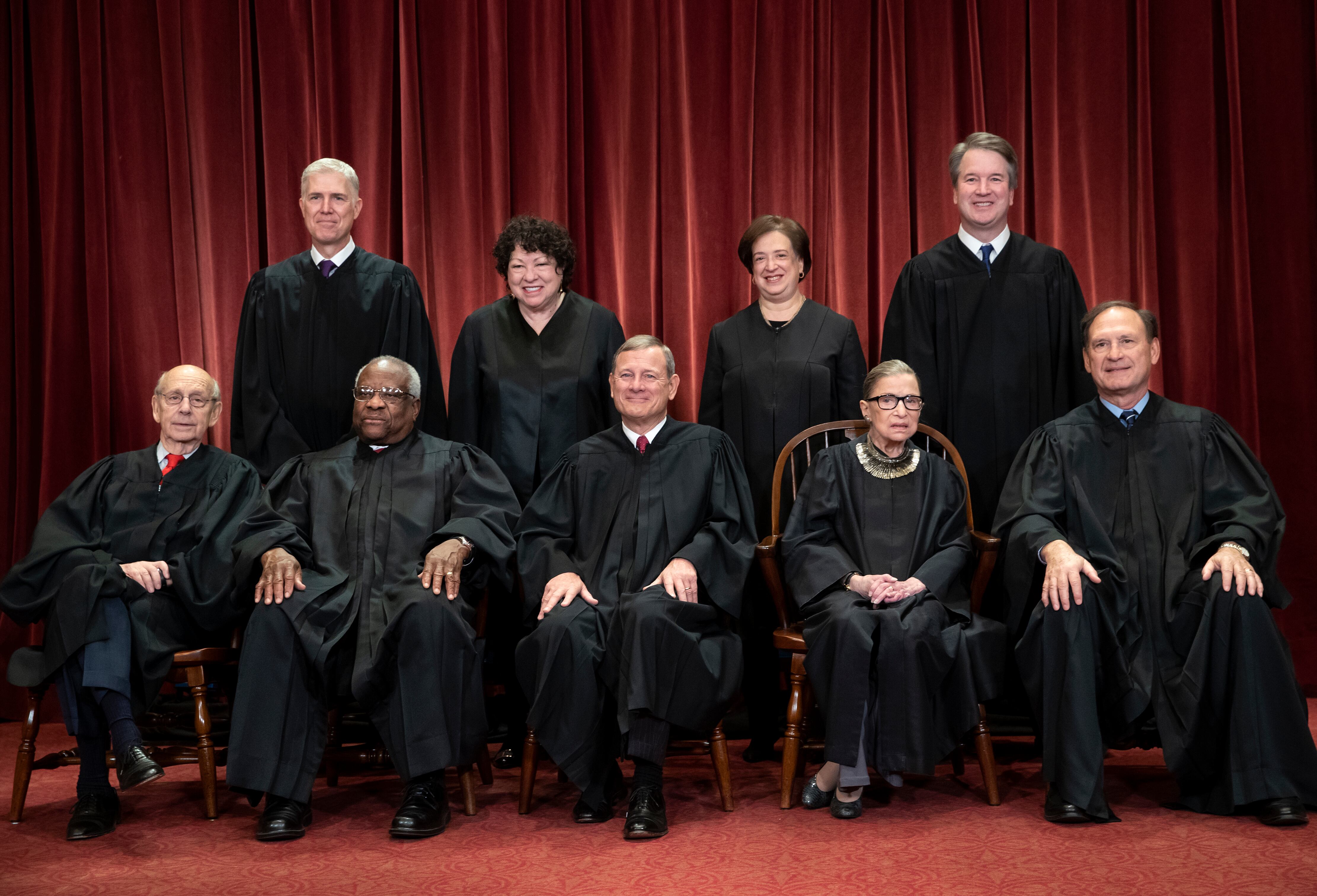
In this Nov. 30, 2018, file photo, the justices of the U.S. Supreme Court gather for a formal group portrait. Seated from left: Associate Justice Stephen Breyer, Associate Justice Clarence Thomas, Chief Justice of the United States John G. Roberts, Associate Justice Ruth Bader Ginsburg and Associate Justice Samuel Alito Jr. Standing behind from left: Associate Justice Neil Gorsuch, Associate Justice Sonia Sotomayor, Associate Justice Elena Kagan and Associate Justice Brett M. Kavanaugh. (AP Photo/J. Scott Applewhite, File)
By Mark Sherman
The Supreme Court said Monday it will hold arguments by teleconference in May in key cases, including President Donald Trump's bid to shield his tax and other financial records.
The court will make live audio of the arguments available for the first time. It had previously postponed courtroom arguments for March and April because of the coronavirus.
The justices and the lawyers arguing the cases all will participate remotely. The court said a live audio feed will be provided to news organizations.
The court has never live-streamed courtroom arguments and only rarely has it made the audio available on the same day.
Six of the nine justices are 65 and older, at higher risk of getting very sick from the illness, according to the Centers for Disease Control and Prevention.
Justices Ruth Bader Ginsburg, 87, and Stephen Breyer, 81, are the oldest members of the court.
The only other time Supreme Court arguments have been held outside the 85-year-old court building was in October 2001, when anthrax was detected in the court mailroom. That led the justices to hold arguments in the federal courthouse about a half mile from the Supreme Court, but only for one week.
In 1918, when the court still met inside the Capitol, arguments were postponed for a month because of the flu pandemic. Smallpox outbreaks in the late 1700s also caused postponement of court business.
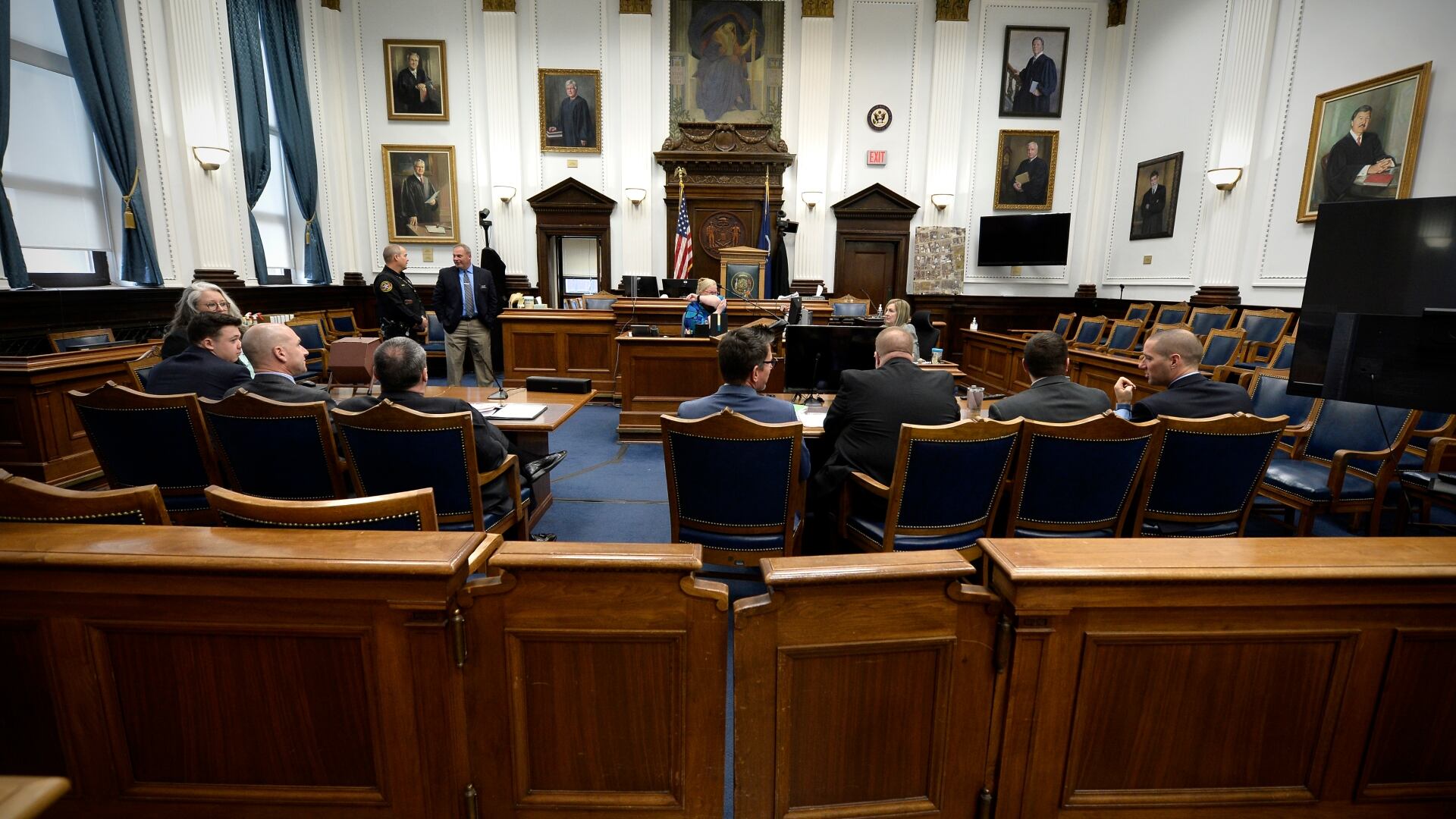
Two murder trials in focus in America — Wisconsin V. Kyle Rittenhouse and Georgia V. Travis Mcmichael, Gregory Mcmichael, and William Bryan, the Men who killed Ahmaud Arbery. Civil rights and criminal defense lawyer Anthony Tall and the Founder and CEO of Kim Crowder consulting Kim Crowder, joined Cheddar to discuss more.
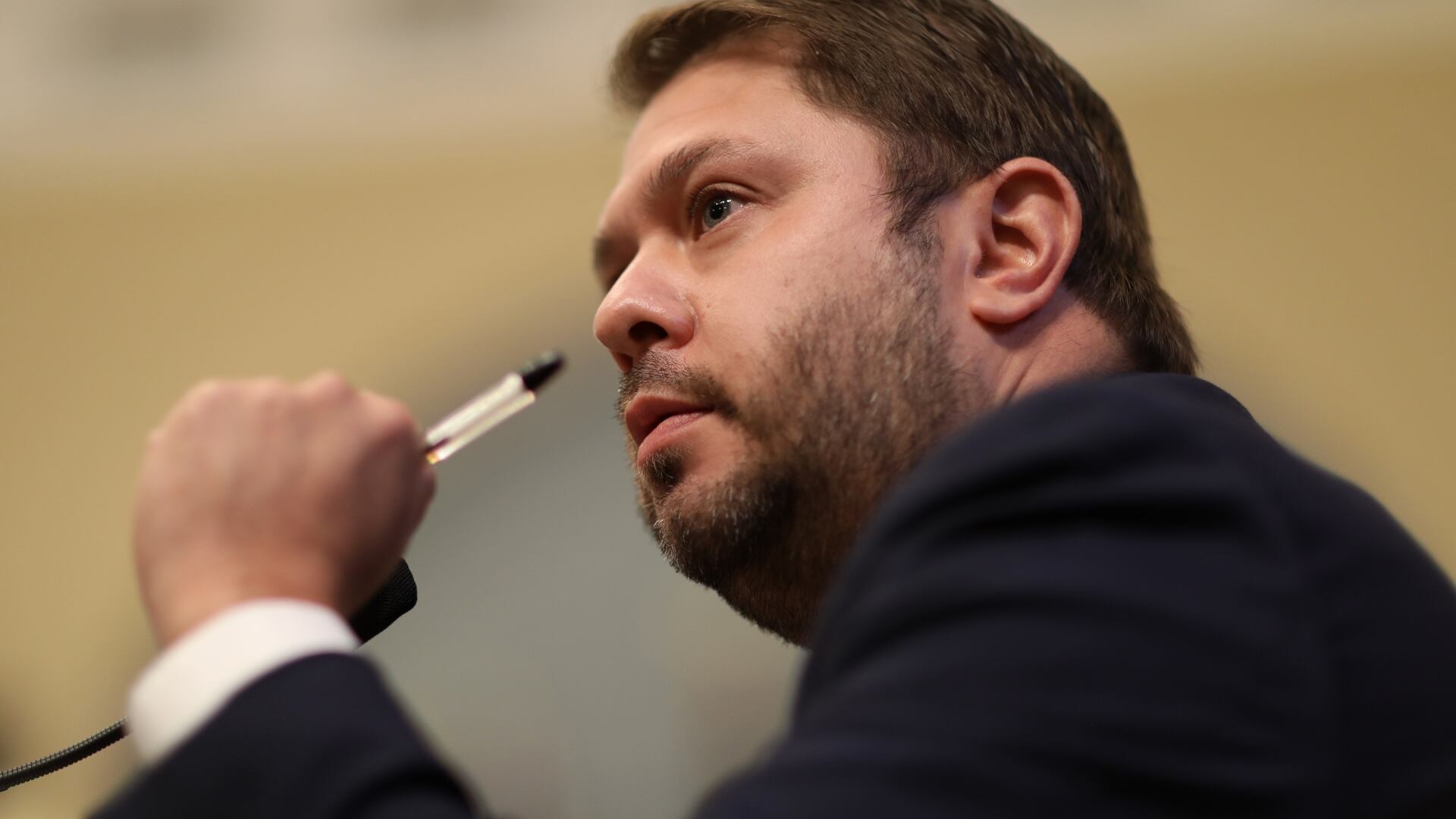
Rep. Ruben Gallego (D - Arizona) joined Cheddar to discuss the passing of President Biden's Infrastructure Bill and his new book, 'They Called us 'Lucky,' about his time serving in the Iraq War.
Markets were pointing mostly lower to end the week as investors reacted to the threat of a Covid resurgence in Europe. Jeff Schulze, Investment Strategist at ClearBridge Investments joined Cheddar's Opening Bell to discuss Friday's pre-market activity.
A federal judge tossed out a lawsuit against financial services platform Robinhood following the meme stock saga that swept the investment world. The judge said it found no wrongdoing on Robinhood's part after the platform halted trading on popular meme stocks Gamestop and AMC.
Jill and Carlo are back to cover the latest in the Rittenhouse trial, new information on the origins of Covid, return-to-office and more.
JOIN US FOR THE YOUTUBE WATCH PARTY @ 9aET: http://www.youtube.com/cheddarnow
The U.S. Justice Department has filed a lawsuit against Uber after it was discovered that disabled people were being disproportionately affected by extra “wait time” fees. Attorney Jonathan Bell joined Cheddar to discuss.
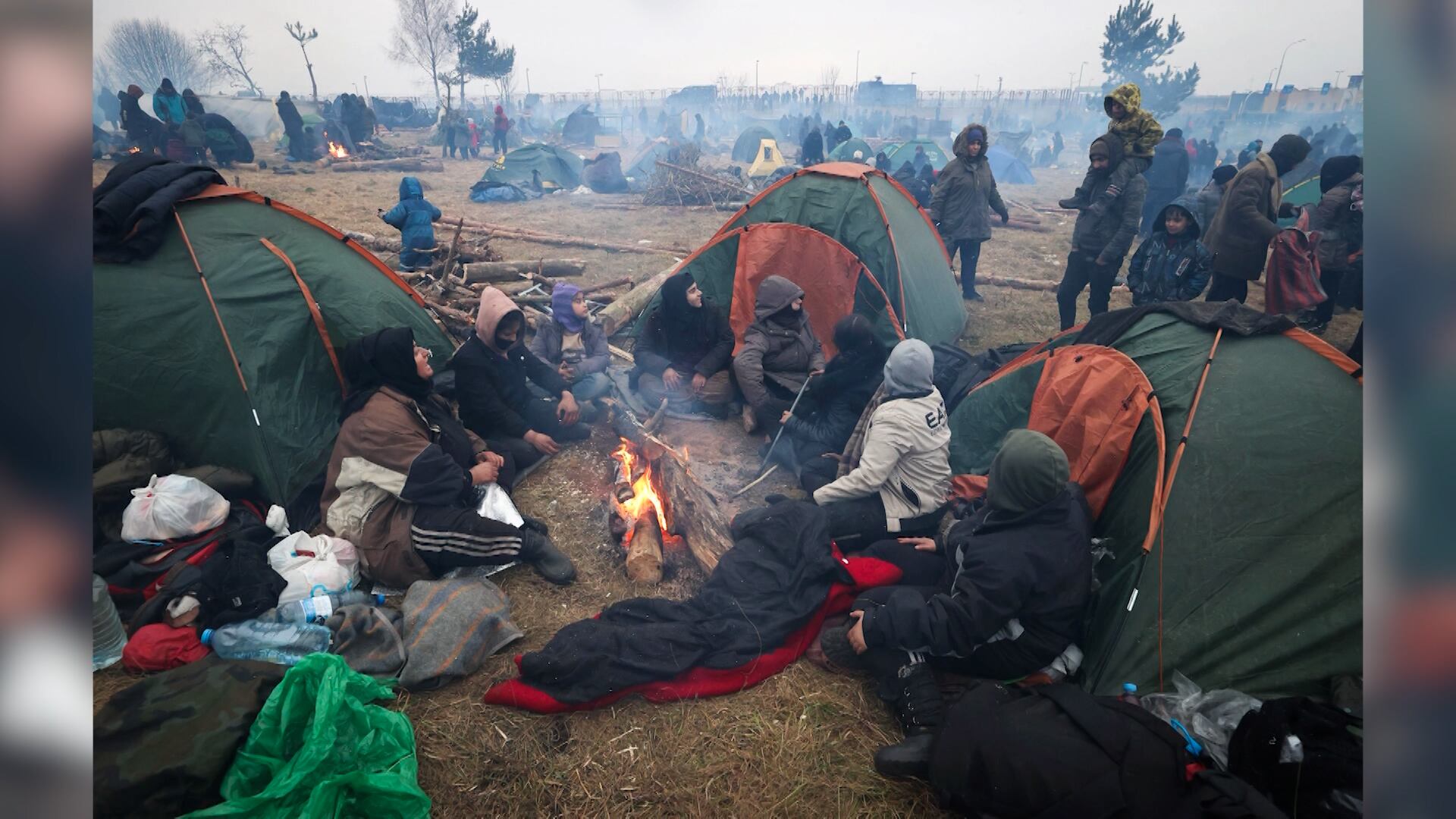
Belarus President Alexander Lukashenko has been accused by the EU of manufacturing a migration crisis along his border with Poland. But, even as tensions appear to be stabilizing at the moment, Ali Noorani, the president and CEO of National Immigration Forum and the host of the "Only in America" podcast spoke to Cheddar about the ongoing danger to the migrants who hail from countries like Iraq and Afghanistan. "What is going to happen to folks who are in Belarus who came from these countries? Is Lukashenko going to provide them asylum and protection in Belarus, or are they going to continue to be political pawns in a geopolitical battle," he said. "Real people's lives are being put at great risk."
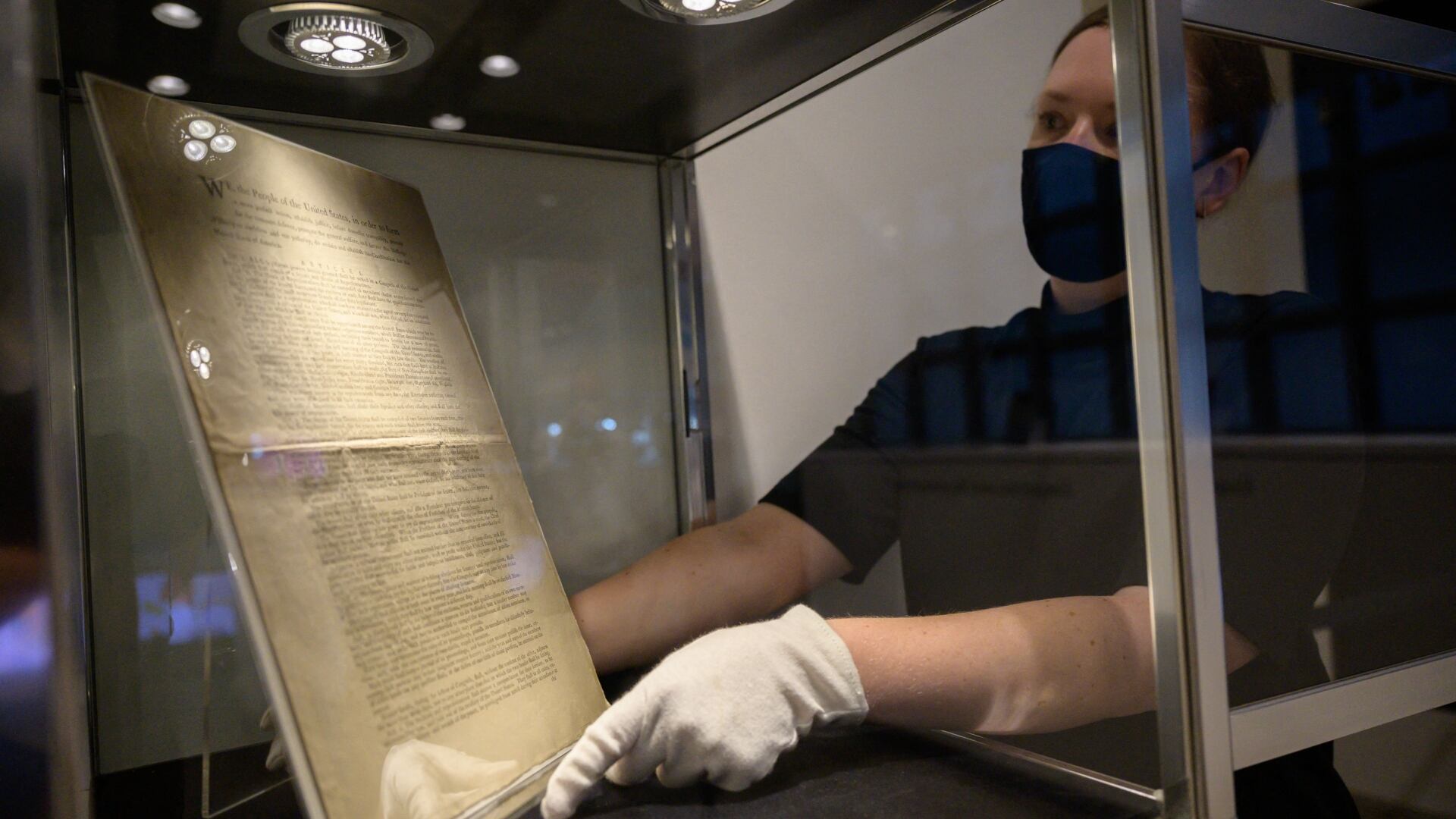
A group of crypto investors has come together to raise millions of dollars in the hopes of owning a rare piece of the U.S. Constitution. According to the crypto group, "Constitution DAO" It is time to put the constitution in the hands of the people. CEO and Founder of Metaversal Yossi Hasson, joined Cheddar to discuss more.
Polarization is among the defining traits of American politics in the 21st century. Sometimes it seems like the only thing we can all agree on is the fact that we don't really agree on anything. But those divisions don't just stop at whether you vote red or blue.
A new survey from the Pew Research Center finds that rather than just two political buckets, we have nine. The "2021 political typology" as it's called distinguishes between different ideological subsets in the Democratic and Republican party. It encompasses everyone from the loudest revolutionary lefties, to the loudest insurrection apologists on the right.
Andrew Daniller, research associate at the Pew Research Center, joins None of the Above to discuss.
Tanya Snyder, transportation reporter at Politico, joins None of the Above with J.D. Durkin to discuss the bipartisan infrastructure law, what it means for the electric vehicle industry and whether Democrats will be able to capitalize on the legislative victory ahead of the 2022 midterms.