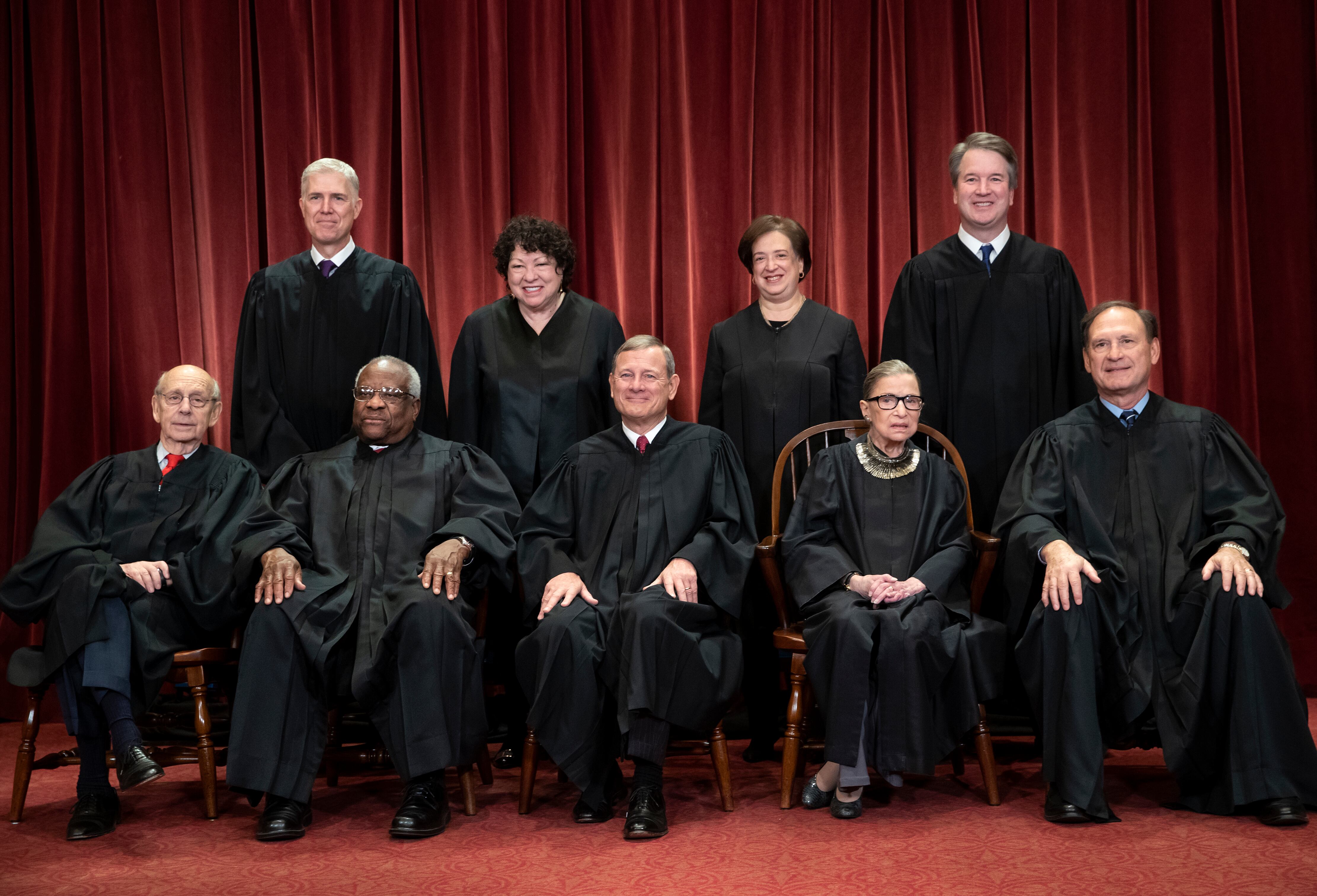
In this Nov. 30, 2018, file photo, the justices of the U.S. Supreme Court gather for a formal group portrait. Seated from left: Associate Justice Stephen Breyer, Associate Justice Clarence Thomas, Chief Justice of the United States John G. Roberts, Associate Justice Ruth Bader Ginsburg and Associate Justice Samuel Alito Jr. Standing behind from left: Associate Justice Neil Gorsuch, Associate Justice Sonia Sotomayor, Associate Justice Elena Kagan and Associate Justice Brett M. Kavanaugh. (AP Photo/J. Scott Applewhite, File)
By Mark Sherman
The Supreme Court said Monday it will hold arguments by teleconference in May in key cases, including President Donald Trump's bid to shield his tax and other financial records.
The court will make live audio of the arguments available for the first time. It had previously postponed courtroom arguments for March and April because of the coronavirus.
The justices and the lawyers arguing the cases all will participate remotely. The court said a live audio feed will be provided to news organizations.
The court has never live-streamed courtroom arguments and only rarely has it made the audio available on the same day.
Six of the nine justices are 65 and older, at higher risk of getting very sick from the illness, according to the Centers for Disease Control and Prevention.
Justices Ruth Bader Ginsburg, 87, and Stephen Breyer, 81, are the oldest members of the court.
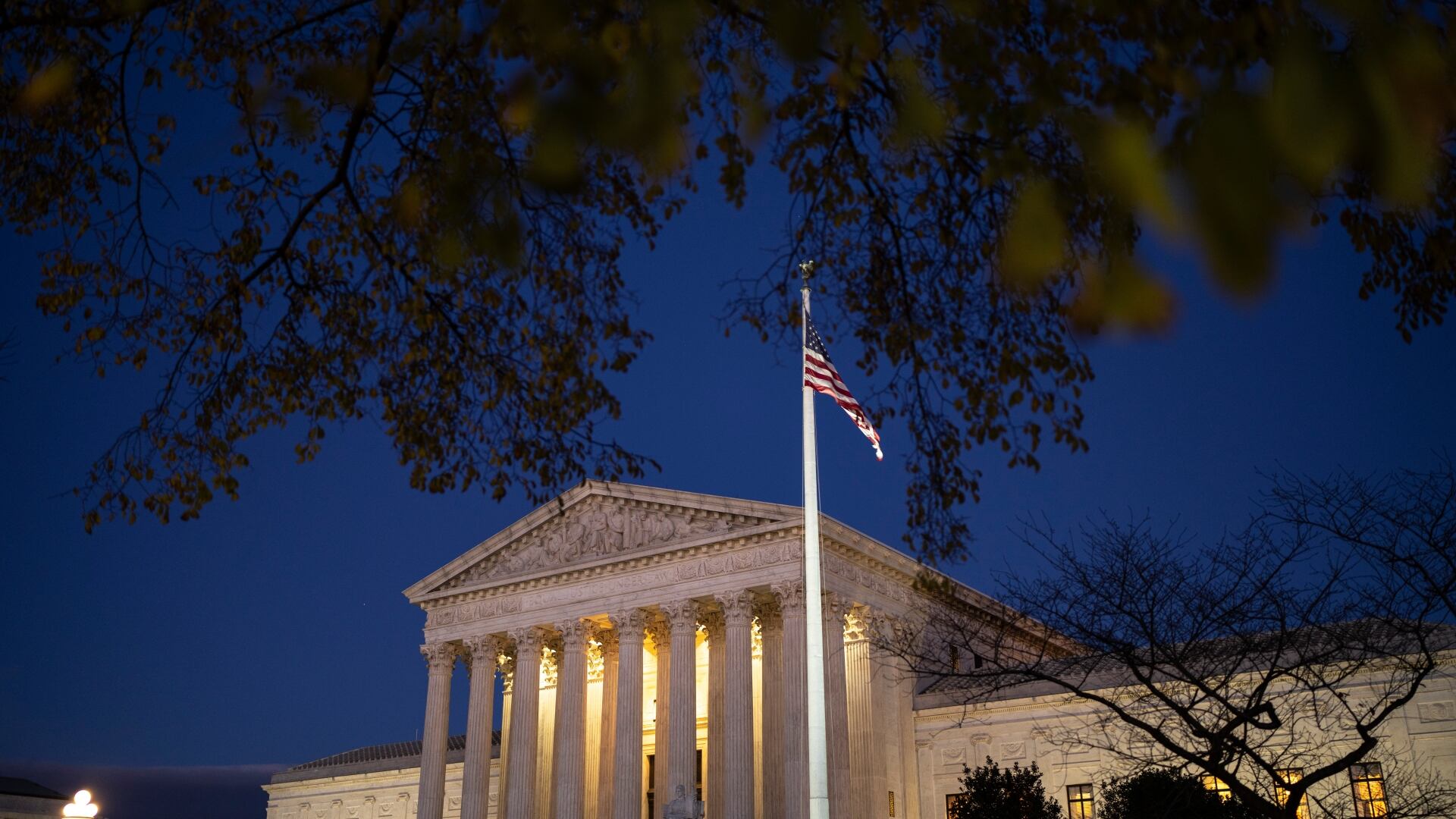
The only other time Supreme Court arguments have been held outside the 85-year-old court building was in October 2001, when anthrax was detected in the court mailroom. That led the justices to hold arguments in the federal courthouse about a half mile from the Supreme Court, but only for one week.
In 1918, when the court still met inside the Capitol, arguments were postponed for a month because of the flu pandemic. Smallpox outbreaks in the late 1700s also caused postponement of court business.
Jill and Carlo discuss what appears to be the beginning of the end of Roe v. Wade, another victim dies following the school shooting in Michigan, Omicron in the U.S., Trump's Covid chronology and more.
The Supreme Court appeared prepared Wednesday to uphold a Mississippi law that would ban almost all abortions after 15 weeks of pregnancy. The ruling is far from over, with Roe V. Wade at risk. Susan Rinkunas, senior reporter at Jezebel, joins Cheddar News to share the developments of the hearing.
The nine justices heard arguments Wednesday, around a Mississippi abortion law that bans the procedure after 15 weeks and appeared to lean toward upholding the law, while leaving uncertainty about the landmark precedent, Roe v. Wade. Kristin Ford, vice president of communications and research at NARAL Pro-Choice America joins Cheddar News to discuss.
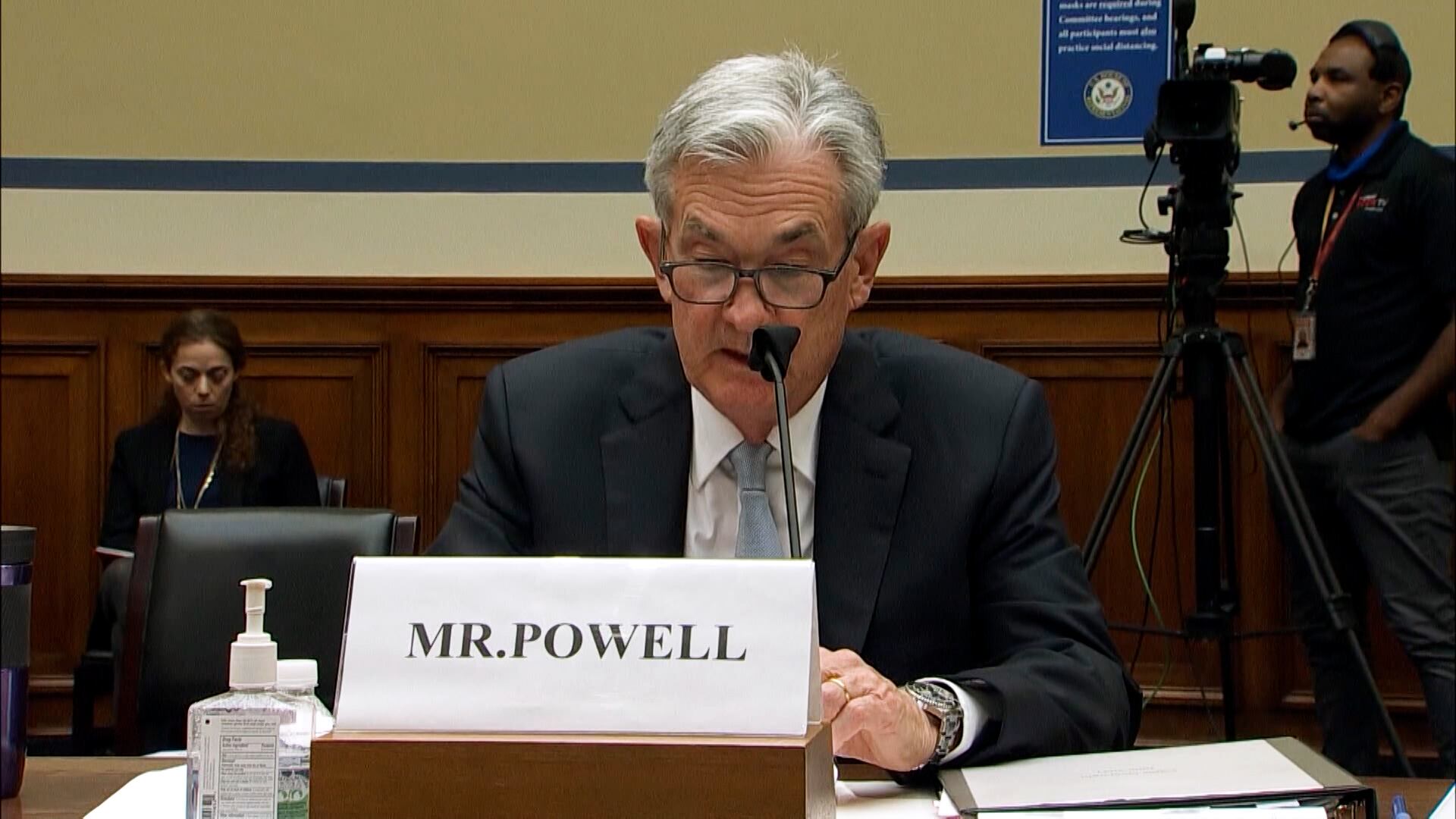
Just about a week after being re-nominated, Federal Reserve Chair Jermone Powell is changing his tune. After nearly a year of referring to inflation as 'transitory,' Powell said he will retire the 'T' word as inflation remains elevated. Christopher Russo, Post-Graduate Research Fellow, Mercatus Center joined Cheddar's Opening Bell to discuss.
Airbnb has come under fire after an Axios report found that the rental company has properties available in China's Xinjiang region where the nation has been accused of committing genocide against Uyghur Muslims, demolishing their homes, and replacing them with tourist attractions.
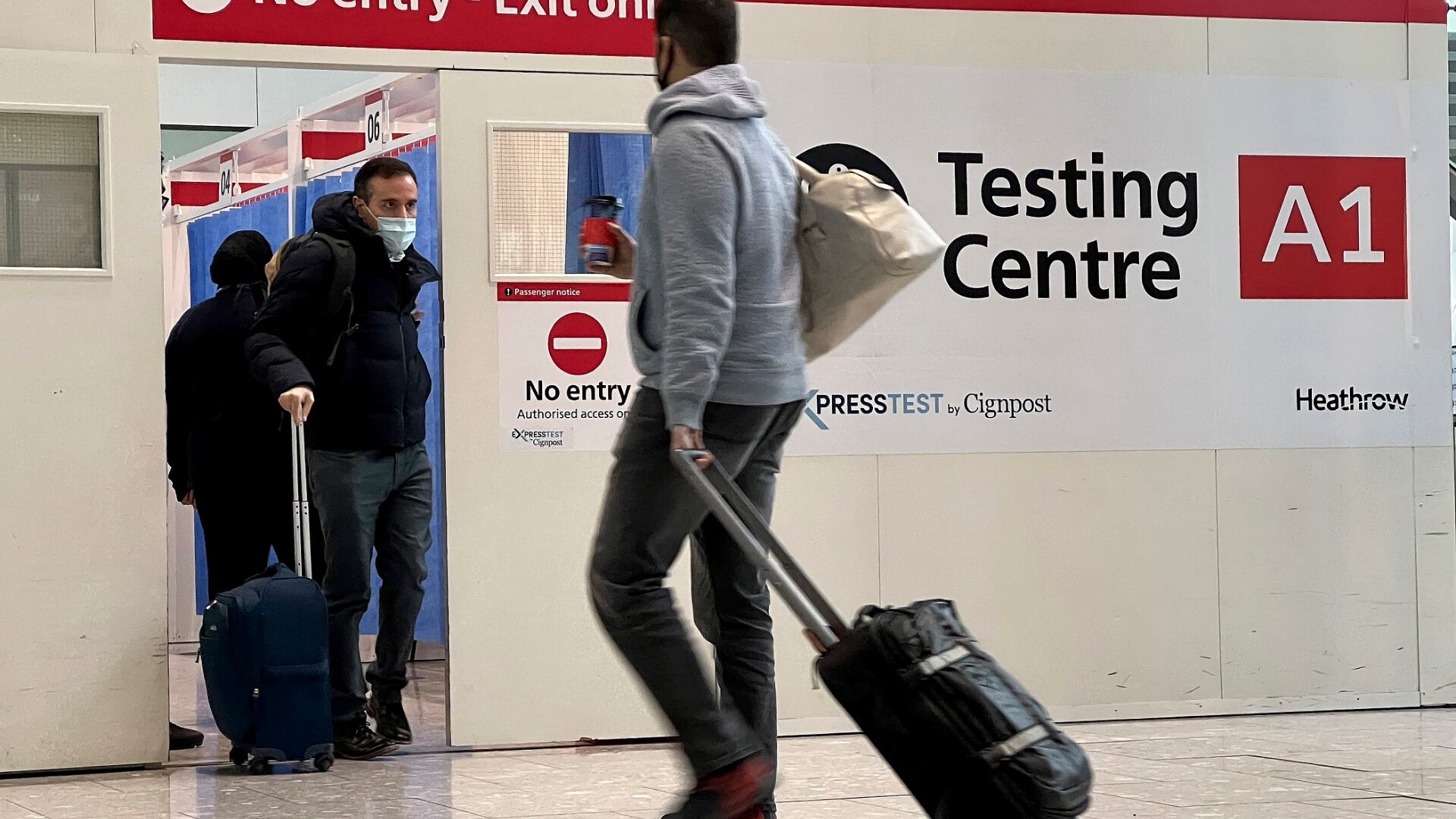
With the emergence of the omicron variant, the U.S. is considering tightening international travel guidelines. The CDC said it might reduce the window for foreign travelers to submit a negative COVID-19 test from three days prior to one day before allowing entry.
Jill and Carlo cover the latest on Omicron, another school shooting in America and more. Plus, bidding farewell to 'transitory' inflation, and the controversy surrounding 'Lovely Bones' author Alice Sebold.