The Supreme Court will decide whether a disabled activist can file disability rights lawsuits against hotels she doesn't intend to visit.
The high court said Monday it would decide a case involving Deborah Laufer. Laufer, who lives in Florida, has filed over 600 federal lawsuits against hotel owners and operators, according to a Supreme Court filing.
Laufer has a vision impairment, uses a cane or wheelchair to get around, and has limited use of her hands, according to court documents. Her lawsuits contend that the websites of accommodations, generally small hotels and bed-and-breakfasts, are not clear enough about whether they are accessible to people with disabilities.
Under the federal Americans With Disabilities Act hotels must identify and describe their accessible features including guest rooms in sufficient detail.
Laufer's lawsuits and lawsuits by other self-appointed “testers” have divided federal appeals courts. The question is whether Laufer and others have suffered an injury that gives them the ability to sue, called “standing.” Some courts have ruled that people who never intend to visit the accommodations they are challenging can nonetheless sue. Other courts have declined to allow the lawsuits.
The case the court agreed to hear involves the Coast Village Inn and Cottages in Wells, Maine. A federal trial court dismissed Laufer's lawsuit alleging the hotel's website contained insufficient information on disability accommodations. But a federal appeals court allowed the case to go forward.
The hotel currently has a notice at the top of its website that reads: “Please Note: Unfortunately, we do not have the capabilities to provide pet-friendly or ADA compliant lodging. We apologize for the inconvenience!”
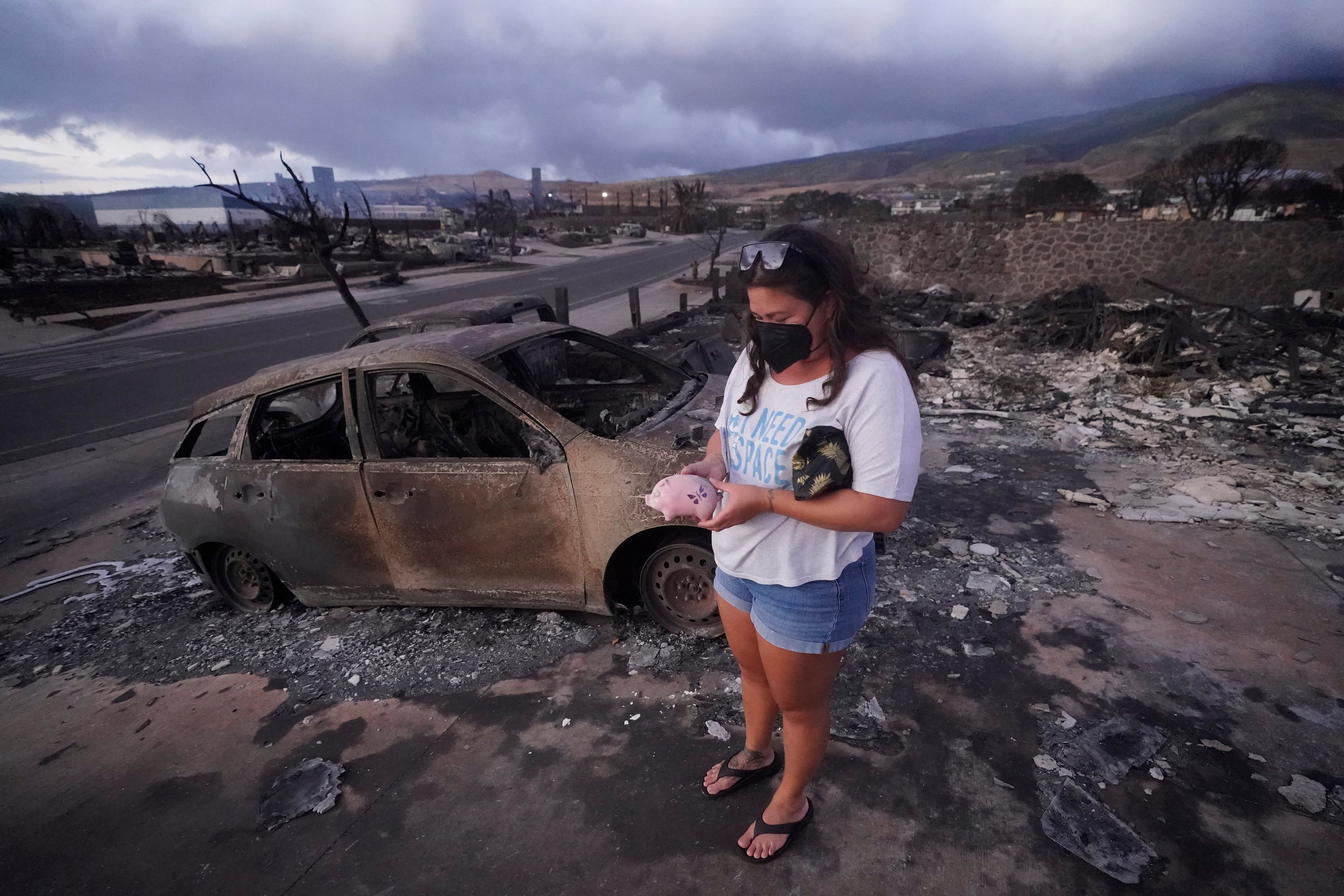
Lawmakers probing the cause of last month’s deadly Maui wildfire did not get many answers during Thursday's congressional hearing on the role the electrical grid played in the disaster.
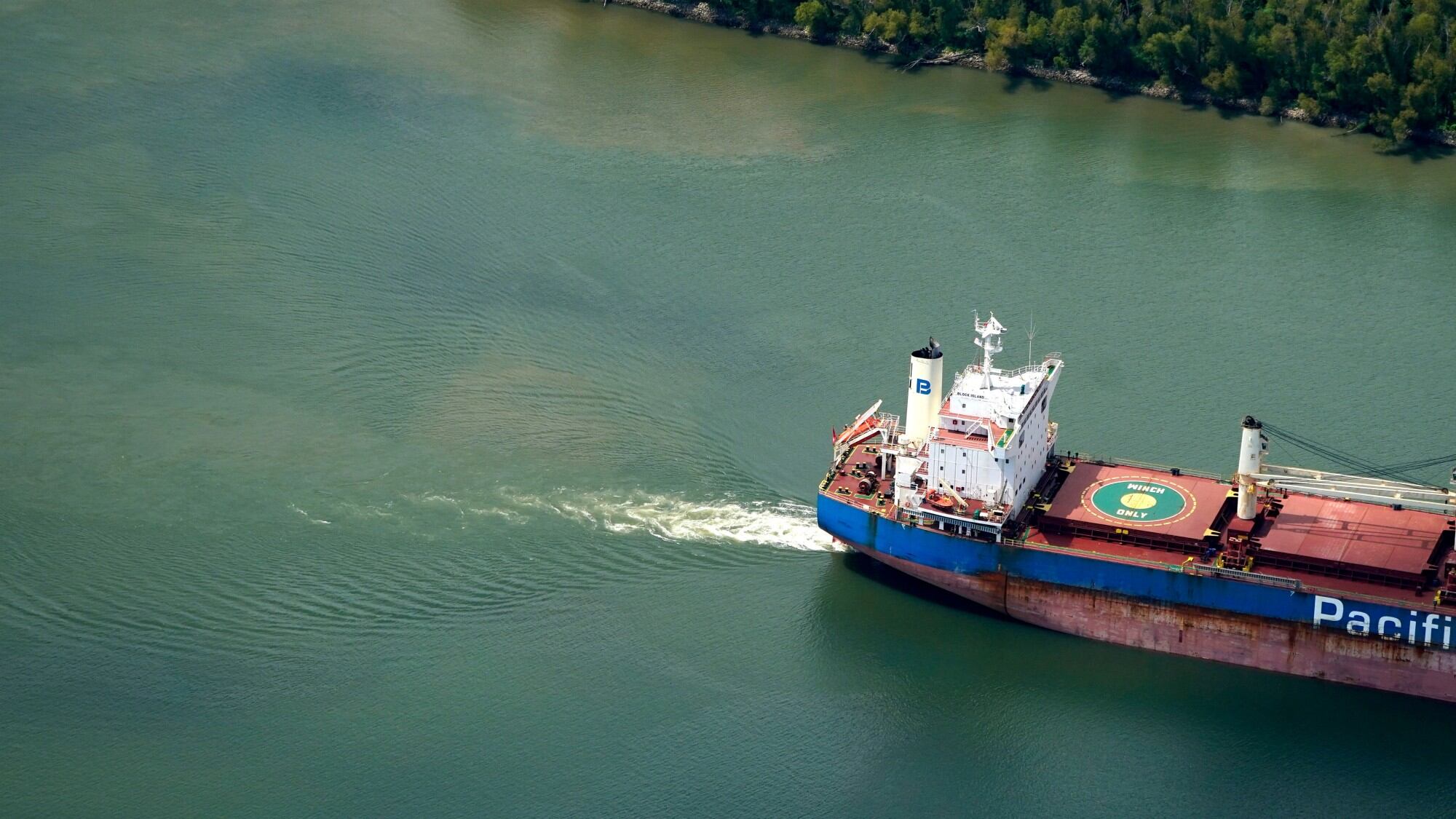
President Joe Biden announced Wednesday that federal disaster assistance is available for Louisiana, which is working to slow a mass inflow of salt water creeping up the Mississippi River and threatening drinking water supplies in the southern part of the state.
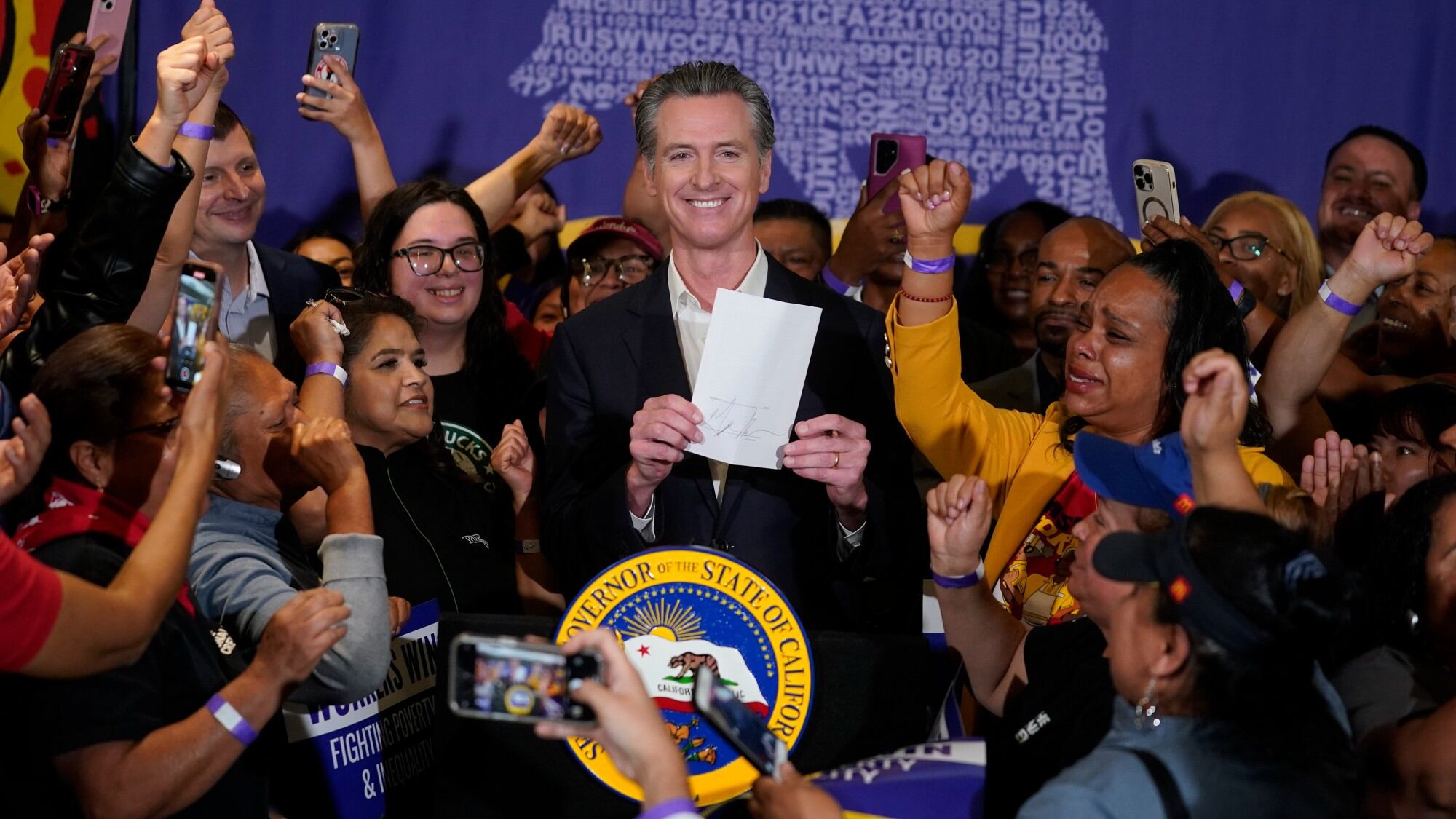
A new law in California will raise the minimum wage for fast food workers to $20 per hour next year, an acknowledgment from the state's Democratic leaders that most of the often overlooked workforce are the primary earners for their low-income households.
From Sunday, workers at the main United States base in Antarctica will no longer be able to walk into a bar and order a beer, after the U.S. federal agency that oversees the research program decided to stop serving alcohol.
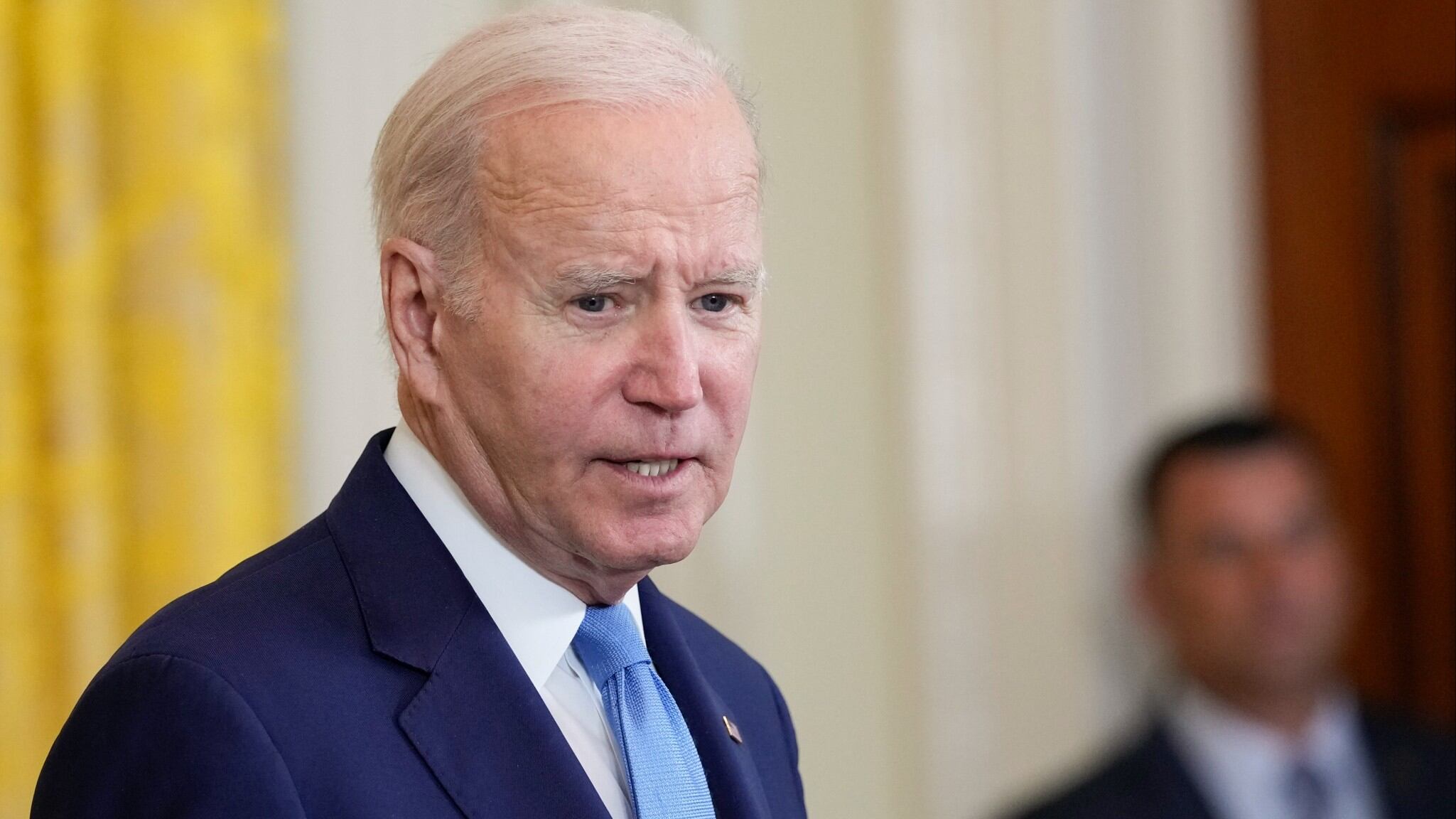
House Republicans launched a formal impeachment hearing Thursday against President Joe Biden, promising to “provide accountability” as they probe the family finances and business dealings of his son Hunter and make their case to the public, colleagues and a skeptical Senate.
The FBI and other government agencies should be required to get court approval before reviewing the communications of U.S. citizens collected through a secretive foreign surveillance program, a sharply divided privacy oversight board recommended on Thursday.
The federal government is just days away from a shutdown that will disrupt many services, squeeze workers and roil politics as Republicans in the House, fueled by hard-right demands, force a confrontation over federal spending.
The Biden administration is finalizing a new rule that would cut federal funding for colleges that leave graduates with low pay and high debt after graduating.
The Biden administration is finalizing a new rule that would cut federal funding for colleges that leave graduates with low pay and high debt after graduating.