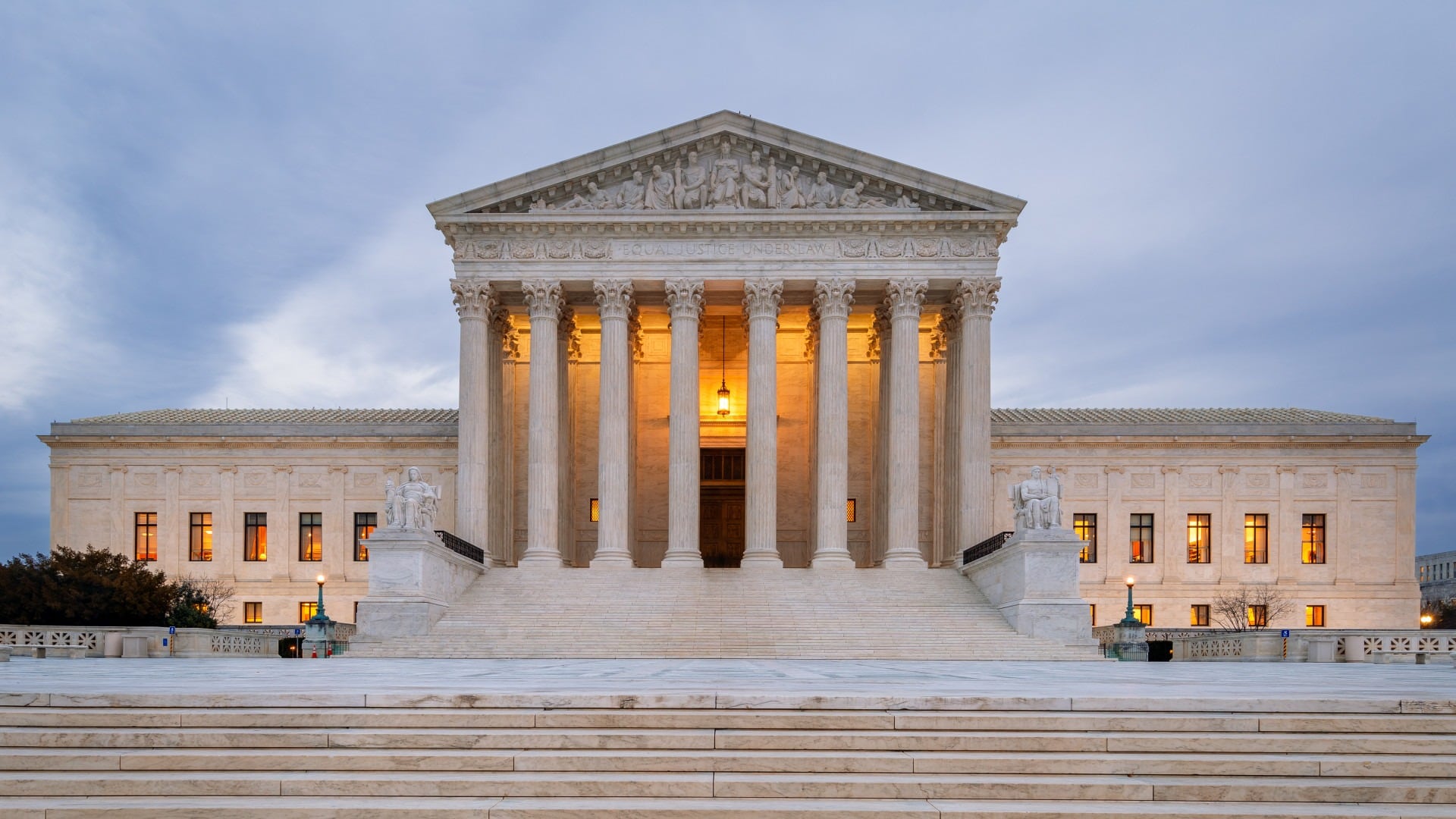
The Supreme Court said Monday it will take up a Republican-led challenge to the Consumer Financial Protection Bureau, a case that could threaten how the consumer watchdog agency functions. It is the second time in three years that the justices will be examining the federal agency, which was created in the wake of the 2008 financial crisis.
The case will not be heard before October. That's when the court begins its next term.
Late last year, a federal appeals court — the U.S. Court of Appeals for the 5th Circuit — ruled that the agency’s funding structure is unconstitutional, threatening its ability to function. The Biden administration asked the high court to review that decision, which it has now agreed to do.
The administration said the lower court’s ruling “calls into question virtually every action the CFPB has taken” since its creation. The decision “threatens to inflict immense legal and practical harms on the CFPB, consumers, and the nation’s financial sector,” the administration said.
Since the bureau was created more than a decade ago by the Dodd-Frank Act, it has varied in its aggressiveness. During the Obama administration, it used its muscle to collect fines from banks and credit card companies; during the Trump administration, it drastically scaled back enforcement actions. Republicans have argued that the agency has unchecked power.
The case the justices agreed to hear centers on the agency's funding. Unlike a majority of agencies, the CFPB does not get its funding from the annual budget process in Congress. Instead, it is funded directly by the Federal Reserve. The agency’s budget is capped at 12% of the total operating expenses of the Federal Reserve System. In the 2022 fiscal year, the agency received about $640 million.
The case the justices will hear began when two associations sued over the agency's Payday Lending Rule. They argued in part that the agency's funding structure violated the Constitution, improperly insulating the agency from congressional supervision. A trial court ruled against the associations, but the appeals court agreed the funding structure was unconstitutional. Other courts that had previously looked at the agency's funding structure found no issue.
In urging the justices to take the case, a group of 16 mostly Republican-led states called the CFPB “a failed experiment in administrative governance.”
Just three years ago, in 2020, the high court dealt with a different challenge to the agency. That case involved the agency's structure. The justices ultimately ruled that Congress had improperly insulated the head of the bureau from removal. The justices said the agency could continue to operate but that its director had to be removable by the president at will.
The CFPB was the brainchild of Sen. Elizabeth Warren of Massachusetts and former Democratic presidential candidate.
Social media platforms TikTok, Snapchat, and YouTube are facing questions in DC about consumer protections, data security, and product safety for young users. Emily Birnbaum, tech lobbying and influence reporter at Politico, joined Cheddar to provide some background into what led to the congressional hearing and the potential outcome. Birnbaum noted that social media platforms have been attempting to distance themselves from Facebook and the ongoing bad press it garnered in recent months.
Beginning in November, fully vaccinated international travelers will be able to enter the United States after months of travel restrictions. People under the age of 18 and those from countries without easy access to vaccines will not be required to be vaccinated but all travelers will need to show negative COVID test results before entering.
Apple could soon face a Department of Justice antitrust lawsuit after intensifying its probe into the tech giant, according to a report. The added scrutiny comes after the tech giant had already faced questioning in Washington and concluded an antitrust case brought by Epic Games.
Last week, shares of Digital World Acquisition Corp skyrocketed after following Former Present Trump's announcement that he would be partnering with the company as part of a Special Purpose Acquisition Company, or SPAC. Christian Munafo, Chief Investment Officer of Liberty Street Advisors and portfolio Manager of the Private Shares Fund broke down the latest, including whether or not Wall Street is currently experiencing a SPAC boom.
Jill and Carlo cover the news out of Facebook's latest earnings, Tesla's monumental day, Dave Chappelle addresses controversy and the tragedy of the climate emergency.
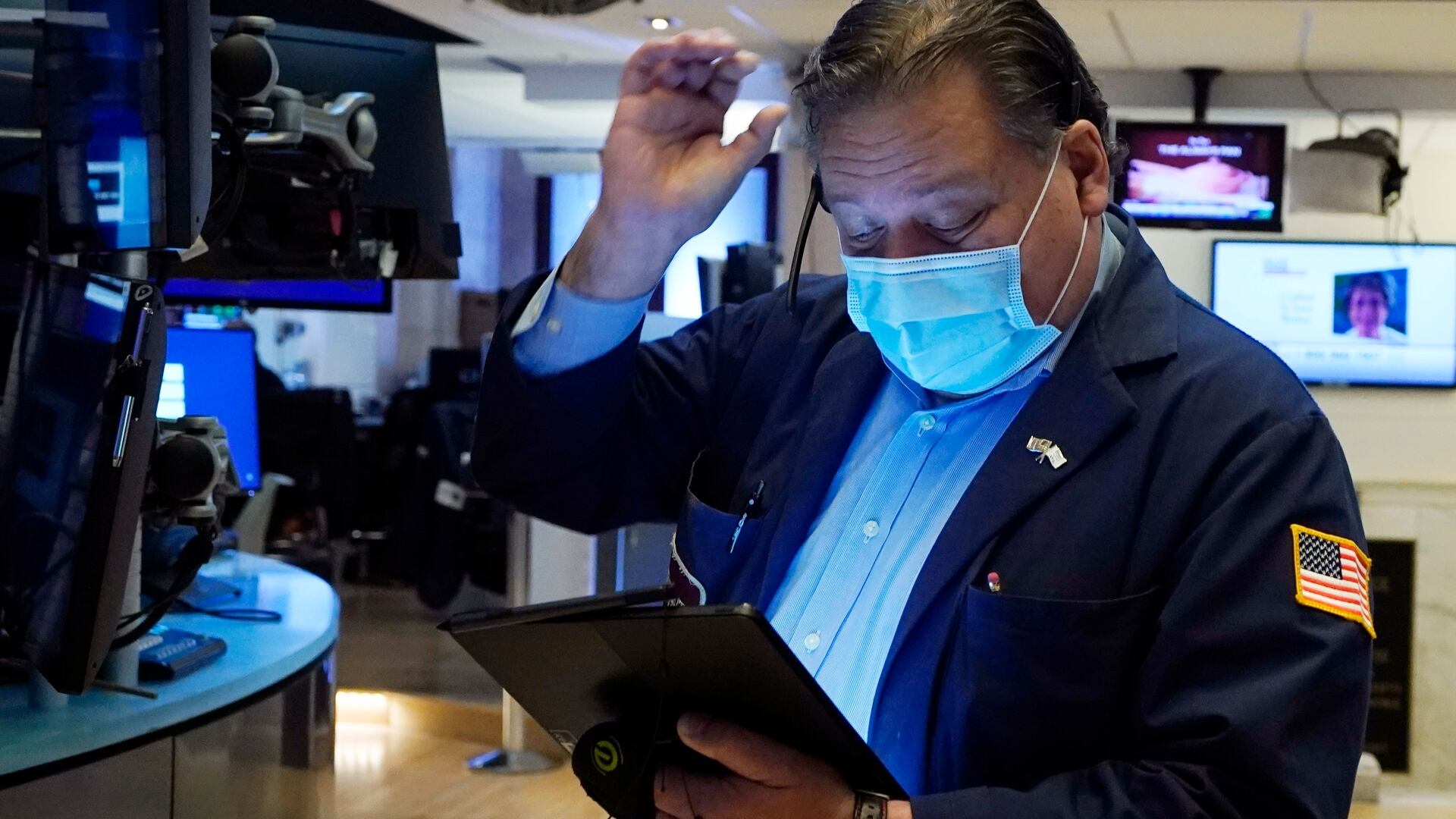
Stocks began the week on a high note, with two indexes - the Dow and the S&P 500 - each closing at a record high. Brian Levitt, Global Market Strategist at Invesco, joins Cheddar News' Closing Bell, where he explains why the conditions were in place for a jump during the session and provides insight on inflation concerns in the United States.
The price of Bitcoin hit a new all-time high last week following the Wall Street debut of ProShares Bitcoin Strategy ETF. Todd Cipperman, Founding Principal for Cipperman Compliance Services, joins Cheddar News' Closing Bell, where he explains why ProShares' ETF got off to a hot start while Valkyrie's Bitcoin Strategy ETF, which debuted just days later, did not.
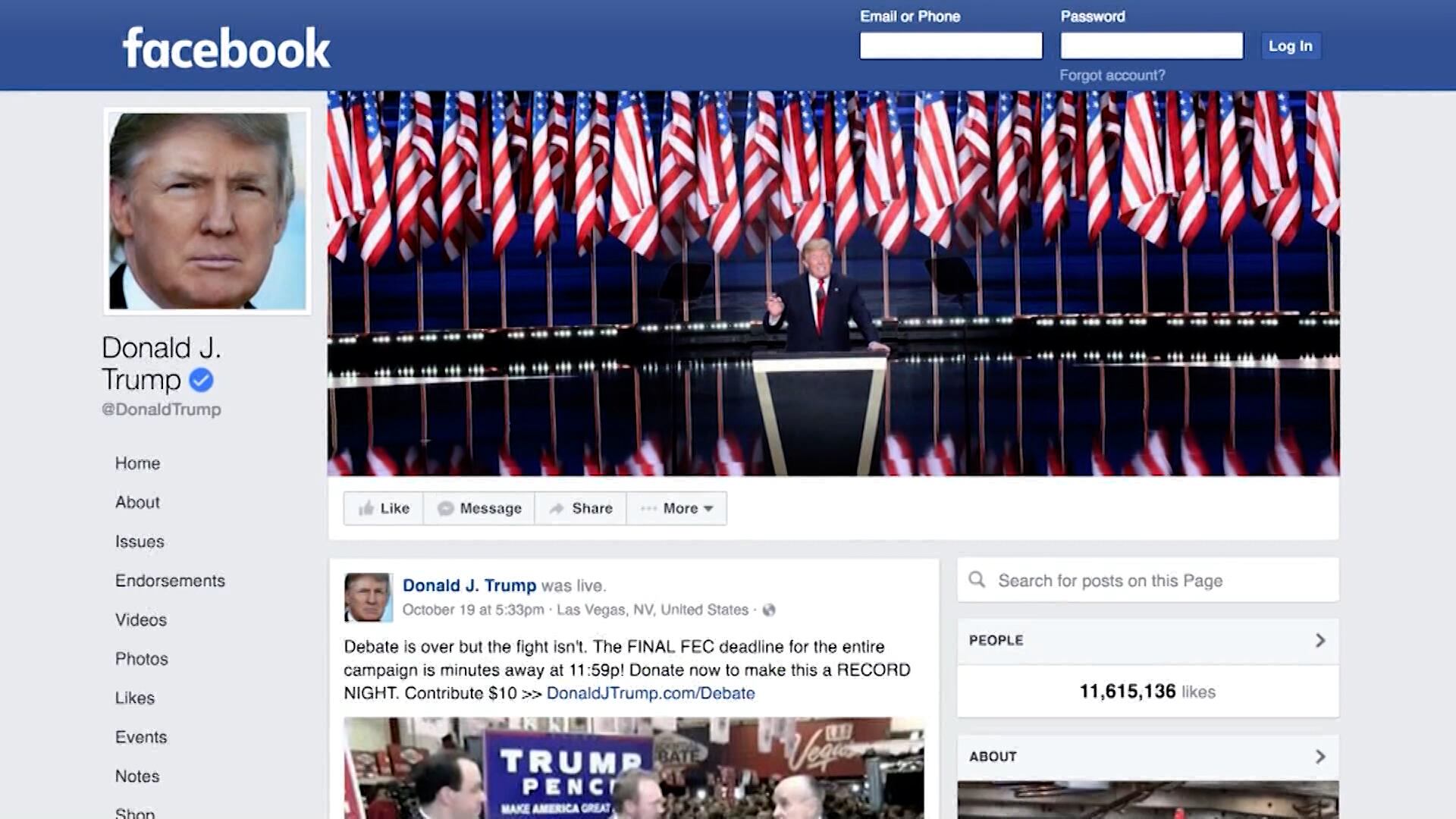
Rishi Bharwani, the director of partnerships and policy for nonprofit Accountable Tech, joined Cheddar to discuss the hot button topic of regulatory oversight of social media giant Facebook. Bharwani discussed the bipartisan pieces of legislation already making their way through Congress and said the body should pass stronger data privacy laws, ban surveillance advertising, and require meaningful accountability and transparency from the company. "Now I think we've reached a boiling point where congressional action is needed and inaction is no longer acceptable," he said. Bharwani also called for a concurrent investigation into Mark Zuckerberg's company.