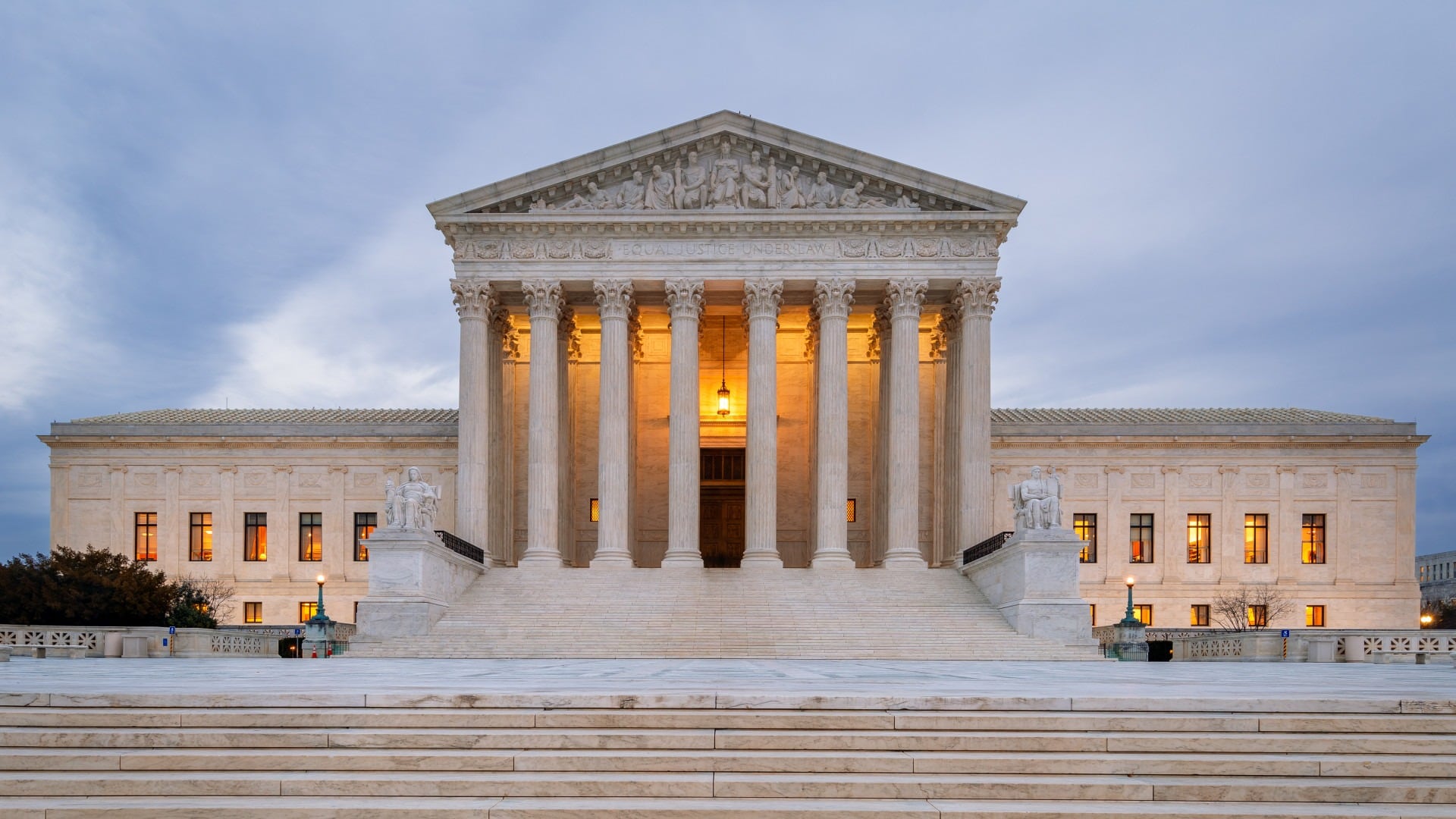
The Supreme Court said Monday it will take up a Republican-led challenge to the Consumer Financial Protection Bureau, a case that could threaten how the consumer watchdog agency functions. It is the second time in three years that the justices will be examining the federal agency, which was created in the wake of the 2008 financial crisis.
The case will not be heard before October. That's when the court begins its next term.
Late last year, a federal appeals court — the U.S. Court of Appeals for the 5th Circuit — ruled that the agency’s funding structure is unconstitutional, threatening its ability to function. The Biden administration asked the high court to review that decision, which it has now agreed to do.
The administration said the lower court’s ruling “calls into question virtually every action the CFPB has taken” since its creation. The decision “threatens to inflict immense legal and practical harms on the CFPB, consumers, and the nation’s financial sector,” the administration said.
Since the bureau was created more than a decade ago by the Dodd-Frank Act, it has varied in its aggressiveness. During the Obama administration, it used its muscle to collect fines from banks and credit card companies; during the Trump administration, it drastically scaled back enforcement actions. Republicans have argued that the agency has unchecked power.
The case the justices agreed to hear centers on the agency's funding. Unlike a majority of agencies, the CFPB does not get its funding from the annual budget process in Congress. Instead, it is funded directly by the Federal Reserve. The agency’s budget is capped at 12% of the total operating expenses of the Federal Reserve System. In the 2022 fiscal year, the agency received about $640 million.
The case the justices will hear began when two associations sued over the agency's Payday Lending Rule. They argued in part that the agency's funding structure violated the Constitution, improperly insulating the agency from congressional supervision. A trial court ruled against the associations, but the appeals court agreed the funding structure was unconstitutional. Other courts that had previously looked at the agency's funding structure found no issue.
In urging the justices to take the case, a group of 16 mostly Republican-led states called the CFPB “a failed experiment in administrative governance.”
Just three years ago, in 2020, the high court dealt with a different challenge to the agency. That case involved the agency's structure. The justices ultimately ruled that Congress had improperly insulated the head of the bureau from removal. The justices said the agency could continue to operate but that its director had to be removable by the president at will.
The CFPB was the brainchild of Sen. Elizabeth Warren of Massachusetts and former Democratic presidential candidate.
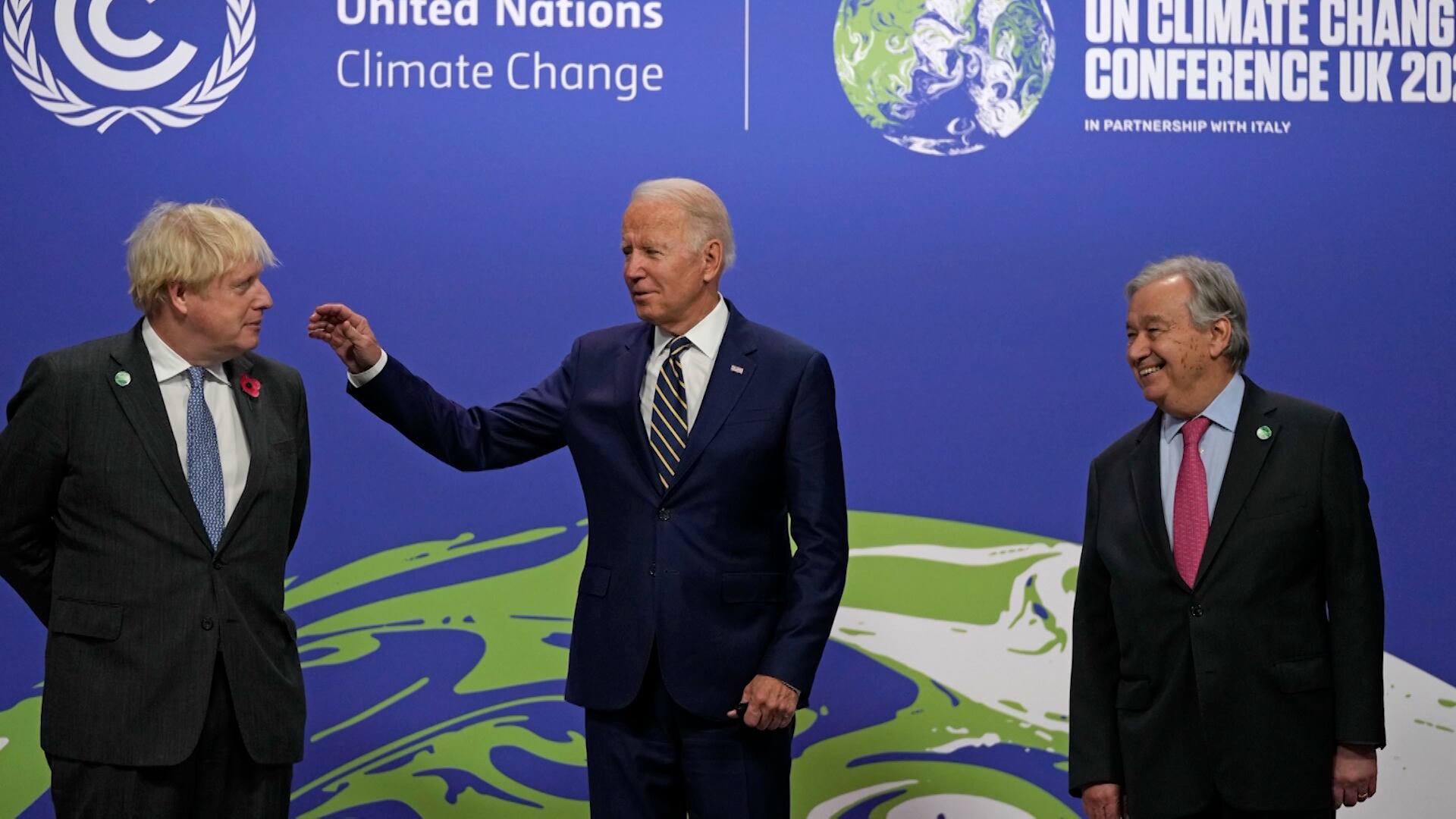
The two-week COP26 climate conference has now ended with leaders reaching a deal, but so far the deal is getting mixed reviews from climate experts across the globe. Chloe Demrovsky, president and CEO of Disaster Recovery Institute International, explains that while the agreement is a step forward in some ways, the world still has much more to work on in order to keep warming to below 2 degrees Celsius.
Jill and Carlo cover the latest with the infrastructure bill, the growing state rebellion over boosters, Trump's dereliction of duty on the pandemic, Taylor Swift's reign of cultural domination and more.
Sen. Sheldon Whitehouse joined Cheddar to discuss the latest push to get rid of Daylight Savings Time. A practice where several say can cause havoc on one's sleeping schedule and cause disruptions to our economy.
The past decade or so has been a has seen massive change-- usually good-- for the LGBTQ+ community. Same-sex marriage has seen broader acceptance, and there's been increased conversation about the reality of gender identity. Now, folks who don't identify as male or female can travel while staying true to their more authentic self.
The Biden administration has issued the first passport with a gender-neutral designation "X." the passport was issued to Dana Zzyym, an intersex activist from Colorado, after a long legal battle with the state department in which Zzyym argued they shouldn't be required to lie about their identity on their passport. Advocates for such changes have applauded the move, saying it will allow people who don't identify as male or female to travel the globe in a more safe and visible way.
Paul Castillo, counsel at Lambda Legal and Zzyym's attorney in this case, joins None of the Above to discuss.
The Biden Administration has announced its latest plans to support veterans who had been exposed to toxic chemicals from burn pits. According to several veterans who served in Iraq and Afghanistan, a number of them were exposed to hour-long periods of burn pits. As a result, many of them say they have suffered from severe life-long side effects. Co-founder at Burn Pits 360 Le Roy Torres, joined Cheddar to discuss more.
Ballots have been sent to workers at three different Starbucks locations in Buffalo, NY to decide whether they will unionize for the first time ever. Wilma Liebman, former Chair of the National Labor Relations Board and Michelle Eisen from the Starbucks Workers United Organization, which is behind this vote, joined Cheddar to discuss.
The parent company of North Face, Vans and Supreme, VF Corp, released its fourth annual "Made for Change" sustainability and responsibility report. It details the company's ongoing efforts to tackle social and climate related issues. This comes as climate experts continue to warn about the dangers of fast fashion and its impact on global CO2 emissions. Sean Cady, Vice President of Global Sustainability, Responsibility and Trade at VF Corporation, joins Cheddar News to discuss.
A jam-packed Freitag pod with Carlo and Baker: new Covid hotspots, Kyle Rittenhouse trial, Belarus making trouble for Europe, red-hot housing market, and how to manage a PR crisis the right way.
Damian Mason, a farm owner, Agricultural Economist and Author of 'Food Fear,' joined Cheddar to discuss the rising prices of food as we approach the holiday season.