By Jessica Gresko

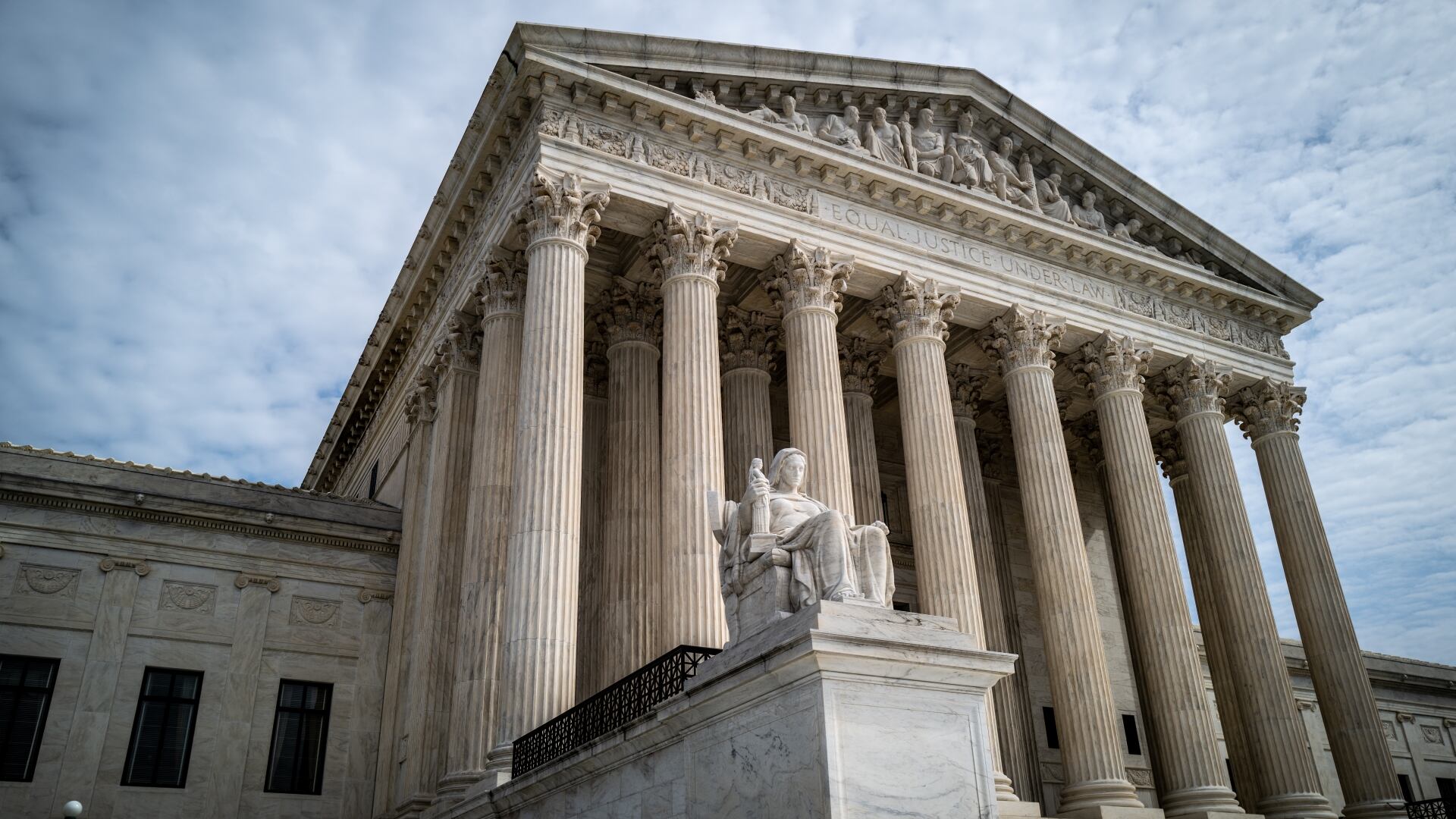
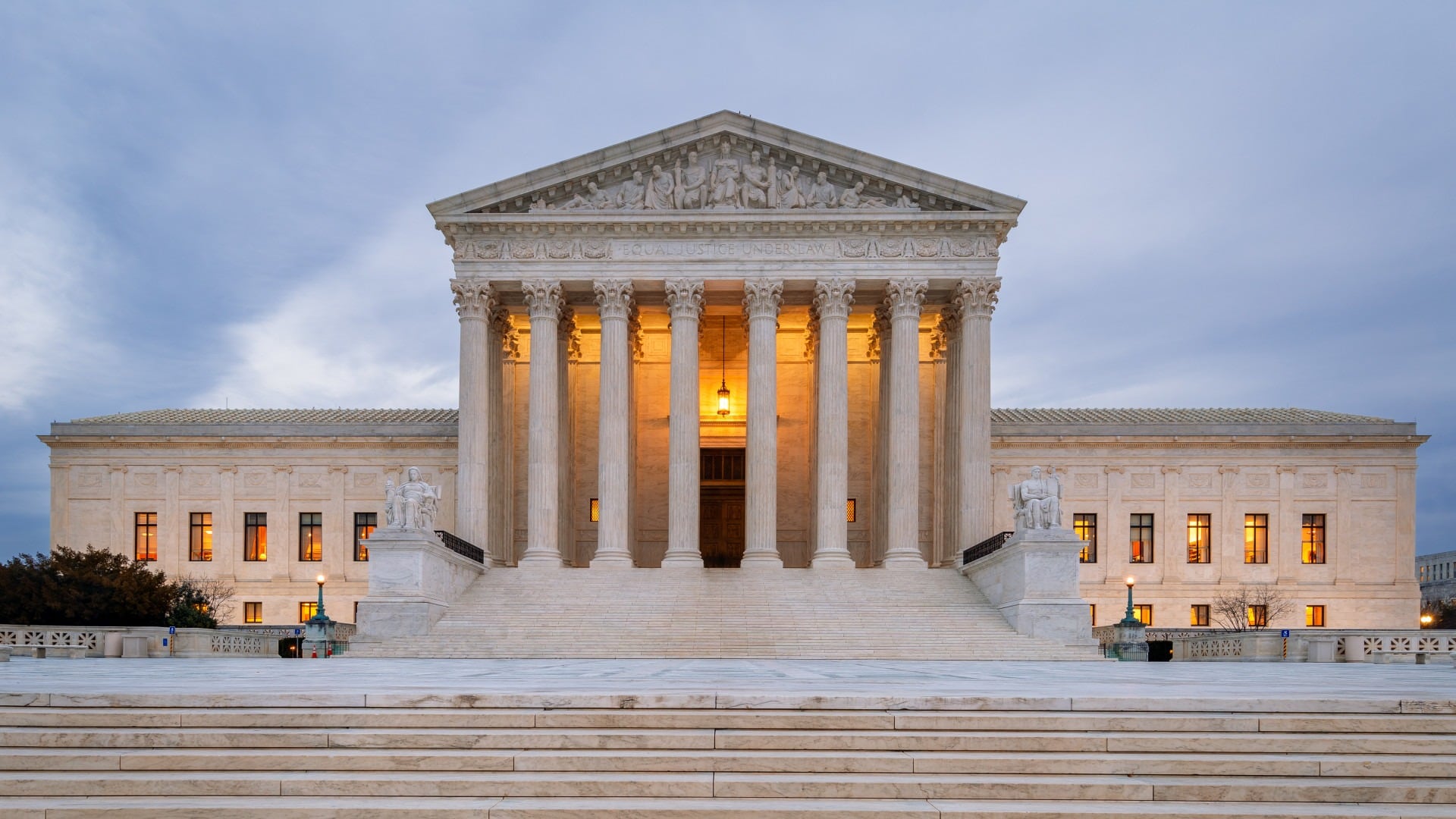
The Supreme Court said Monday it will take up a Republican-led challenge to the Consumer Financial Protection Bureau, a case that could threaten how the consumer watchdog agency functions. It is the second time in three years that the justices will be examining the federal agency, which was created in the wake of the 2008 financial crisis.

The case will not be heard before October. That's when the court begins its next term.

Late last year, a federal appeals court — the U.S. Court of Appeals for the 5th Circuit — ruled that the agency’s funding structure is unconstitutional, threatening its ability to function. The Biden administration asked the high court to review that decision, which it has now agreed to do.

The administration said the lower court’s ruling “calls into question virtually every action the CFPB has taken” since its creation. The decision “threatens to inflict immense legal and practical harms on the CFPB, consumers, and the nation’s financial sector,” the administration said.

Since the bureau was created more than a decade ago by the Dodd-Frank Act, it has varied in its aggressiveness. During the Obama administration, it used its muscle to collect fines from banks and credit card companies; during the Trump administration, it drastically scaled back enforcement actions. Republicans have argued that the agency has unchecked power.

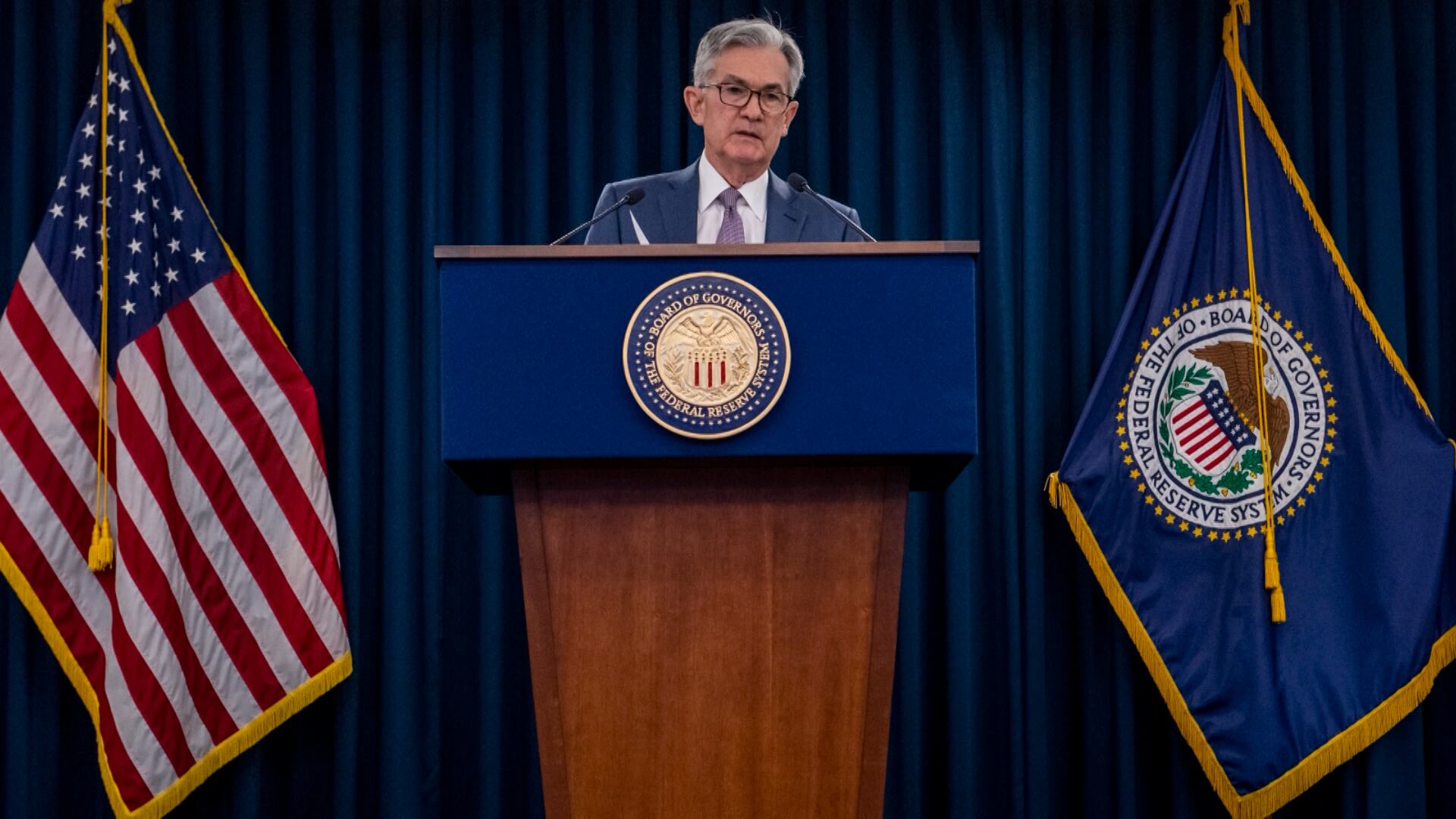
The case the justices agreed to hear centers on the agency's funding. Unlike a majority of agencies, the CFPB does not get its funding from the annual budget process in Congress. Instead, it is funded directly by the Federal Reserve. The agency’s budget is capped at 12% of the total operating expenses of the Federal Reserve System. In the 2022 fiscal year, the agency received about $640 million.

The case the justices will hear began when two associations sued over the agency's Payday Lending Rule. They argued in part that the agency's funding structure violated the Constitution, improperly insulating the agency from congressional supervision. A trial court ruled against the associations, but the appeals court agreed the funding structure was unconstitutional. Other courts that had previously looked at the agency's funding structure found no issue.

In urging the justices to take the case, a group of 16 mostly Republican-led states called the CFPB “a failed experiment in administrative governance.”

Just three years ago, in 2020, the high court dealt with a different challenge to the agency. That case involved the agency's structure. The justices ultimately ruled that Congress had improperly insulated the head of the bureau from removal. The justices said the agency could continue to operate but that its director had to be removable by the president at will.

The CFPB was the brainchild of Sen. Elizabeth Warren of Massachusetts and former Democratic presidential candidate.


Share:
More In Politics
Build Back Better Act Boosts 'Tree Equity'
Disparities in tree coverage across America is a huge issue that affects air quality, heat exposure, and ultimately determines how resilient communities are against climate change. The Build Back Better Act is allocating $2.5 billion to boost 'tree equity.' Lemir Teron, assistant professor at SUNY College of Environmental Science and Forestry, joins Cheddar News to explain why this is a priority for Democrats today.
SCOTUS Mississippi Abortion Rights Case 'Direct Challenge' to Roe v. Wade
The Supreme Court will be hearing arguments in Dobbs v. Jackson Women's Health on Wednesday over a Mississippi law banning abortions after 15 weeks. Jimmy Hoover, the Supreme Court editor-at-large for Law360, joined Cheddar to break down the momentous legal fight. "This is the biggest abortion case at the Supreme Court in 30 years," he said. "It is a … a direct challenge to Roe v. Wade."
Stocks Plummet Following Fed Chair Powell's Comments on Tapering
Matt Peron, Director of Research at Janus Henderson Investors, joins Cheddar News' Closing Bell, where he breaks down the factors leading to today's market slide and says there's more to it than Fed Chair Jerome Powell's comments about speeding up tapering efforts.
Walmart CEO Praises Biden Efforts to Ease Supply Chain Bottlenecks
Walmart CEO Dough McMillon praised the Biden administration's efforts to ease supply chain constraints after the company saw a 26 percent jump in shipments over the last month. President Joe Biden had announced back in October that California ports would operate on a 24/7 basis.
Omicron Risk, Barbados Drops Queen & Jack Logs Off
Jill and Carlo cover the latest developments with the Omicron variant that are spooking markets once again. Twitter's @Jack is leaving, SCOTUS takes up abortion rights and the world has a brand new republic.
U.S. to Buy 10 Million Courses of Pfizer Covid Pill
The Biden Administration is set to buy 10 million courses of Pfizer's Covid pill if it gains emergency use authorization from the FDA. With this purchase, the U.S. will receive more than 13 million courses of antiviral pills aimed at treating Covid and reducing severe illness and death. Pfizer's pill has been shown to reduce risk of hospitalization and death by 89 percent, proving it could be a key tool in the fight against the pandemic. Dr. Soumi Eachempati, Co-Founder, CEO & CMO of Cleared4, joined Cheddar News to discuss.
Breaking Down the Build Back Better Act's Impact on Affordable Housing
The Build Back Better Act has been at the center of endless negotiations and debate, ultimately landing as a nearly $1.8 trillion plan. One of the highlights is $170 billion dollars for affordable housing, making history as the largest investment in the sector to date. Eliza Collins, politics reporter for The Wall Street Journal, joins Cheddar News to break down the bill.
Load More