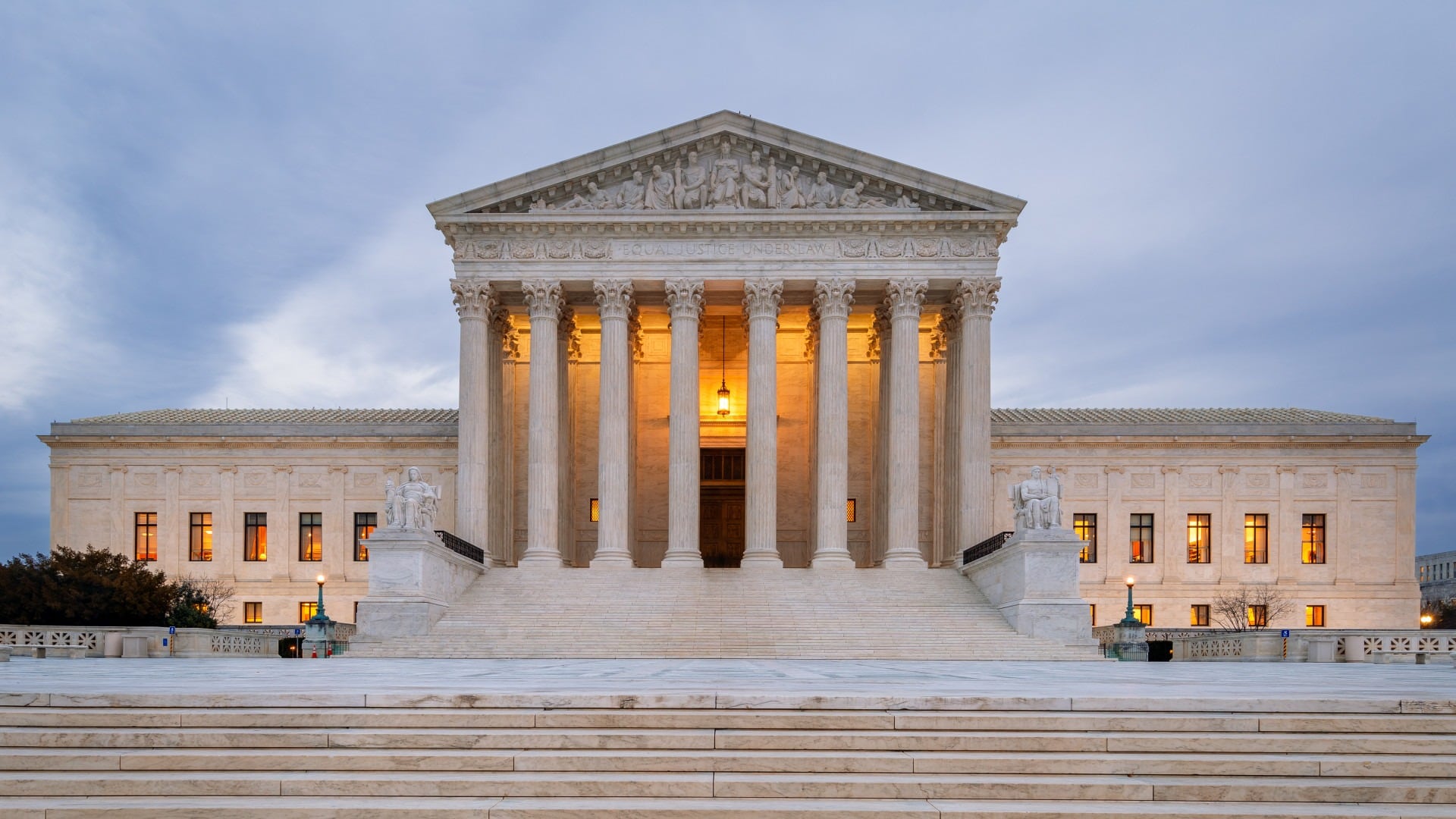
The Supreme Court said Monday it will take up a Republican-led challenge to the Consumer Financial Protection Bureau, a case that could threaten how the consumer watchdog agency functions. It is the second time in three years that the justices will be examining the federal agency, which was created in the wake of the 2008 financial crisis.
The case will not be heard before October. That's when the court begins its next term.
Late last year, a federal appeals court — the U.S. Court of Appeals for the 5th Circuit — ruled that the agency’s funding structure is unconstitutional, threatening its ability to function. The Biden administration asked the high court to review that decision, which it has now agreed to do.
The administration said the lower court’s ruling “calls into question virtually every action the CFPB has taken” since its creation. The decision “threatens to inflict immense legal and practical harms on the CFPB, consumers, and the nation’s financial sector,” the administration said.
Since the bureau was created more than a decade ago by the Dodd-Frank Act, it has varied in its aggressiveness. During the Obama administration, it used its muscle to collect fines from banks and credit card companies; during the Trump administration, it drastically scaled back enforcement actions. Republicans have argued that the agency has unchecked power.
The case the justices agreed to hear centers on the agency's funding. Unlike a majority of agencies, the CFPB does not get its funding from the annual budget process in Congress. Instead, it is funded directly by the Federal Reserve. The agency’s budget is capped at 12% of the total operating expenses of the Federal Reserve System. In the 2022 fiscal year, the agency received about $640 million.
The case the justices will hear began when two associations sued over the agency's Payday Lending Rule. They argued in part that the agency's funding structure violated the Constitution, improperly insulating the agency from congressional supervision. A trial court ruled against the associations, but the appeals court agreed the funding structure was unconstitutional. Other courts that had previously looked at the agency's funding structure found no issue.
In urging the justices to take the case, a group of 16 mostly Republican-led states called the CFPB “a failed experiment in administrative governance.”
Just three years ago, in 2020, the high court dealt with a different challenge to the agency. That case involved the agency's structure. The justices ultimately ruled that Congress had improperly insulated the head of the bureau from removal. The justices said the agency could continue to operate but that its director had to be removable by the president at will.
The CFPB was the brainchild of Sen. Elizabeth Warren of Massachusetts and former Democratic presidential candidate.
Even as tech giant Google implements a vaccination mandate, charging its employees to declare their vaccine status within a time frame or risk dismissal, the federal government is tangled up in the court system trying to impose one of its own. Cindy Cohn, the executive director of the Electronic Frontier Foundation, and Harry Nelson, founder and managing partner of Nelson Hardiman LLP, joined Cheddar to debate the ethics, efficacy, and legality surrounding the issue. While Cohn noted that she thinks the federal mandate might be legally sound, her organization is also concerned with a separate question of privacy. "At EFF what we're most interested in is the digital surveillance that's going along with some of these attempts to try to track and confirm whether people are vaccinated or not," she said.
A new report from CNBC says Instagram recently reached a new milestone -- 2 billion monthly active users. It comes amid a year of controversy for the photo-sharing app and its parent company, Meta. SocialFlow CEO Jim Anderson joins Cheddar News' Closing Bell to discuss.
There is a new way for investors to bet on cannabis - the AdvisorShares Poseidon Dynamic Cannabis ETF targets about 20 of the biggest names in U.S. cannabis. It comes at a time when it's still difficult for investors to access the space. Cheddar News cannabis reporter Chloe Aiello spoke with co-founder and managing director for Poseidon Investment Management, Emily Paxhia.
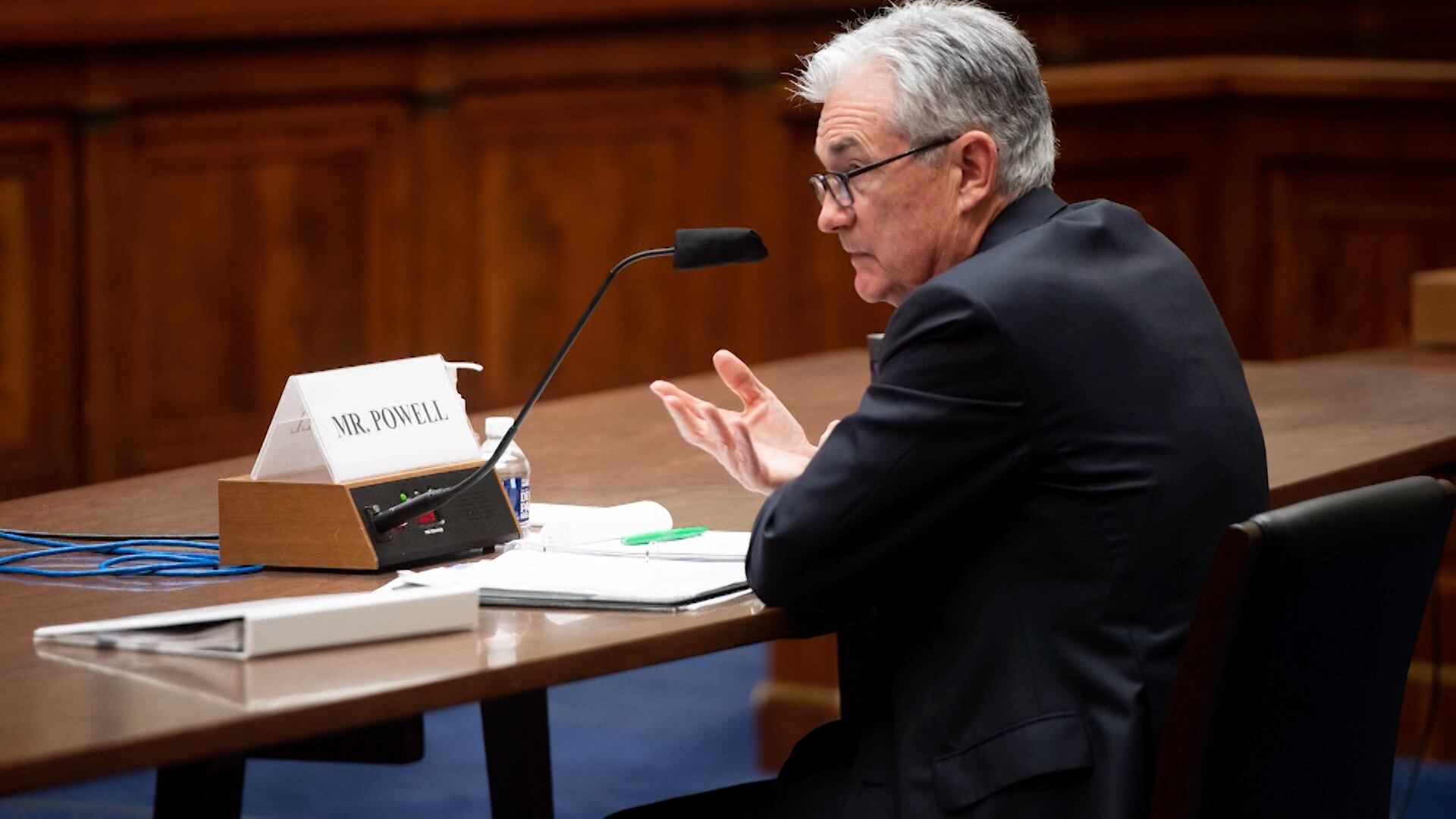
Victor Li, an economics professor at the Villanova School of Business, joins Cheddar News' Closing Bell, where he discusses the latest Fed decision and the implications it has on the stock market.
After nearly two years of the pandemic, U.S. consumers are ready to spend big this holiday season. However, shoppers may be faced with limited inventory as the U.S. continues to face shortages of key products and extended order backlogs. Per Hong, partner at consulting firm Kearney, joined Cheddar's Opening Bell to discuss the country's path forward.
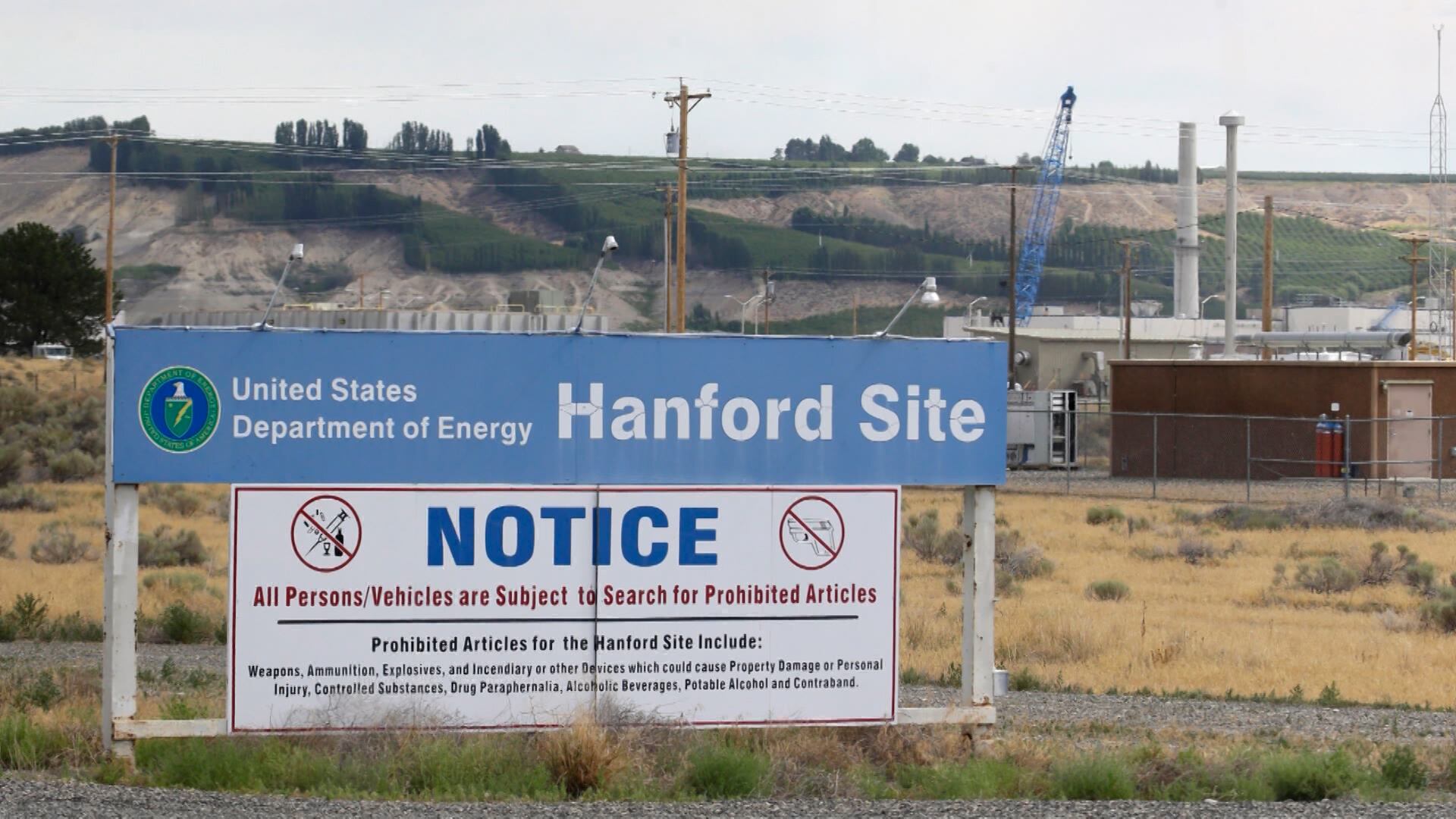
The U.S. Government is making its first major move toward encouraging nuclear energy in the U.S., as it pushes toward a sustainable future. Scott Waldman, White House reporter for Politico's E&E News joined Cheddar News to break down the developments. "There's definitely an audience for this now since we're looking at the value of nuclear in terms of climate policy," he said, regarding the prospects for bipartisan support.
CEOs of the top U.S. airlines are set to testify in front of a Senate committee Wednesday. Lawmakers will ask airline executives about how they used pandemic-related federal aid, specifically in light of staffing issues and widespread cancellations. Among those expected to participate are the CEOs of American, United, and Southwest Airlines. David Slotnick, Senior Aviation Business Reporter at The Points Guy, joined Cheddar News to discuss.
Carlo and Baker cover the latest data showing the Omicron wave has likely started, Pfizer's Covid pill, Jan. 6 and a box office rescue attempt courtesy of Spider-Man.