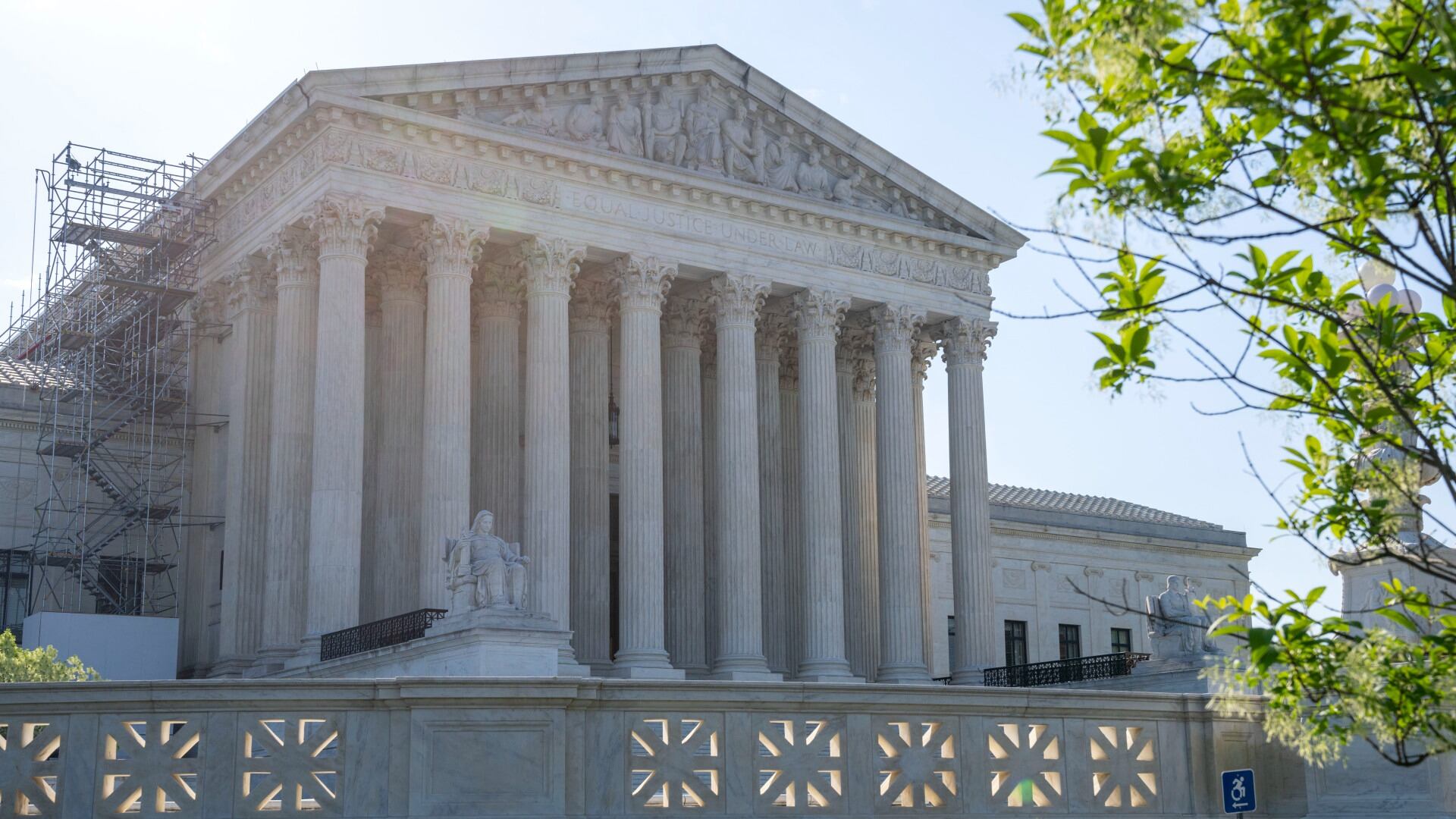
The Supreme Court is seen, Friday, April 21, 2023, ahead of an abortion pill decision in Washington. (AP Photo/Jacquelyn Martin)
The Supreme Court on Tuesday dismissed a case surrounding a Maine hotel that could have made it harder for people with disabilities to learn in advance whether a hotel's accommodations meet their needs.
Hotels and other business interests had urged the justices to limit the ability of so-called testers to file lawsuits against hotels that fail to disclose accessibility information on their websites and through other reservation services.
The information is required by a 2010 Justice Department rule. People who suffer discrimination can sue under the landmark Americans With Disabilities Act, signed into law in 1990.
The justices did not issue a decision on the substance of the case. Instead, they dismissed the case and threw out a lower court ruling in favor of tester lawsuits. The outcome leaves the issue unresolved nationally.
Federal courts in some parts of the country allow such lawsuits. In others, those suits are barred.
The case in front of the court involved whether Deborah Laufer, a woman with disabilities, has the right to sue a hotel in Maine that lacked the accessibility information on its website, despite having no plans to visit it.
In an effort to forestall an unfavorable ruling, Laufer withdrew her lawsuit against the hotel.
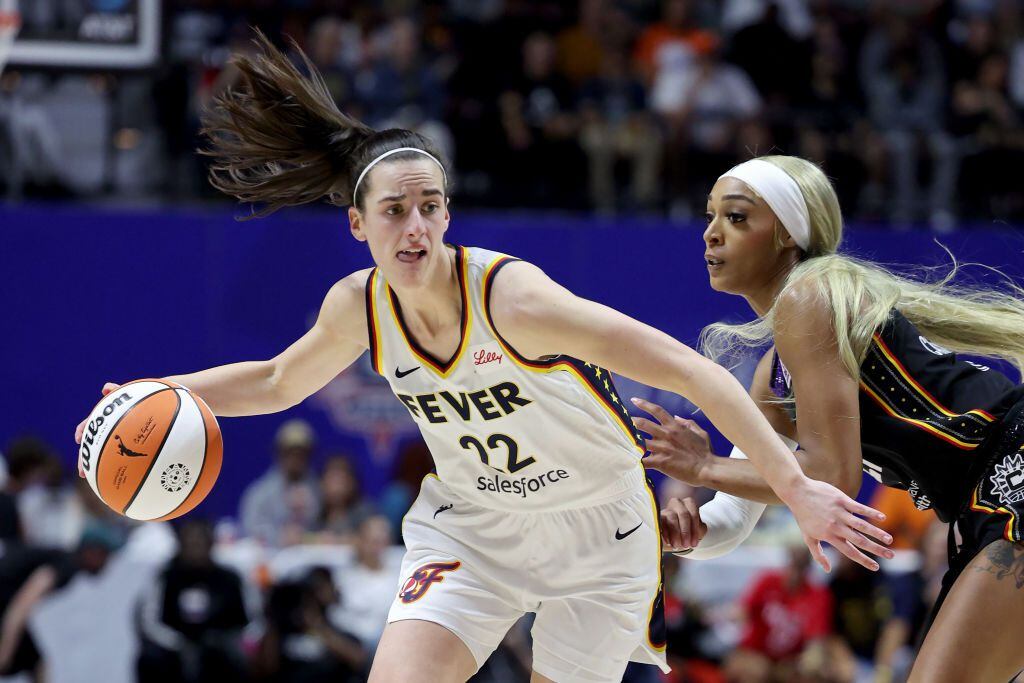
Amanda Chin, SVP of Marketing for the Golden State Warriors, stops by Cheddar to debut Valkyries name and logo and talks why women sports is good for business.
The return of ‘meme stocks’ don’t mean it’s time to panic about the stock market. If you want something to worry about… look no further than inflation.
Andela is revolutionizing global work for a sustainable future. Their impact includes diverse skills, income growth, & successful hiring in untapped locations.
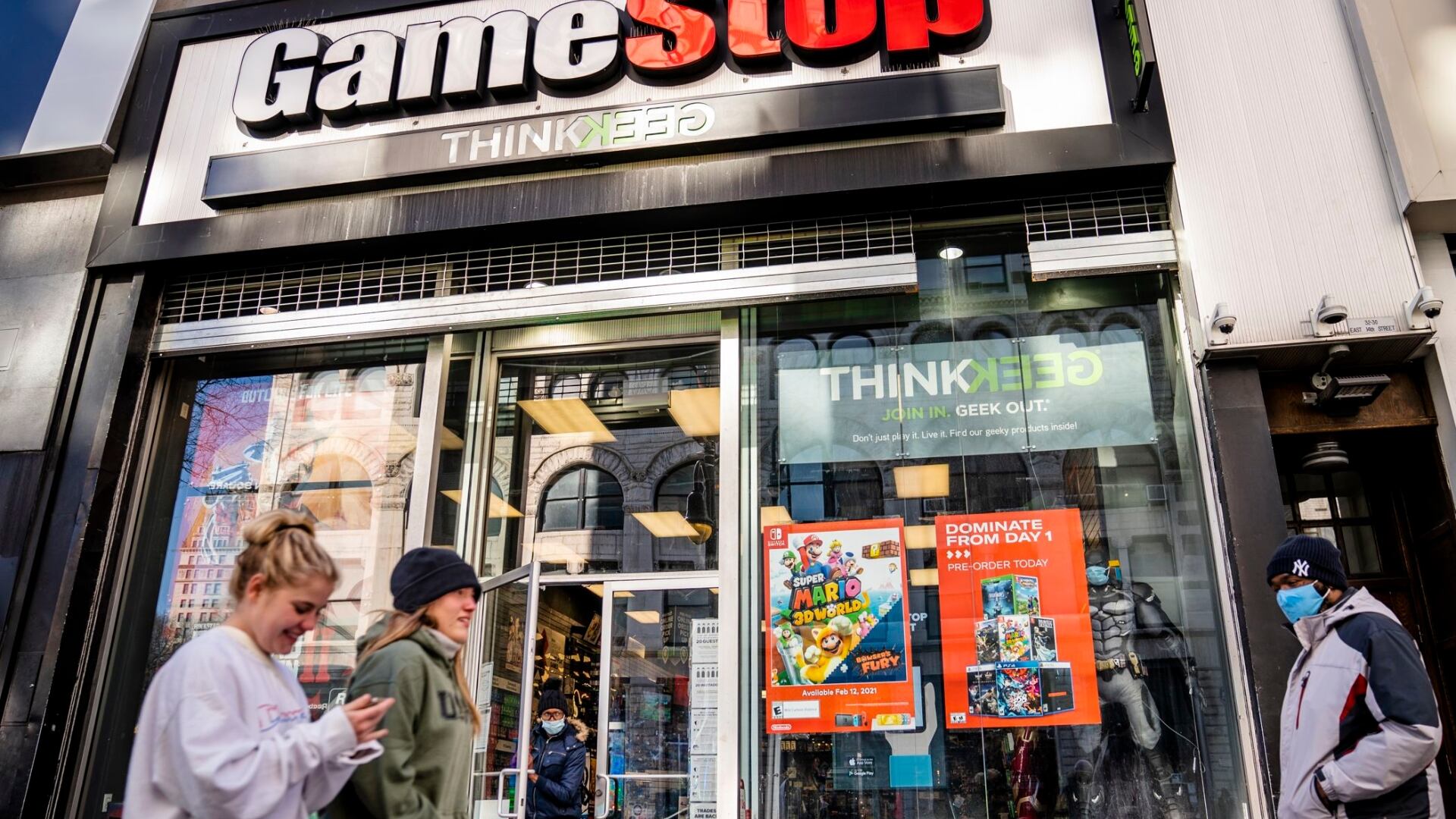
With Gamestop and other meme stocks back on the rise, it brings to mind some similarities between 2021 and 2024 economically… and that’s not necessarily good.