Supreme Court's E-Commerce Ruling Could Help Amazon
Shares of online retailers Wayfair, Overstock, eBay, and Etsy all tumbled Thursday after a landmark decision by the Supreme Court took away one of the key advantages some e-commerce companies had over traditional retailers.
And one of the biggest winners from that ruling, maybe ironically, could be Amazon, said Tom Forte, managing director at research firm D.A. Davidson.
"This now gives Amazon\[, which already collects sales tax,\] insurance against there not being a Jet.com-like start-up using the sales tax advantage against them," he said.
Up until the high court's ruling Thursday, retailers were not required to collect sales tax from consumers unless they had a physical presence in the shopper's state. The loophole sprang out of a 1992 ruling, well before the rise of digital commerce, which specifically applied to mail-order retailers.
That decision did allow for the then-nascent e-commerce industry to grow in the early days of the internet, but Justice Anthony Kennedy wrote in the majority opinion that it was now outdated.
Subjecting all online retailers to the same rules as brick-and-mortar, though, may not ultimately help the mom-and-pop shops that have struggled most in the shift to online, Forte said, "unless they're a mom-and-pop focused on big ticket items."
"If you could buy a computer at Circuit City for $1,000 and on Amazon for $1,000 and not pay sales tax, it gave you an incentive to buy on Amazon."
For the full interview, [click here](https://cheddar.com/videos/supreme-court-gives-states-a-win-against-e-commerce).
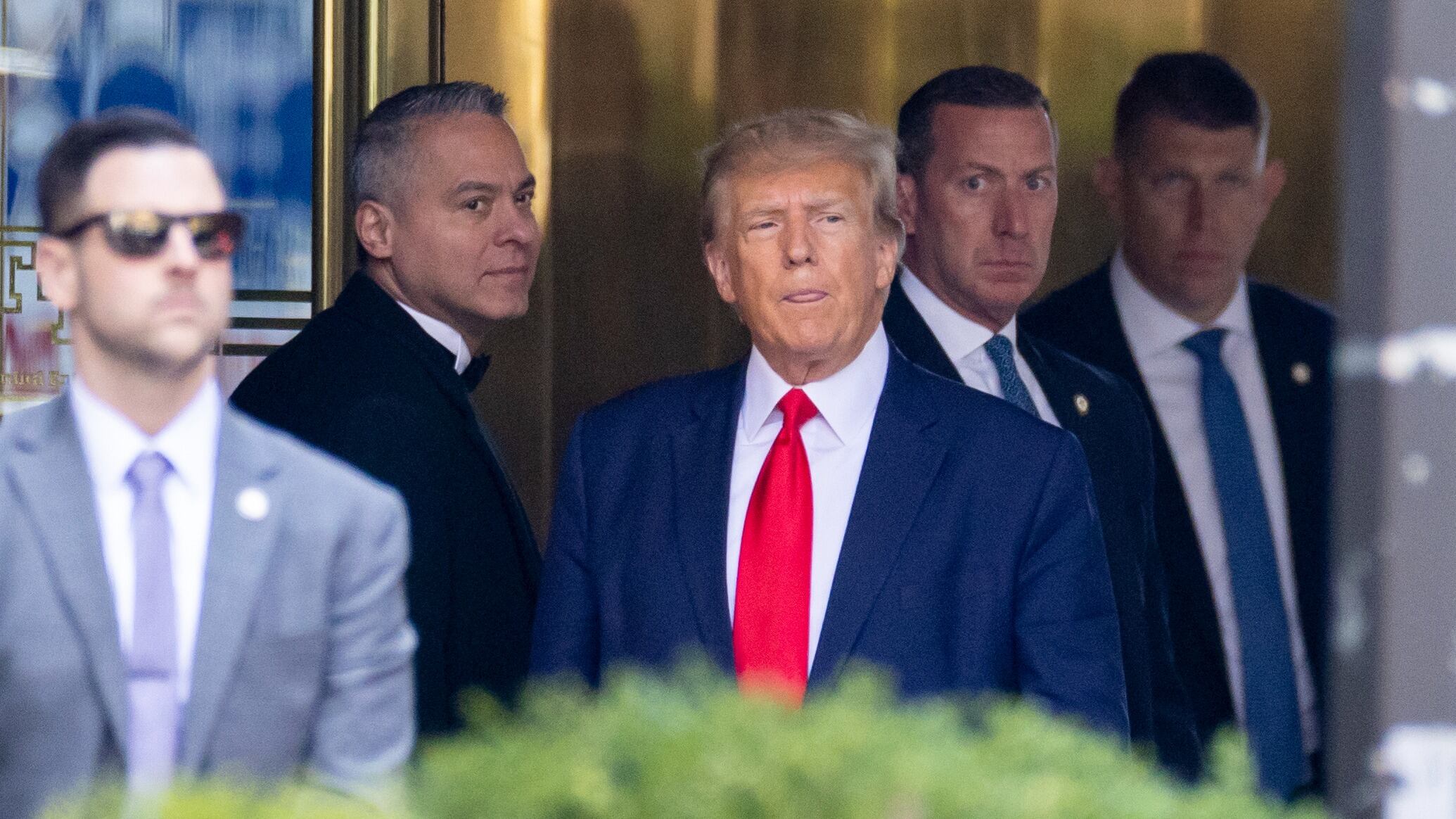
Former President Donald Trump answered questions for nearly seven hours Thursday during his second deposition in a legal battle with New York's attorney general over his company's business practices, reversing an earlier decision to invoke his Fifth Amendment protection against self-incrimination and remain silent.
Republican Gov. Ron DeSantis has signed into law a bill approved by the Republican-dominated Florida Legislature to ban abortions after six weeks of pregnancy.
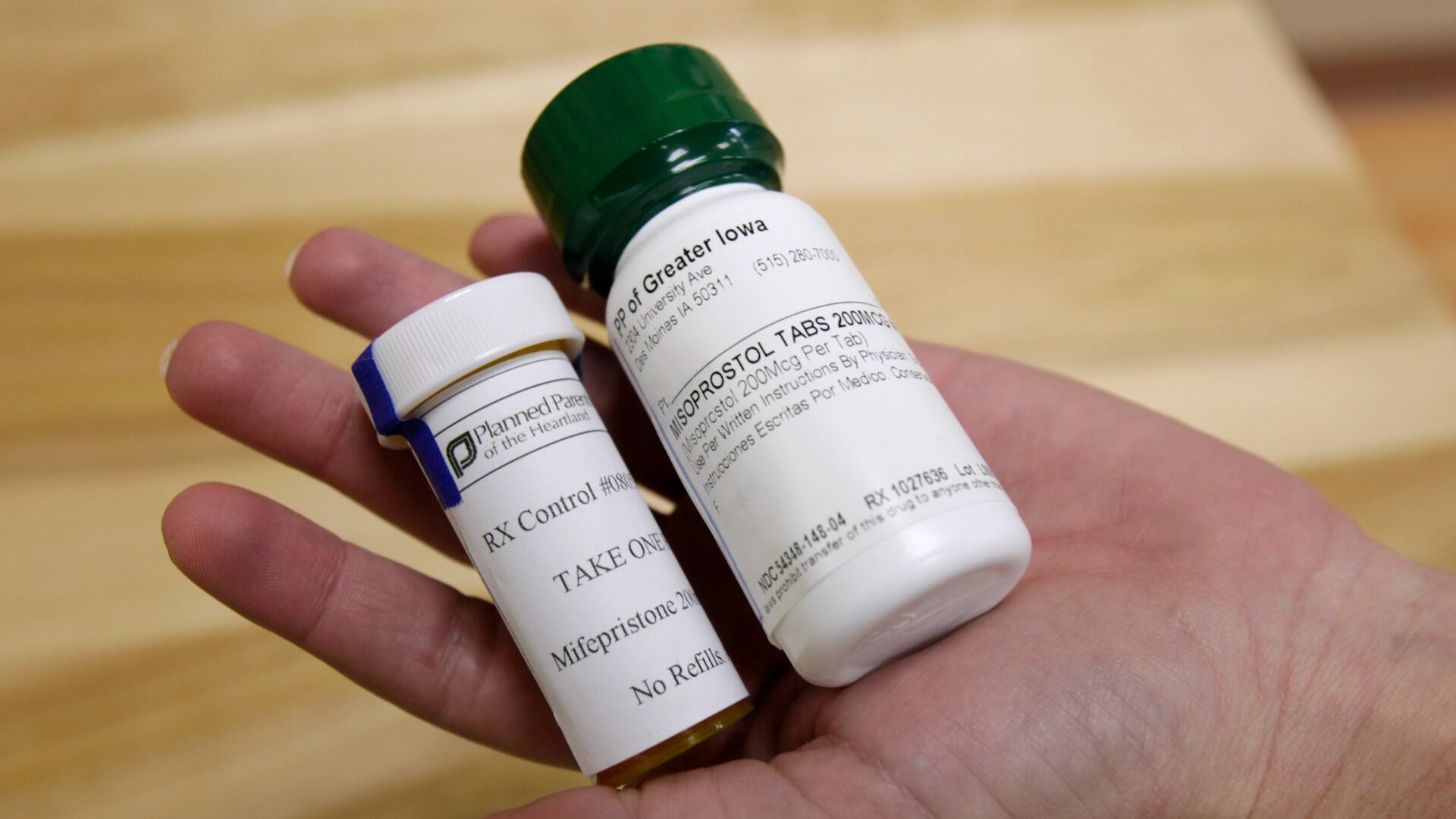
A federal appeals court has ruled that the abortion pill mifepristone can still be used for now but reduced the period of pregnancy when the drug can be taken and said it could not be dispensed by mail.
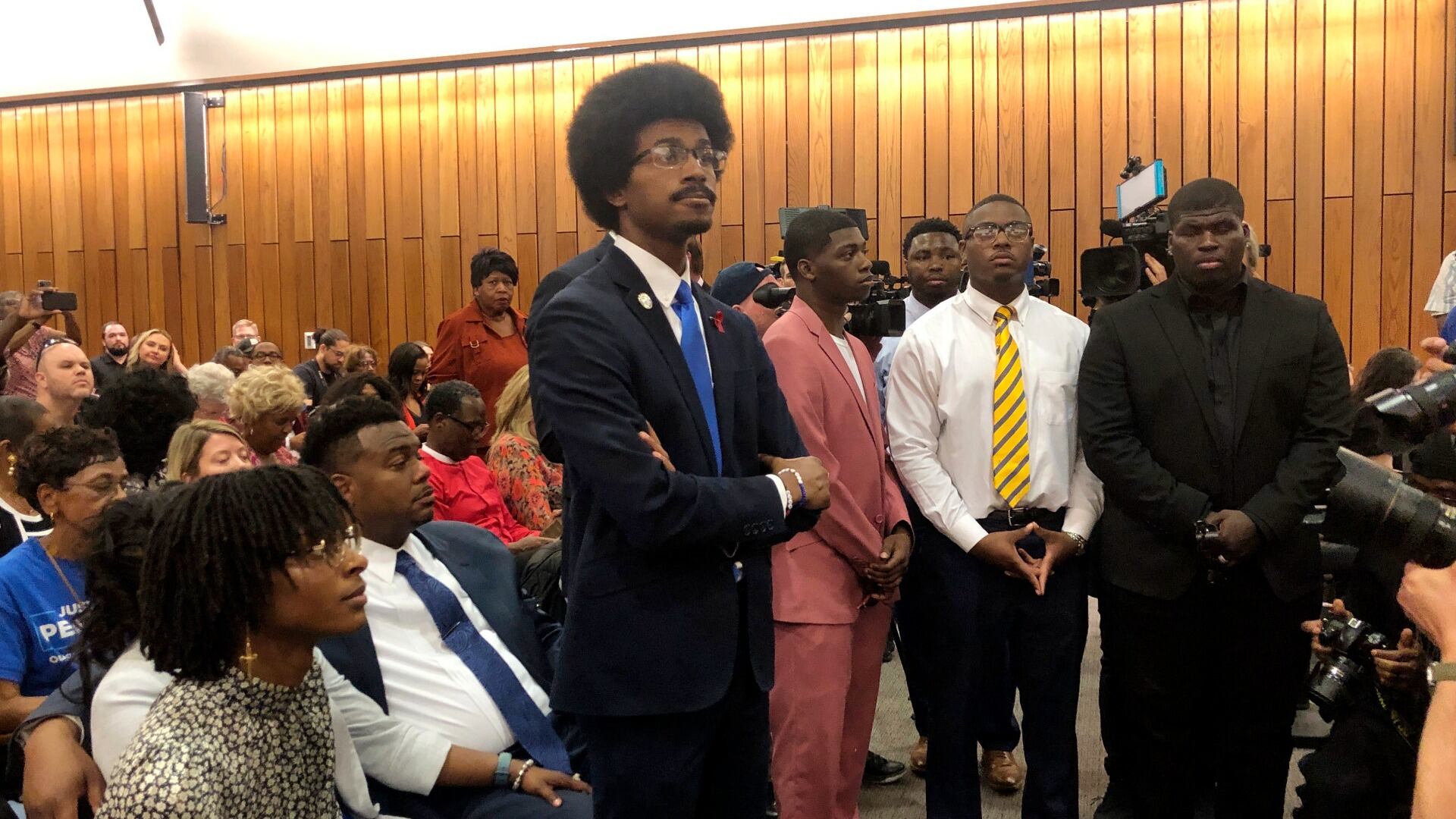
The second of two Black Democrats expelled from the Republican-led Tennessee House will return to the Legislature after a Memphis commission voted to reinstate him Wednesday.
Some abortion clinics are fielding lots of calls from patients since a court ruling last Friday threatened the availability of a main drug used in medication abortion, mifepristone.
The Biden administration released an environmental analysis Tuesday that outlined two ways that seven Western states and tribes reliant on the over-tapped Colorado River could cut their use, but declined to publicly take a side on the best option.