Shares of online retailers Wayfair, Overstock, eBay, and Etsy all tumbled Thursday after a landmark decision by the Supreme Court took away one of the key advantages some e-commerce companies had over traditional retailers.
And one of the biggest winners from that ruling, maybe ironically, could be Amazon, said Tom Forte, managing director at research firm D.A. Davidson.
"This now gives Amazon\[, which already collects sales tax,\] insurance against there not being a Jet.com-like start-up using the sales tax advantage against them," he said.
Up until the high court's ruling Thursday, retailers were not required to collect sales tax from consumers unless they had a physical presence in the shopper's state. The loophole sprang out of a 1992 ruling, well before the rise of digital commerce, which specifically applied to mail-order retailers.
That decision did allow for the then-nascent e-commerce industry to grow in the early days of the internet, but Justice Anthony Kennedy wrote in the majority opinion that it was now outdated.
Subjecting all online retailers to the same rules as brick-and-mortar, though, may not ultimately help the mom-and-pop shops that have struggled most in the shift to online, Forte said, "unless they're a mom-and-pop focused on big ticket items."
"If you could buy a computer at Circuit City for $1,000 and on Amazon for $1,000 and not pay sales tax, it gave you an incentive to buy on Amazon."
For the full interview, [click here](https://cheddar.com/videos/supreme-court-gives-states-a-win-against-e-commerce).
The U.S. Department of Agriculture announced a nearly $11 billion investment on Tuesday to help bring affordable clean energy to rural communities throughout the country.
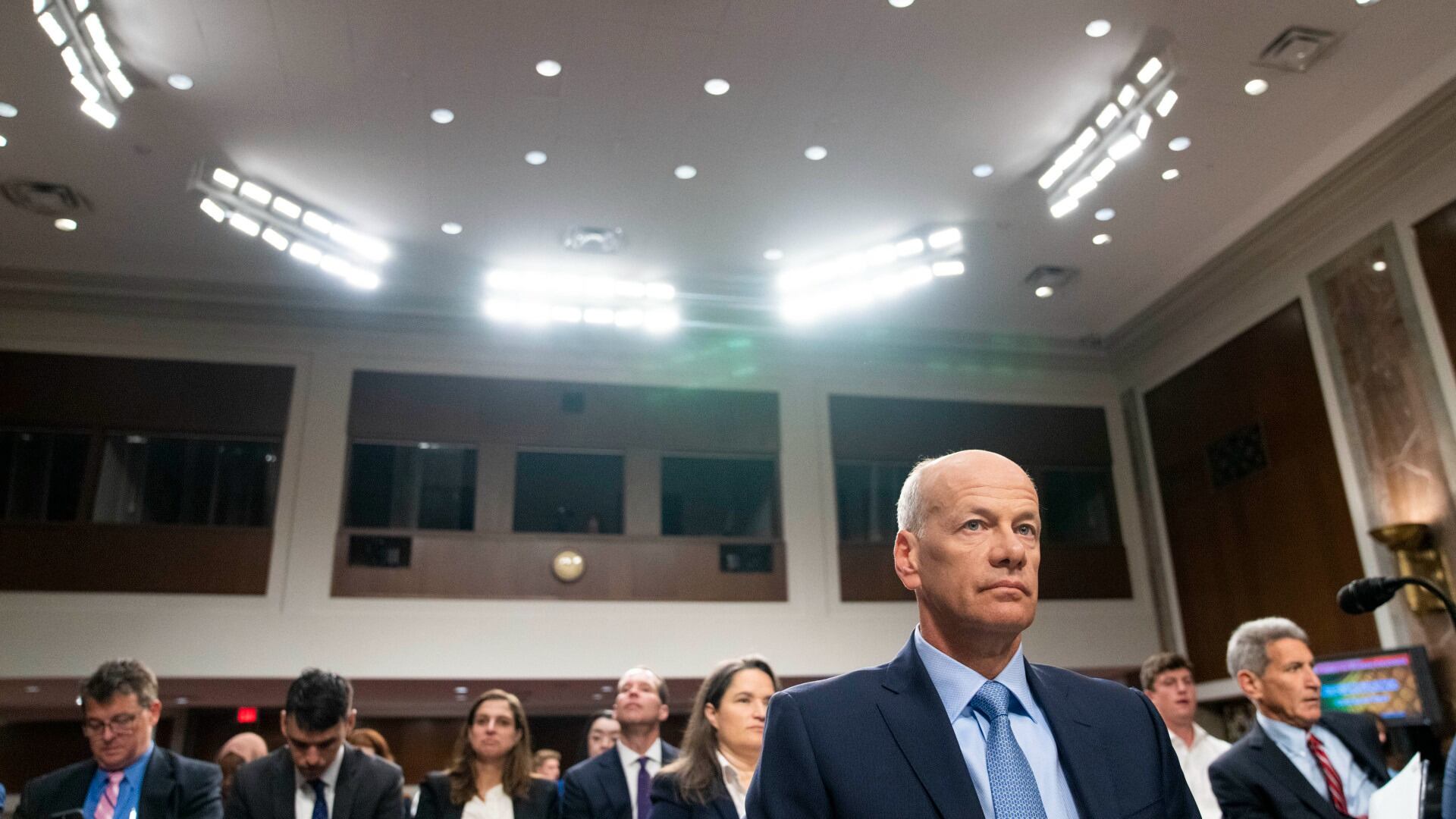
Top executives at Silicon Valley Bank and Signature Bank largely avoided taking responsibility for their banks’ dramatic failures at a Senate hearing Tuesday.
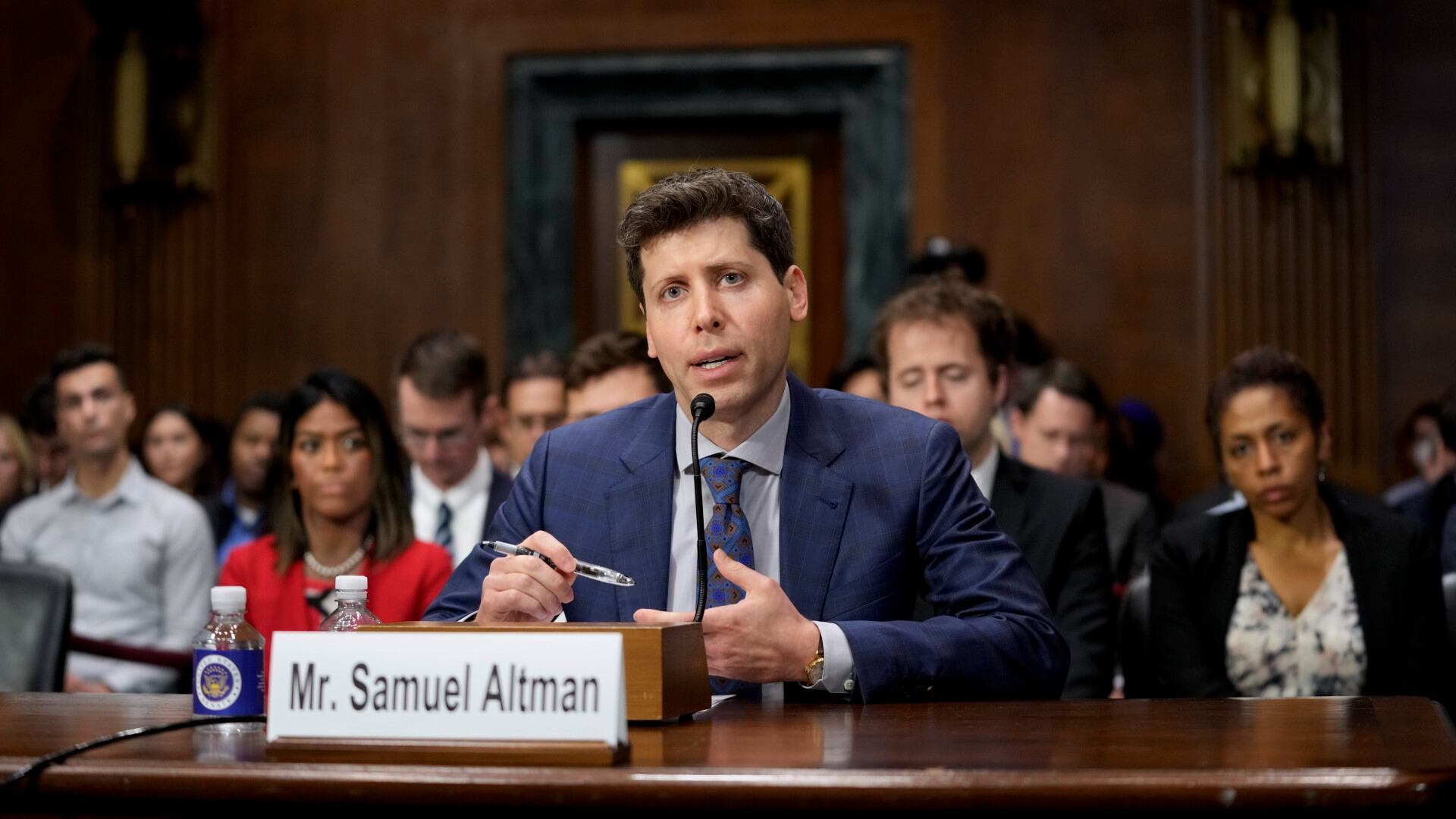
The head of the artificial intelligence company that makes ChatGPT will testify before Congress as lawmakers call for new rules to guide the rapid development of AI technology.
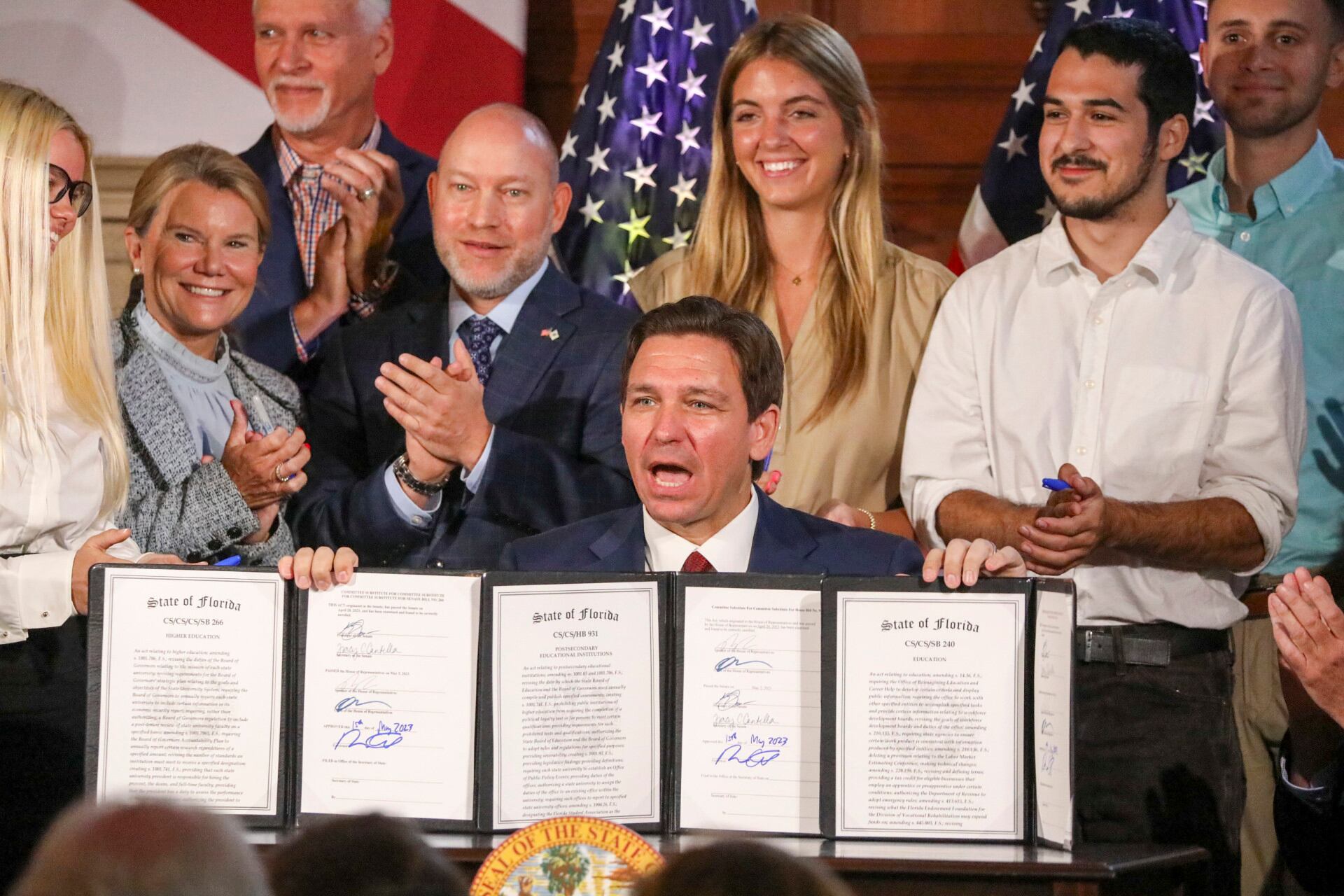
Florida Gov. Ron DeSantis on Monday signed a bill that blocks public colleges from using federal or state funding on diversity programs, addressing a concern of conservatives ahead of the Republican governor's expected presidential candidacy.
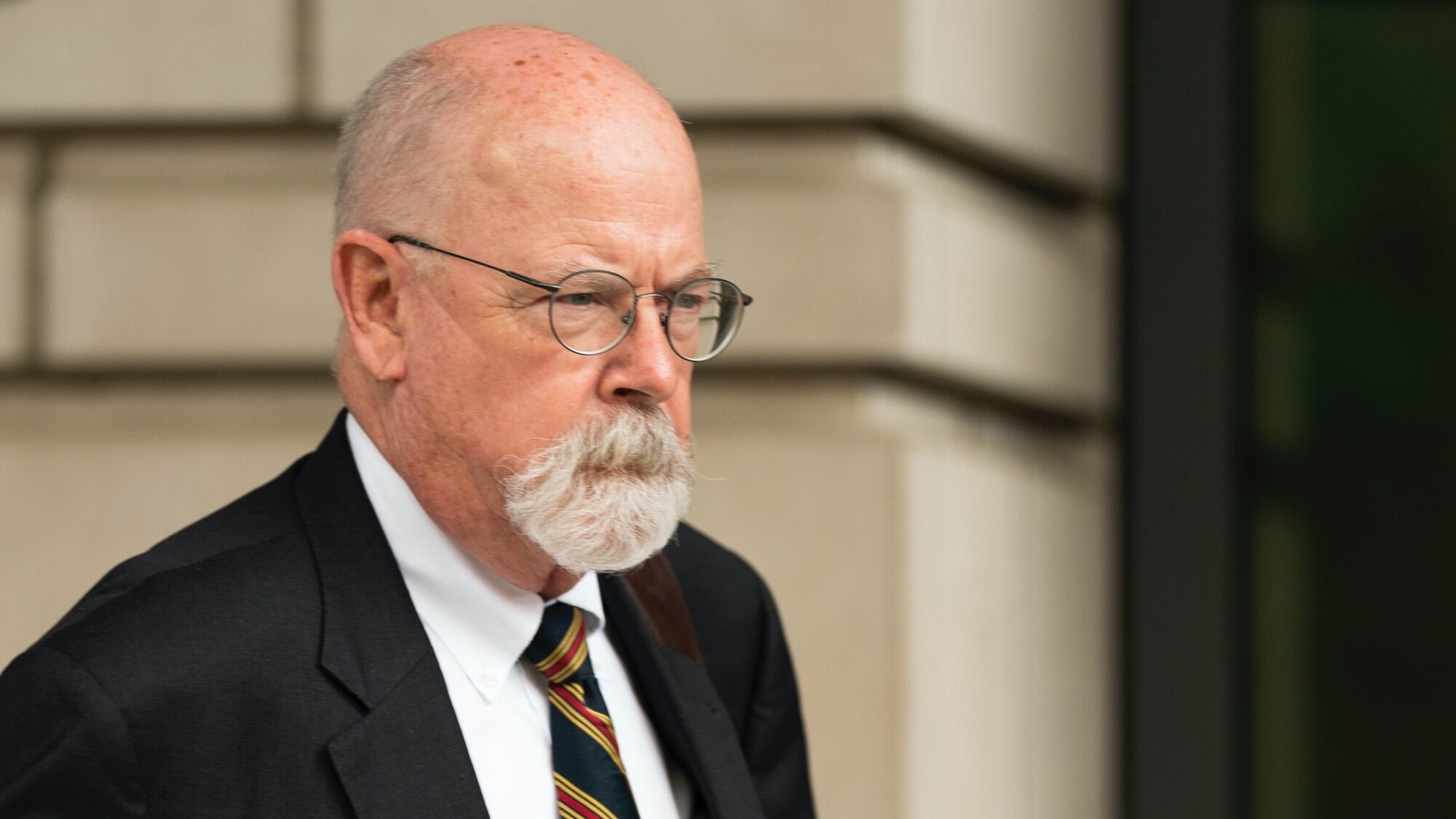
A special prosecutor found that the FBI rushed into its investigation of ties between Russia and Donald Trump's 2016 campaign and relied too much on raw and unconfirmed intelligence as he concluded a four-year probe that fell far short of the former president's prediction that the “crime of the century" would be uncovered.
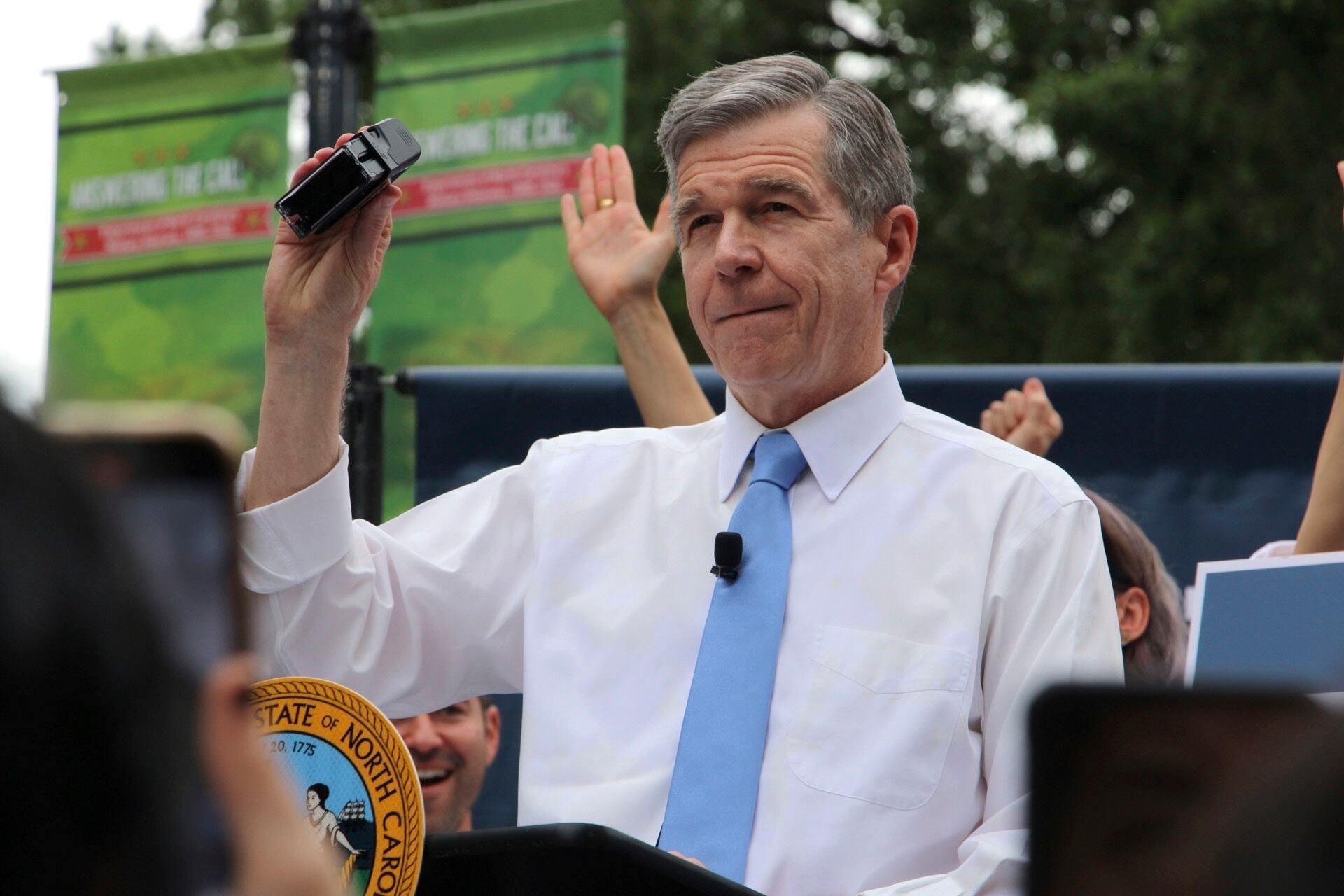
North Carolina Gov. Roy Cooper vetoed a bill passed by state lawmakers that would ban most abortions after 12 weeks.
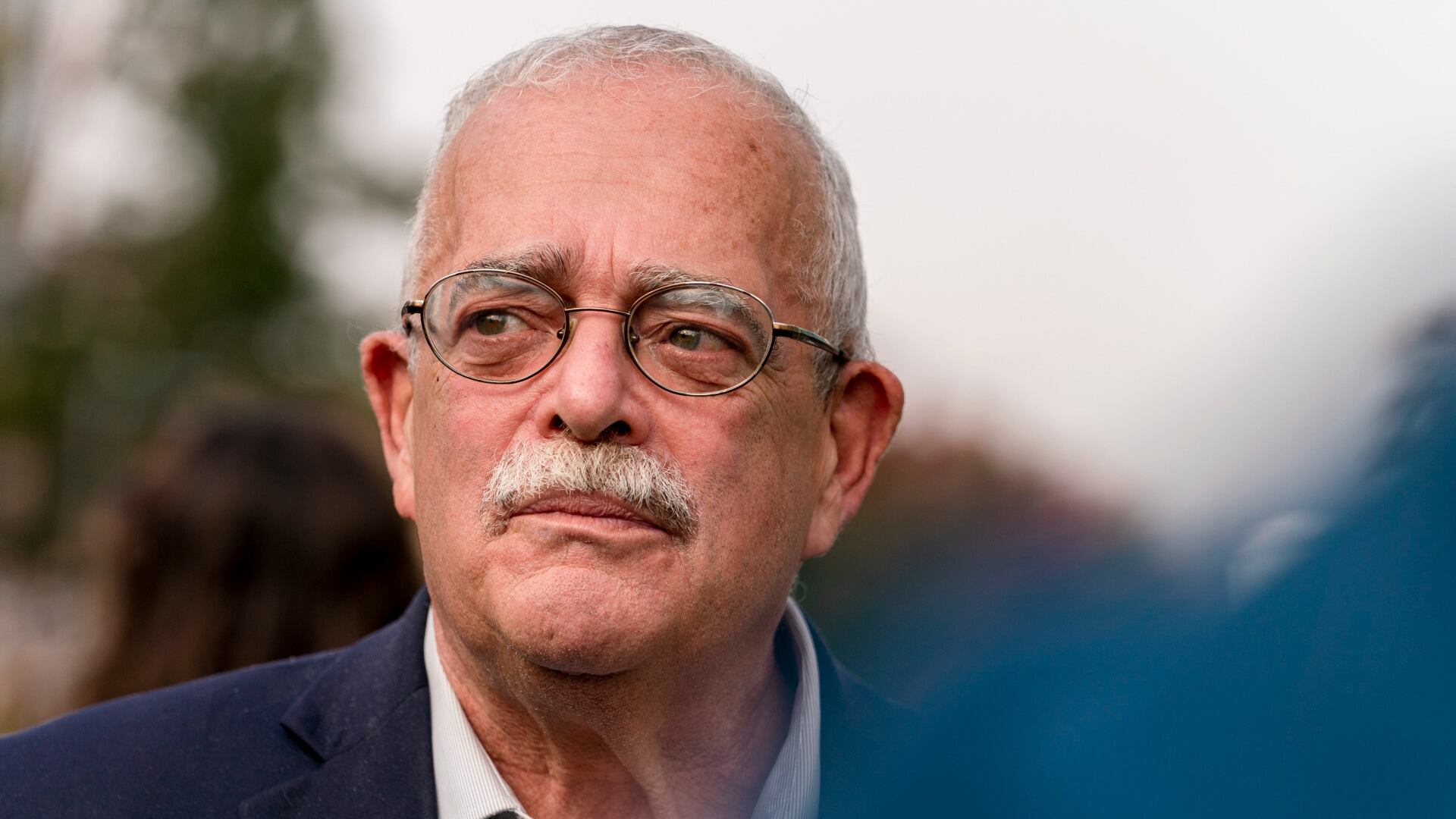
U.S. Rep. Gerry Connolly of Virginia says a man with a baseball bat walked into his Fairfax office, asked for him, and then assaulted two members of his staff.
Thanks to recent advances in artificial intelligence, tools that can create lifelike photos, video and audio are now cheap and readily available.
In front of an exuberant crowd, North Carolina’s Democratic governor vetoed legislation Saturday that would have banned nearly all abortions in his state after 12 weeks of pregnancy.
Turkey’s presidential elections appeared to be heading toward a second-round runoff on Monday, with President Recep Tayyip Erdogan, who has ruled his country with a firm grip for 20 years, leading over his chief challenger, but falling short of the votes needed for an outright win.