Shares of online retailers Wayfair, Overstock, eBay, and Etsy all tumbled Thursday after a landmark decision by the Supreme Court took away one of the key advantages some e-commerce companies had over traditional retailers.
And one of the biggest winners from that ruling, maybe ironically, could be Amazon, said Tom Forte, managing director at research firm D.A. Davidson.
"This now gives Amazon\[, which already collects sales tax,\] insurance against there not being a Jet.com-like start-up using the sales tax advantage against them," he said.
Up until the high court's ruling Thursday, retailers were not required to collect sales tax from consumers unless they had a physical presence in the shopper's state. The loophole sprang out of a 1992 ruling, well before the rise of digital commerce, which specifically applied to mail-order retailers.
That decision did allow for the then-nascent e-commerce industry to grow in the early days of the internet, but Justice Anthony Kennedy wrote in the majority opinion that it was now outdated.
Subjecting all online retailers to the same rules as brick-and-mortar, though, may not ultimately help the mom-and-pop shops that have struggled most in the shift to online, Forte said, "unless they're a mom-and-pop focused on big ticket items."
"If you could buy a computer at Circuit City for $1,000 and on Amazon for $1,000 and not pay sales tax, it gave you an incentive to buy on Amazon."
For the full interview, [click here](https://cheddar.com/videos/supreme-court-gives-states-a-win-against-e-commerce).
The Department of Justice has informed former Vice President Mike Pence 's legal team that it will not pursue criminal charges related to the discovery of classified documents at his Indiana home.
Fending off a U.S. default, the Senate gave final approval late Thursday to a debt ceiling and budget cuts package, grinding into the night to wrap up work on the bipartisan deal and send it to President Joe Biden's desk to become law before the fast-approaching deadline.
He wasn't hurt and later joked that he "got sandbagged."
Canada will soon become the first country in the world where warning labels must appear on individual cigarettes.
Vice President Kamala Harris said Thursday that federal agencies are taking new steps to stop racial discrimination in appraising home values by proposing a rule intended to ensure that the automated formulas used to price housing are fair.
Centrist Democrats and Republicans pushed it to approval over blowback from conservatives and some progressives. The Senate is expected to act quickly by the end of the week.
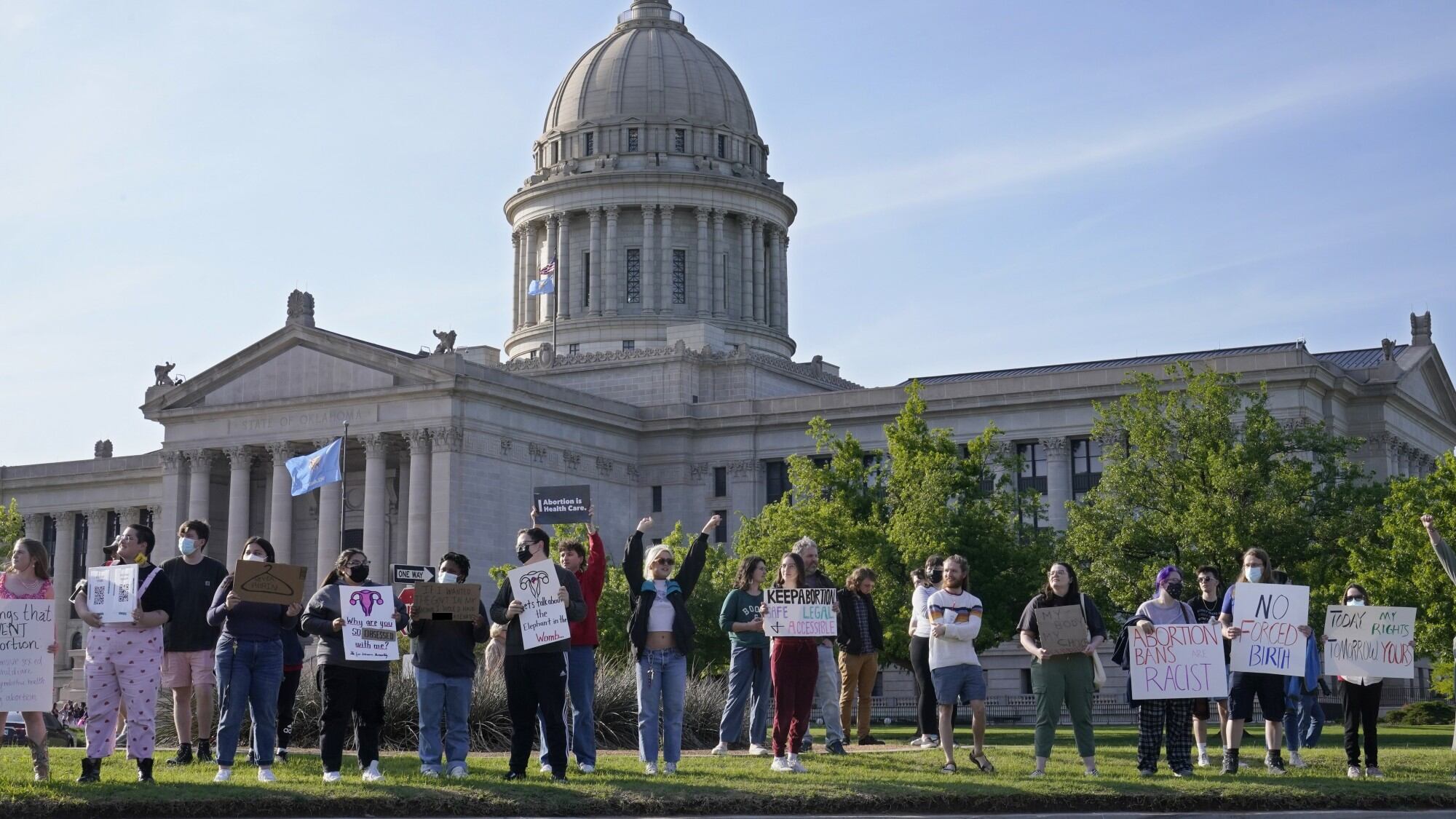
The Oklahoma Supreme Court ruled on Wednesday that two state laws banning abortion are unconstitutional, but the procedure remains illegal in the state in nearly all cases except life-threatening situations.
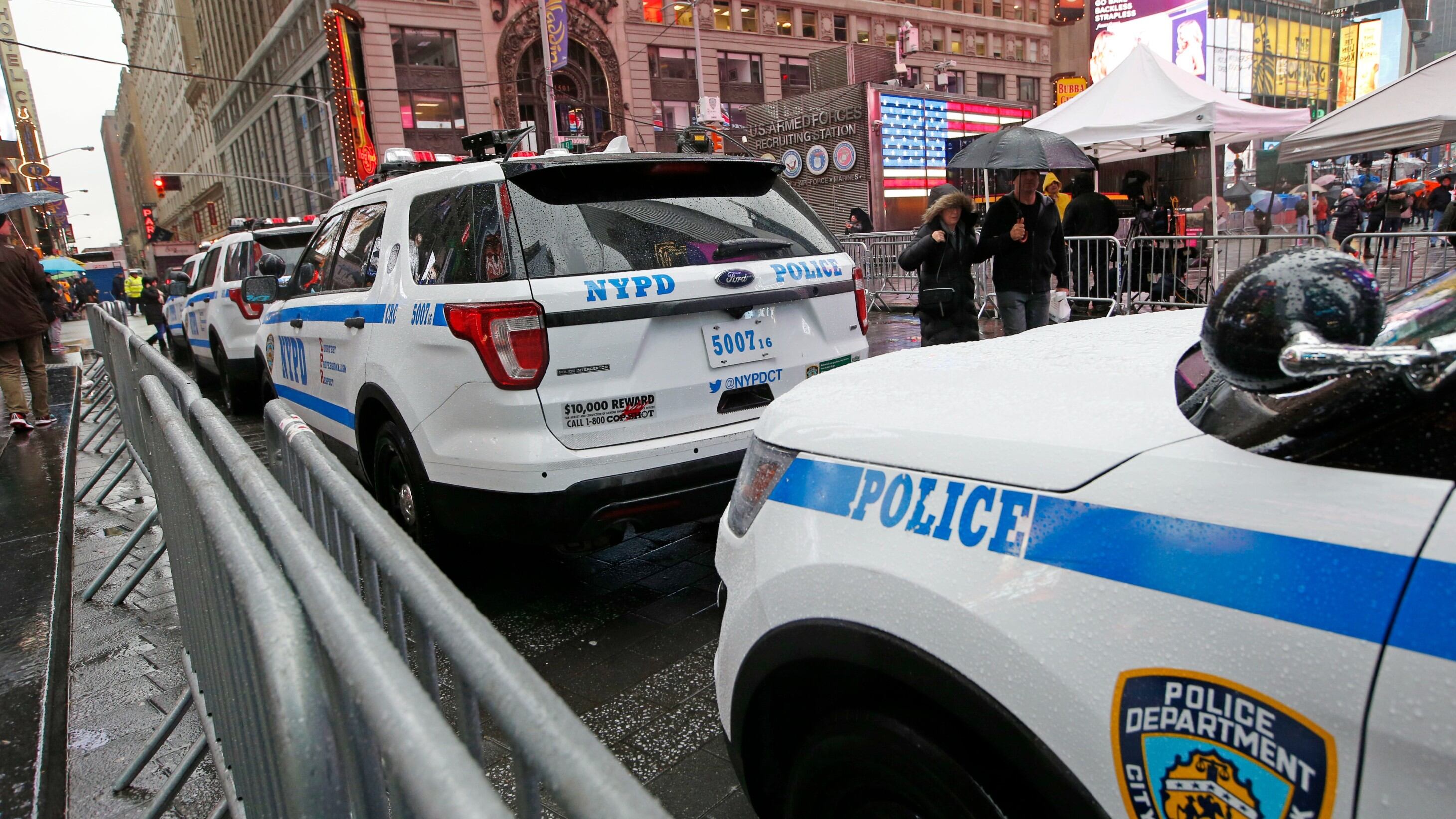
A New York City police officer is speaking out against the use of “courtesy cards” by friends and relatives of his colleagues on the force, accusing department leaders of maintaining a sprawling system of impunity that lets people with a connection to law enforcement avoid traffic tickets.
A Pennsylvania restaurant owner who screamed death threats directed at then-House Speaker Nancy Pelosi while storming the U.S. Capitol was sentenced on Tuesday to more than two years in prison.
Hard-fought to the end, the debt ceiling and budget cuts package is heading toward a crucial U.S. House vote as President Joe Biden and Speaker Kevin McCarthy assemble a coalition of centrist Democrats and Republicans to push it to passage over fierce blowback from conservatives and some progressive dissent.