Shares of online retailers Wayfair, Overstock, eBay, and Etsy all tumbled Thursday after a landmark decision by the Supreme Court took away one of the key advantages some e-commerce companies had over traditional retailers.
And one of the biggest winners from that ruling, maybe ironically, could be Amazon, said Tom Forte, managing director at research firm D.A. Davidson.
"This now gives Amazon\[, which already collects sales tax,\] insurance against there not being a Jet.com-like start-up using the sales tax advantage against them," he said.
Up until the high court's ruling Thursday, retailers were not required to collect sales tax from consumers unless they had a physical presence in the shopper's state. The loophole sprang out of a 1992 ruling, well before the rise of digital commerce, which specifically applied to mail-order retailers.
That decision did allow for the then-nascent e-commerce industry to grow in the early days of the internet, but Justice Anthony Kennedy wrote in the majority opinion that it was now outdated.
Subjecting all online retailers to the same rules as brick-and-mortar, though, may not ultimately help the mom-and-pop shops that have struggled most in the shift to online, Forte said, "unless they're a mom-and-pop focused on big ticket items."
"If you could buy a computer at Circuit City for $1,000 and on Amazon for $1,000 and not pay sales tax, it gave you an incentive to buy on Amazon."
For the full interview, [click here](https://cheddar.com/videos/supreme-court-gives-states-a-win-against-e-commerce).
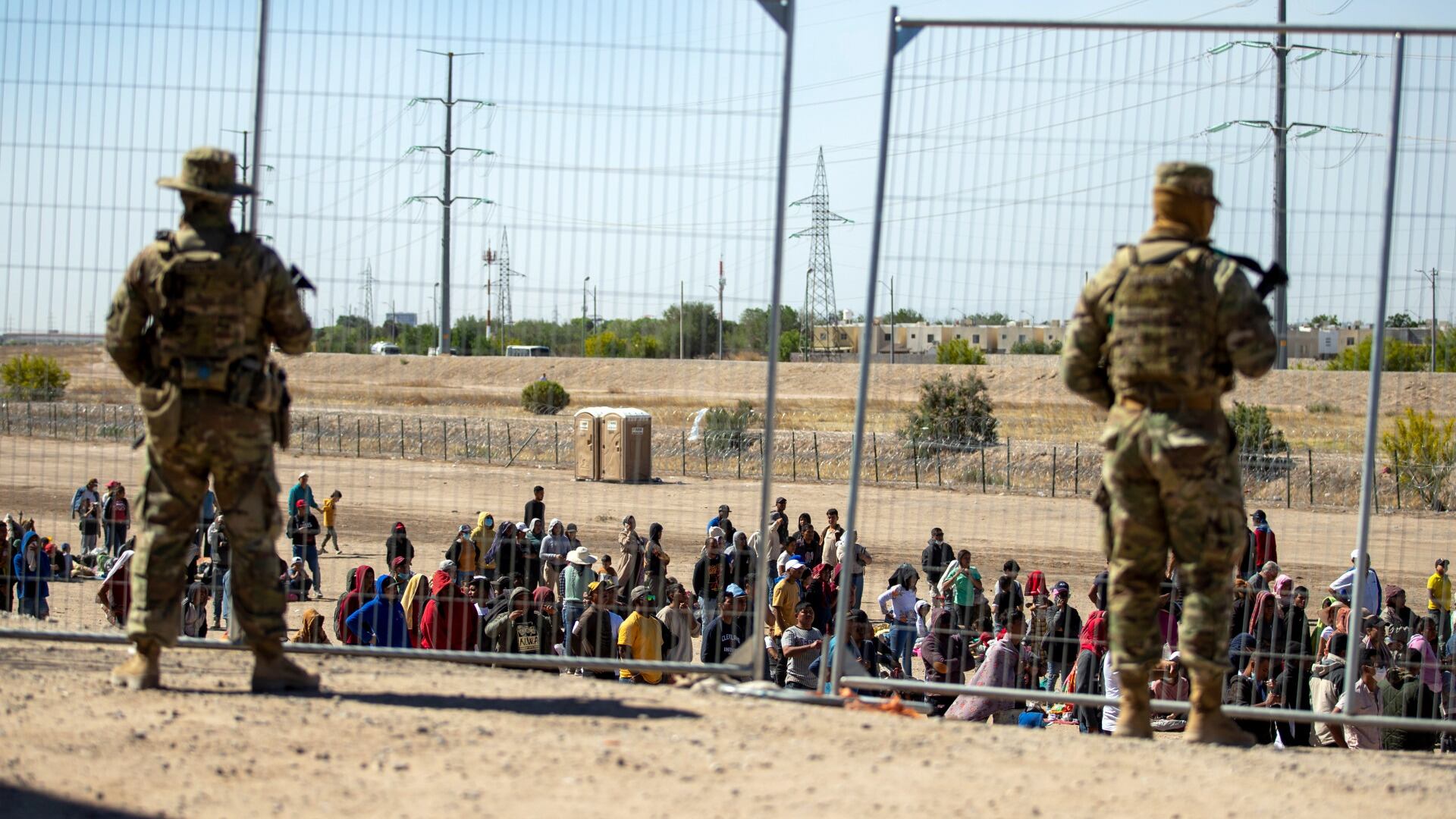
Border Patrol does not have protocols for assessing medical needs of children with preexisting conditions, according to an independent report made public Tuesday on the death of an 8-year-old girl from Panama who was in federal custody.
For the fourth time in a matter of weeks, a bus carrying migrants from Texas arrived in Los Angeles late Tuesday night.
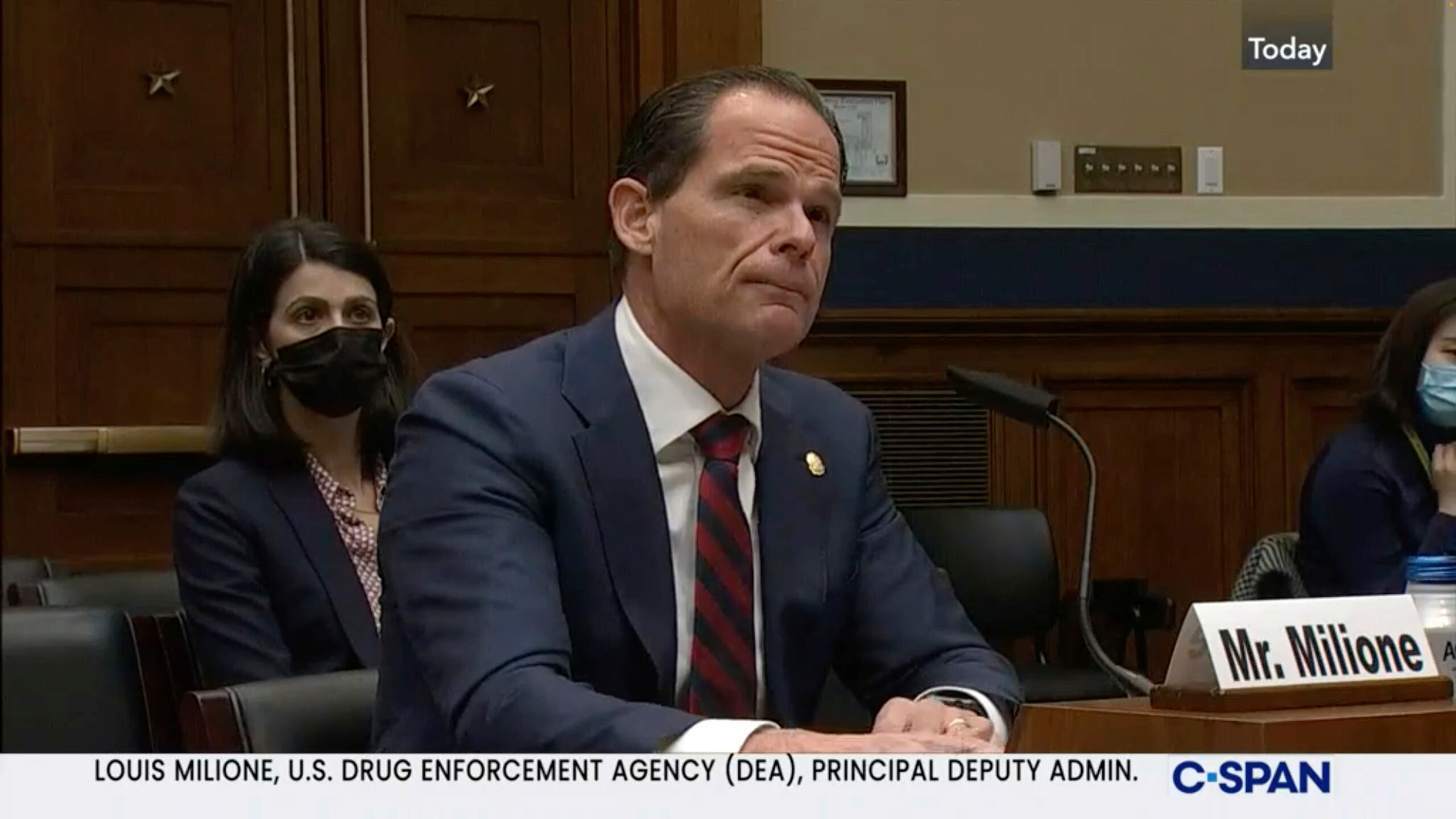
The U.S. Drug Enforcement Administration’s second-in-command has quietly stepped down amid reporting by The Associated Press that he once consulted for a pharmaceutical distributor sanctioned for a deluge of suspicious painkiller shipments and did similar work for the drugmaker that became the face of the opioid epidemic: Purdue Pharma.
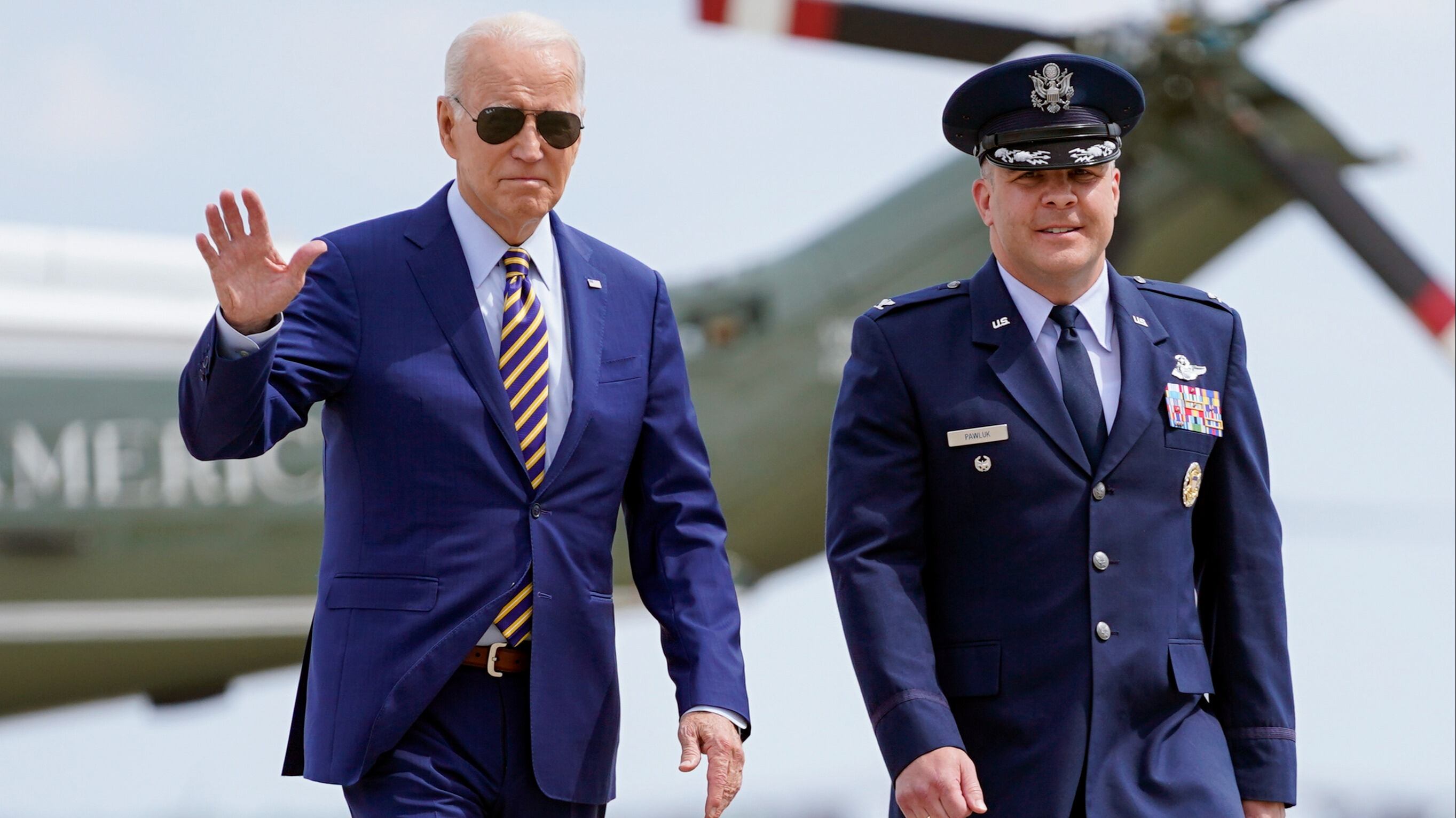
The Biden administration on Wednesday proposed new guidelines for corporate mergers, took steps to disclose the junk fees charged by landlords and launched a crackdown on price-gouging in the food industry.
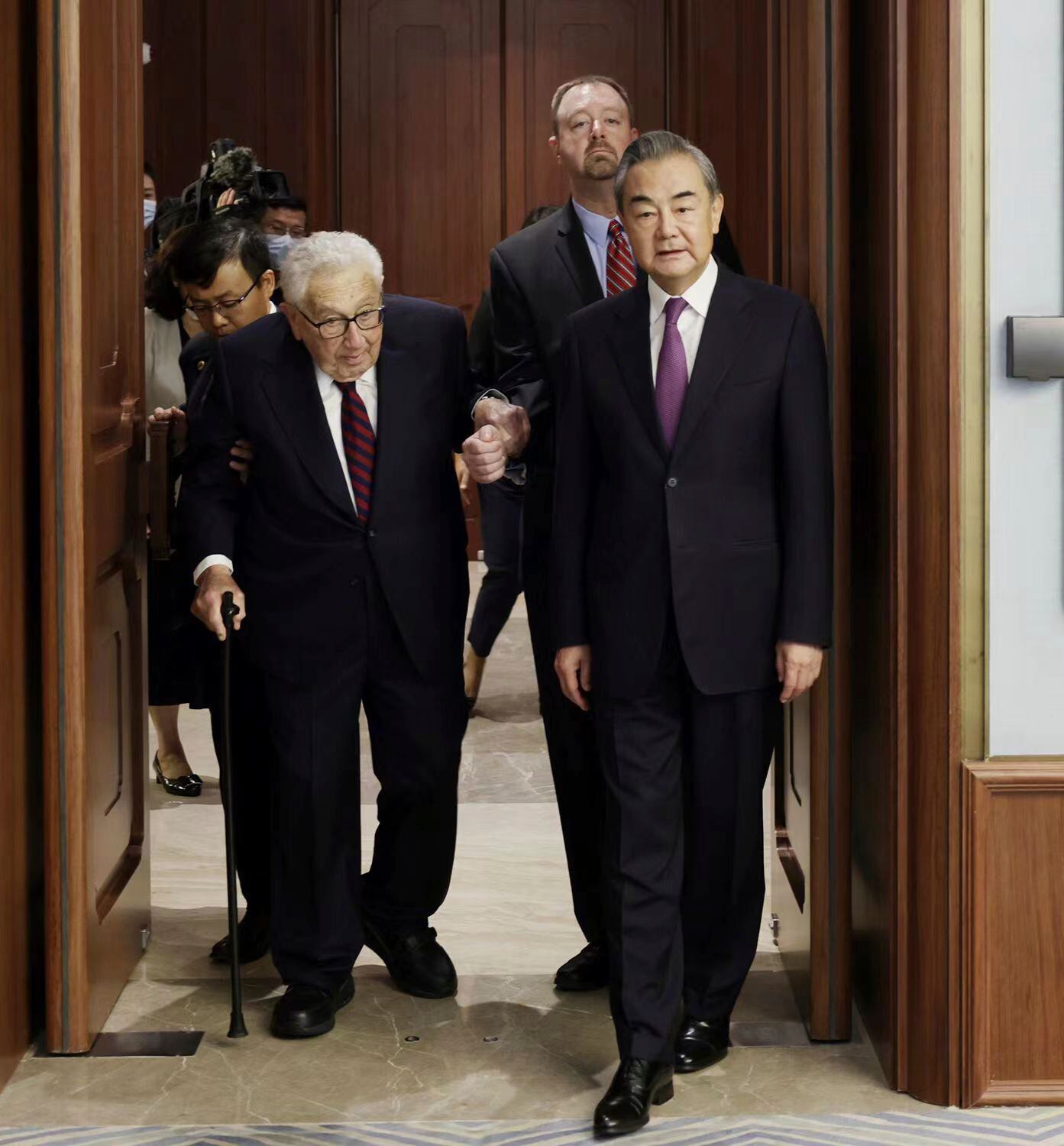
Former Secretary of State Henry Kissinger made a secret trip to China to meet with leaders.
Travis King, a private 2nd Class U.S. soldier, was identified as the individual that crossed the North and South Korean border earlier this week.
Several civil rights groups are suing Florida Gov. Ron DeSantis over his new immigration laws.
A judge in Iowa temporarily blocked the state's six-week abortion ban.
A U.S. national is being held in North Korea after crossing its closely-guarded border with South Korea.
The Biden administration and major consumer technology players on Tuesday launched an effort to put a nationwide cybersecurity certification and labeling program in place to help consumers choose smart devices that are less vulnerable to hacking.