By Mark Sherman
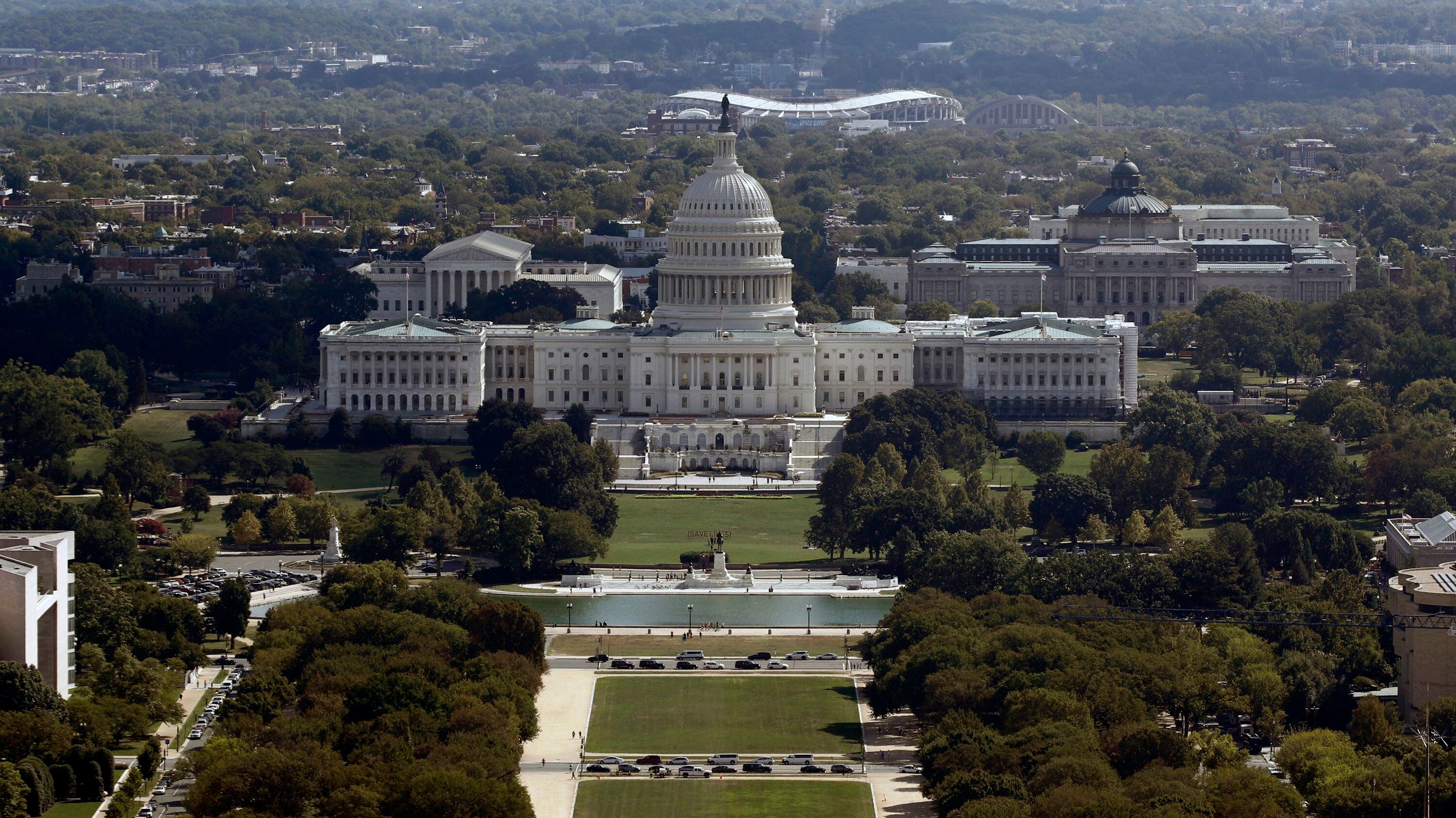
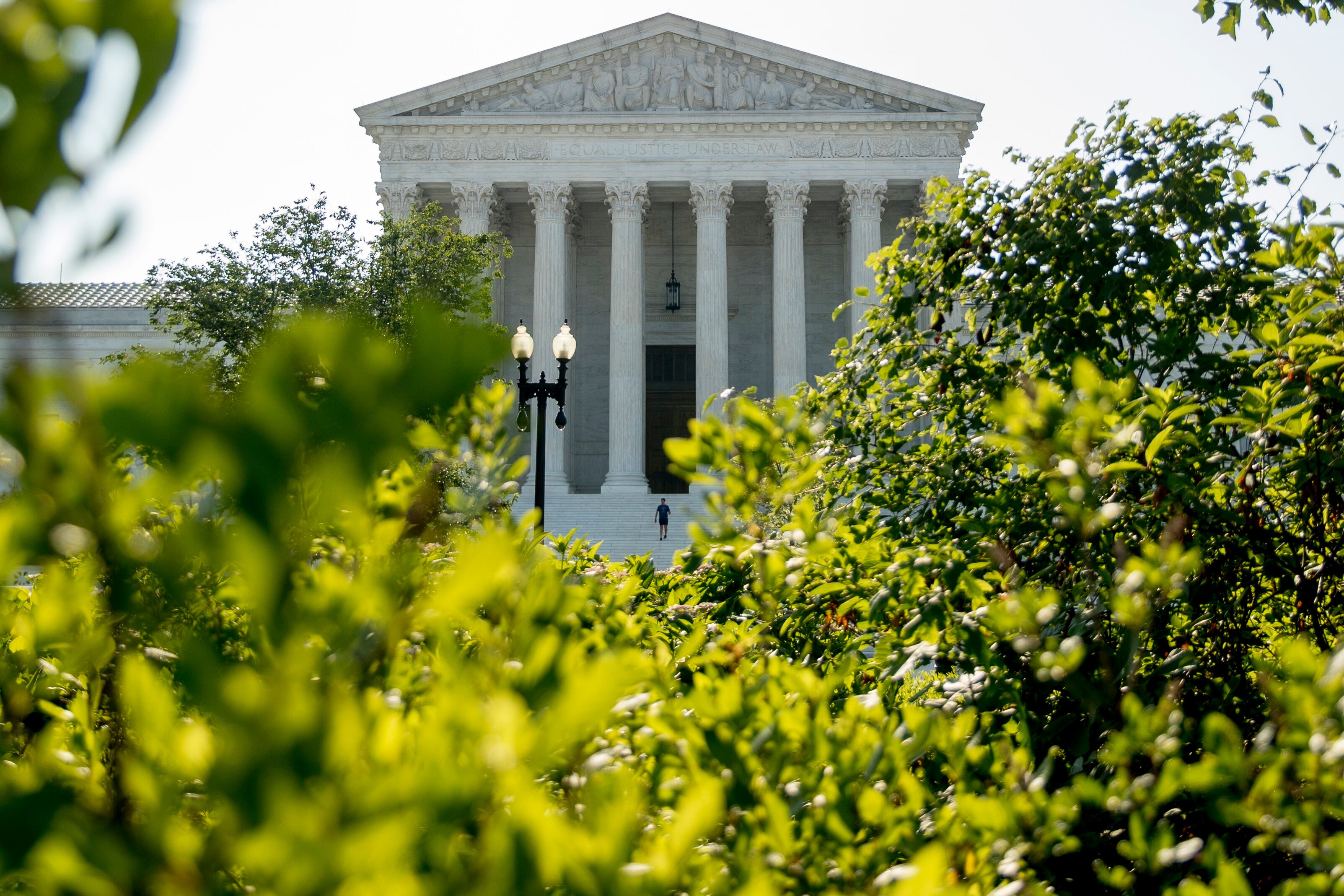
The Supreme Court announced Monday that it is postponing arguments for late March and early April because of the coronavirus, including fights over subpoenas for President Donald Trump’s financial records.
Other business will go on as planned, including the justices' private conference on Friday and the release of orders in a week's time. Some justices may participate by telephone, the court said in a statement.
Six of the nine justices are 65 and older, at higher risk of getting very sick from the illness, according to the Centers for Disease Control and Prevention. Justices Ruth Bader Ginsburg, 87, and Stephen Breyer, 81, are the oldest members of the court.
There is no new date set for the postponed arguments. the building has been closed to the public since last week.
The only other time the 85-year-old court building was closed for arguments was in October 2001, when anthrax was detected in the court mailroom. That led the justices to hold arguments in the federal courthouse about a half mile from the Supreme Court,
Within a week and after a thorough cleaning, the court reopened.
In 1918, when the court still met inside the Capitol, arguments were postponed for a month because of the flu pandemic. In the nation's early years, in August 1793 and August 1798, adjustments were made because of yellow fever outbreaks, the court said.
The federal government incurred the biggest monthly budget deficit in history in June as spending on programs to combat the coronavirus recession exploded while millions of job losses cut into tax revenues.
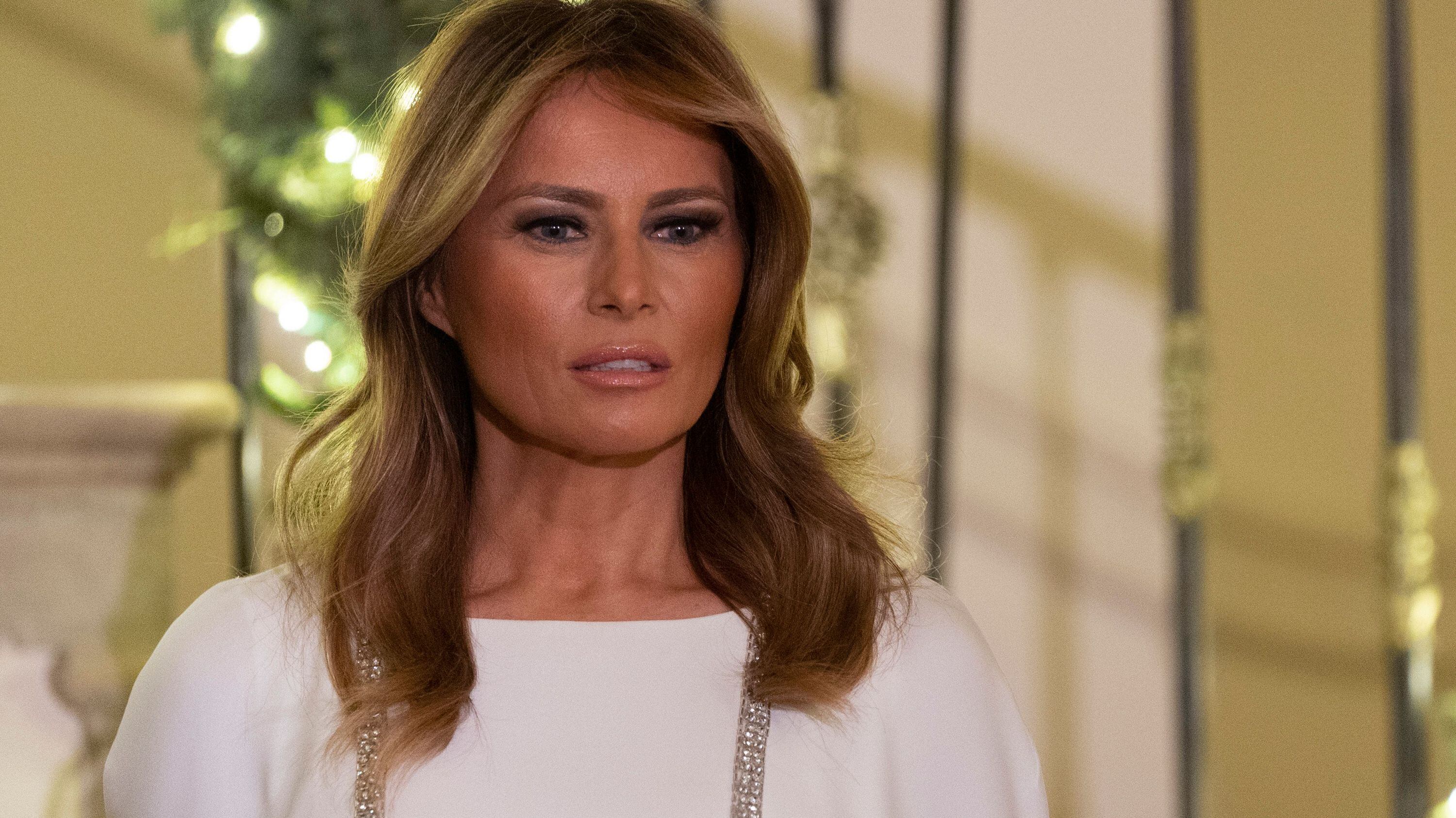
A spokeswoman says the first lady is focused on being a mother and a wife, and serving the country.
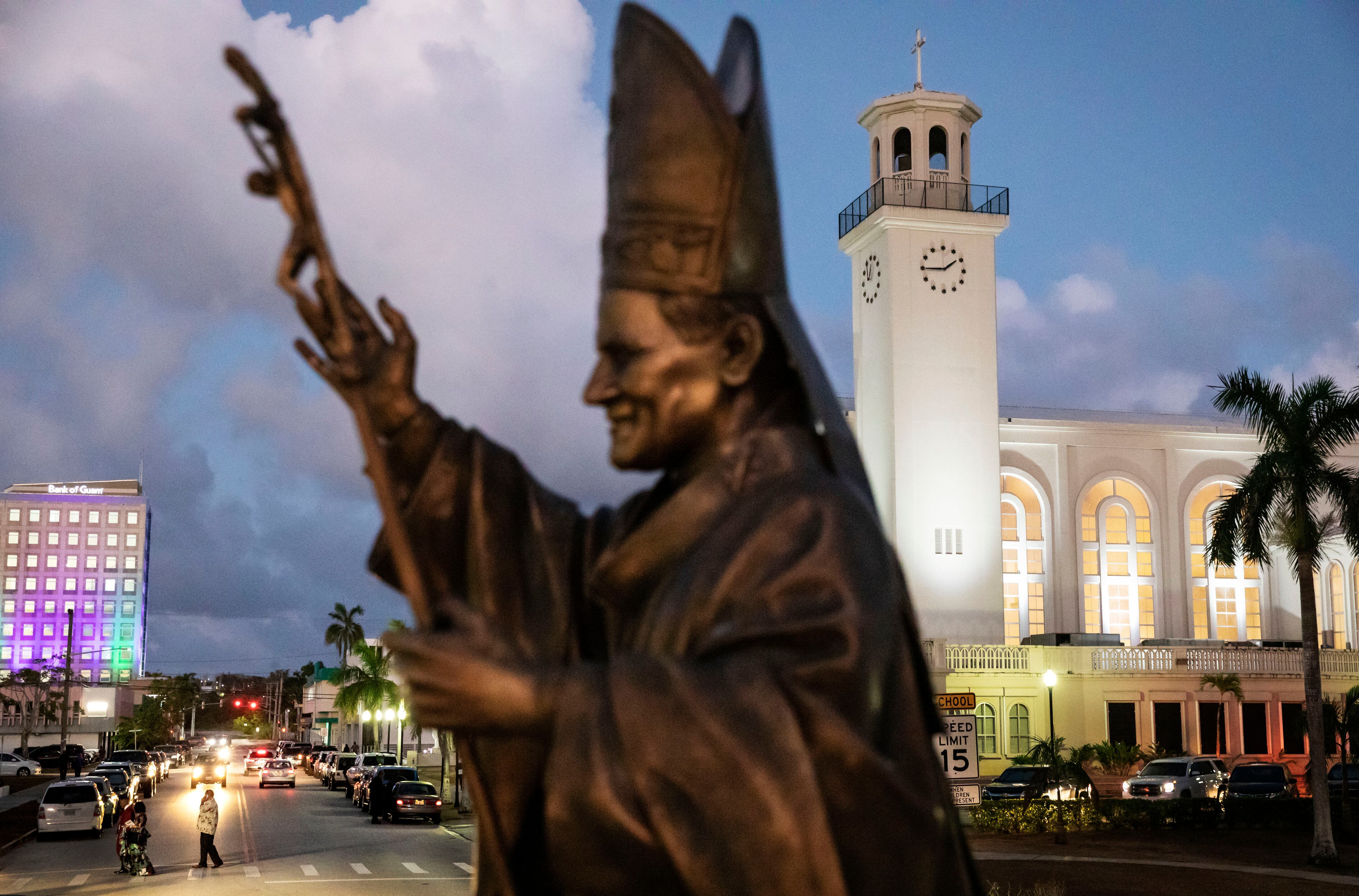
The U.S. Roman Catholic Church used a special and unprecedented exemption from federal rules to amass at least $1.4 billion in taxpayer-backed coronavirus aid, with many millions going to dioceses that have paid huge settlements or sought bankruptcy protection because of clergy sexual abuse cover-ups.
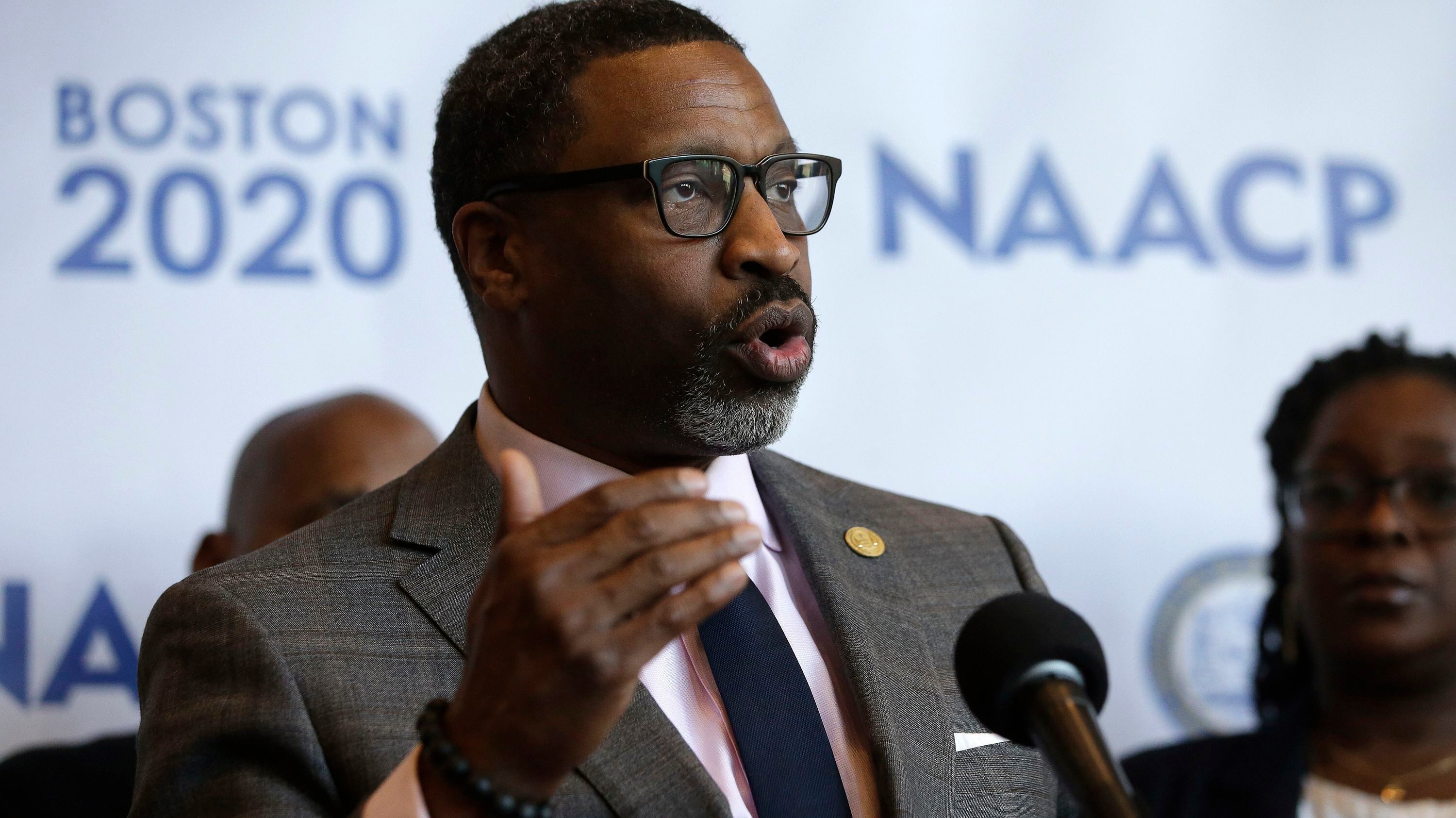
Derrick Johnson, president and CEO of the NAACP, talked about the discussions with Facebook's leadership surrounding hate speech and misinformation.
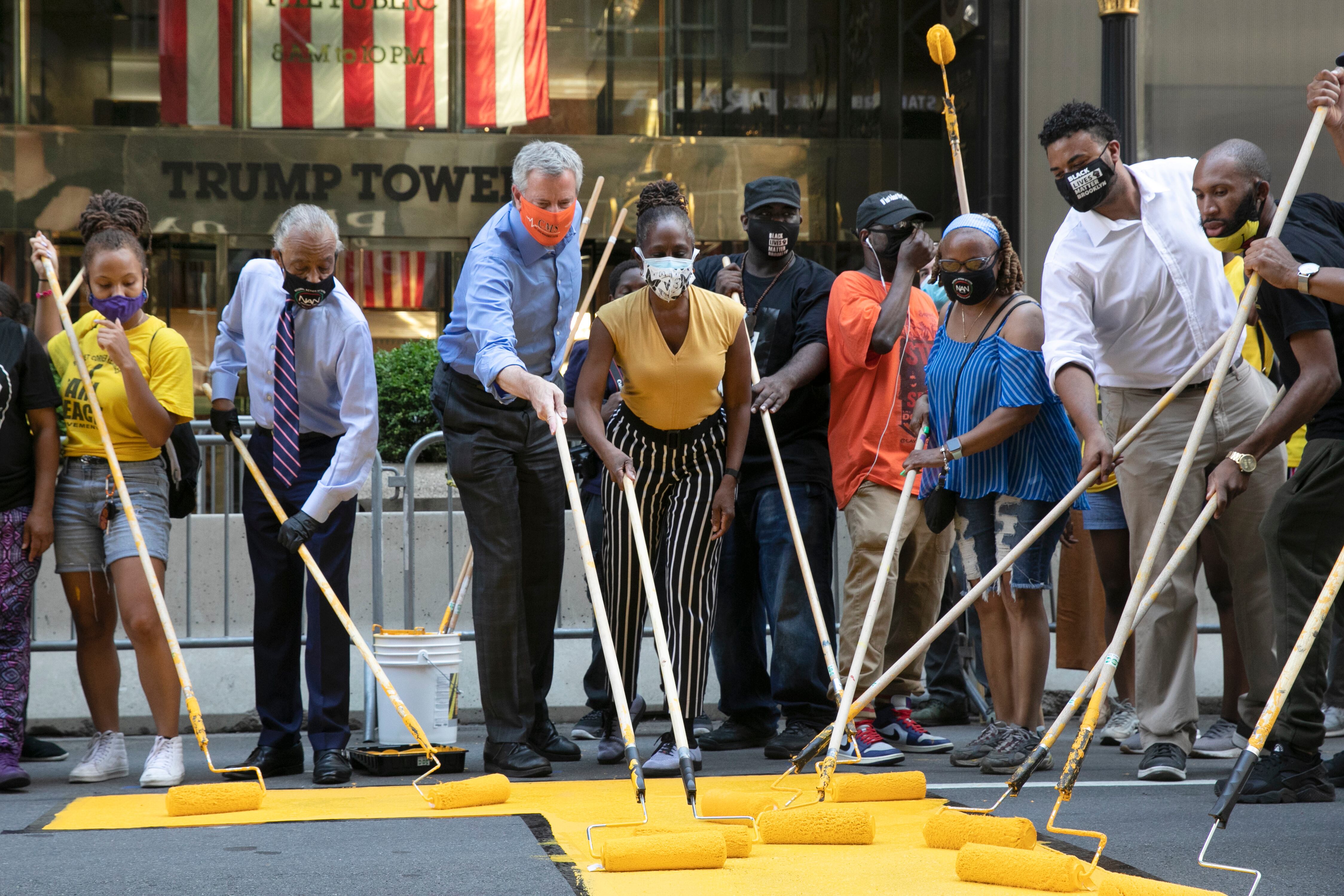
New York City Mayor Bill de Blasio grabbed a roller Thursday to paint Black Lives Matter in front of the namesake Manhattan tower of President Donald Trump.
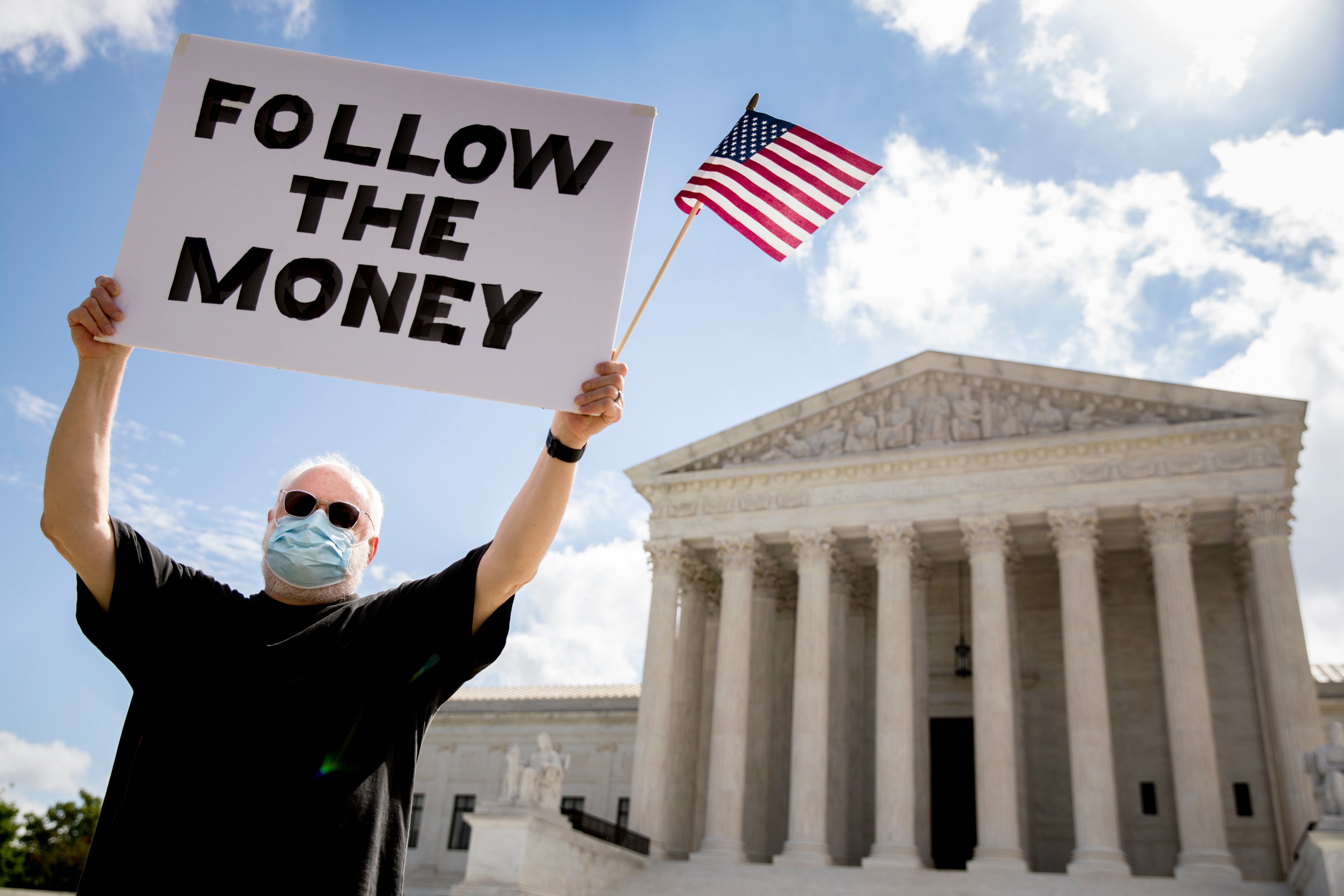
The Supreme Court has issued a mixed verdict on demands for President Donald Trump’s financial records.
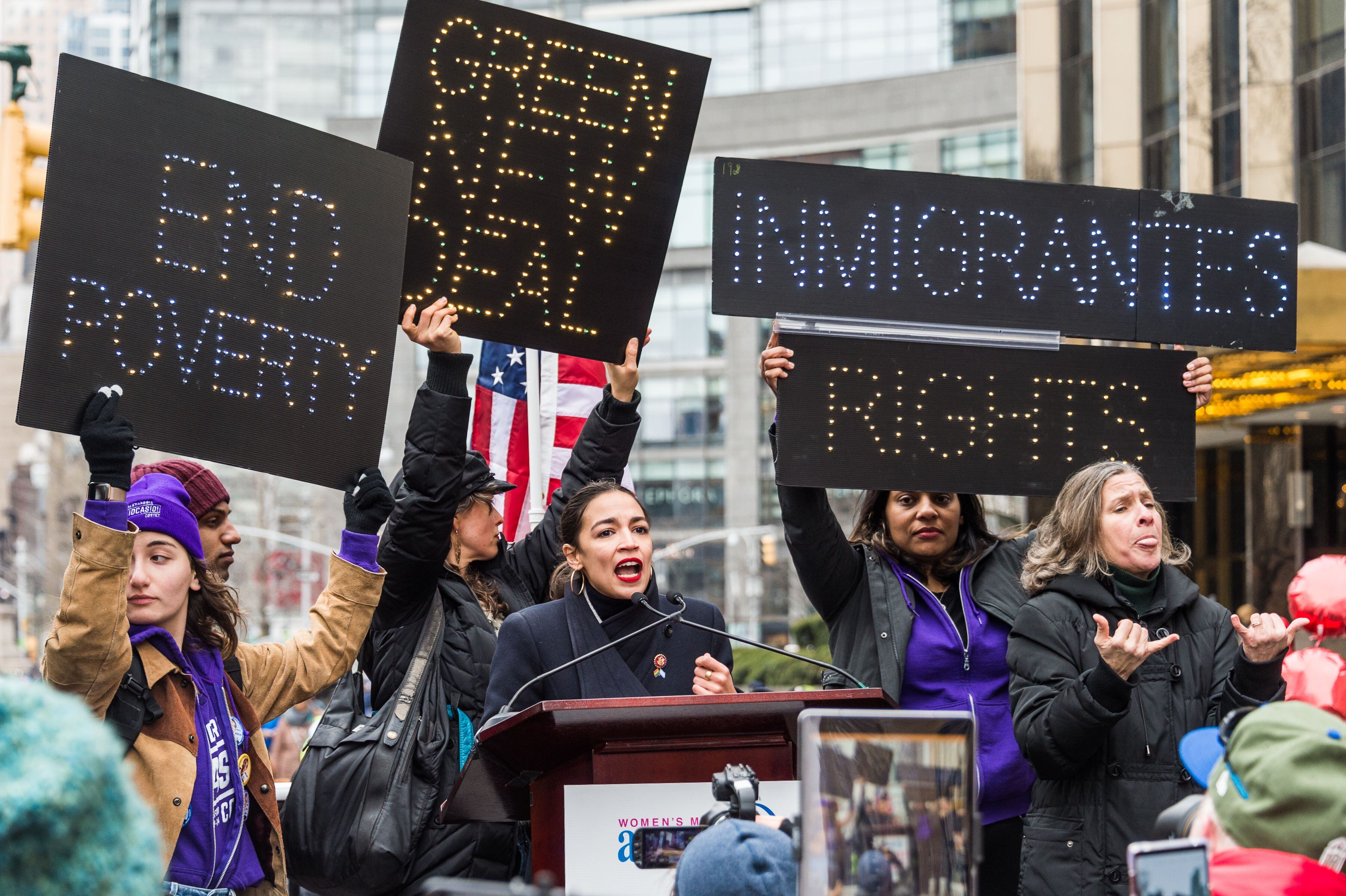
More than a decade after the term was coined by columnist Thomas Friedman in the New York Times, there is a Green New Deal proposal in Congress. Rep. Alexandria Ocasio-Cortez (D-NY) and Sen. Ed Markey (D-MA) have proposed a formal resolution that would frame climate change, economic sustainability and social justice together under a unifying theme, calling for a Depression-era national mobilization similar to FDR's New Deal, and serving as a litmus test for Democratic presidential candidates going forward.
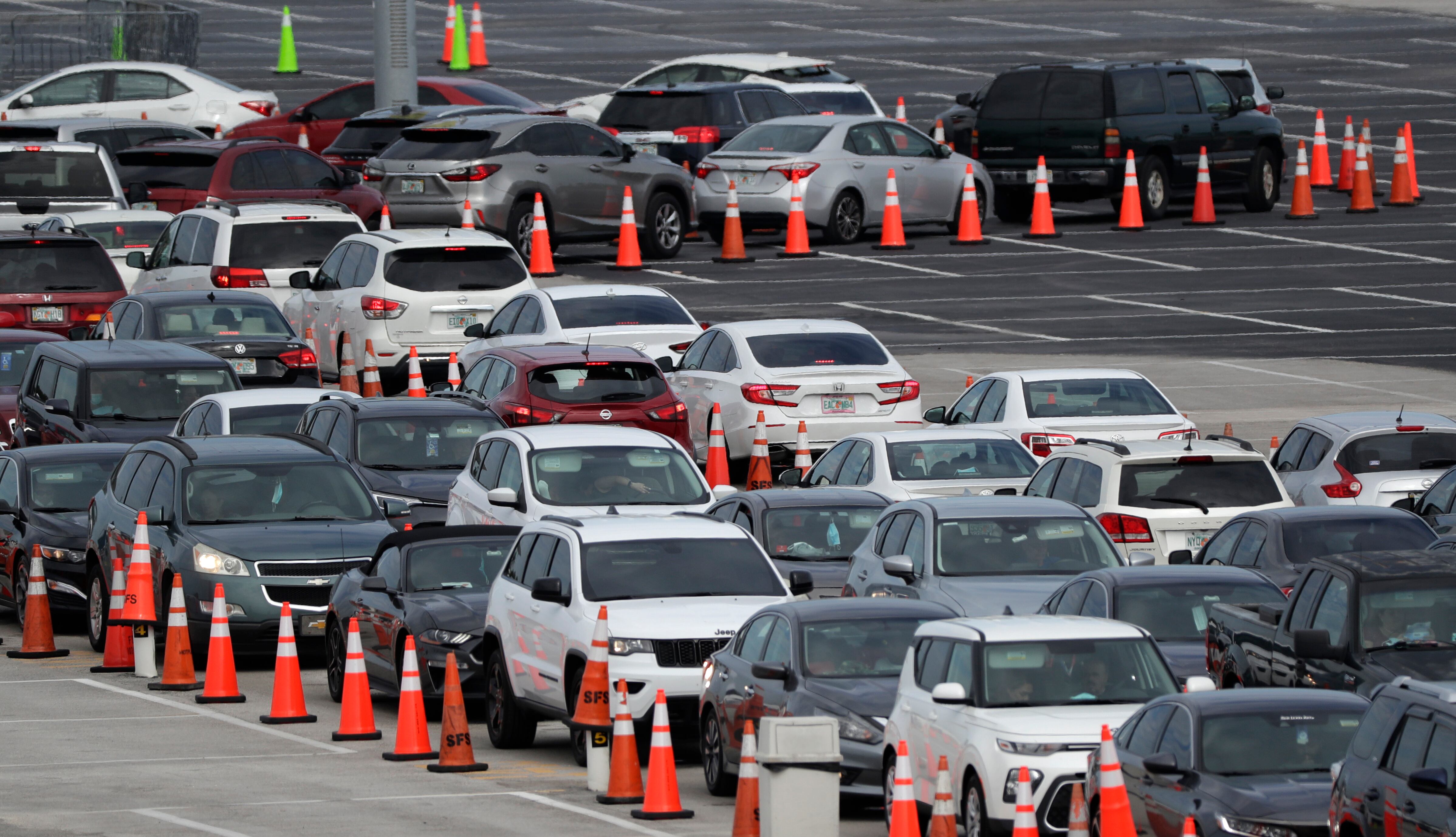
Four months, three million confirmed infections and over 130,000 deaths into the U.S. coronavirus outbreak, Americans are facing long lines at testing sites and going a week or more without receiving a diagnosis.
The Supreme Court is siding with the Trump administration in its effort to allow more employers to opt out of providing no-cost birth control to women as required by the Affordable Care Act.
The schools filed a federal lawsuit Wednesday challenging the Trump administration’s decision to bar international students from staying in the U.S. if they take classes online this fall.