By Mark Sherman
The Supreme Court announced Monday that it is postponing arguments for late March and early April because of the coronavirus, including fights over subpoenas for President Donald Trump’s financial records.
Other business will go on as planned, including the justices' private conference on Friday and the release of orders in a week's time. Some justices may participate by telephone, the court said in a statement.
Six of the nine justices are 65 and older, at higher risk of getting very sick from the illness, according to the Centers for Disease Control and Prevention. Justices Ruth Bader Ginsburg, 87, and Stephen Breyer, 81, are the oldest members of the court.
There is no new date set for the postponed arguments. the building has been closed to the public since last week.
The only other time the 85-year-old court building was closed for arguments was in October 2001, when anthrax was detected in the court mailroom. That led the justices to hold arguments in the federal courthouse about a half mile from the Supreme Court,
Within a week and after a thorough cleaning, the court reopened.
In 1918, when the court still met inside the Capitol, arguments were postponed for a month because of the flu pandemic. In the nation's early years, in August 1793 and August 1798, adjustments were made because of yellow fever outbreaks, the court said.
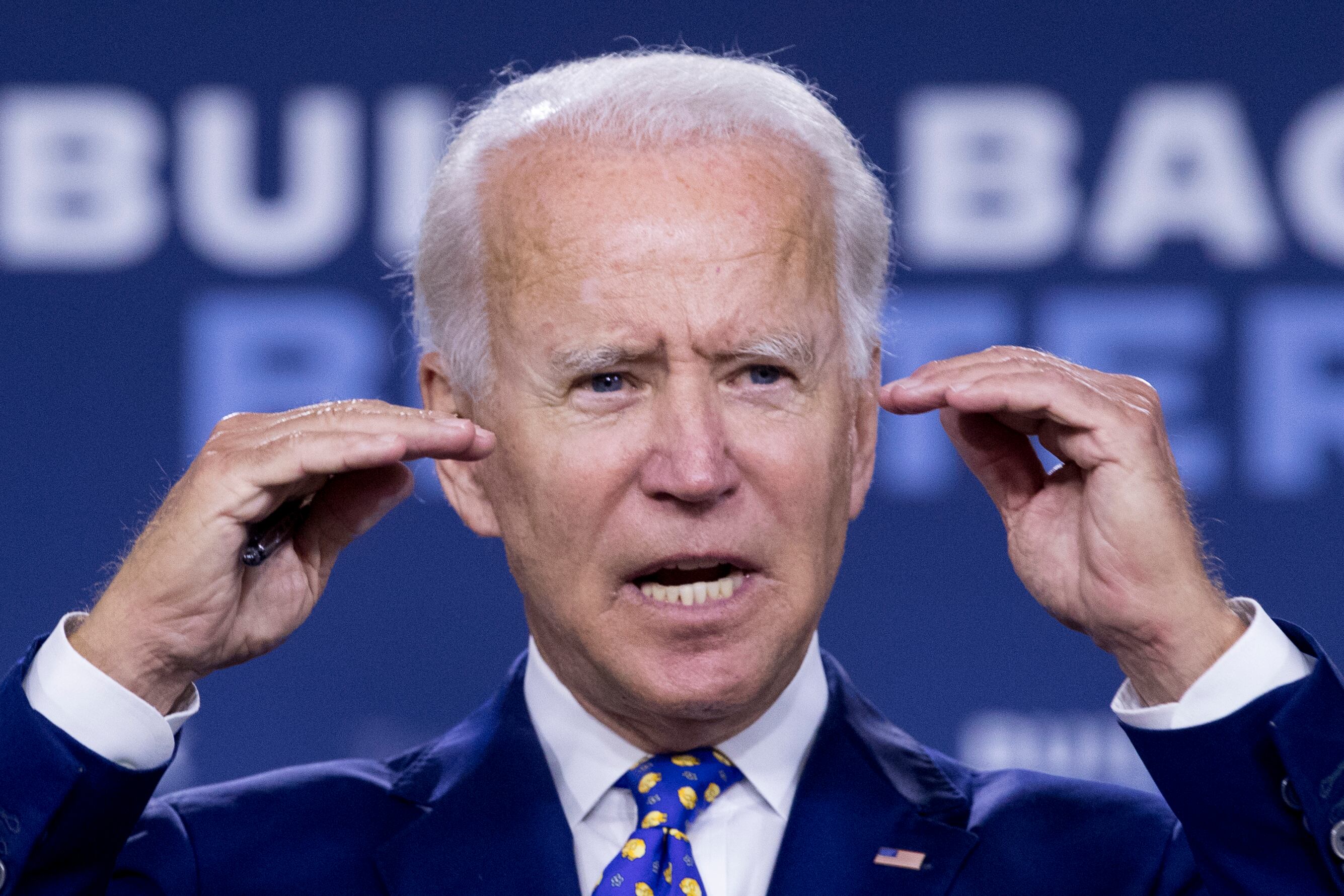
Democratic presidential candidate Joe Biden will not travel to Milwaukee to accept his party's White House nomination because of concerns over the coronavirus.
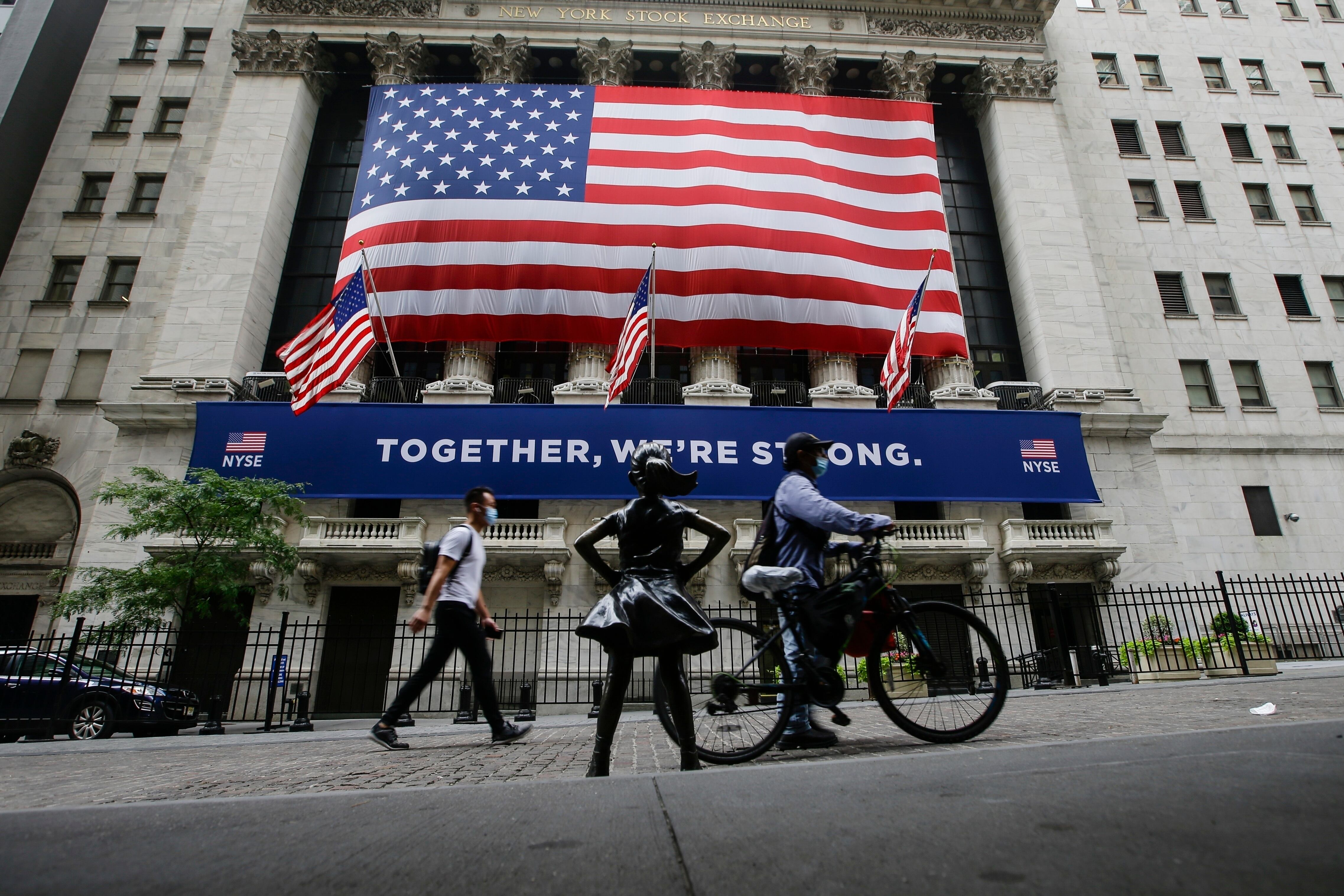
U.S. stock indexes drifted higher Tuesday as Wall Street's big rally eased off the accelerator.
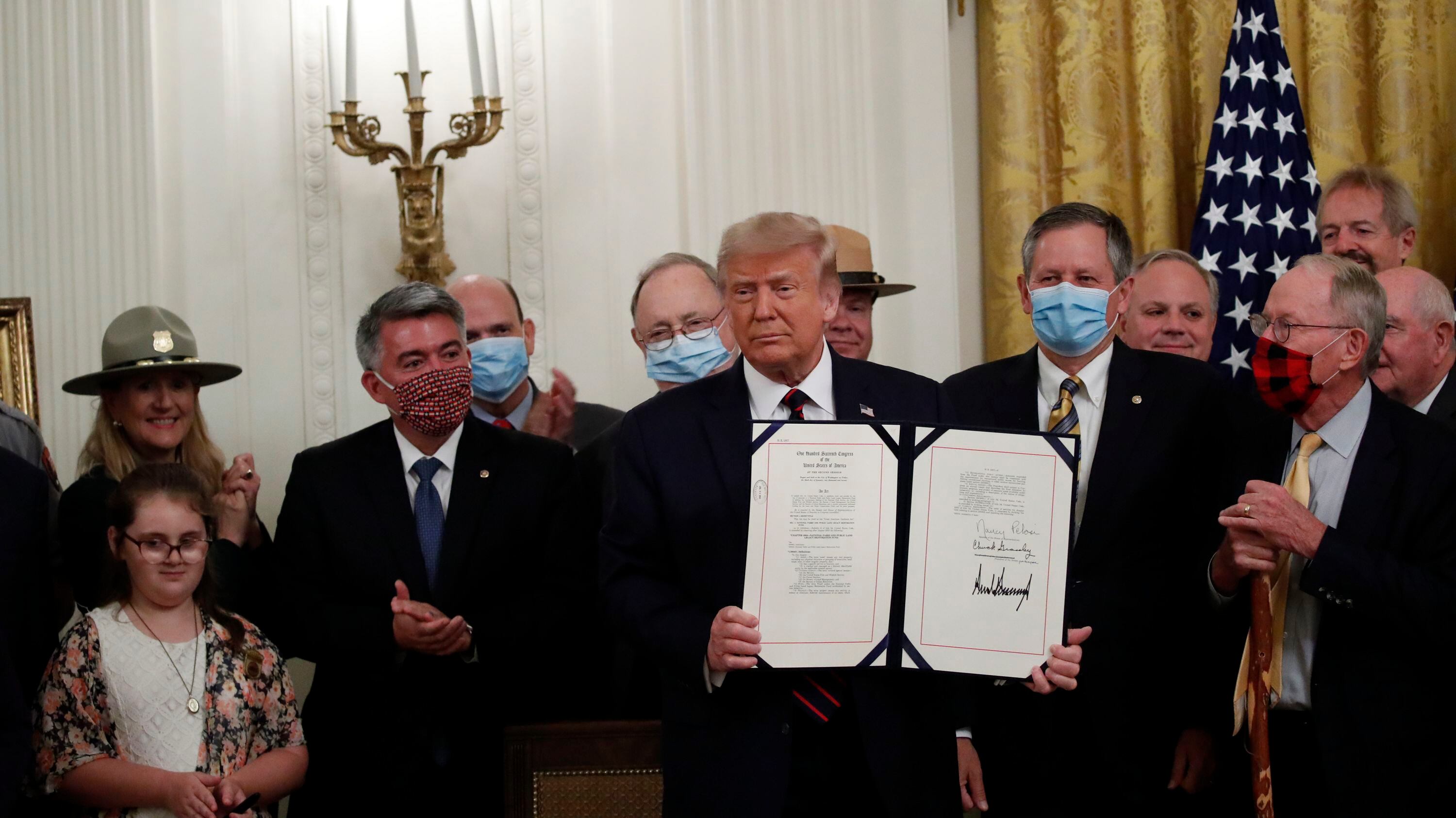
President Donald Trump has signed into law legislation that will devote nearly $3 billion annually to conservation projects, outdoor recreation and maintenance of national parks and other public lands.
A Manhattan prosecutor trying to get President Donald Trump’s tax returns told a judge that he was justified in demanding them, citing public reports of “extensive and protracted criminal conduct at the Trump Organization.”
Since March, there have been 423 workplace litigation cases related to COVID-19, according to a tracker developed by the law firm Fisher Phillips.
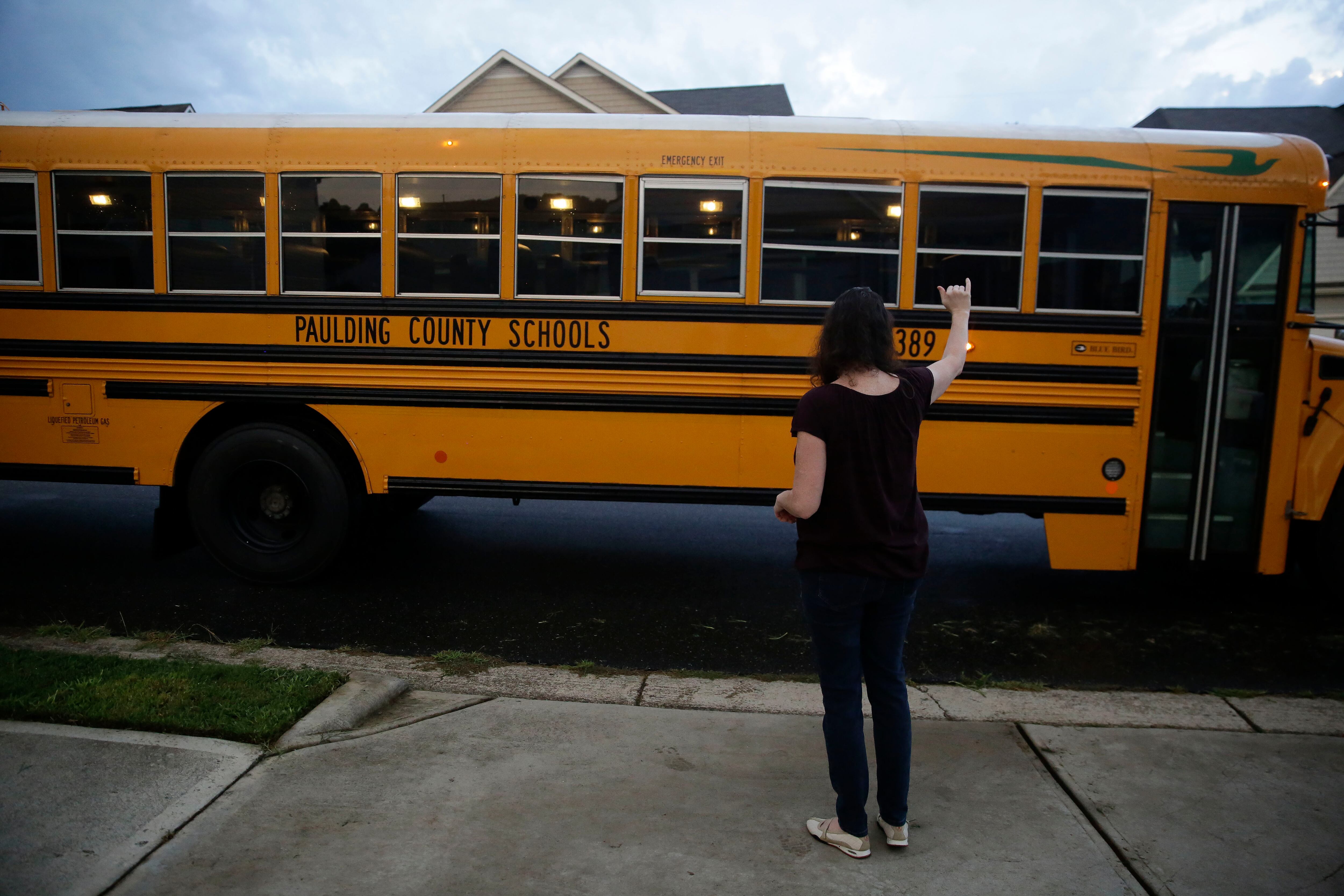
Parents in Georgia, Louisiana, Mississippi and Tennessee are among those who will be the first to navigate the new academic year as schools open up in parts of those states this week.
While the U.S. economy shrank at an annualized rate of 32.9 percent during the second quarter, the downturn didn't seem to affect Facebook at all.
From Wall Street to Silicon Valley, these are the top stories that moved markets and had investors, business leaders, and entrepreneurs talking this week on Cheddar.
Dr. Anthony Fauci has told lawmakers that once a coronavirus vaccine is approved as safe and effective, Americans should have widespread access within a reasonable time.
President Trump has rolled back and an Obama-era fair housing policy, allowing developers to bypass building affordable housing in suburban neighborhoods. David Sanchez, director of research & development at National Community Stabilization Trust, assesses the move as a rallying call to Trump's base ahead of the November election.