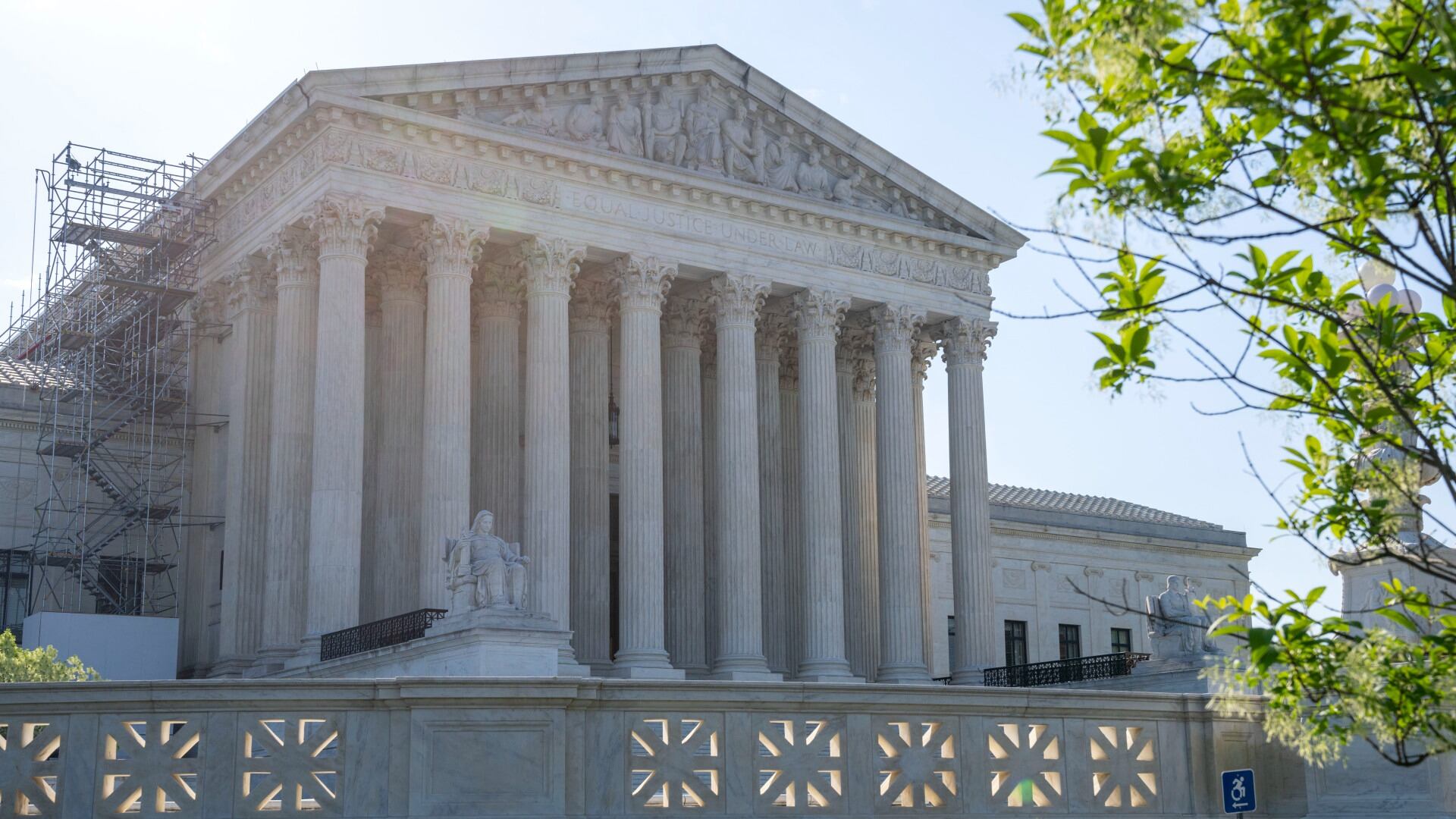
The Supreme Court is seen, Friday, April 21, 2023, ahead of an abortion pill decision in Washington. (AP Photo/Jacquelyn Martin)
The Supreme Court said Wednesday that Illinois can, for now, keep in place a new law that bars the sale of certain semiautomatic guns and large-capacity magazines.
The high court denied an emergency request from people challenging the law, which bans so-called assault weapons. The law’s opponents had asked the court to put the law on hold while a court challenge continues. The court did not comment and no justice publicly dissented.
The high court’s action comes at a time when gun violence has been heavily in the news. Since the beginning of the year, 115 people have died in 22 mass killings — an average of one mass killing a week, according to a database maintained by The Associated Press and USA Today in a partnership with Northeastern University. The database counts killings involving four or more fatalities, not including the perpetrator. Just recently, on May 6, a man armed with an AR-15 style rifle and other firearms fatally shot eight people, including three children, at a Dallas-area mall.
The case before the Supreme Court involves an Illinois state law enacted in January. The legislation bans the sale of a series of guns including the AR-15 and AK-47. The law also bars the sale of magazines that have more than 15 rounds of ammunition for handguns and more than 10 rounds of ammunition for a long gun.
People who legally owned the now-barred guns and magazines ahead of the law’s enactment can continue to keep them. The guns, however, must be registered with law enforcement.
Nine other states and the District of Columbia have gun bans similar to the one in Illinois, according to the gun control group Brady, which tracks the legislation. California, Connecticut, Hawaii, New Jersey and New York also require registration of guns purchased prior to the law while four other states – Delaware, Maryland, Massachusetts and Washington -- do not.
A federal trial court in February declined to put the law on hold. A federal appeals court also declined to put the law on hold while the case continues.
The case also involves a separate so-called assault weapon bans passed by the city of Naperville.
The Supreme Court’s conservative majority just last year handed gun rights activists a major victory, ruling that Americans have a right to carry firearms in public for self-defense. But the decision left open whether various restrictions states might impose would be constitutional.
___
Associated Press reporter Alanna Durkin Richer contributed to this report from Boston.
Jill and Carlo discuss the scenes of joy at American airports as borders reopen, another tool in the Covid toolbox, the latest in the Astroworld crowd crush tragedy and more.
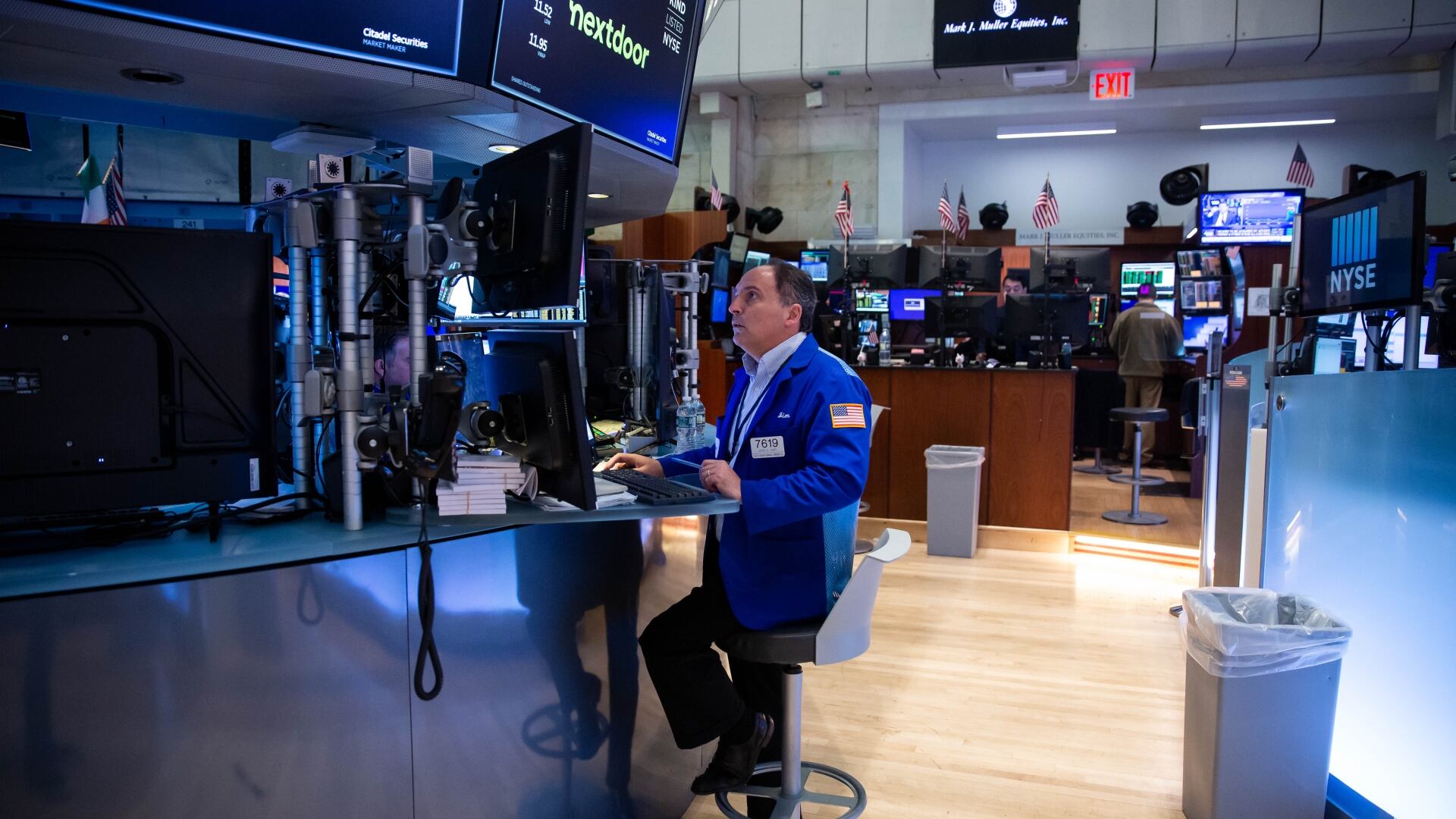
Frank Lee, Managing Director at Miracle Mile Advisors, joins Cheddar News' Closing Bell, where he explains why markets are soaring after the Dow, S&P, Nasdaq, and the Russell 2000 all reached new record closes to begin the trading week.
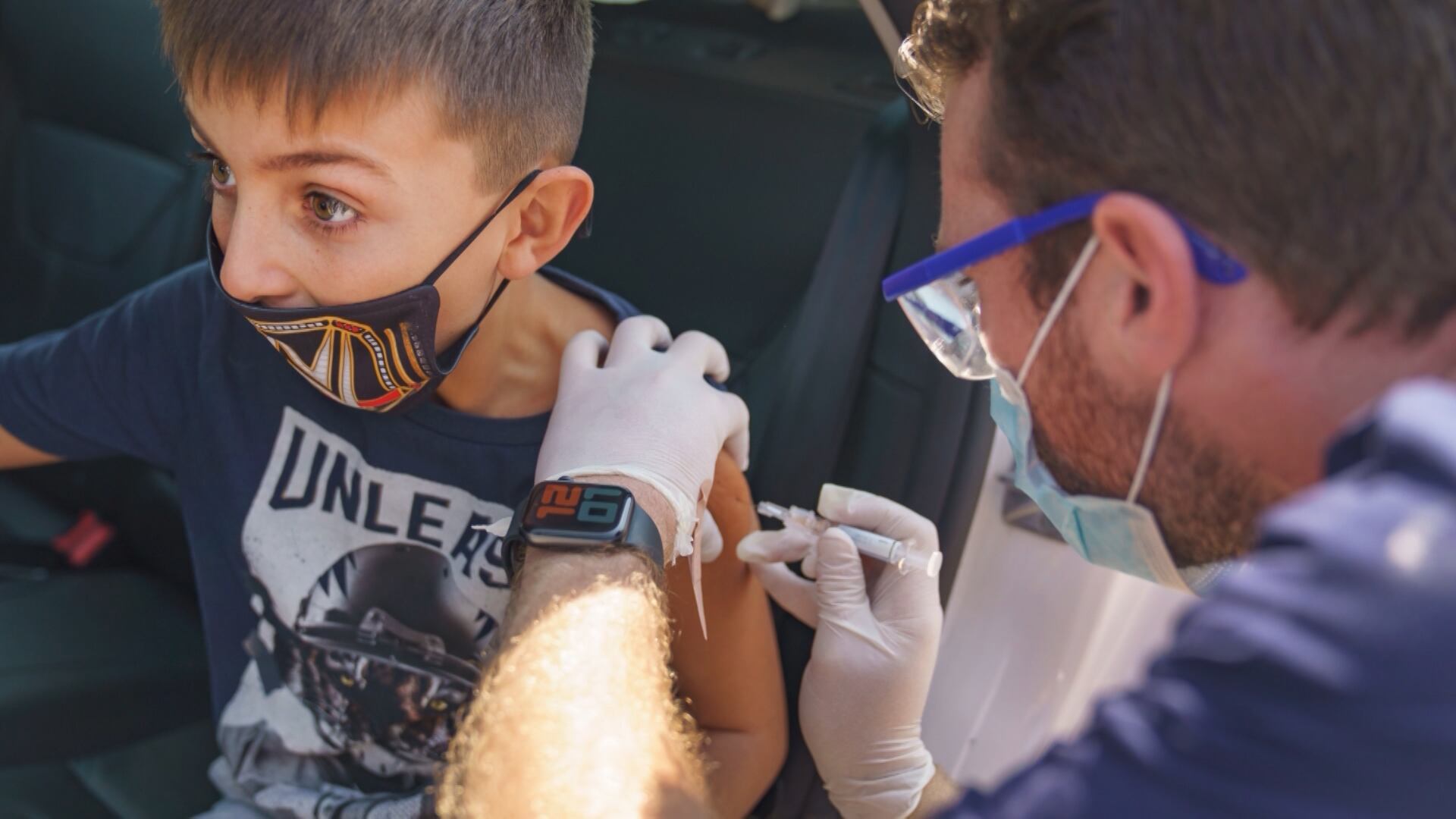
The Biden Administration's mandate for COVID vaccinations by large employers has been put on hold by federal courts as GOP-led states and some businesses push back on the order's legality. Jonathan Adler, a law professor at Case Western Reserve University, joined Cheddar to discuss the legal challenges to implementing such mandates through OSHA (Occupational Safety and Health Administration). "Certainly expanding vaccinations is a good thing, and as vaccination rates go up that's better for all of us," Adler said. "But there are some legal questions about whether or not it's appropriate to use a law about occupational safety and health as the means to do that."
The Biden administration is giving businesses a deadline to implement a vaccination mandate, saying companies can take until after the holiday season. Andew Noymer, Associate Professor of Population Health and Disease Prevention at the University of California, Irvine, joined Cheddar to discuss.
Jacob Rubashkin, reporter and analyst at Inside Elections, joined Cheddar to discuss Republicans' wins on election night and what they mean for Democrats going forward.
James Astill, Washington Bureau Chief at The Economist, joins Cheddar News to discuss the latest issue, 'ONE YEAR ON: The calamity facing Joe Biden and the Democrats.'
Elon Musk asked Twitter if he should sell about $20 billion worth of his Tesla stock and about 58 percent of those who answered said yes. The Tesla CEO pledged to abide by the results of the poll, whichever way it went. Arun Sundararajan, NYU Stern professor & author of "The Sharing Economy: The End of Employment and the Rise of Crowd-Based Capitalism," joined Cheddar to discuss what the Twitter poll says about America's attitude towards billionaires and the nation's tax system.
Dr. Nasia Safdar, Doctor at UW Madison, joined Wake Up With Cheddar to discuss the implications of Merck sharing its antiviral pill, which has been shown in early trials to cut hospitalizations and deaths by half, with poorer nations around the globe.
The Federal Reserve finally announced its taper plan on Wednesday saying that it planned to scale back on bond purchases as growth slows, and would not rush to raise interest rates. Ross Mayfield, Investment Strategy Analyst at Baird spoke on whether or not a decrease in inflation could be in the country’s future amidst comments made by Fed chairman Jerome Powell. Baird also broke down ADP jobs numbers ahead of the Labor Department's October jobs report.