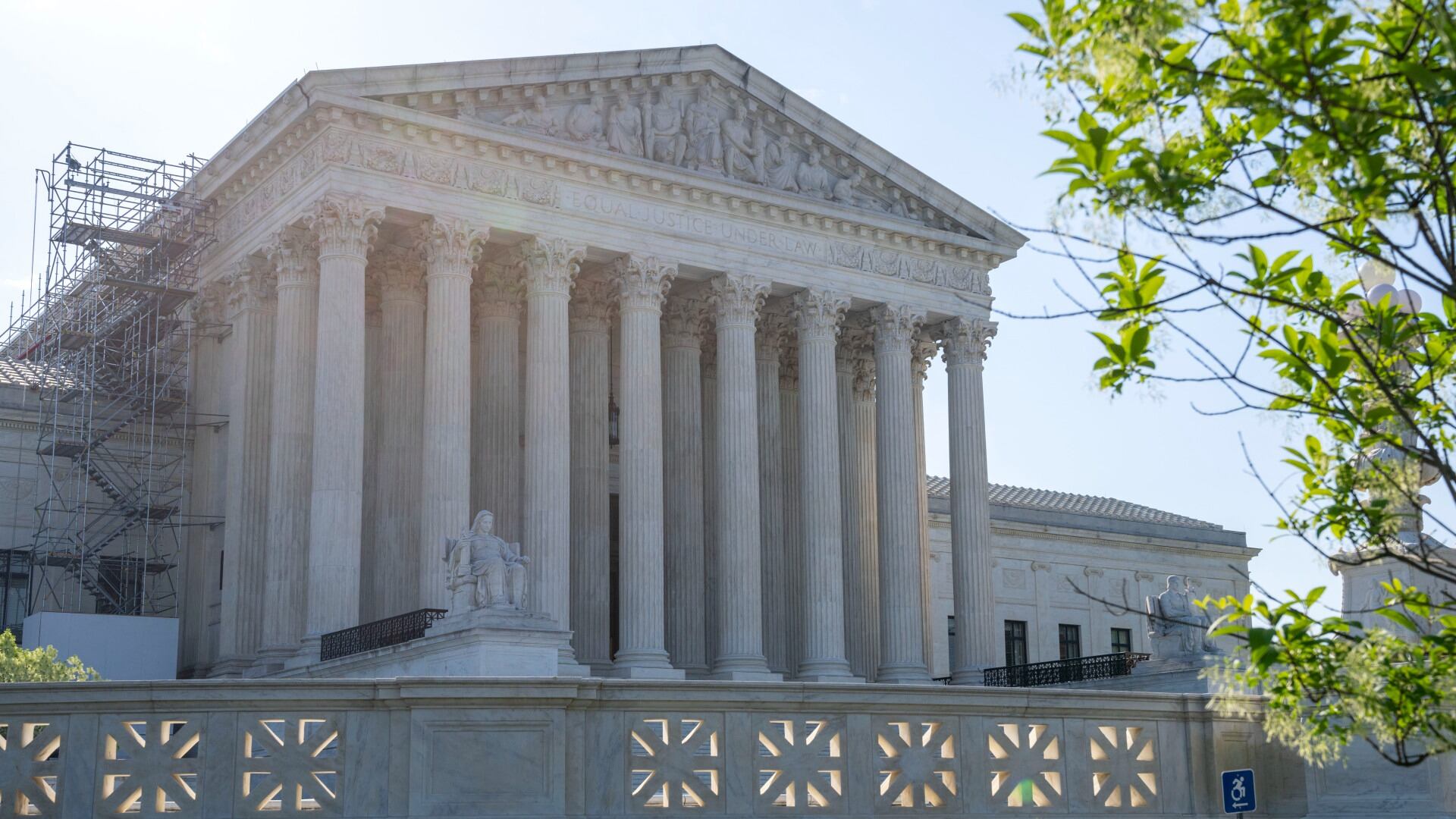
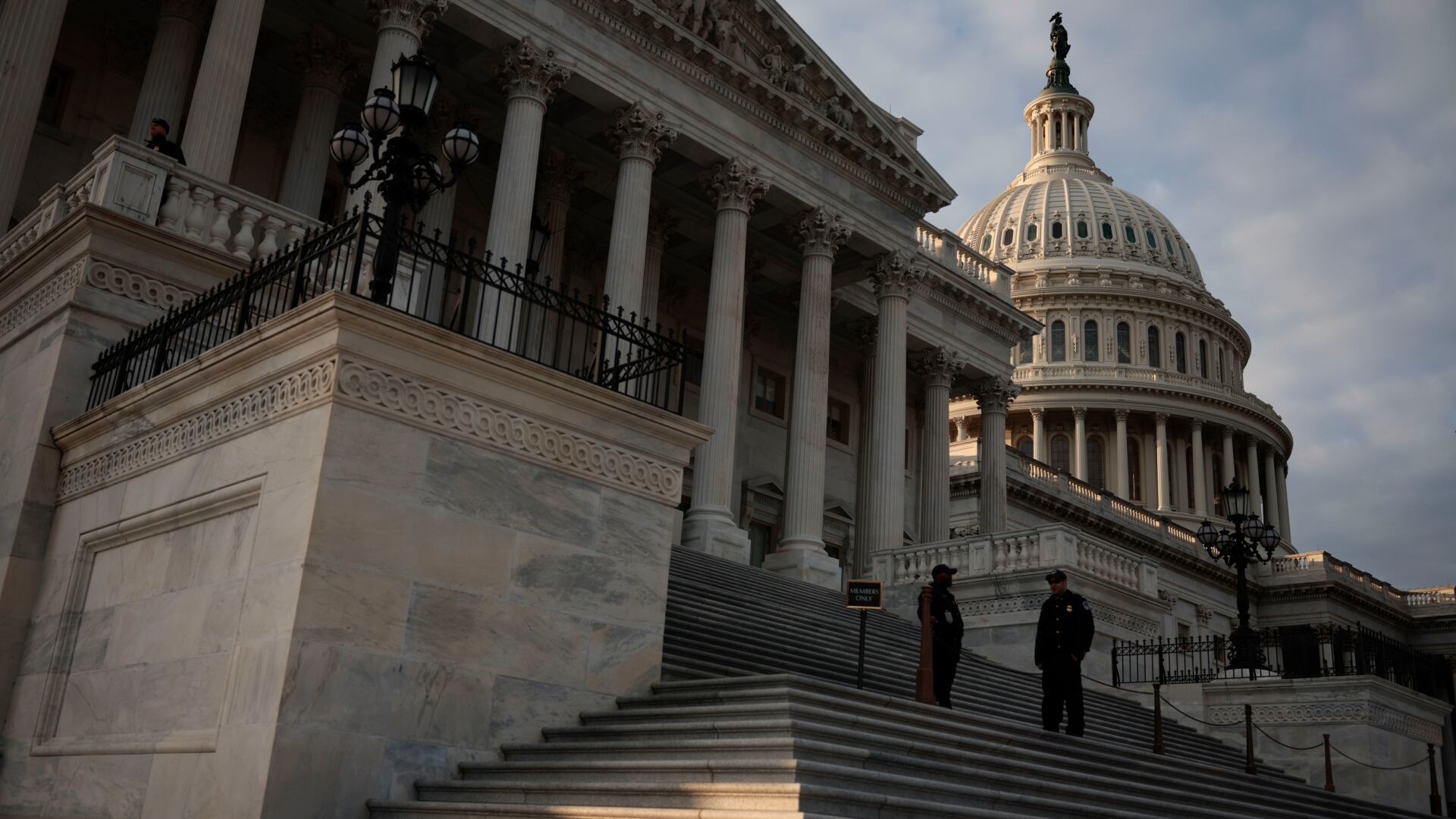
The Supreme Court is seen, Friday, April 21, 2023, ahead of an abortion pill decision in Washington. (AP Photo/Jacquelyn Martin)
The Supreme Court said Wednesday that Illinois can, for now, keep in place a new law that bars the sale of certain semiautomatic guns and large-capacity magazines.
The high court denied an emergency request from people challenging the law, which bans so-called assault weapons. The law’s opponents had asked the court to put the law on hold while a court challenge continues. The court did not comment and no justice publicly dissented.
The high court’s action comes at a time when gun violence has been heavily in the news. Since the beginning of the year, 115 people have died in 22 mass killings — an average of one mass killing a week, according to a database maintained by The Associated Press and USA Today in a partnership with Northeastern University. The database counts killings involving four or more fatalities, not including the perpetrator. Just recently, on May 6, a man armed with an AR-15 style rifle and other firearms fatally shot eight people, including three children, at a Dallas-area mall.
The case before the Supreme Court involves an Illinois state law enacted in January. The legislation bans the sale of a series of guns including the AR-15 and AK-47. The law also bars the sale of magazines that have more than 15 rounds of ammunition for handguns and more than 10 rounds of ammunition for a long gun.
People who legally owned the now-barred guns and magazines ahead of the law’s enactment can continue to keep them. The guns, however, must be registered with law enforcement.
Nine other states and the District of Columbia have gun bans similar to the one in Illinois, according to the gun control group Brady, which tracks the legislation. California, Connecticut, Hawaii, New Jersey and New York also require registration of guns purchased prior to the law while four other states – Delaware, Maryland, Massachusetts and Washington -- do not.
A federal trial court in February declined to put the law on hold. A federal appeals court also declined to put the law on hold while the case continues.
The case also involves a separate so-called assault weapon bans passed by the city of Naperville.
The Supreme Court’s conservative majority just last year handed gun rights activists a major victory, ruling that Americans have a right to carry firearms in public for self-defense. But the decision left open whether various restrictions states might impose would be constitutional.
___
Associated Press reporter Alanna Durkin Richer contributed to this report from Boston.
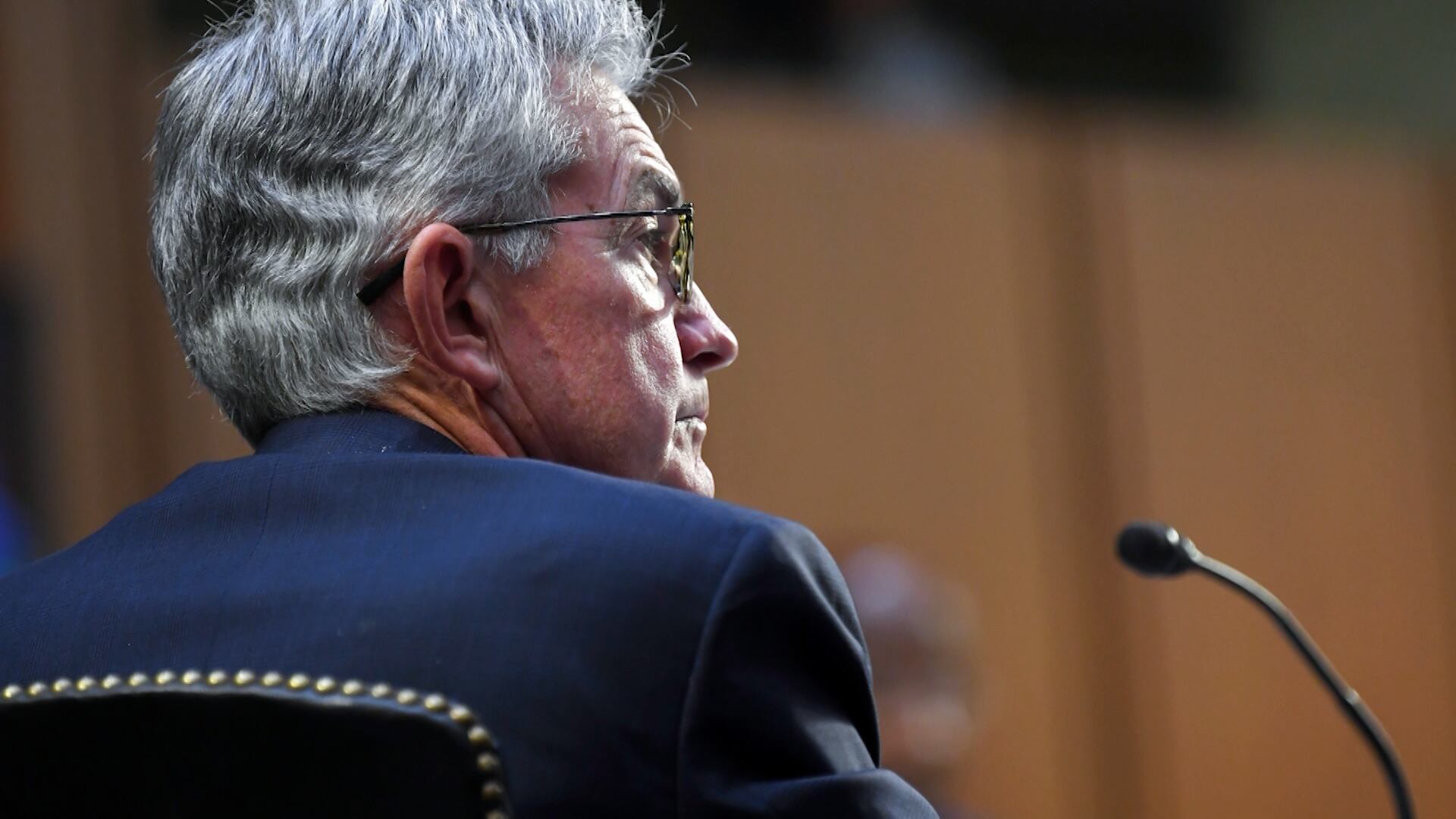
President Joe Biden named Jerome Powell, initially appointed by President Trump, to keep his seat as the chair of the Federal Reserve on Monday amid the ongoing challenges of the pandemic, inflation, and unemployment. David Beckworth, a former international economist for the Treasury Department and a senior fellow with the Mercatus Center, joined Cheddar to discuss what he sees as the practicality of Biden's decision. "What Powell brings to the table is he's built up political capital with Republicans and Democrats," he said. "It's easy for him to get the job done. I think in one way he was the path of least resistance for the president."
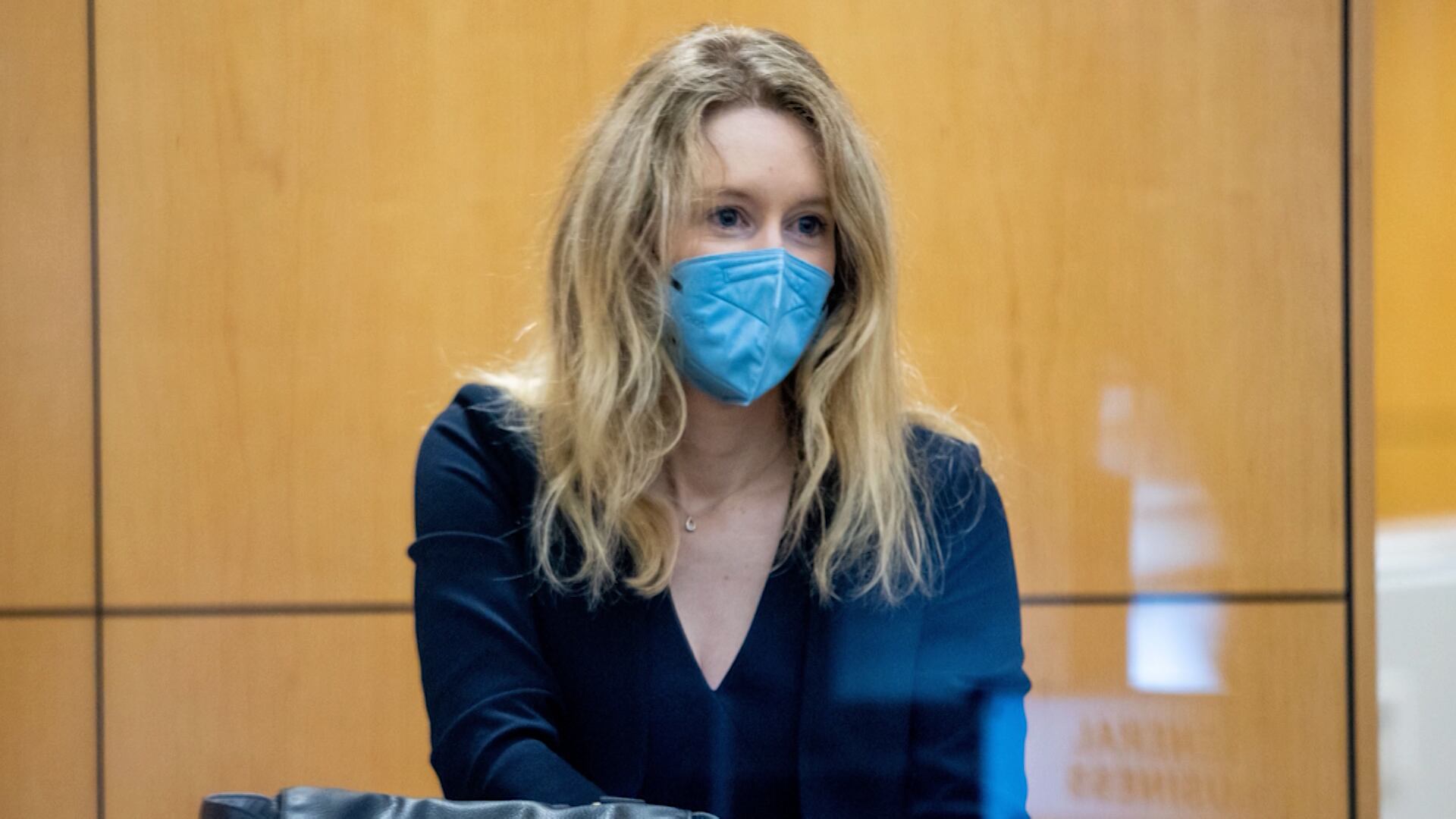
In a surprise turn of events, Elizabeth Holmes took the stand in her own defense on Friday and is expected to continue her testimony later today. Holmes, who founded a blood testing start-up Theranos back in 2003, faces 11 counts of wire fraud as well as conspiracy to commit wire fraud. Aron Solomon, Chief Legal Analyst, Esquire Digital joined Cheddar's Opening Bell to discuss.
Jill and Carlo cover the developing story out of suburban Milwaukee, where a speeding SUV careened through a Christmas parade. Looters get more brazen in San Francisco, the missing Chinese tennis star resurfaces, and more.
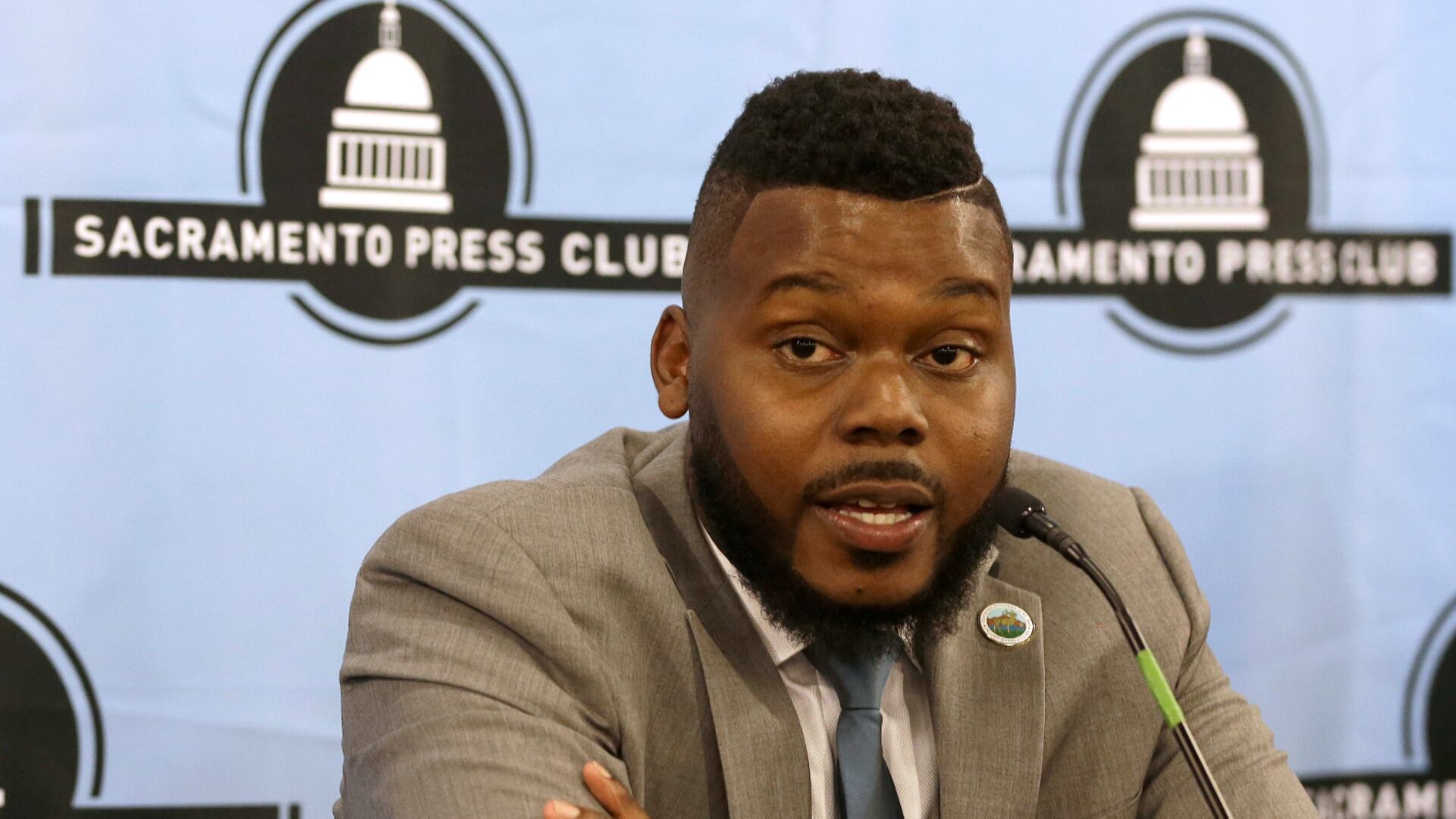
Michael Tubbs, former Mayor of Stockton, California and author of 'The Deeper the Roots,' joined Cheddar Movers to talk all about his new memoir, and his ongoing fight to make meaningful change in his community.
The House narrowly passed President Biden's $1.7 trillion Build Back Better bill, the largest expansion of the social safety net in decades. The final vote was 220 to 213, with only one Democrat joining all Republicans in opposing the bill. It now heads to the Senate, where it faces an uncertain fate. Jennifer Haberkorn, congressional reporter for the Los Angeles Times, joins Cheddar News' Closing Bell, where she breaks down the current version of the bill, where it goes next, and what it could mean for the country if it eventually reaches the president's desk.
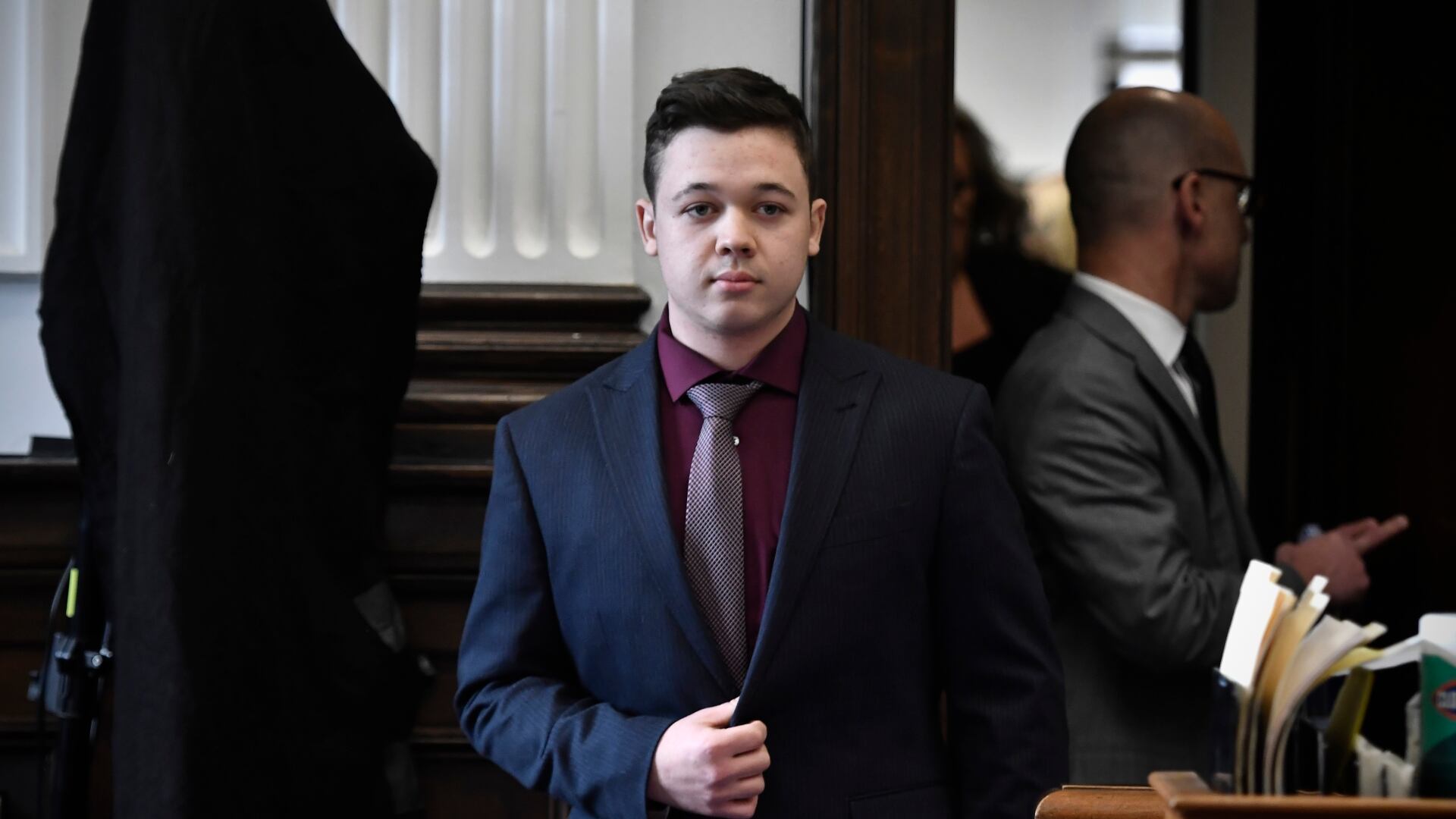
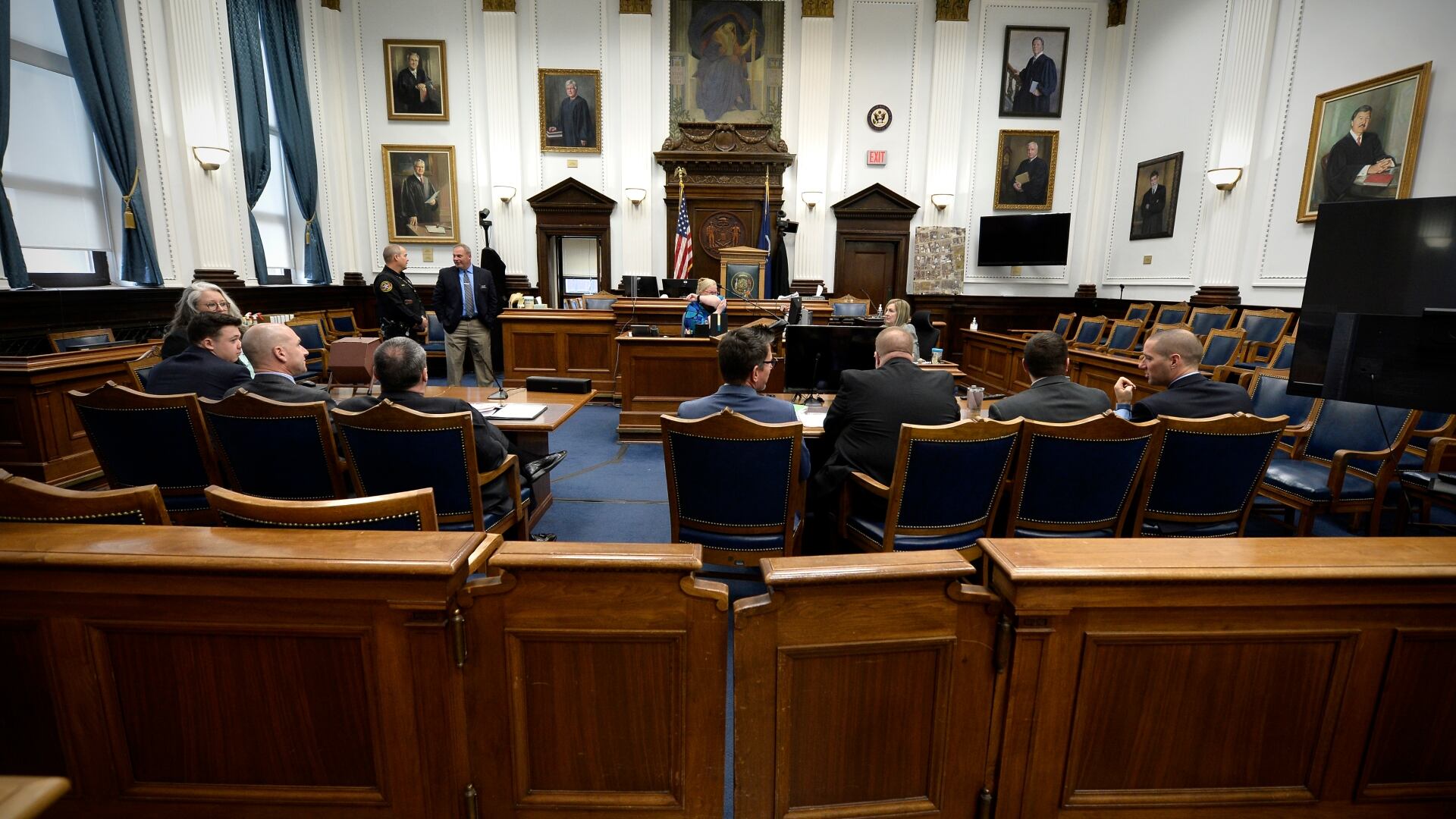
Two murder trials in focus in America — Wisconsin V. Kyle Rittenhouse and Georgia V. Travis Mcmichael, Gregory Mcmichael, and William Bryan, the Men who killed Ahmaud Arbery. Civil rights and criminal defense lawyer Anthony Tall and the Founder and CEO of Kim Crowder consulting Kim Crowder, joined Cheddar to discuss more.
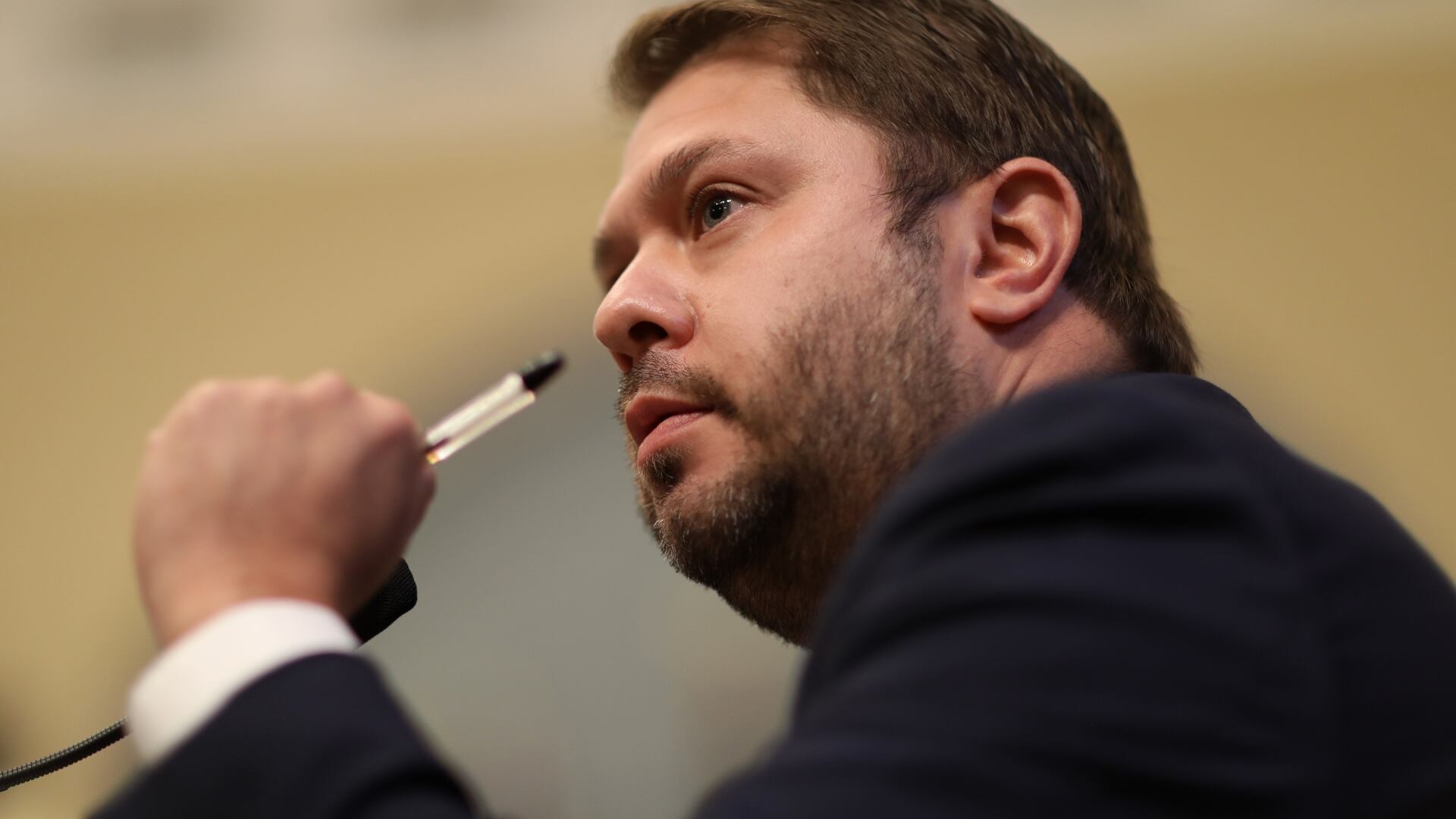
Rep. Ruben Gallego (D - Arizona) joined Cheddar to discuss the passing of President Biden's Infrastructure Bill and his new book, 'They Called us 'Lucky,' about his time serving in the Iraq War.