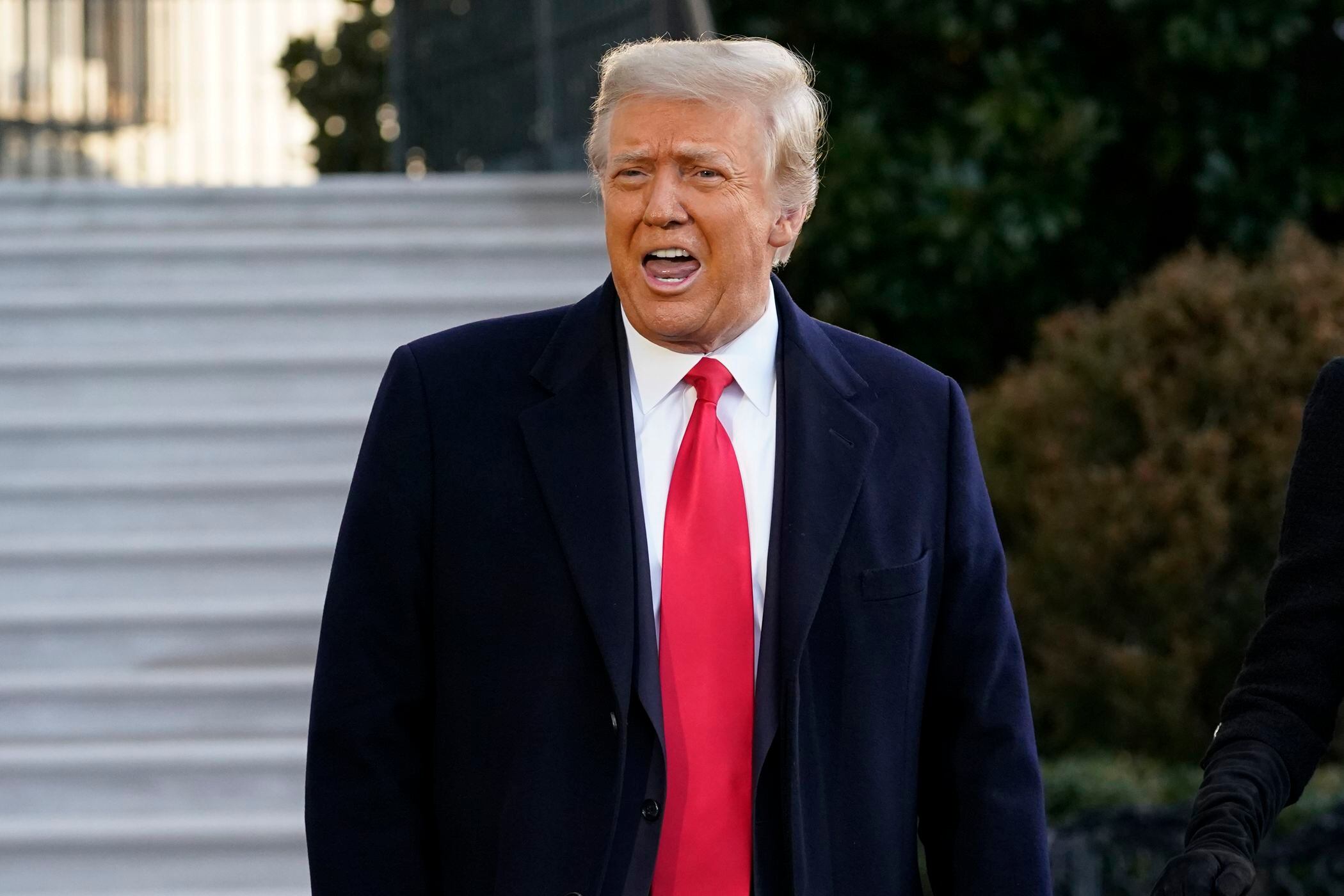
President Donald Trump speaks with reporters as he walks to board Marine One on the South Lawn of the White House, Wednesday, Jan. 20, 2021, in Washington. Trump is en route to his Mar-a-Lago Florida Resort. (AP Photo/Alex Brandon)
The Supreme Court on Monday brought an end to lawsuits over whether Donald Trump illegally profited from his presidency.
The justices threw out Trump’s challenge to lower court rulings that had allowed lawsuits to go forward alleging that he violated the Constitution’s emoluments clause by accepting payments from foreign and domestic officials who stay at the Trump International Hotel and patronize other businesses owned by the former president and his family.
The high court also ordered the lower court rulings thrown out as well and directed appeals courts in New York and Richmond, Virginia, to dismiss the suits as moot now that Trump is no longer in office.
The outcome leaves no judicial opinions on the books in an area of the law that has been rarely explored in U.S. history.
The cases involved suits filed by Maryland and the District of Columbia, and high-end restaurants and hotels in New York and Washington, D.C., that “found themselves in the unenviable position of having to compete with businesses owned by the President of the United States.”
The suits sought financial records showing how much state and foreign governments have paid the Trump Organization to stay and eat at Trump-owned properties.
Other cases involving Trump remain before the Supreme Court, or in lower courts.
Trump is trying to block the Manhattan district attorney's enforcement of a subpoena for his tax returns. Lower courts are weighing congressional subpoenas for Trump’s financial records. And the justices also have before them Trump’s appeal of a decision forbidding him from blocking critics on his Twitter account. Like the emoluments cases, Trump’s appeal would seem to be moot now that he is out of office and also had his Twitter account suspended.
Not only is April Financial Literacy Month, it’s also the kickoff of the spring homebuying season. So now is the time to make sure you have a financial plan in place – and why it might not be wise for that to include buying your first home.
While the U.S. may slowly be on the path to lowering inflation (and therefore interest rates), Europe has thoroughly trounced America, putting it on the path to lower rates by this summer.
April's release of the monthly Housing Starts and Building Permits reports by the Census Bureau provides crucial insights into the construction activity in the housing market. These reports are an economic indicator, shedding light on the current state of the housing market and its broader economic impact.
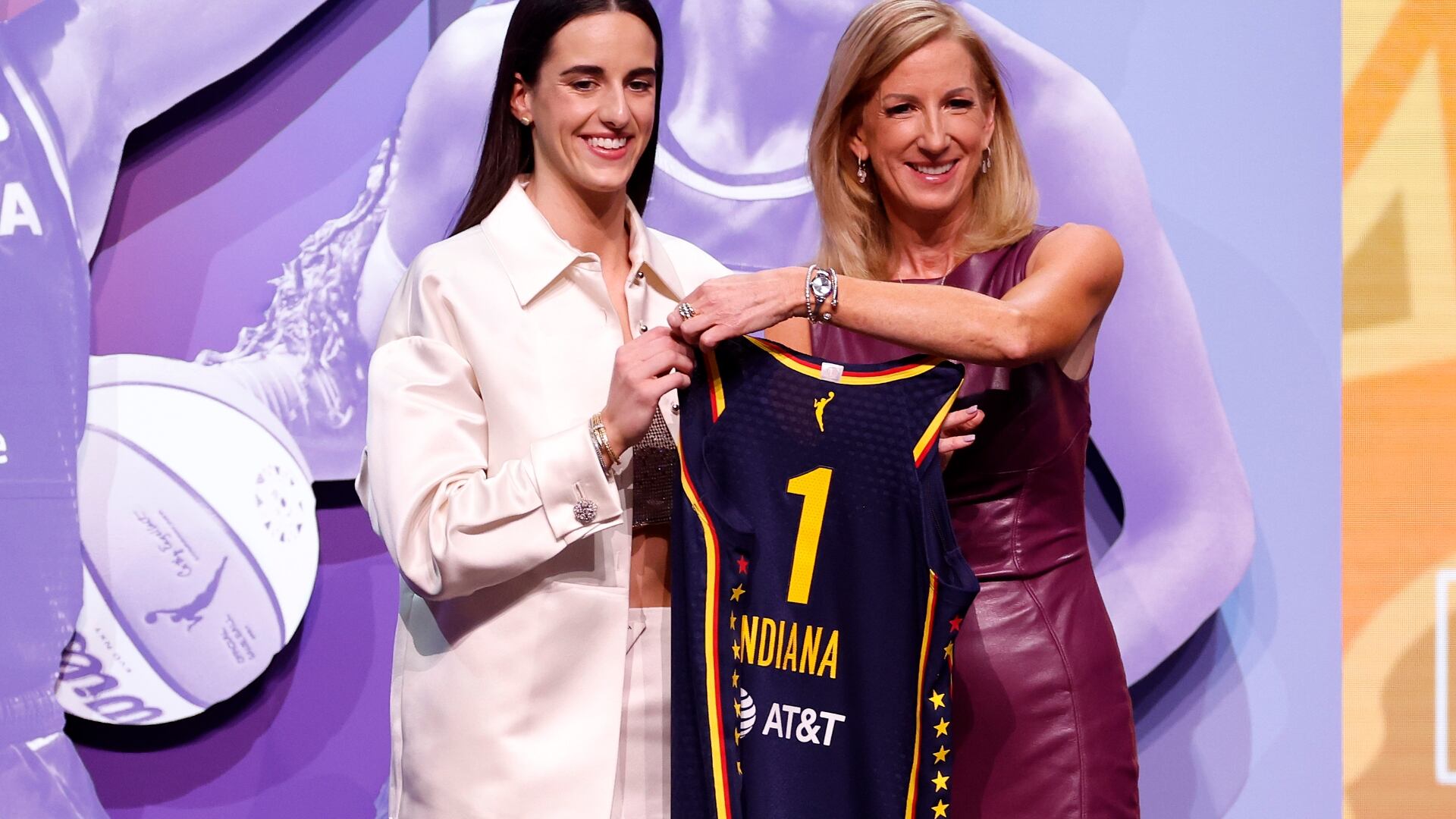
Caitlin Clark is heading to the Indiana Fever, the number one draft pick and the highest-scoring college basketball player of all time. And while she may not be getting millions from the WNBA, there's a few ways she'll net compensation for her generational talents.
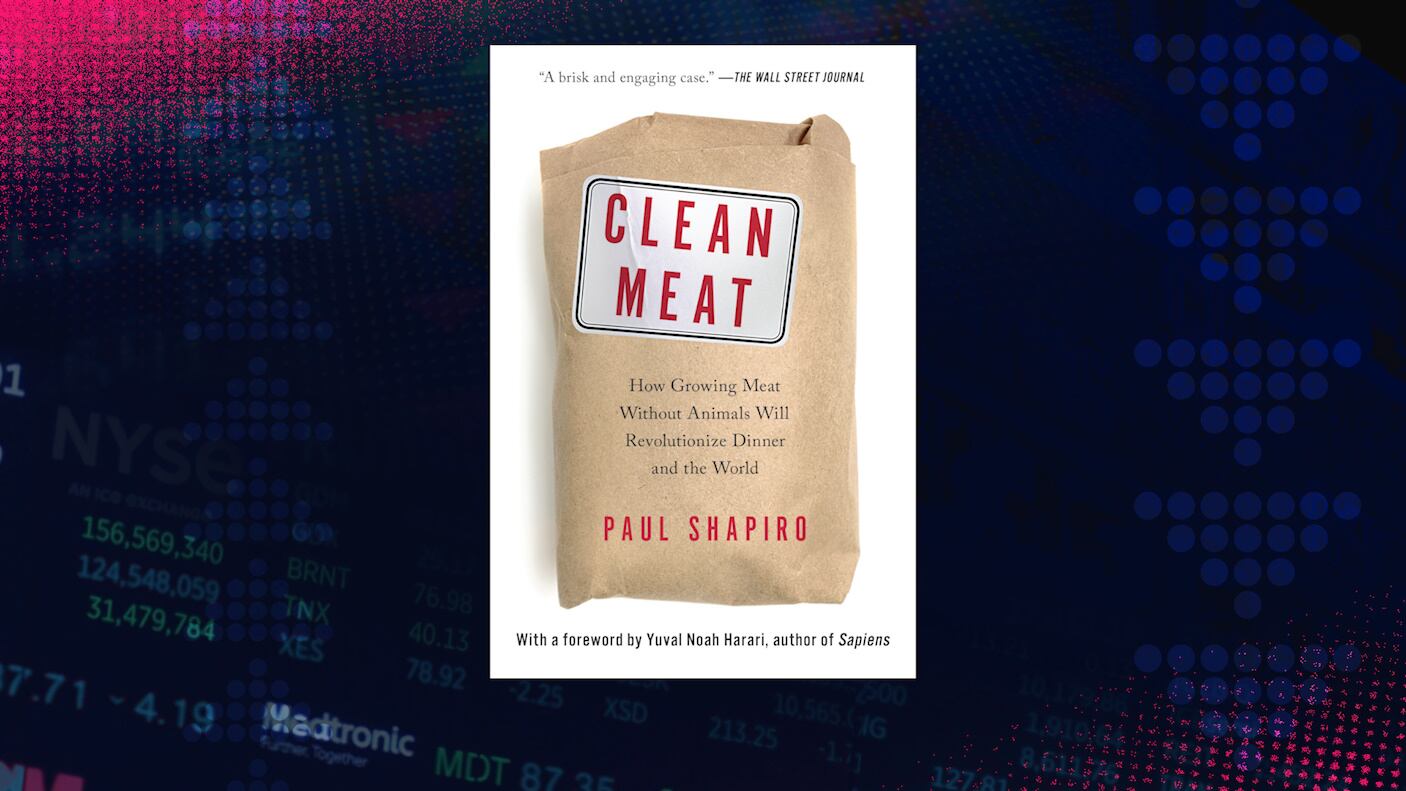
Author of 'Clean Meat,' Paul Shapiro joins Cheddar to discuss how the cellular agricultural revolution helps lower rates of foodborne illness and greatly improves environmental sustainability. Plus, how his company The Better Meat Co. is bringing healthier food options to the table.
Recent headlines might make it sound like World War III is imminent, but when it comes to your finances, it's not the time to panic. The market is coming off its longest winning streak since 2011.
You may have noticed fewer new venture capital-backed startups (like Airbnb or Uber) lately. The market slowed to a crawl after 2021, but things are expected to take off again in 2025.
Corporate earnings season is underway, that time when companies share their billions in sales or double-digit profits. But the data shows even companies are struggling with high inflation and interest rates.
Boeing continues their terrifying trend of having their planes fall apart mid-flight, inflation — checks notes — is still up and the future of AI looks terrifying. Cheery!
Food waste – uneaten scraps or leftovers sent to landfills – is responsible for 10% of global emissions. Mill, a new product from the co-founder of Nest, thinks technology can play a role in eliminating it.