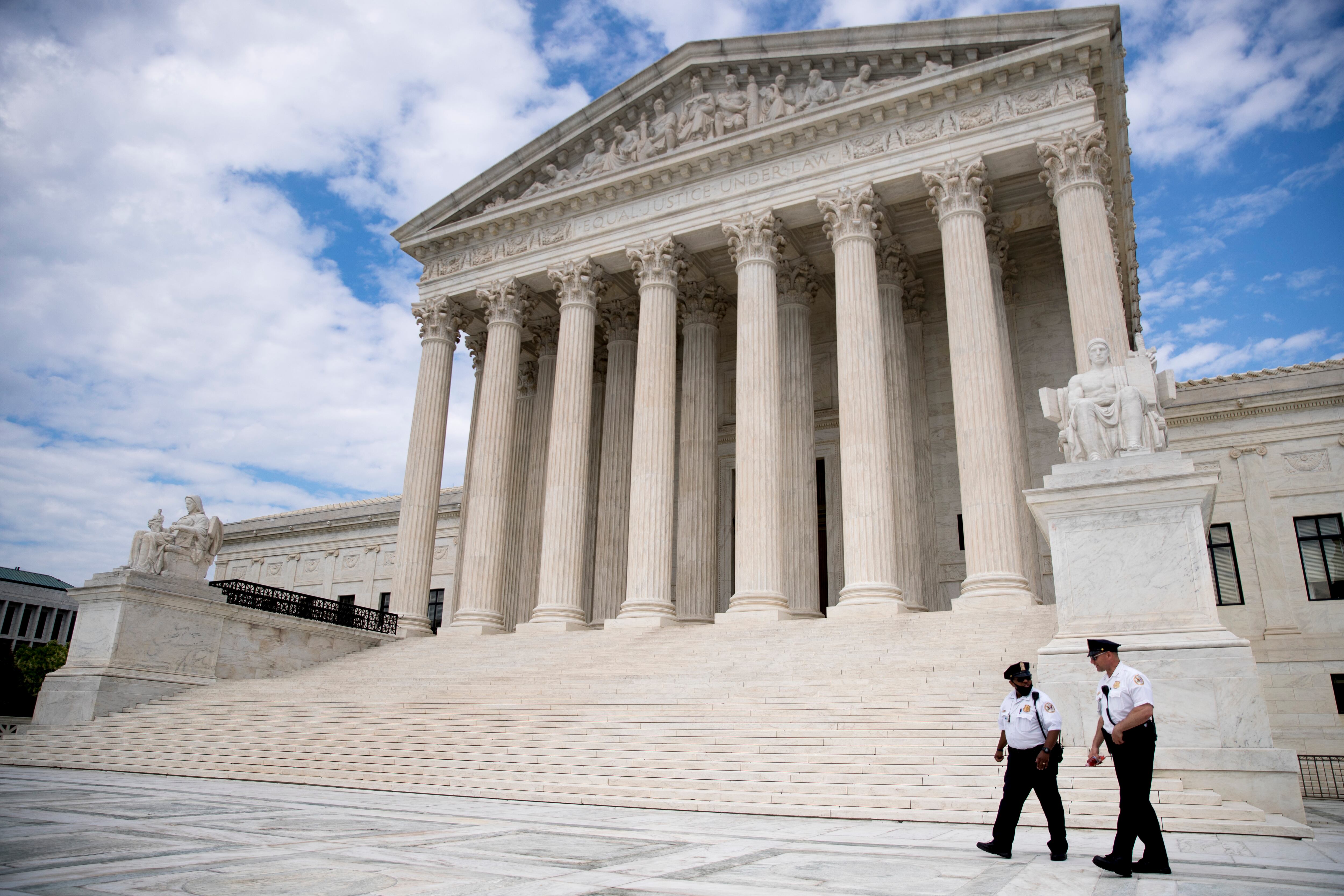
The Supreme Court on Wednesday temporarily prevented the House of Representatives from obtaining secret grand jury testimony from special counsel Robert Mueller's Russia investigation.
The court's unsigned order keeps previously undisclosed details from the investigation of Russian interference in the 2016 election out of the hands of Democratic lawmakers at least until early summer. The court will decide then whether to extend its hold.
The federal appeals court in Washington ruled in March that the documents should be turned over because the House Judiciary Committee’s need for the material in its investigation of President Donald Trump outweighed the Justice Department’s interests in keeping the testimony secret.
Mueller’s 448-page report, issued in April 2019, “stopped short” of reaching conclusions about Trump’s conduct, including whether he obstructed justice, to avoid stepping on the House’s impeachment power, the appeals court said.
The committee was able to persuasively argue that it needed access to the underlying grand jury material to make its own determinations about the president’s actions, the court said.
The materials initially were sought last summer, but by the time the appeals court ruled in March, Trump had been impeached by the House and acquitted by the Senate.
The Justice Department said in its Supreme Court filings that the court’s action was needed in part because the House hasn’t given any indication it “urgently needs these materials for any ongoing impeachment investigation.”
The House had opposed the delay on the grounds that its investigation of Trump was continuing, and that time is of the essence because of the approaching election. The current session of the House will end Jan. 3, and lawmakers elected in November will take their seats.
The committee investigation “continues today and has further developed in light of recent events,” the House told the justices, citing the “possible exercise of improper political influence” on decisions to seek a shorter prison term for Trump confidant Roger Stone and end the prosecution of former national security adviser Michael Flynn, despite his two guilty pleas.
The case is one of several ongoing court disputes between the Trump administration and Congress.
The Supreme Court heard arguments last week over whether Trump’s accountants and banks must turn over financial records to House committees. The administration is not a party to the case but is backing the president.
The appeals court also is weighing whether former White House counsel Don McGahn must appear before the committee to answer questions related to the Mueller investigation. And the Justice Department has said it will ask the Supreme Court to step in and kill a lawsuit alleging that Trump is illegally profiting off the presidency through his luxury Washington hotel.
Mueller’s report detailed multiple interactions between the 2016 Trump campaign and Russia and examined several episodes involving the president for potential obstruction of justice. Mueller said his team did not find sufficient evidence to establish a criminal conspiracy between the campaign and the Kremlin to tip the election, though pointedly noted that he could not exonerate the president for obstruction.
Portions of the report were blacked out, including grand jury testimony and material that Mueller said could harm ongoing investigations or infringe on the privacy of third parties.
Grand jury testimony is typically treated as secret, in part to protect the privacy of people who are not charged or are considered peripheral to a criminal investigation. But several exceptions allow for the material to be turned over, including if it is in connection with a judicial proceeding.
Lower courts agreed with lawmakers that impeachment is considered a judicial proceeding, rejecting Justice Department arguments to the contrary.
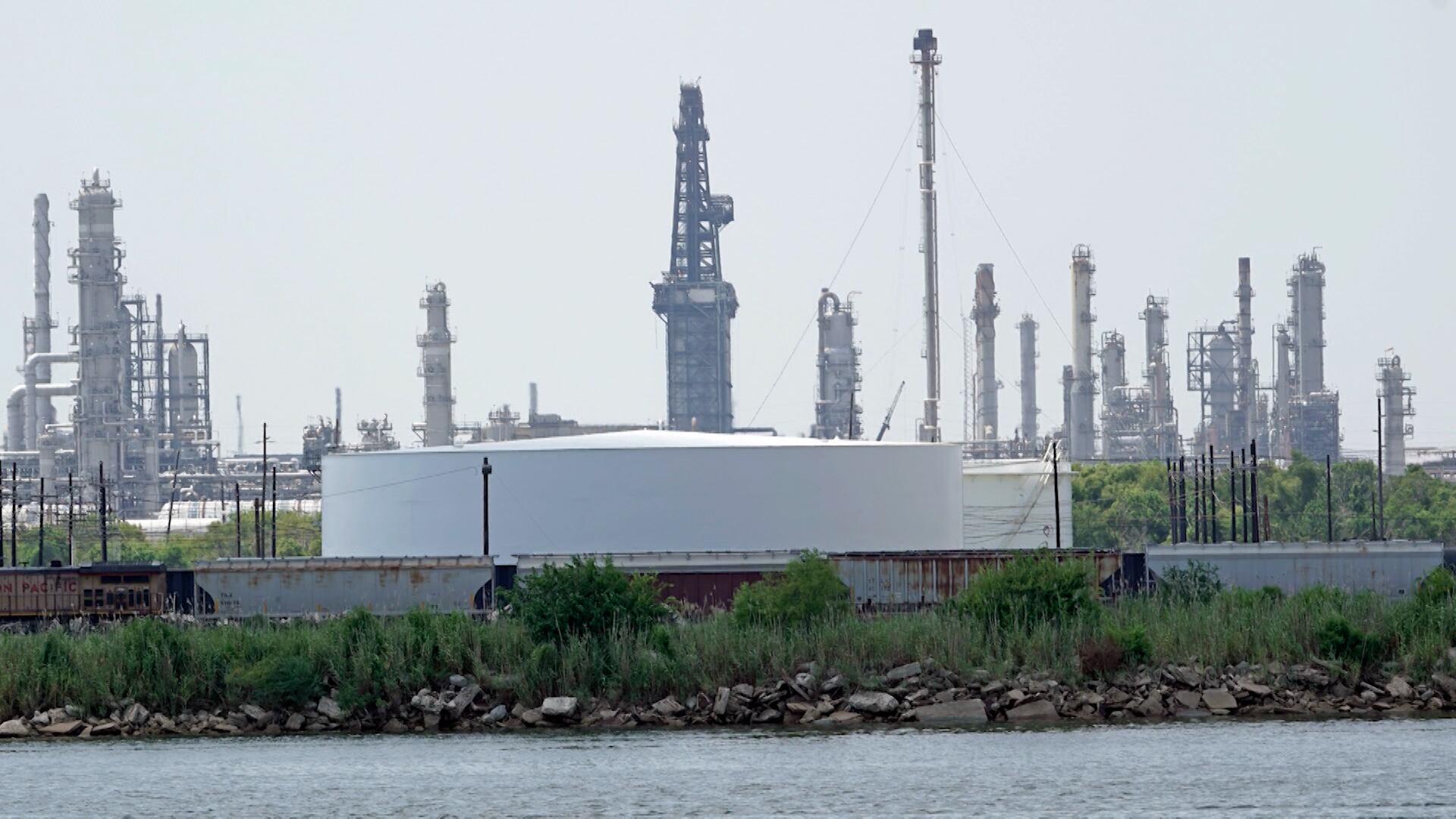
President Biden announced a ban on Russian oil and natural gas imports to the U.S. in response to its invasion of Ukraine, a move he warned could lead to an even greater surge in gas prices. The ban is prompting a conversation about the current oil production levels in the U.S. and whether or not the industry can ramp up production to soften the blow to American families at the gas pump. Clark Williams-Derry, Energy Finance Analyst with the Institute for Energy Economics and Financial Analysis, breaks down the state of the U.S. oil industry and how the ban might impact production levels here at home.
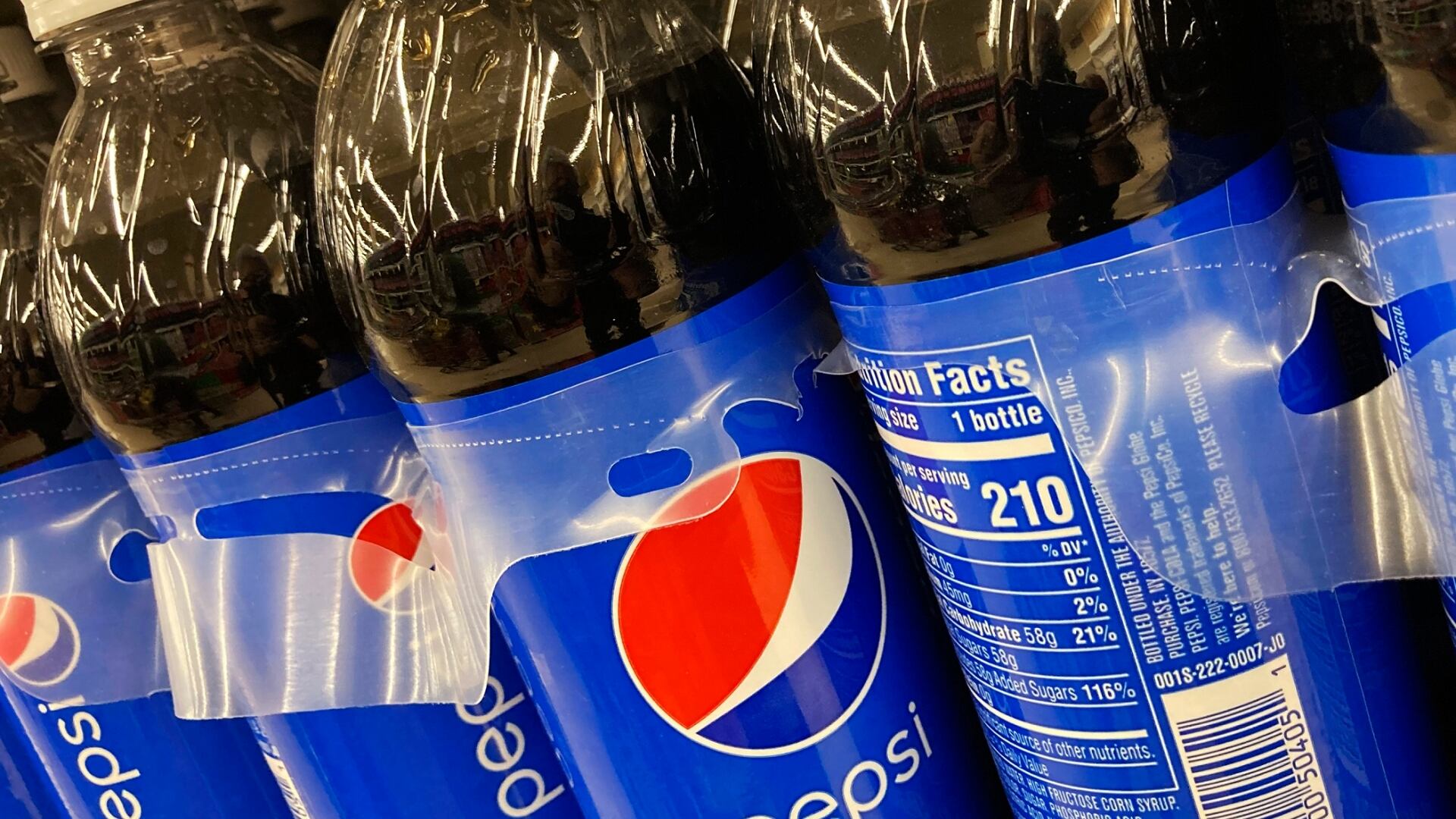
PepsiCo, Coca-Cola, McDonald’s, and Starbucks are the latest American food brands to have halted business operations in Russia after having faced scrutiny and criticism for originally failing to do so amid the country's invasion of Ukraine.
As Russia intensifies its war on Ukraine, President Biden announced a ban on oil imported from the aggressor nation. Critics of Russia have said this would be the best way to force Putin to pull back, but curbs on Russian oil exports are expected to send already skyrocketing oil and gas prices even higher, further impacting consumers, businesses, financial markets, and the global economy. Leslie Beyer, CEO of the Energy Workforce and Technology Council, joined Cheddar News' Closing Bell to discuss. "It's certainly going to increase pricing, but it is the right thing to do," she said. "The industry itself has already pulled out of the significant portion of its operations in Russia."
Sports Betting in the U.S. is booming. According to industry experts, we could see another boom this year as more states move towards statewide legalization of sports wagering. While this comes as huge news for fans, there are some very real concerns as to whether or not sports betting potentially poses a threat to public health. Senior Clinician at the Caron Treatment Centers, Eric Webber, joined Cheddar to discuss more.
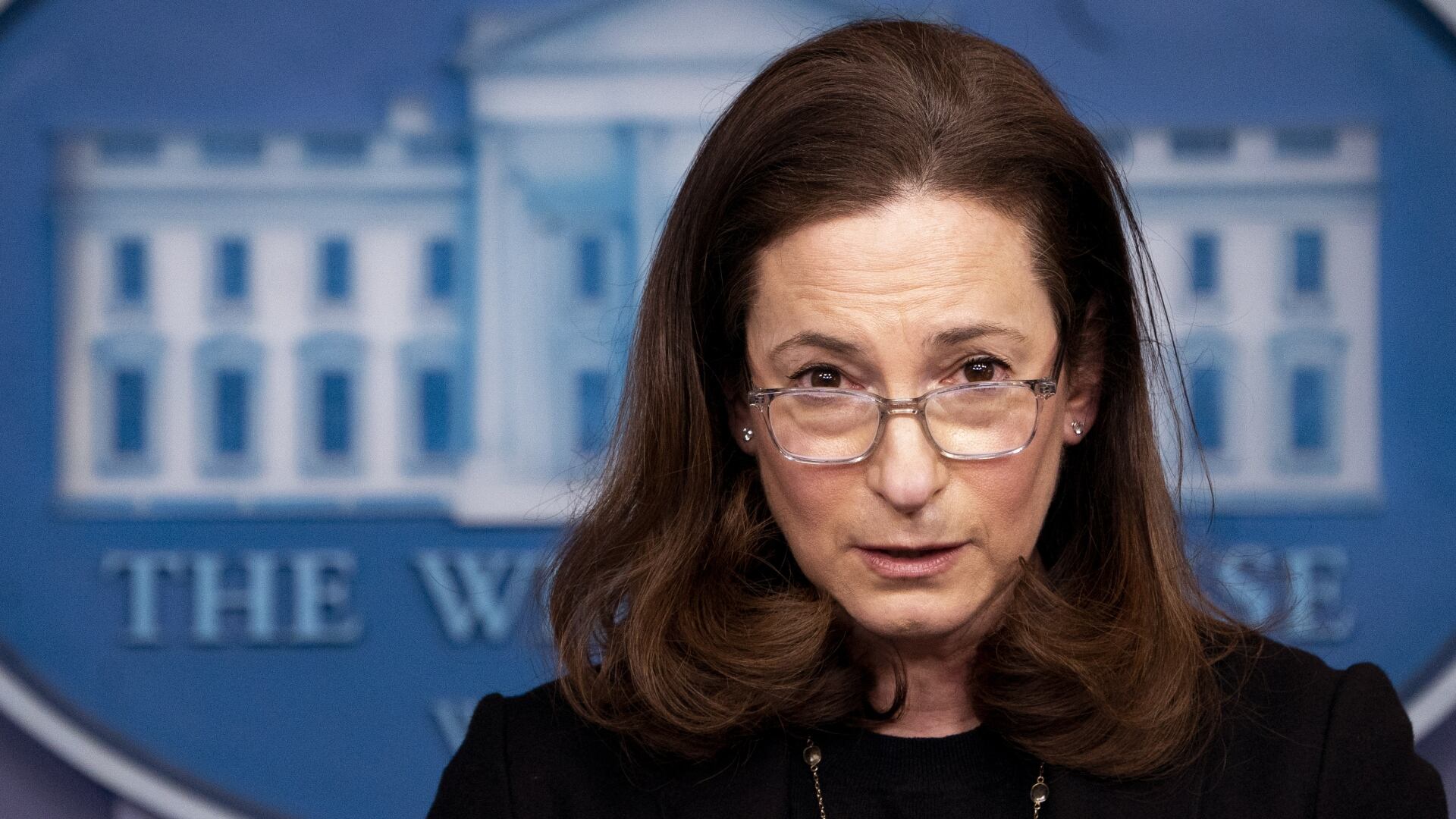
The Biden administration has made gender policy a core part of how it governs. The president established the first Gender Policy Council. It's on the same level as the National Security Council, Domestic Policy Council and National Economic Council, putting the interests of women and other underserved groups at the table for the most important policy discussions.
Cheddar News sat down with Jennifer Klein, executive director and co-chair of the White House Gender Policy Council, to discuss the council's work and its significance during Women's History Month.
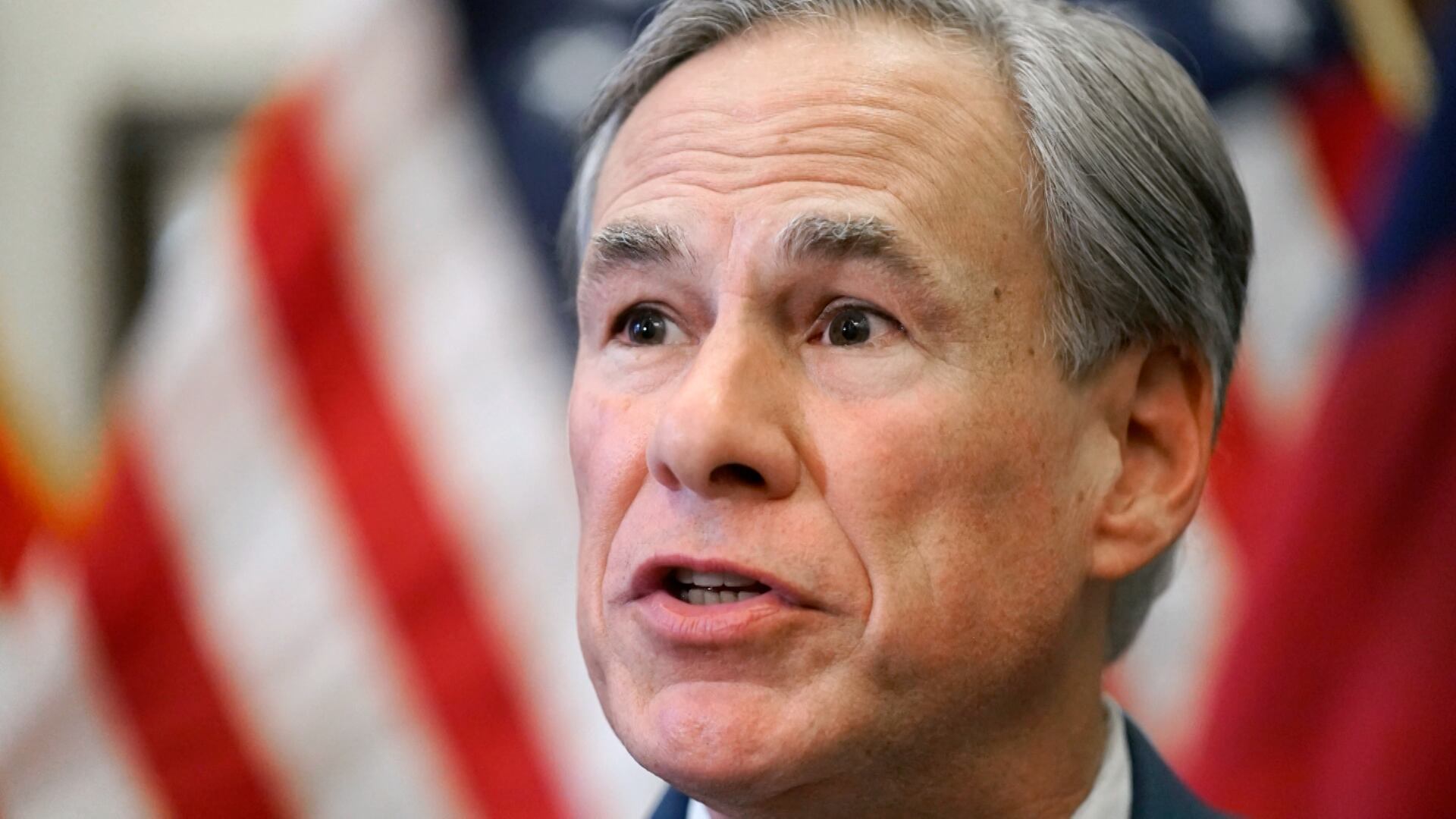
State Representative Jessica González, Vice Chair of the Texas House LGBTQ Caucus, joins Cheddar News to discuss the latest Texas anti-transgender directive.
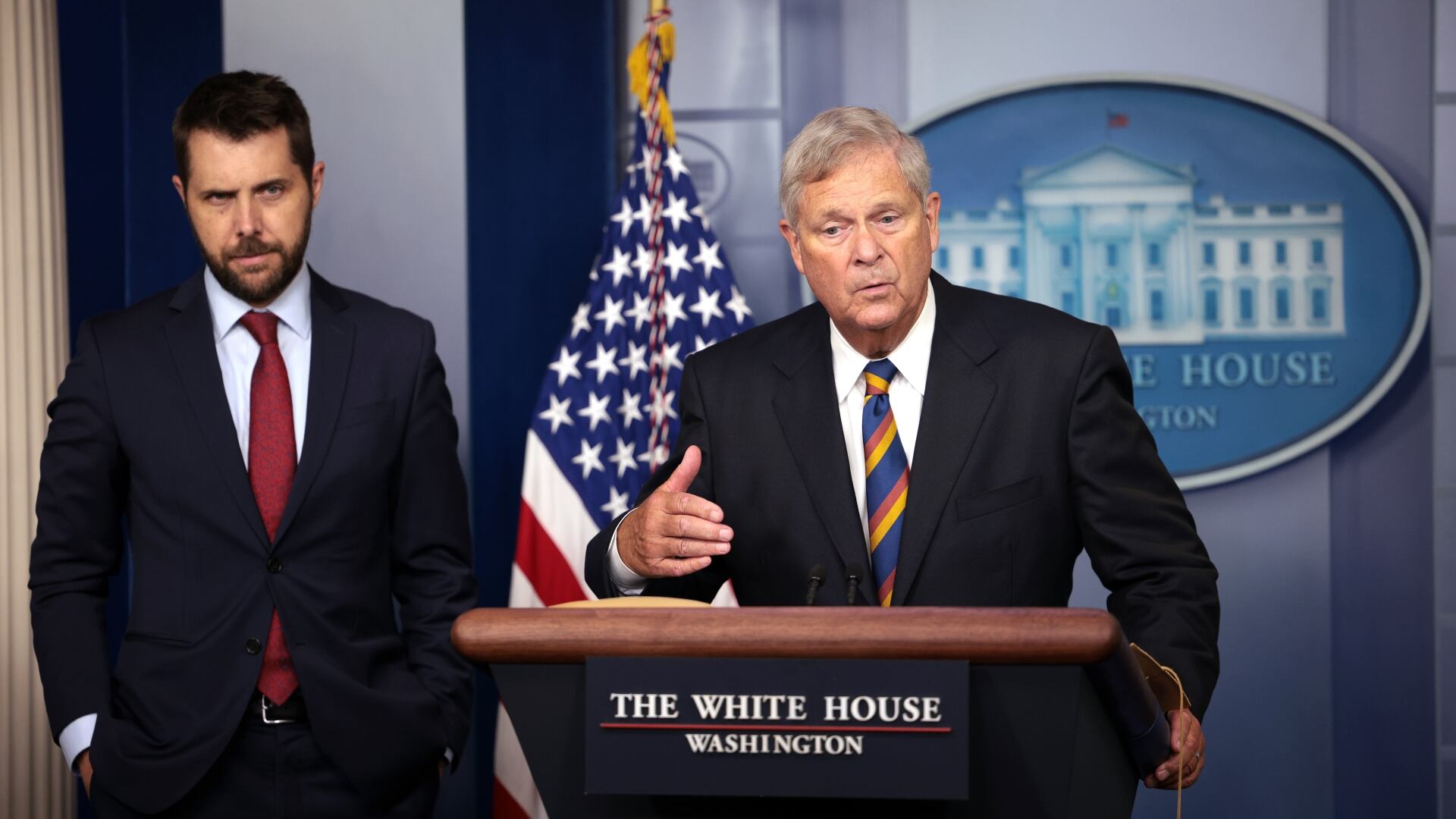
The United States Secretary of Agriculture, Tom Vilsack joins None of the Above to discuss the newly emerging conflict in Europe, what it means for agriculture in the states, dairy and meat consumption, and how the department is planning to promote climate-smart agriculture.
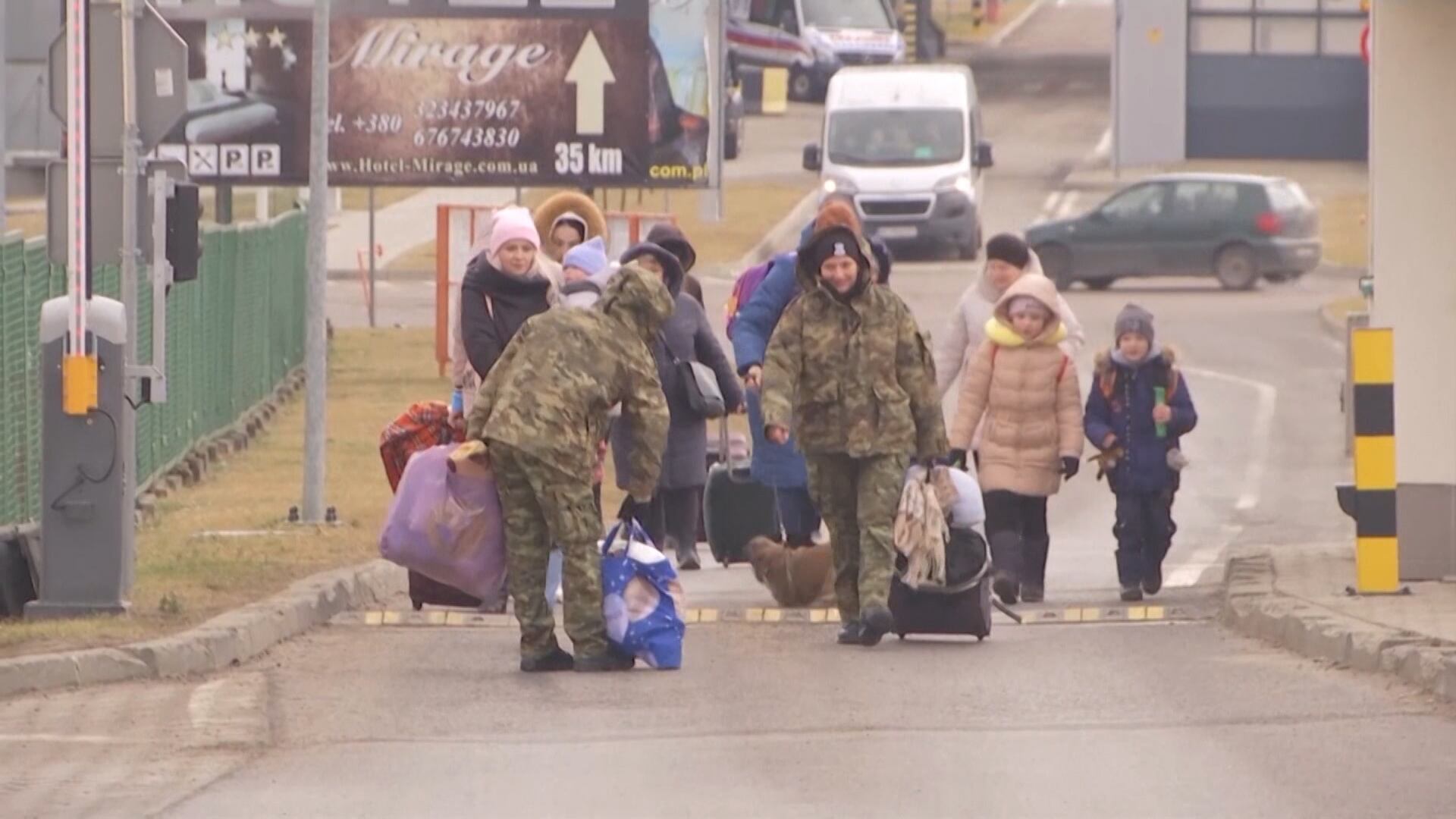
Tens of thousands of people have fled Ukraine in attempts to escape the Russian Invasion. According to the U.N. neighboring countries like Poland, Hungary, and even Romania have seen half a million refugees. While the hospitality is being welcomed by many, it also highlights the mistreatment of migrants and refugees from the Middle East and Africa. Professor of Philosophy and Director of Politics at Northeastern University Serena Parekh, joined Cheddar, to discuss more.
As Russia unleashed war in the country of Ukraine, global leaders have started inflicting punishment on Vladimir Putin's regime via commercial and financial penalties. According to President Joe Biden Putin's aggression is "a flagrant violation of international law and it demands a firm response from the international community".However, the main question is will these sanctions actually work. Partner at Jenner & Block LLP, Rachel Alpert, joined Cheddar to discuss more.