By Mark Sherman
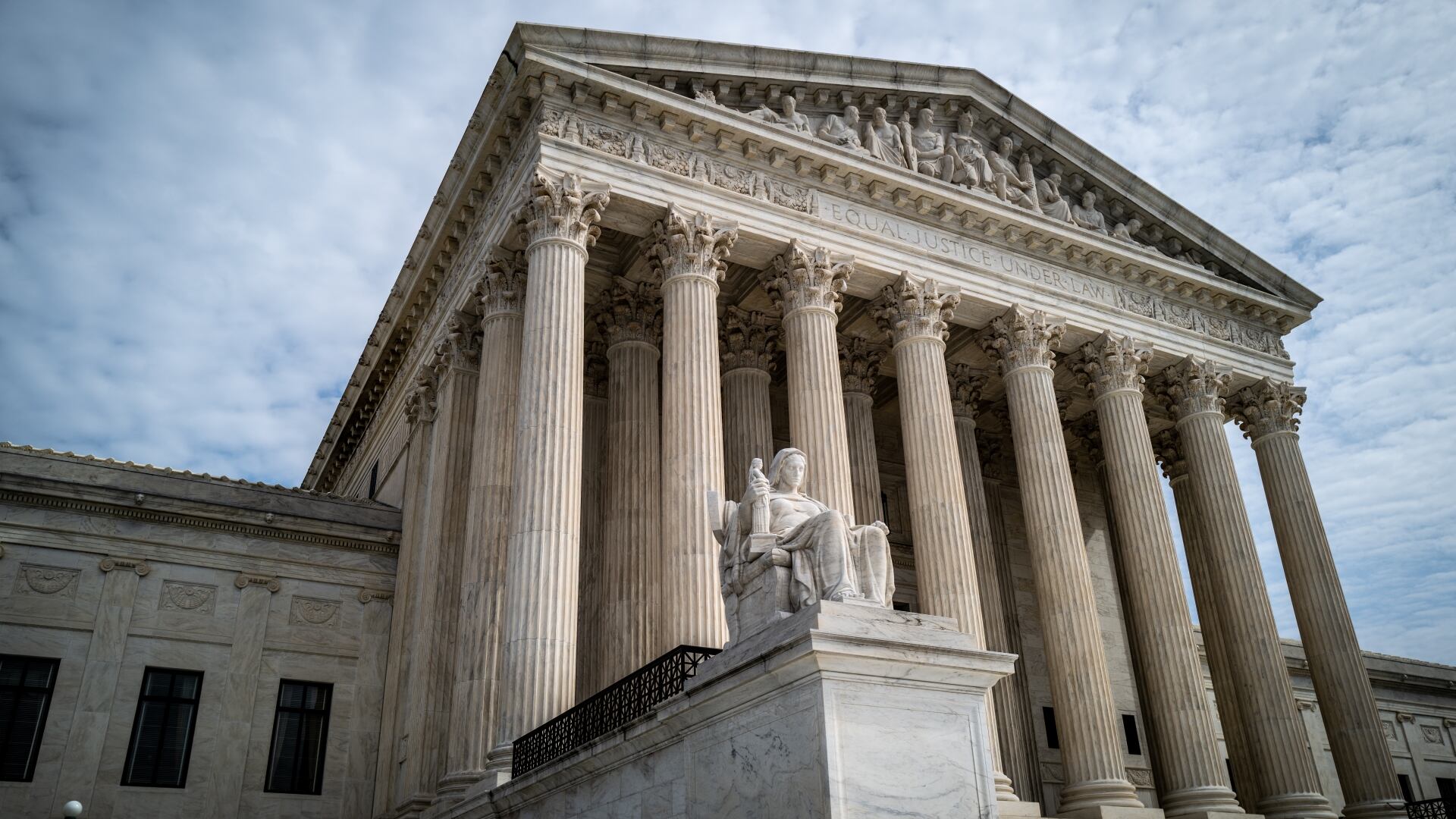
The Supreme Court on Monday adopted its first code of ethics, in the face of sustained criticism over undisclosed trips and gifts from wealthy benefactors to some justices, but the code lacks a means of enforcement.
The policy, agreed to by all nine justices, does not appear to impose any significant new requirements and leaves compliance entirely to each justice.
Indeed, the justices said they have long adhered to ethics standards and suggested that criticism of the court over ethics was the product of misunderstanding, rather than any missteps by the justices.
“The absence of a Code, however, has led in recent years to the misunderstanding that the Justices of this Court, unlike all other jurists in this country, regard themselves as unrestricted by any ethics rules,” the justices wrote in an unsigned statement that accompanied the code. “To dispel this misunderstanding, we are issuing this Code, which largely represents a codification of principles that we have long regarded as governing our conduct.”
In September, Justice Elena Kagan acknowledged that there were disagreements among the justices over the contents of an ethics code, but did not specify what they were. The justices achieved unanimity Monday, but predictably offered no explanation for how they got there.
Liberal critics of the court were not satisfied, with one group saying the code “reads a lot more like a friendly suggestion than a binding, enforceable guideline.”
Sen. Sheldon Whitehouse, D-R.I., one of the loudest voices complaining about the court’s ethical shortcomings, mixed praise for the court with a call to do more.
“This is a long-overdue step by the justices, but a code of ethics is not binding unless there is a mechanism to investigate possible violations and enforce the rules. The honor system has not worked for members of the Roberts Court,” Whitehouse said.
A court ethics code proposed by Whitehouse that cleared the Senate Judiciary Committee without any Republican support would allow for complaints and investigation by lower-court judges.
The ethics issue has vexed the court for several months, over a series of stories questioning the ethical practices of the justices. Many of those stories focused on Justice Clarence Thomas and his failure to disclose travel, other hospitality and additional financial ties with wealthy conservative donors including Harlan Crow and the Koch brothers. But Justices Samuel Alito and Sonia Sotomayor also have been under scrutiny.
Three justices, Amy Coney Barrett, Brett Kavanaugh and Kagan have voiced support for an ethics code in recent months. In May, Chief Justice John Roberts said there was more the court could do to “adhere to the highest ethical standards,” without providing any specifics.
Public trust in and approval of the court is hovering near record lows, according to a Gallup Poll released just before the court's new term began on Oct. 2.
As recently as last week, Sen. Dick Durbin, D-Ill., chairman of the Senate Judiciary Committee, said the justices could quiet some of the criticism and a Democratic push to impose an ethics code on the court by putting in place their own policy.
Durbin's panel, which has been investigating the court’s ethics, has been planning to subpoena Crow and conservative activist Leonard Leo about their roles in organizing and paying for justices' luxury travel.
Republicans complained that Democrats were mostly reacting to decisions they didn't like from the conservative-dominated court, including overturning the nationwide right to an abortion.
The Democratic-backed ethics bill also would require that justices provide more information about potential conflicts of interest and written explanations about their decisions not to recuse. It would also seek to improve transparency around gifts received by justices. The Democratic bill had little prospect of becoming law in the Republican-controlled House, much less the closely divided Senate.
The push for an ethics code was jump-started by a series of stories by the investigative news site ProPublica detailing the relationship between Crow and Thomas. Crow has for more than two decades paid for nearly annual vacations, purchased from Thomas and others the Georgia home in which the justice’s mother still lives and helped pay for the private schooling for a relative.
ProPublica also reported on Alito's Alaskan fishing trip with a GOP donor, travel that Leo helped arrange. The Associated Press reported that Sotomayor, aided by her staff, has advanced sales of her books through college visits over the past decade. The AP also reported that universities have used trips by justices as a lure for financial contributions by placing them in event rooms with wealthy donors.
The court's initial step on ethics, in the spring, also did not mollify critics. Roberts declined an invitation from Durbin to testify before the Judiciary panel, but the chief justice provided a “Statement on Ethics Principles and Practices” signed by all nine justices that described the ethical rules they follow about travel, gifts and outside income.
The statement provided by Roberts said that the nine justices “reaffirm and restate foundational ethics principles and practices to which they subscribe in carrying out their responsibilities as Members of the Supreme Court of the United States.”
The statement promised at least some small additional disclosure when one or more among them opts not to take part in a case. But the justices have been inconsistent in doing so since.