This year's Super Bowl commercials hit the usual notes: inspiring sports tributes, outlandish celebrity cameos, high-concept movie parodies, and a few dashes of social awareness.
But in a media sphere with fewer and fewer television events that capture a national audience, it's still a winning formula, YouTube VP Tara Walpert Levy told Cheddar.
"I think it is getting harder and harder to find water cooler moments that bring together these kinds of audiences that once existed in traditional television," said Walpert Levy said. "The Super Bowl is one of the few and one of the biggest that still delivers."
To highlight the most popular videos as of game day, YouTube on Monday morning ranked the most-viewed Super Bowl LIV spots on the video service.
Amazon topped the list with its ad starring Ellen DeGeneres and Portia de Rossi as they imagined what the world was like before Alexa came along to answer everyone's questions.
Facebook, Jeep, Hyundai, and T-Mobile also fell into the top five with a mix of star-studded spots that tended toward absurd humor rather than the flashy or self-serious.
"Comedy definitely won the day here yesterday," Walpert Levy said.
She added that lighter fare does better in the short term, in part due to the festive mood that comes with Super Bowl viewing parties, but "if you look at the trend over a broader stretch, you see a more mixed story, because of some of those more touching ads really pop."
The life of Super Bowl ads before and after game day is increasingly a factor in which spots get remembered and talked about.
No less than 43 brands pre-released their ads online before game day. That's up from 30 brands the year prior, according to Ad Age.
Companies understandably want to get their money's worth. A 30-second spot costs $5.6 million. The price hit $5 million in 2017 and jumped to $5.2 million in 2018.
While airtime during one of America's last big TV events doesn't come cheap, access to such a large audience might still be worth the price tag.
"If you're looking for a water cooler moment and to get people talking and you've got a great ad, this is the place to be," Levy said.
Not only is April Financial Literacy Month, it’s also the kickoff of the spring homebuying season. So now is the time to make sure you have a financial plan in place – and why it might not be wise for that to include buying your first home.
While the U.S. may slowly be on the path to lowering inflation (and therefore interest rates), Europe has thoroughly trounced America, putting it on the path to lower rates by this summer.
April's release of the monthly Housing Starts and Building Permits reports by the Census Bureau provides crucial insights into the construction activity in the housing market. These reports are an economic indicator, shedding light on the current state of the housing market and its broader economic impact.
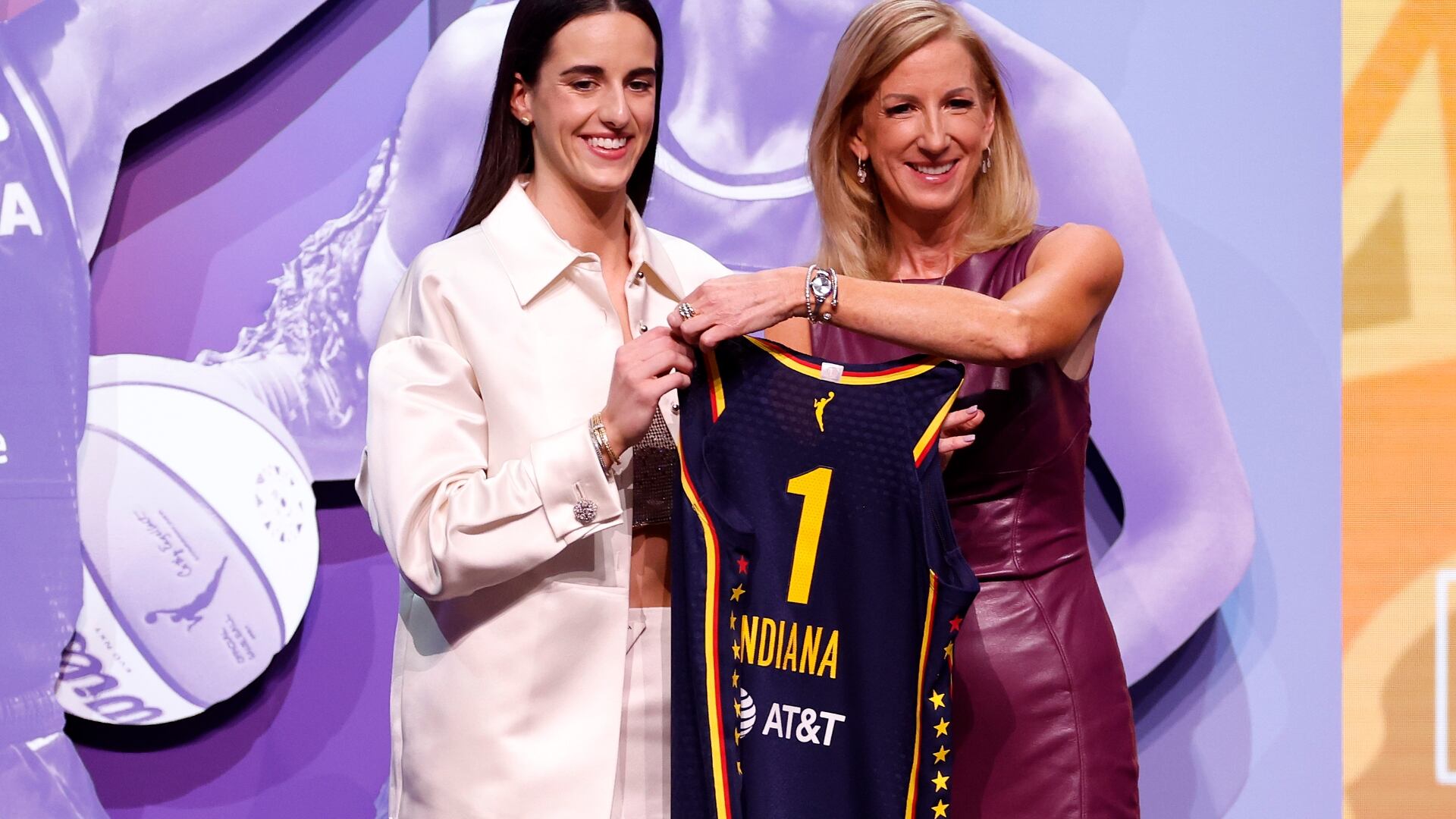
Caitlin Clark is heading to the Indiana Fever, the number one draft pick and the highest-scoring college basketball player of all time. And while she may not be getting millions from the WNBA, there's a few ways she'll net compensation for her generational talents.
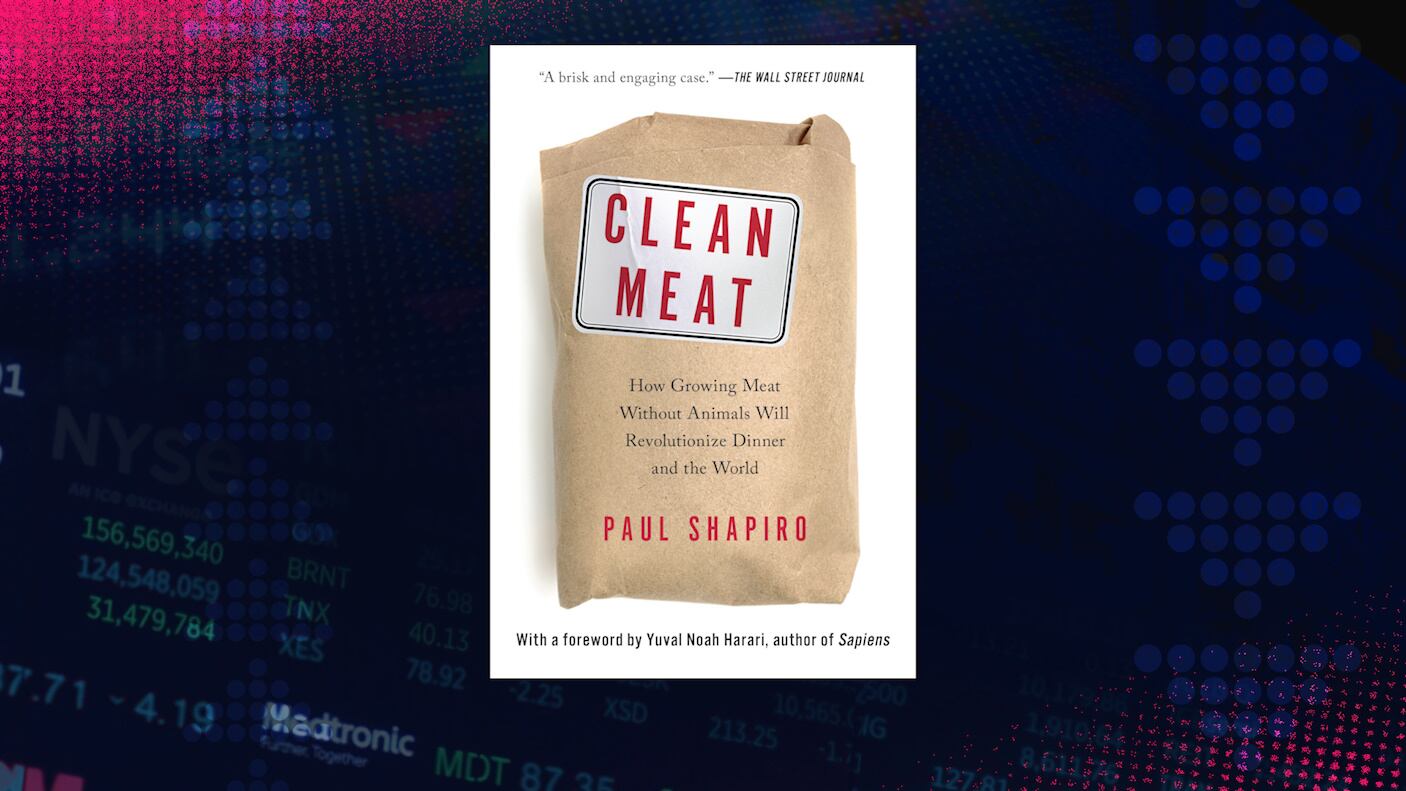
Author of 'Clean Meat,' Paul Shapiro joins Cheddar to discuss how the cellular agricultural revolution helps lower rates of foodborne illness and greatly improves environmental sustainability. Plus, how his company The Better Meat Co. is bringing healthier food options to the table.
Recent headlines might make it sound like World War III is imminent, but when it comes to your finances, it's not the time to panic. The market is coming off its longest winning streak since 2011.
You may have noticed fewer new venture capital-backed startups (like Airbnb or Uber) lately. The market slowed to a crawl after 2021, but things are expected to take off again in 2025.
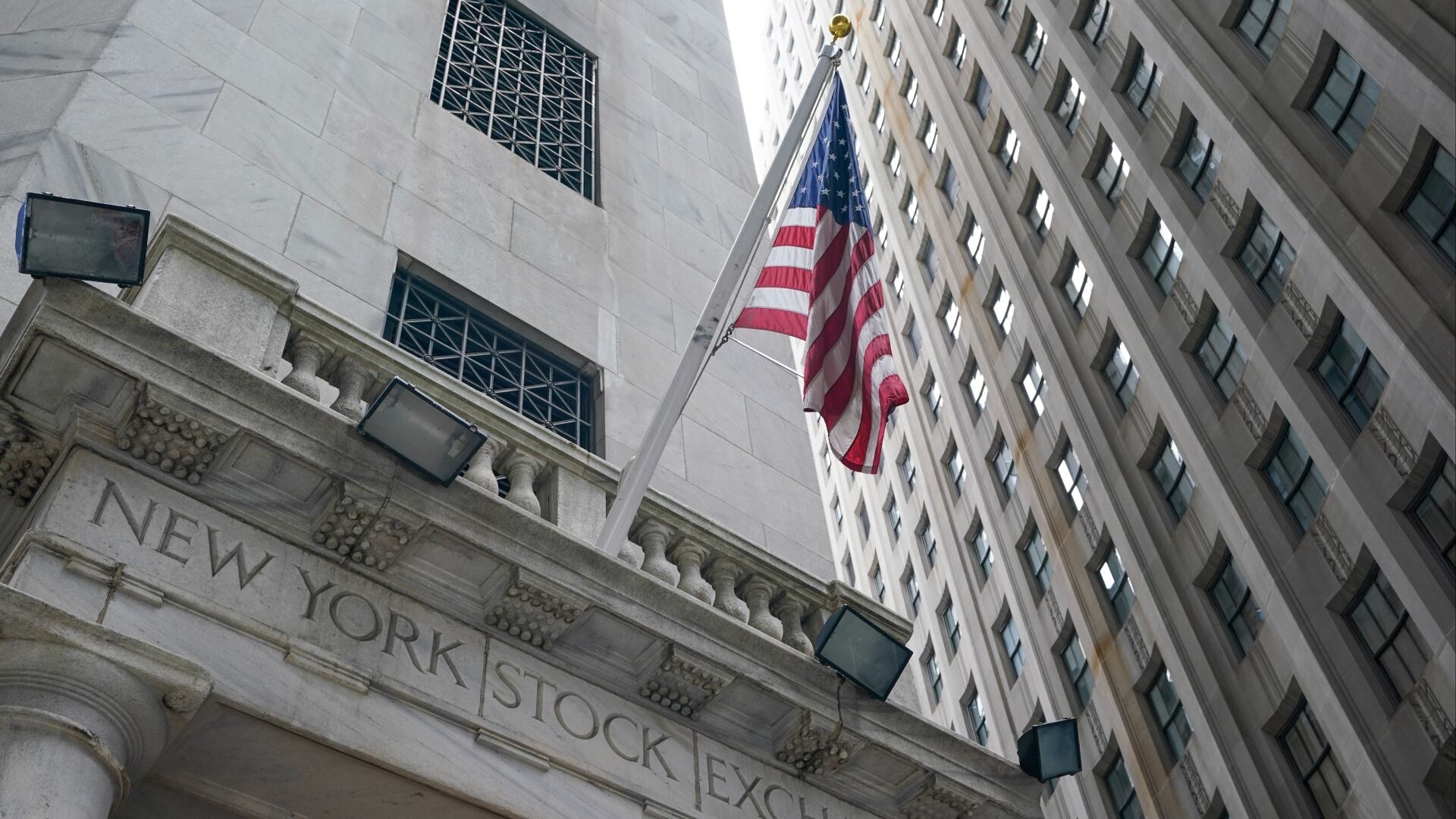
Corporate earnings season is underway, that time when companies share their billions in sales or double-digit profits. But the data shows even companies are struggling with high inflation and interest rates.
Boeing continues their terrifying trend of having their planes fall apart mid-flight, inflation — checks notes — is still up and the future of AI looks terrifying. Cheery!
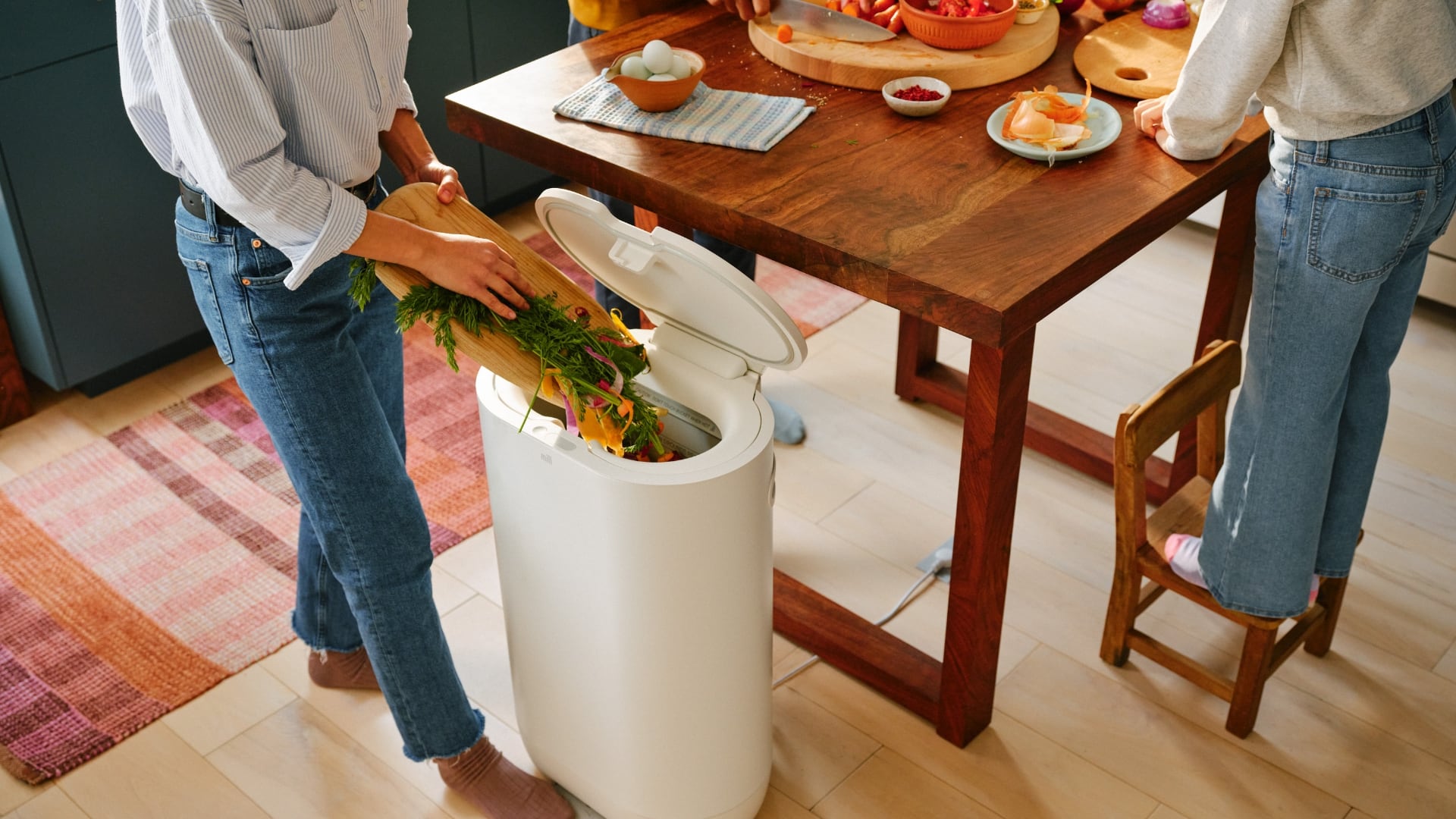
Food waste – uneaten scraps or leftovers sent to landfills – is responsible for 10% of global emissions. Mill, a new product from the co-founder of Nest, thinks technology can play a role in eliminating it.