St. Louis-based clothing brand Summersalt just raised $17.3 million in Series B funding and its founder and CEO said the company's goal is to "provide joy in all of our products."
The company, which launched in 2017 with a line of direct-to-consumer swimwear, uses recycled materials in its popular $95 swimsuits.
"We would never say never [about partnering with a company like Walmart or Amazon] but really the roadmap moving forward is to speak directly to our consumers, cut out the middle-man, and offer a better product for a better price," CEO Lori Coulter told Cheddar. Coulter, a former design professor and swimwear designer, founded Summersalt with marketing and brand consultant Reshma Chattaram Chamberlin.
Summersalt's second round of funding was led by Utah-based venture capital firm Mercato Partners. It last raised $8 million in April in a Series A round and is backed by firms including Founders Fund and Lewis and Clark Ventures.
"We're super excited about the funding," Coulter said. "The main thing we're doing is to continue to deliver on our promise to provide joy in all of our products, to infuse joy in all of our products that we're expanding to."
Since its launch with swimwear, Summersalt has expanded to travel-wear and sleepwear. Chattaram Chamberlin said in a press release "from the moment we launched Summersalt our goal was to own every corner of our customer's suitcase and with this latest round of funding we are one step closer to this."
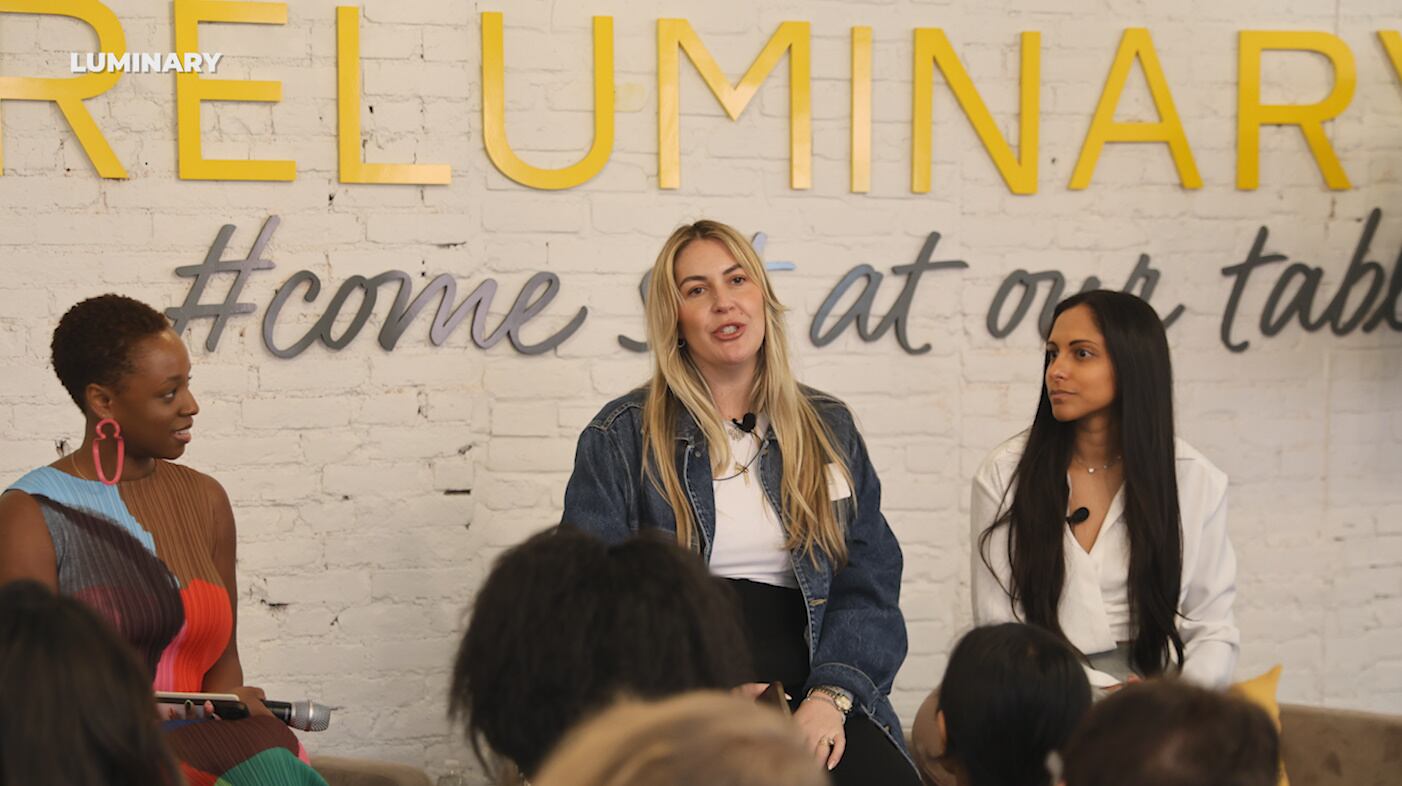
Luminary founder and CEO Cate Luzio shares some of the company’s latest Women’s History Month events and why there’s so much to celebrate about women in the workplace.
WSJ reporter Ray Smith breaks down why more companies are offering ‘dry’ promotions – a responsibility or title bump with no pay raise – and the pros and cons of accepting them.
Apple says a Justice Department antitrust lawsuit accusing it of engineering an illegal monopoly in smartphones in the U.S. is “wrong on the facts and the law.”
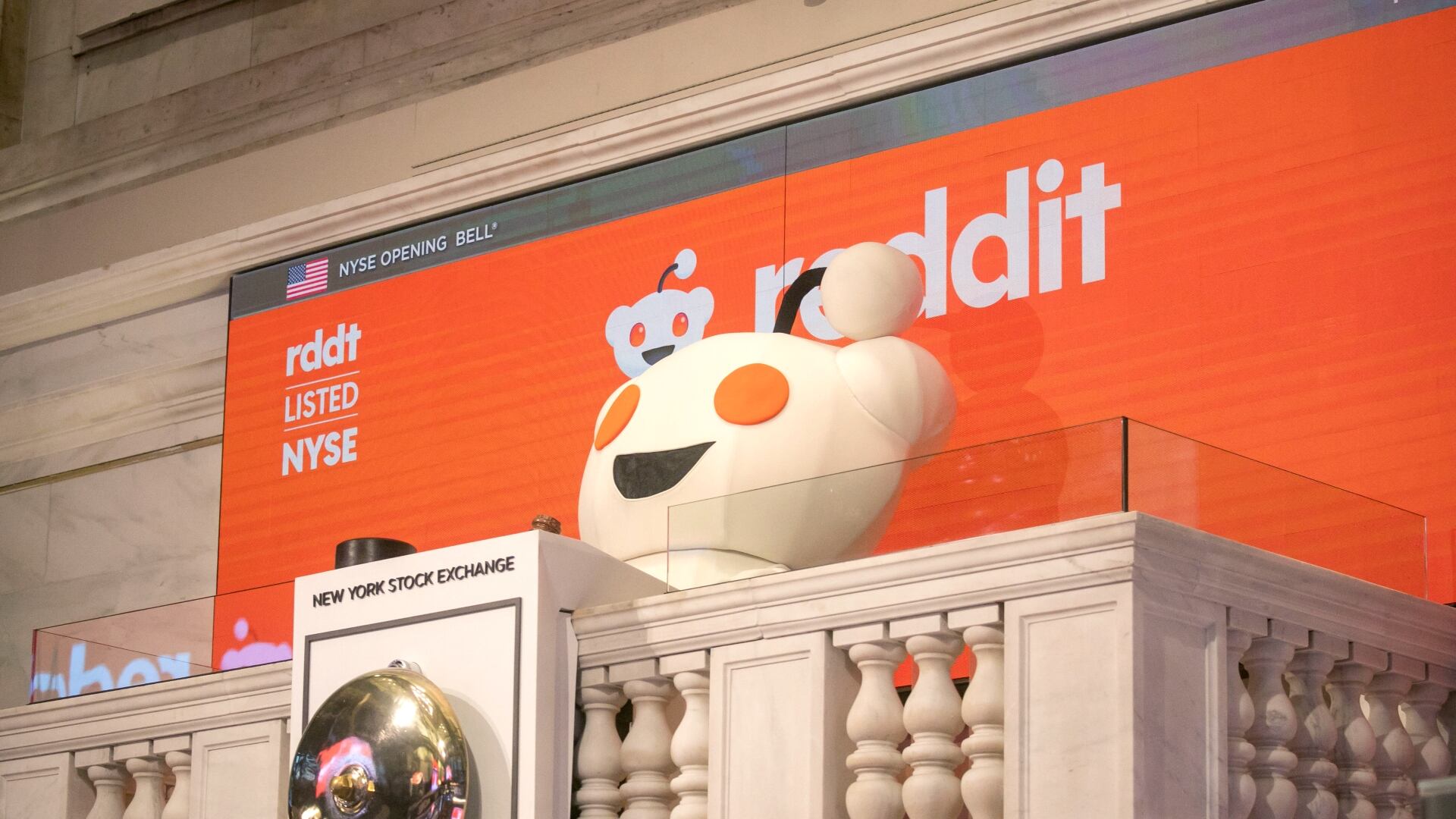
As Reddit shares begin trading at the NYSE, ‘Einstein of Wall Street’ Peter Tuchman breaks down the social platform’s debut and what it means for the overall IPO market in 2024.
CEO and co-founder of Alix, Alexandra Mysoor, discusses why it’s so important for everyone, regardless of income, to both plan and settle their estates.
After the Fed forecast three cuts to come in 2024, Kevin D. Mahn, President and CIO at Hennion & Walsh Asset Management breaks down why the market looks strong, and he sees some reasons for concern in Reddit’s choice to IPO.
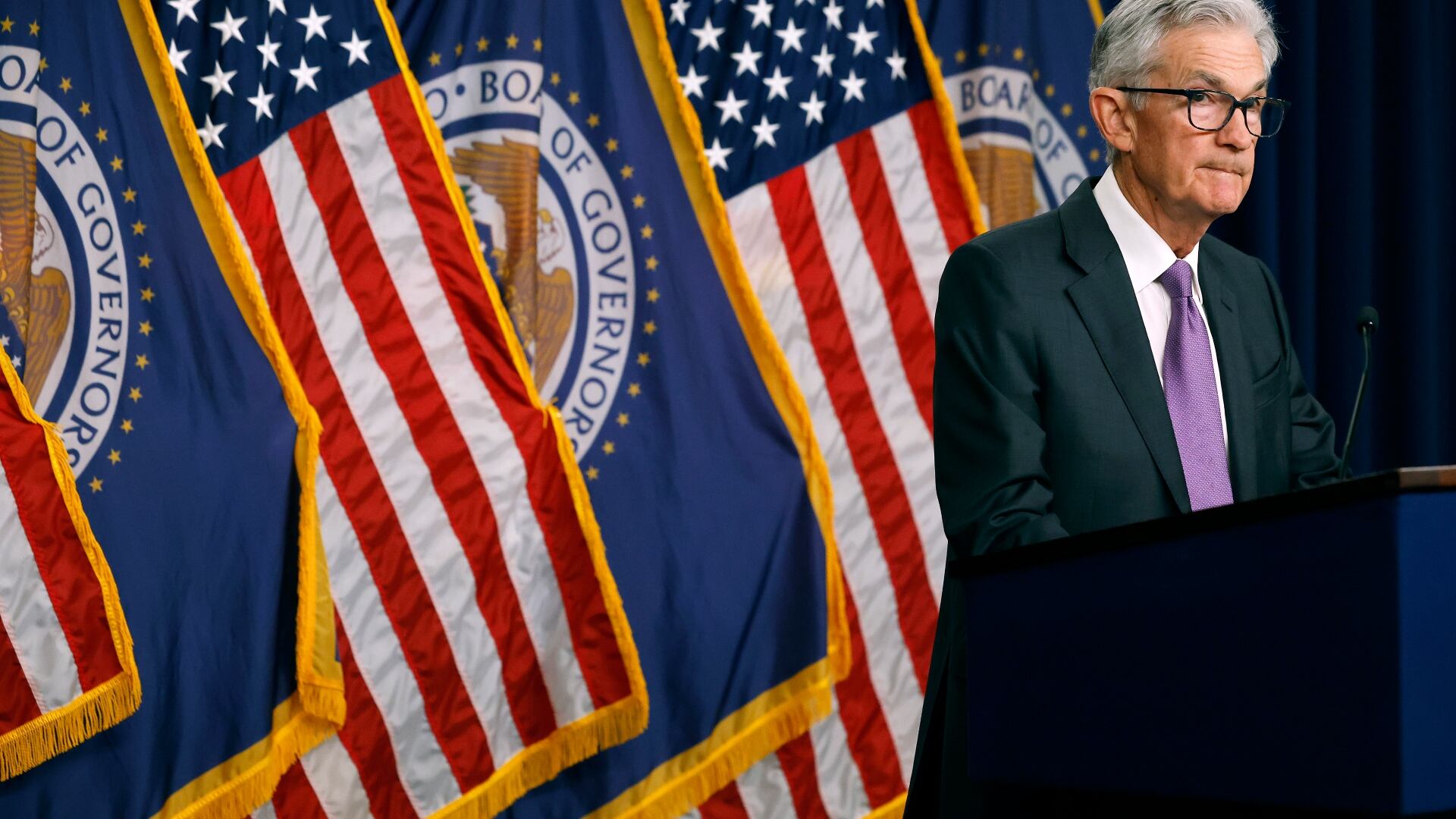
Federal Reserve officials signaled that they still expect to cut their key interest rate three times in 2024 despite signs that inflation was surprisingly high at the start of the year.