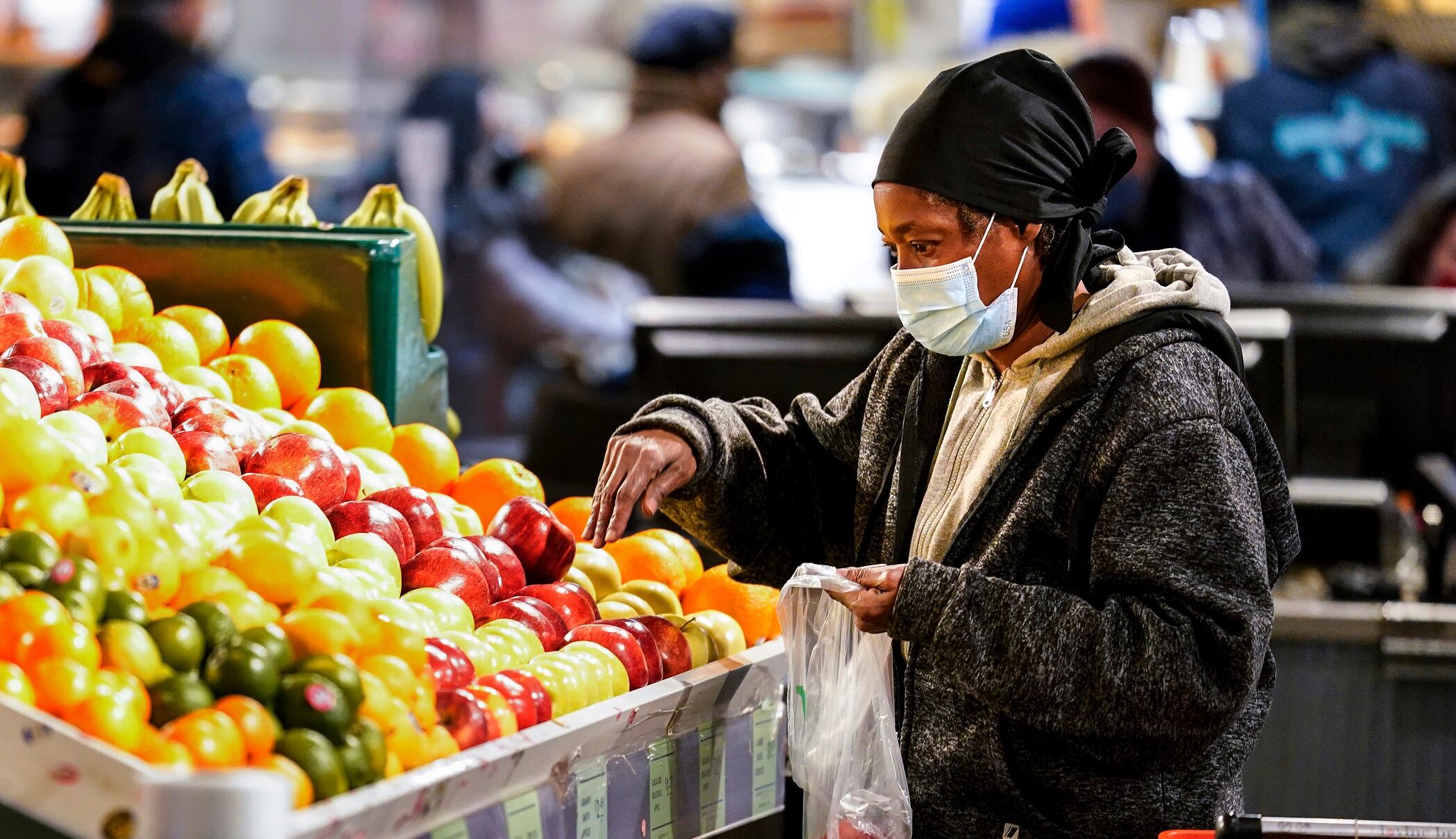
An Obama-era change to school lunches could be linked to a drop in childhood obesity rates, a new study suggests.
The American Journal of Diseases of Children suggested that a modification of public school lunches that boosted the amount of fruits, vegetables and whole grains students consumed could have lowered the body mass index of a swath of youth.
Dr. Aruna Chandran, social epidemiologist at Johns Hopkins Bloomberg School of Public Health and lead researcher on this study, told the Associated Press that making early dietary changes can have lasting effects on children.
"You have the potential to really impact their excess weight gain over the course of their entire childhood," she said.
Over 14,000 students ages 5 to 18 were tracked from January 2005 through March 2020 but there was a significant drop in overall BMI around the time the Hunger Free Kids Act was passed.
In 2010, a study by the American Heart Journal suggested that poor nutritional school lunches were, at least in part, linked to childhood obesity. It noted other factors like decreased physical activity and excessive recreational screen time as contributors to childhood weight gain.
Former first lady Michelle Obama spearheaded the call to make school lunches healthier during the same year.
"The Healthy Hunger Free Kids Act does still have impact in adolescents when they have such differences in dietary preferences, and the ability to purchase their own foods compared to younger children," Dr. Lauren Au, assistant professor at the University of California, Davis, told CNN.
Under the U.S. Renewable Fuel Standard (RFS), corn-based ethanol has been mixed into gasoline sold at pumps in the U.S. since 2005, when a policy was enacted aimed at reducing emissions. Corn-based ethanol had been thought to be a relatively greener energy source compared to other biofuels, but now, a new study published in the Proceedings of the National Academy of Sciences reports it may be actually worse for the climate than straight gasoline. Tyler Lark, an assistant scientist at the University of Wisconsin-Madison's Center for Sustainability, joined Cheddar News' Closing Bell and discussed the pushback against the study. "Essentially when you need to produce more corn to meet the demand for use as ethanol as fuel, farmers respond and they switch more crops like soybeans and wheat into corn," Lark said. "They also bring more land into production, so things that used to be pasture grassland, and both those activities are associated with increased greenhouse gas emissions."
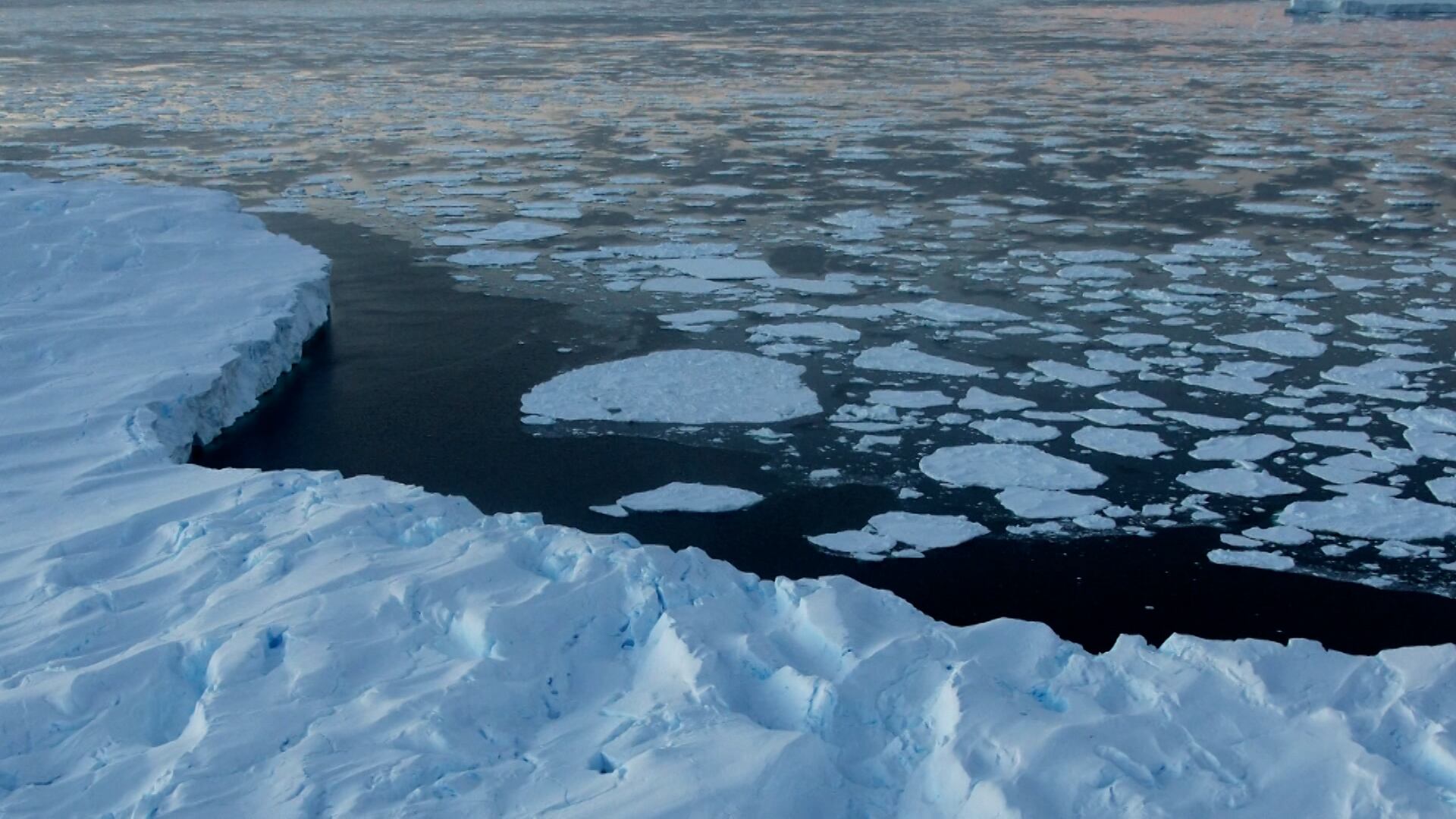
Caroline Hickman, lecturer at University of Bath and psychosocial researcher on climate change, joins Cheddar News to discuss climate change's impact on mental health.
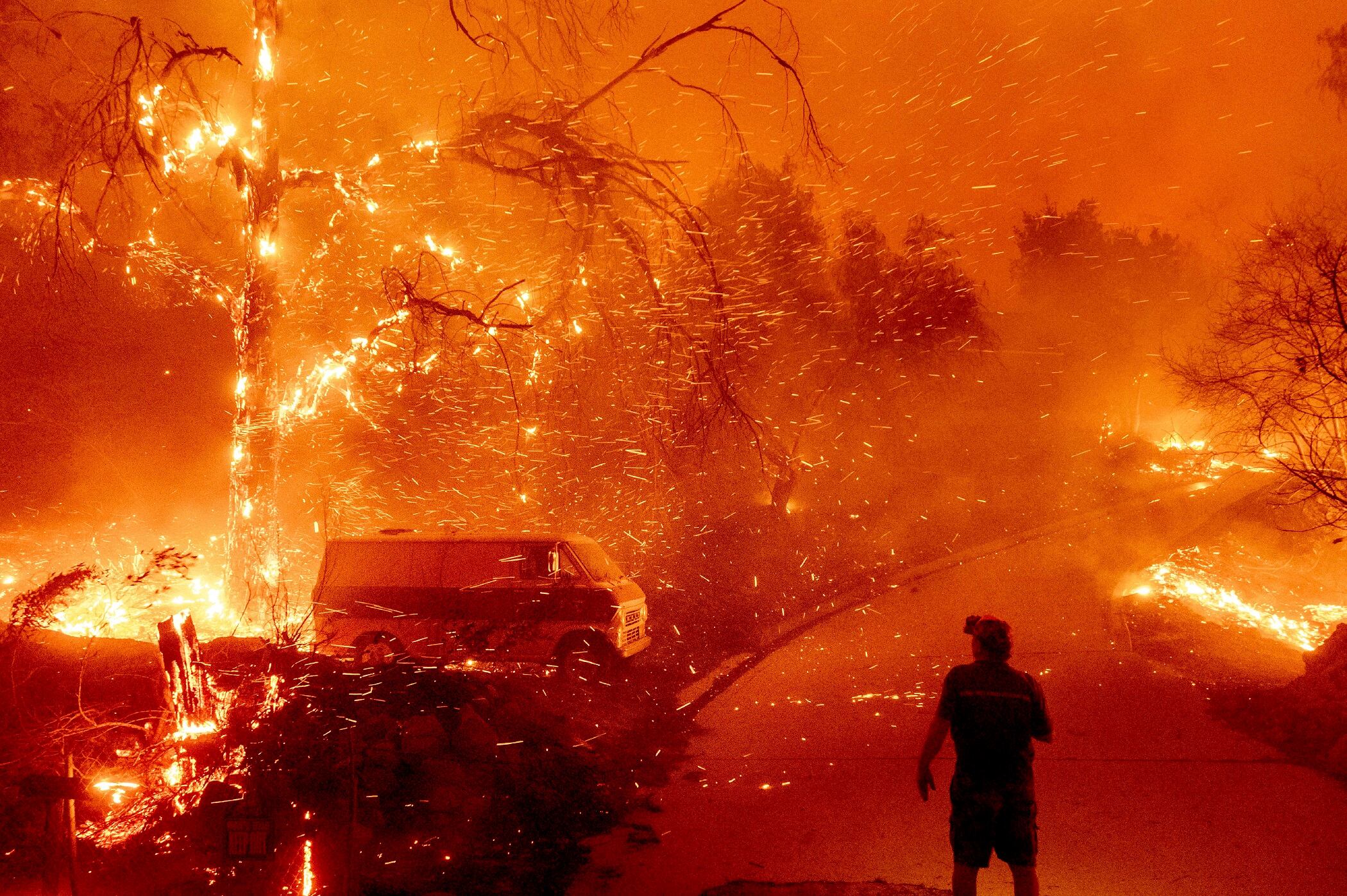
In a nearly 3,700 page UN report, climate scientists outline the imminent dangers caused by climate change, saying fossil fuels are 'choking humanity.' The report calls some of the impacts of global warming 'irreversible,' warning of extreme consequences in the near future. Kristie L. Ebi, Professor of Global Health and Environmental and Occupational Health Sciences, University of Washington joined Cheddar's Opening Bell to discuss.
World leaders are currently dealing with a handful of pressing issues, including Russia's invasion of Ukraine, inflation, and not to mention the COVID-19 pandemic; but it could be argued that the most pressing issue is one that has experienced its fair share of neglect in the past -- climate change. As tensions escalate between Russia and Ukraine, there is fear the focus on climate will once again be pushed aside. However, the White House appears to be making some effort to prevent that from happening. The White House Office of Science and Technology held a first-of-its-kind roundtable discussion with some of the nation's leading climate scientists on Thursday. Michael Mann, Director of the Earth System Science Center at Pennsylvania State University, and author of the book 'The New Climate War' joins Cheddar News' Closing Bell to discuss his experience as one of the climate scientists at the White House event.
On December 25, 2021, NASA got into the holiday spirit by launching the James Webb Space Telescope, the largest and most powerful space science observatory in history.
It is intended to succeed the Hubble Space Telescope as NASA's flagship mission in astrophysics and is able to view objects too old and distant for Hubble. Gregory Robinson, director of NASA's James Webb Space Telescope program, joins Cheddar News' Closing Bell to discuss the mission. "I think a lot of what we don't know today is what I'm expecting to find and certainly really understand what took place more than 13.5 billion years ago and see the formation of some of the first galaxies in our universe," said Robinson.
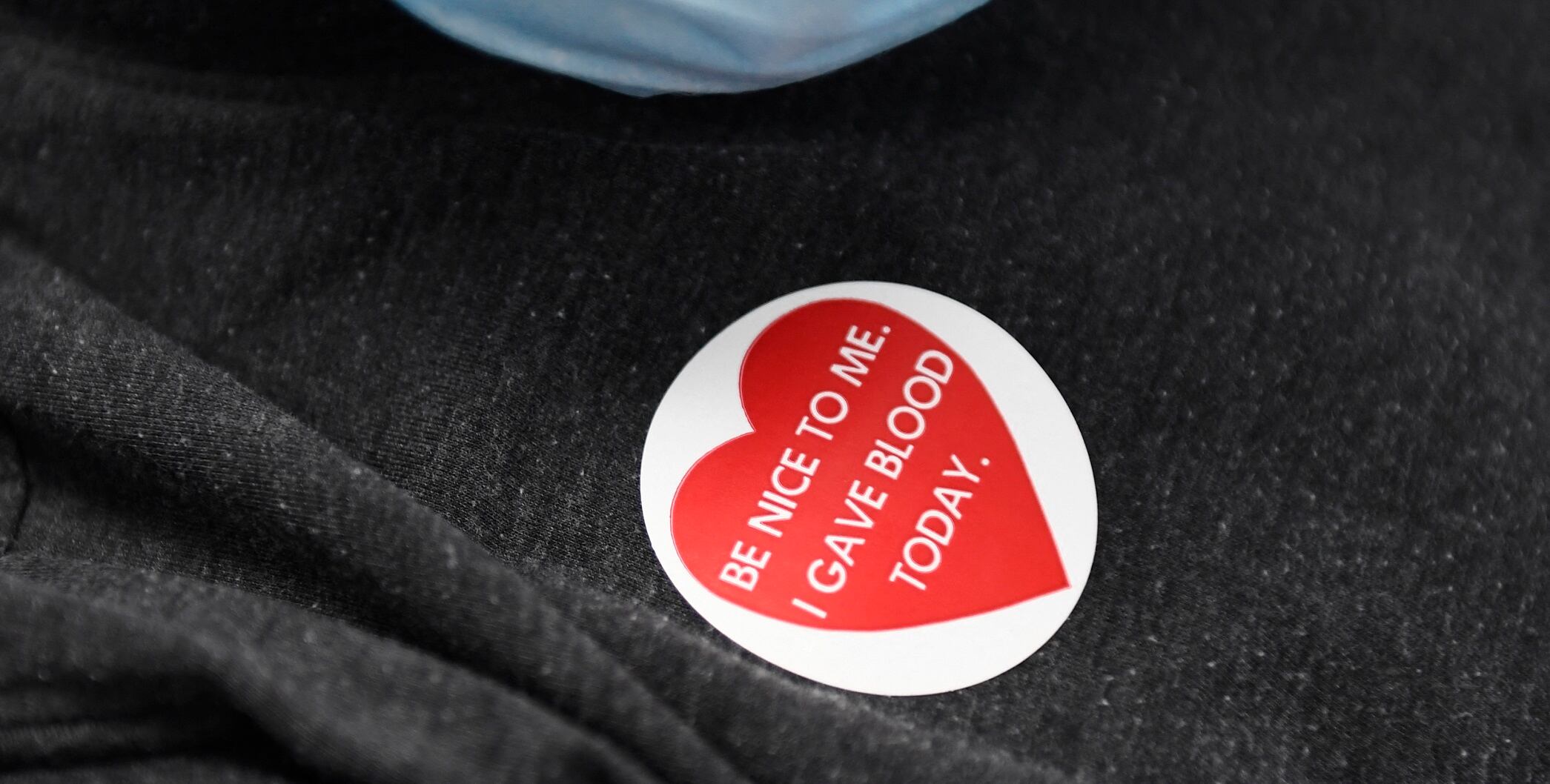
The COVID-19 pandemic disrupted blood donations leading to severe shortages throughout the country. Chloe Aiello reports on the desperate need for new donors.
GSK has unveiled its new consumer health unit called Haelon. Haleon will debut as a standalone company later this year. Katie Williams, U.S. chief marketing officer at GSK, joined Cheddar News to discuss.
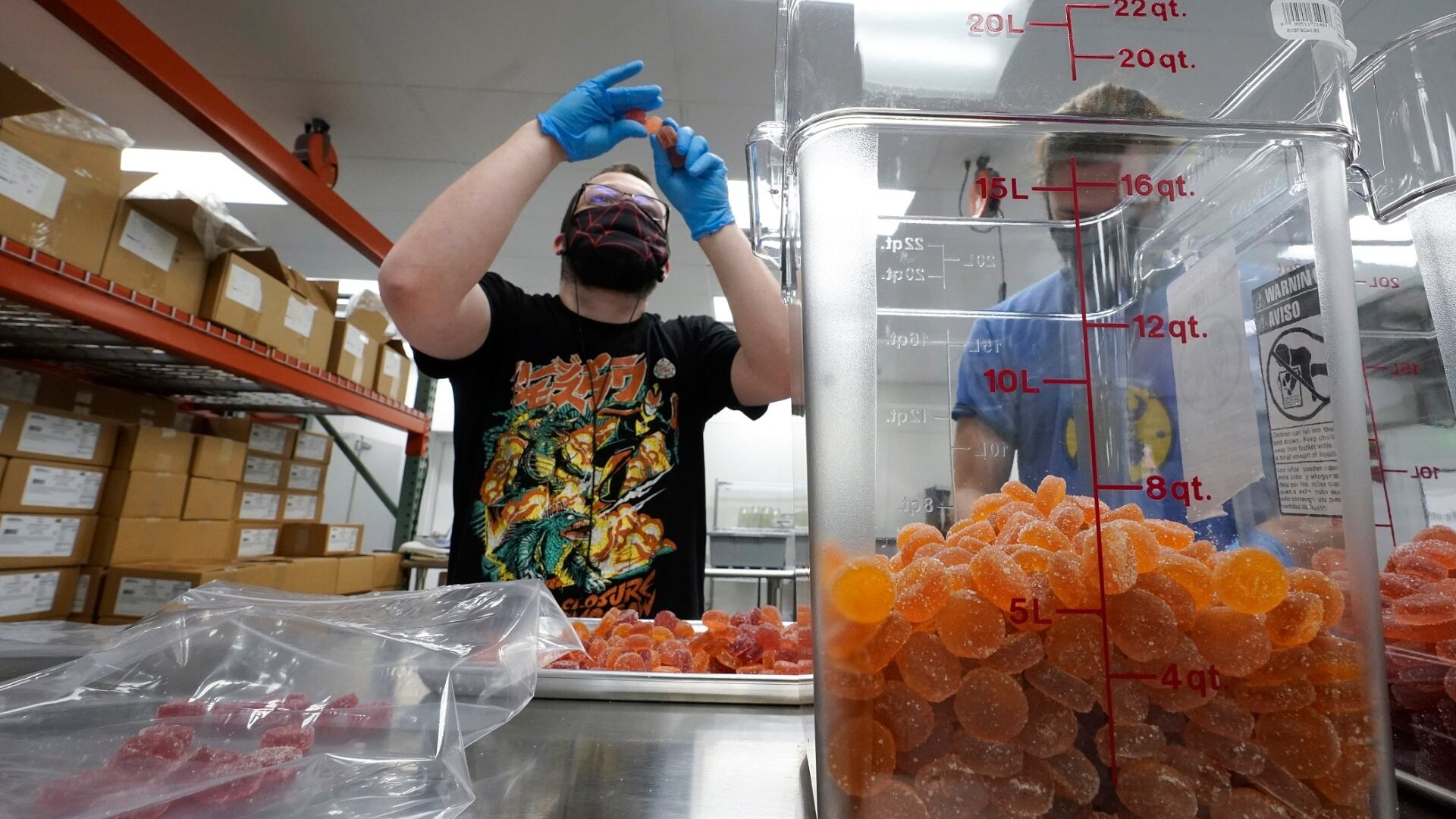
Even amid the Great Resignation, the cannabis industry saw major job growth. As of January 2022, the legal industry supported more than 428,000 jobs — a 33 percent increase year-over-year, according to the sixth annual jobs report from Leafly, a website focused on cannabis use and education. Yoko Miyashita, CEO of Leafly, joined Cheddar News' Closing Bell to discuss. “You know we've got big moments coming ahead in New Jersey and New York with adult-use sales starting in New Jersey, hopefully by this fall, with New York quickly to follow," she said. "So we're hugely optimistic about the kind of job growth that those markets can drive with the right type of market setup.