An Obama-era change to school lunches could be linked to a drop in childhood obesity rates, a new study suggests.
The American Journal of Diseases of Children suggested that a modification of public school lunches that boosted the amount of fruits, vegetables and whole grains students consumed could have lowered the body mass index of a swath of youth.
Dr. Aruna Chandran, social epidemiologist at Johns Hopkins Bloomberg School of Public Health and lead researcher on this study, told the Associated Press that making early dietary changes can have lasting effects on children.
"You have the potential to really impact their excess weight gain over the course of their entire childhood," she said.
Over 14,000 students ages 5 to 18 were tracked from January 2005 through March 2020 but there was a significant drop in overall BMI around the time the Hunger Free Kids Act was passed.
In 2010, a study by the American Heart Journal suggested that poor nutritional school lunches were, at least in part, linked to childhood obesity. It noted other factors like decreased physical activity and excessive recreational screen time as contributors to childhood weight gain.
Former first lady Michelle Obama spearheaded the call to make school lunches healthier during the same year.
"The Healthy Hunger Free Kids Act does still have impact in adolescents when they have such differences in dietary preferences, and the ability to purchase their own foods compared to younger children," Dr. Lauren Au, assistant professor at the University of California, Davis, told CNN.
A NASA astronaut is back on Earth after a yearlong, record-setting spaceflight. He caught a Russian ride from the International Space Station on Wednesday with two cosmonauts.
Blue Origin is gearing up for its first launch of the year, set for March 31st, but it's not the only one. NASA is also days away from making history with its first private mission to the International Space Station. Three amateur astronauts, who have each paid about $55 million for their seat, will reach the ISS and spend eight days at the off-earth outpost. Jim Cantrell, CEO and co-founder of Phantom Space, joins Cheddar News to discuss what the future of space tourism may look like.
Andrew Chanin, CEO of investment management firm ProcureAM, joined Cheddar to break down the many industries in the space economy and discuss what trends are driving the most growth. "Right now there's been so much media focus on space tourism. Why? Because last year it really debuted itself to the world," he said. "However it's less than 1 percent of the overall space economy, and there are many other parts of space which are actually driving this area."
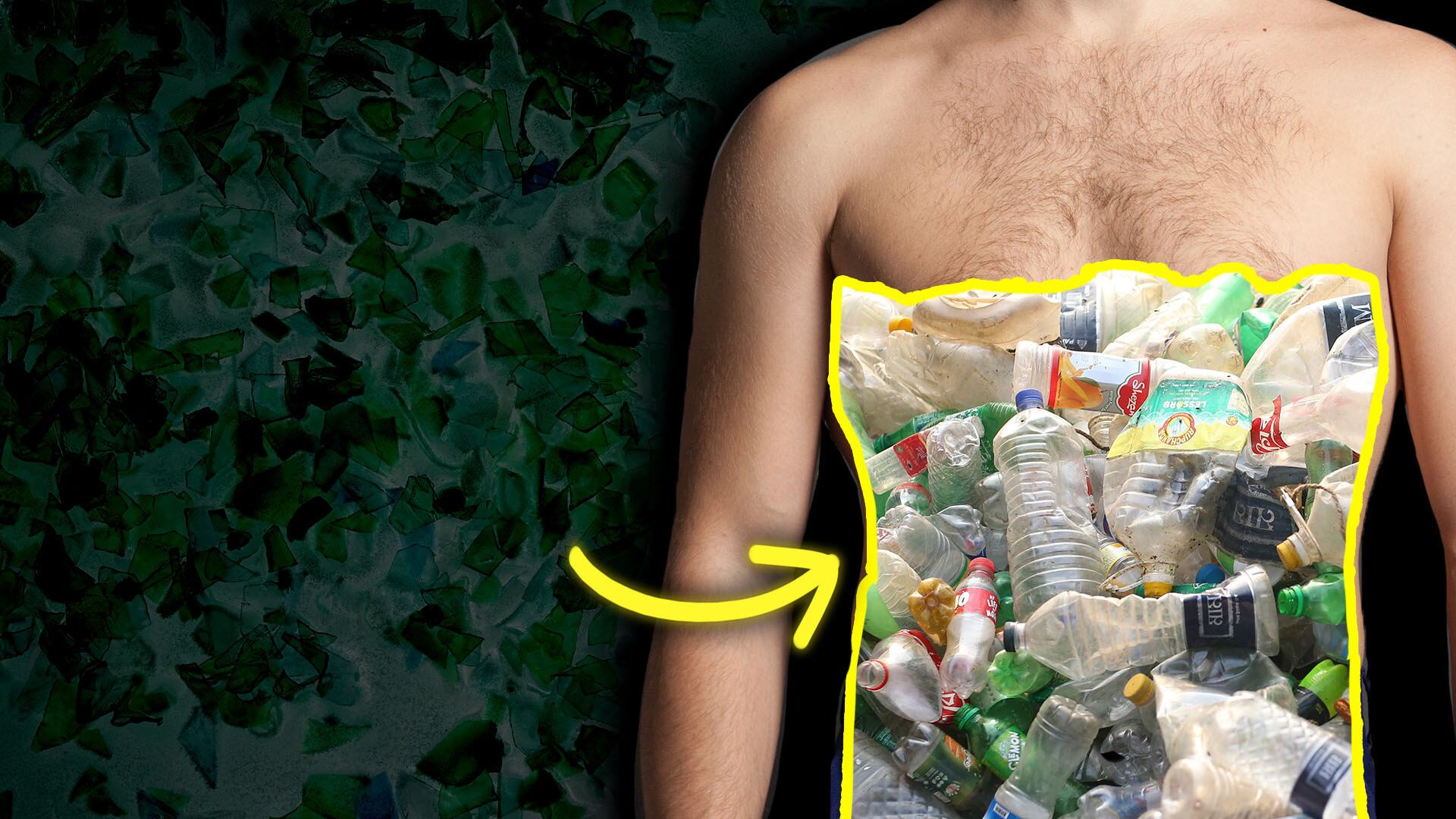
Plastic has become the face of global pollution. To date, humans have produced 8.3 billion metric tons of it. Once discarded, plastic doesn’t biodegrade. Instead, it fragments into microplastics smaller than the size of a sesame seed and further into nanoplastics.
These tiny particles of plastic end up everywhere, deep in the ice of Antarctic glaciers or even inside our bodies.
So how much plastic is inside of us? And what does it mean for our health? Let’s find out.
Catching you up on what you Need to Know on Mar 29, 2022, with updates on the snow squall in Pennsylvania that caused a pileup killing three, the teacher's strike in Sacramento heading into week two, Walmart no longer selling tobacco products in select stores, and what meme stocks are up to this week.
Catching you up on what you Need to Know on Mar 28, 2022, with peace talks resuming in Ukraine as early as today, Colorado wildfires causing evacuations, Shanghai, China, ramping up restrictions once again, the Oscars debacle between Will Smith and Chris Rock, and more.
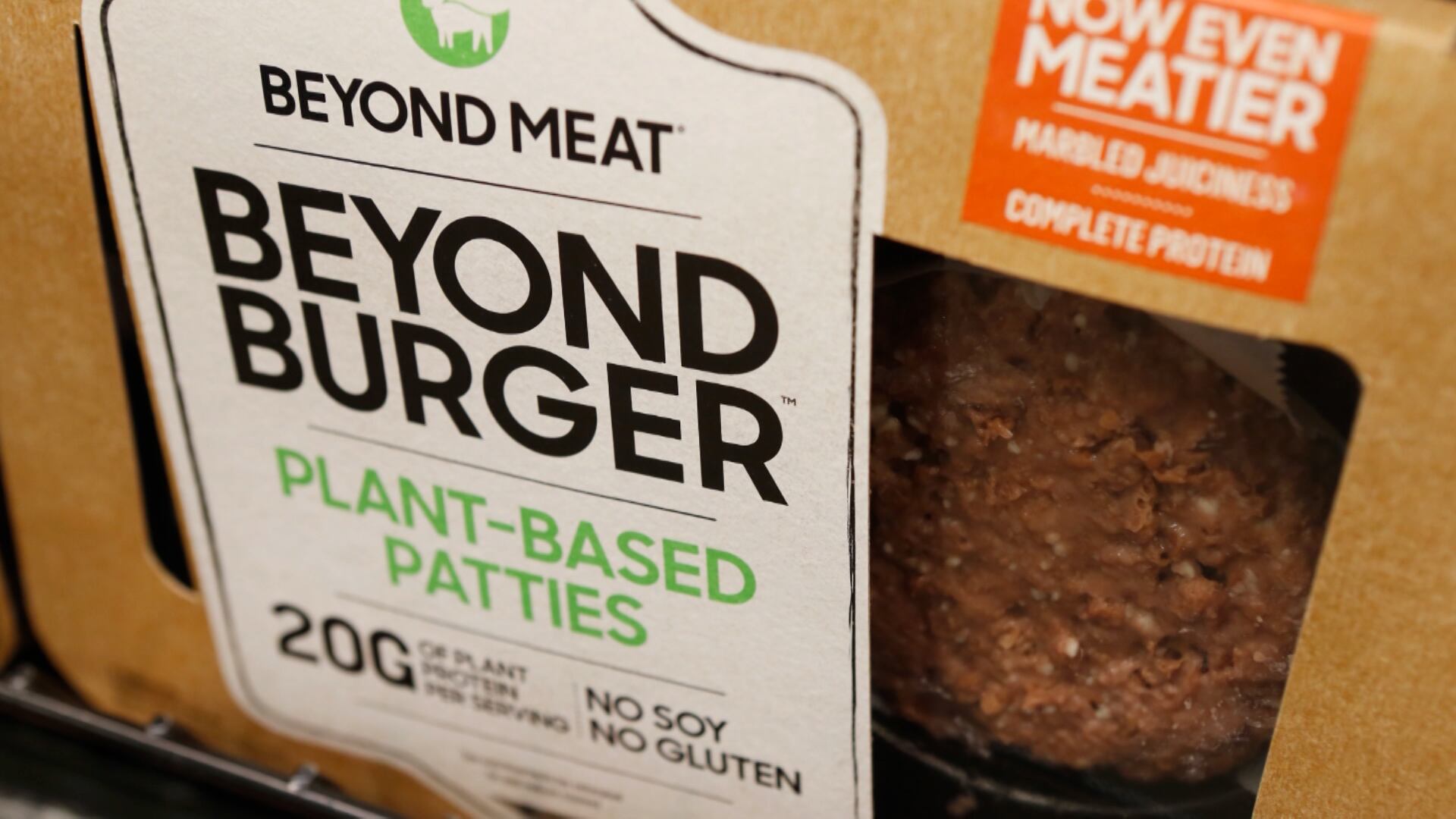
The U.S. market value of the plant-based food industry reached an all-time high last year. According to a new report from the Plant Based Food Association, retail sales of plant-based foods reached $7.4 billion, but questions are arising over whether the industry can sustain the levels of growth it had in the past few years. Julie Emmett, senior director of marketplace development at the Plant Based Food Association, joined Cheddar News' Closing Bell to discuss.
Bowery Farming's vertical growing process allows it to cultivate 13 types of greens — and now, strawberries — in a sustainable way that's also faster than traditional farming. Bowery focuses on sustainability from start to finish, using unique technology to provide plants with what they need at the right time while eliminating waste and cutting down on carbon dioxide emissions. Katie Seawell, Chief Commercial Officer of Bowery Farming, joins Closing Bell to discuss the company's vertical farming process, sustainability focus, fixing the food supply chain, and more.
Nexii, a company based in Canada, is getting some big backing for its sustainable, low-carbon concrete alternative. CEO Stephen Sidwell, joined Cheddar News to talk about the initiatives his company is taking to tackle climate change and scaling up production to meet demand. "Most people don’t realize it, but buildings are the number one contributor to CO2 emissions," he said. "So that's really what we're attacking, the overall CO2 emissions."